I did not get acne in high school. I got it in my early thirties, alongside a new job and a stretch of poor sleep, and the pimples that showed up on my chin and jawline were nothing like the breakouts of teenage friends I remembered. They were deeper, slower to clear, more painful, and stubbornly resistant to the benzoyl peroxide and acne wash that the front of every drugstore product told me would solve them. It took me nearly a year and a frustrating round of consults to learn that adult acne is genuinely a different condition from teenage acne, with its own pathogenesis and its own treatment playbook (PMID 33957838).
If you are in your late twenties or older and breaking out — or breaking out again after a clear stretch — this article is for you. Adult acne is common, persistent, and treatable, but only if you stop using teenage acne products and start treating the actual underlying problem.
What Is Adult Acne?
Adult acne is acne that persists past the typical adolescent window or appears for the first time after age 25. It affects up to 40% of women in their 30s and a smaller but still meaningful percentage of women in their 40s and 50s. Men experience adult acne too, but the patterns and triggers differ enough that most of the published research focuses on women.
The clinical signature is recognizable: deeper, more inflammatory papules and nodules concentrated on the lower face — chin, jawline, neck, sometimes the perioral area — rather than the forehead-and-cheek pattern more typical of adolescents. Cystic lesions are common. Comedones (whiteheads, blackheads) may be present but are usually a smaller part of the picture than in teenage acne (PMID 26059821).

What Causes It
The pathogenesis of adult acne is a different mix of the same four ingredients that drive any acne: excess sebum, abnormal keratinization in the follicle, overgrowth of Cutibacterium acnes, and inflammation. What changes in adult acne is the relative weight of those four and what triggers them.
Hormones are the most-studied driver. Androgens — testosterone and its metabolites — increase sebaceous gland activity. In adult women, the relevant fluctuations come from cycle phase, stopping or starting hormonal contraception, perimenopause, and conditions like PCOS that raise circulating androgens. The classic premenstrual flare on the chin is a specific signature.
Stress modulates hormone levels and inflammatory signaling in ways that are now well-documented. The acne flare during a final exam week, a deadline crunch, or a major life transition is real, not coincidental.
Skincare and makeup choices matter more in adult acne than in teenage acne, because adults often layer more products. Comedogenic ingredients in moisturizers and foundations, irritation from over-exfoliating, and barrier damage from aggressive cleansing all contribute.
Diet has a smaller role than the wellness internet suggests, but high-glycemic-load diets and dairy in some individuals are supported by reasonable evidence. Quitting dairy will not solve adult acne for most people, but it is worth a 6-8 week trial if you have a personal pattern.
Treatments That Help
The 2024 American Academy of Dermatology guidelines for acne management have updated recommendations specifically with adult acne in mind (PMID 38300170). The treatments below have the strongest evidence and are the ones I would prioritize.
Topical retinoids are the foundation. Adapalene 0.1% (Differin), tretinoin (prescription), and tazarotene (prescription) all work by normalizing follicular keratinization, which is upstream of most of the inflammation cascade. They work slowly — eight to twelve weeks for visible improvement — and they treat the future acne you have not yet developed more than the active spot on your chin tonight. Pair with sunscreen non-negotiably.
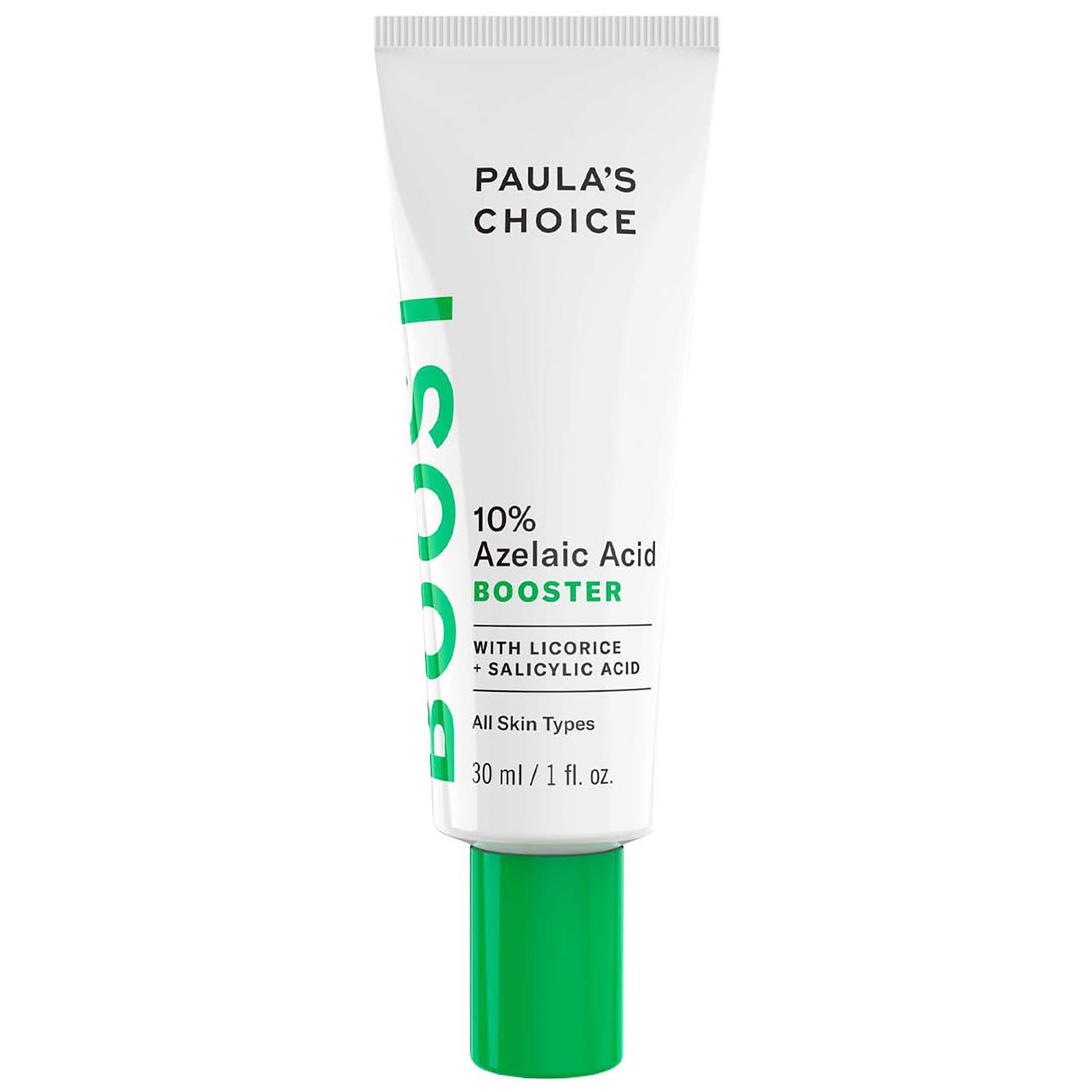
Topical azelaic acid at 15-20% is one of the most under-prescribed treatments for adult acne. It is anti-inflammatory, mildly antimicrobial, gentle enough for sensitive skin, and safe in pregnancy. The cosmetic experience is unremarkable but the results are quietly excellent on chin and jawline acne. Over-the-counter formulas at 10% are also useful, and the prescription strength is worth requesting if OTC is not enough.
Spironolactone is an oral anti-androgen that has emerged as a first-line option for adult women with hormonal acne over the last decade. The 2023 SAFA trial and 2024 FASCE trial both showed significant efficacy at doses of 50-100mg daily, with tolerability at least as good as the previous standard of long-term oral antibiotics (PMID 37192767, PMID 38380975). Spironolactone is a prescription-only medication, requires baseline labs in some patients, and is not appropriate during pregnancy — but for the right patient, it is a transformative treatment.
Combined oral contraceptives with anti-androgenic effects (drospirenone, norgestimate, desogestrel) are another category-A option for adult female acne when contraception is otherwise indicated.
Benzoyl peroxide at 2.5-5% remains useful for inflammatory adult acne, particularly as a wash-off cleanser for the body or back. The "more is more" instinct is wrong here — 2.5% is as effective as 10% with much less irritation.
What to Avoid
Stripping cleansers and aggressive scrubs. Adult skin is less oily than teenage skin and is also less able to repair barrier damage quickly. The "squeaky clean" feeling many adults reach for is itself a barrier compromise that often makes inflammation worse.
Tea tree oil and essential oil treatments. Many "natural" acne products use essential oils that are inflammatory contact sensitizers. The risk of perioral dermatitis or contact dermatitis is real and the evidence base for these ingredients is weaker than for retinoids and azelaic acid.
Stacking too many actives. A retinoid plus a chemical exfoliant plus a vitamin C plus a niacinamide is a barrier-damaging routine for most adult skin. Pick one or two actives, give them three months.
Toothpaste, lemon, baking soda, and any other DIY treatment. They damage the barrier and rarely improve the acne.
A Sensible Adult Acne Routine
Morning: Gentle non-stripping cleanser, optional niacinamide serum, lightweight non-comedogenic moisturizer, broad-spectrum SPF 30. The sunscreen matters because nearly every adult acne treatment increases photosensitivity.
Evening: Gentle cleanser, retinoid (start twice weekly, build up over a month), barrier-supportive moisturizer. On non-retinoid nights, optional azelaic acid serum.
Spot treatment: Hydrocolloid pimple patches for active inflamed lesions overnight. They genuinely shorten the visible lifespan of a spot by 24-48 hours.

See a dermatologist if: You have cystic lesions, scarring, hyperpigmentation following the acne, or no improvement after 12 weeks of OTC treatment. Adult acne with a hormonal component often needs prescription support — and it is worth it.
Final Thoughts
Adult acne is not a willpower problem and it is not a hygiene problem. It is a hormonal-and-inflammatory condition that responds to the right treatments and ignores the wrong ones. The single biggest mindset shift I would offer anyone newly dealing with adult breakouts is to stop reaching for the products marketed at teenagers. Adult skin needs gentler cleansing, smarter actives, and the patience to give a treatment ten to twelve weeks before judging it.
Medical Disclaimer
This article is for informational purposes and does not replace personalized advice from a board-certified dermatologist. Spironolactone and combined oral contraceptives are prescription medications with potential side effects and contraindications that require evaluation by a clinician. If your acne is severe, scarring, or causing meaningful distress, see a dermatologist rather than trying to self-treat indefinitely.
Affiliate Disclosure
Some links in this article may be affiliate links. If you purchase through them, BeautySift may earn a small commission at no additional cost to you. We only recommend products we have personally tested and would use ourselves. Affiliate revenue does not influence which products we choose to feature.


