Sunscreen is the single most evidence-supported intervention in any skincare routine. The published literature on broad-spectrum SPF and its impact on photoaging, hyperpigmentation, and skin cancer risk is consistent and large, and dermatologists across specialties agree on the core recommendation: use a broad-spectrum SPF 30 or higher daily, applied to all sun-exposed skin (PMID 36443500). Most of the value is in consistency — the sunscreen you actually reach for every morning beats the more expensive bottle gathering dust.
The good news is that the under-twenty-five-dollar drugstore category includes some of the best-formulated sunscreens on the market. The differences between these and the seventy-dollar luxury picks are usually packaging and fragrance, not photoprotection. After years of testing budget sunscreens for daily use, these are the five I keep coming back to and would recommend without reservation.
Below, the picks in order of how broadly they apply.
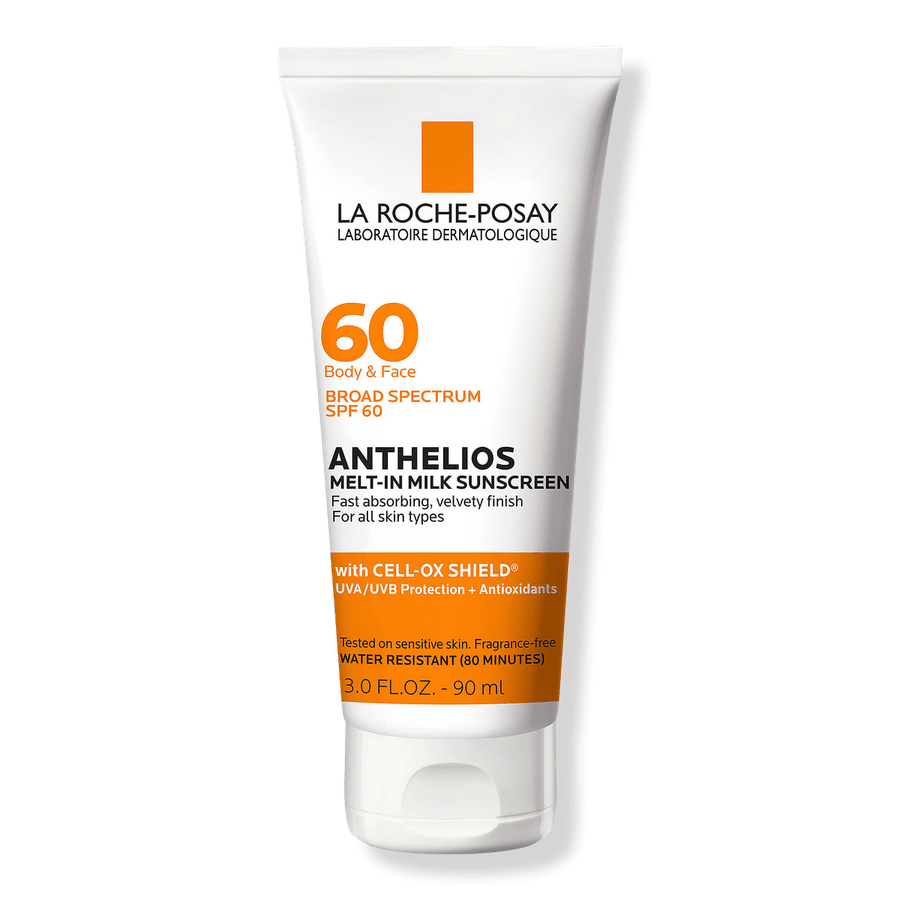
La Roche-Posay Anthelios Melt-In Milk SPF 60
The reference point. Around twenty-five dollars for 90 ml. The Anthelios Melt-In Milk is the imported European chemical formula at the price point that turned La Roche-Posay's sunscreens into a global daily-wear standard. Broad-spectrum SPF 60 with the brand's Cell-Ox Shield antioxidant complex, water-resistant up to 80 minutes, and a thin lotion texture that absorbs in seconds.
The honest experience: this is a workhorse for face and body. The texture is thinner than the typical American chemical sunscreen, with a mostly dry-down finish that does not pill under makeup. After years of rotating different formulas, this is the one I reach for on long-day-out occasions where I need both face and body covered without thinking about it. The mild fragrance is present and is the main reason fragrance-sensitive users sometimes skip it.
Best for: Daily wear, beach days, long-duration sun exposure, anyone wanting a single bottle for face and body. Skip if: You are very fragrance-sensitive or strongly prefer mineral-only filters.
CeraVe AM Facial Moisturizing Lotion SPF 30
Around fifteen dollars for 89 ml. CeraVe's combined moisturizer-and-sunscreen pairs broad-spectrum SPF 30 with the brand's signature ceramide trio plus niacinamide. The all-in-one approach makes it the right pick for streamlined morning routines where one product covers hydration and SPF.
The trade-off for the all-in-one approach is that the SPF tops out at 30, which is fine for incidental daily exposure but lower than the dedicated sunscreens on this list for extended outdoor time. The mineral-based filter system can leave a slight white cast on deeper skin tones — testers with brown skin tones generally prefer one of the chemical or hybrid options below. For lighter-medium skin in normal daily use (commute, office, errands), this product is hard to beat at the price.
Best for: Streamlined routines, normal-to-dry skin types, lighter-medium skin tones, indoor-leaning days. Skip if: Extended outdoor time, deeper skin tones (white cast), or you prefer chemical filters for cosmetic finish.
Neutrogena Hydro Boost Water Gel Sunscreen SPF 50
Around thirteen dollars for 88 ml. Neutrogena's Hydro Boost sunscreen takes the brand's signature gel-cream texture and adds a chemical filter system at SPF 50. The result is one of the most cosmetically pleasant lightweight sunscreens at any price point — it absorbs in seconds, leaves a slightly dewy non-shiny finish, and does not pill under most makeup.
In my testing on combination skin in moderate humidity, this is the sunscreen that disappears most cleanly into the rest of the routine. The hyaluronic acid base provides a small amount of additional surface hydration, which makes it useful as the final step over a serum without needing a separate moisturizer in summer. The trade-off is the chemical-filter content, which can occasionally cause stinging in eye-area applications and is less appropriate for very reactive skin.
Best for: Combination to oily skin, summer use, lightweight cosmetic finish, daily wear under makeup. Skip if: Very dry skin needing a heavier moisturizer, or fragrance-sensitive users (it has light fragrance).
Aveeno Positively Mineral Sensitive Skin SPF 50
Around twelve dollars for 88 ml. Aveeno's mineral-only formula uses zinc oxide and titanium dioxide in a hydrating base with the brand's oat-derived ingredients for added soothing. SPF 50, broad-spectrum, fragrance-free, and hypoallergenic — the cleanest profile on this list for sensitive or reactive skin.
The cosmetic experience is the trade-off. Mineral sunscreens at SPF 50 tend to leave a more visible white cast than chemical formulas, and this one is no exception. On lighter skin, blendable with a few minutes of work; on medium-deep skin tones, the cast remains visible enough to be noticeable in photographs. For people with rosacea, eczema, recent procedures, or known sensitivity to chemical filters, the trade-off is worth it. For everyone else, one of the chemical or hybrid picks above will be more cosmetically pleasant.
Best for: Reactive skin, post-procedure recovery, fragrance-free routines, lighter skin tones where white cast is manageable. Skip if: Deeper skin tones or you prioritize cosmetic finish over filter type.
Eucerin Sun Sensitive Mineral Face SPF 50
Around thirteen dollars for 75 ml. Eucerin's sensitive mineral face sunscreen pairs zinc oxide with the brand's barrier-supportive base and a thinner texture than the Aveeno mineral pick. The result is a mineral SPF 50 that wears slightly better cosmetically than most pure-mineral options, with a similar gentleness profile.
After ten weeks of nightly-and-morning routine testing, this is the mineral pick I would recommend over the Aveeno for lighter-medium skin tones who want the gentlest possible filter system without quite as much white cast. It still leaves a small cast on deeper skin tones; this is a fundamental trade-off of zinc-oxide-only formulas. The fragrance-free formulation is well-tolerated even on rosacea-prone skin in active flare.
Best for: Sensitive skin, rosacea-prone users, light-medium skin tones who want a milder mineral cast than Aveeno. Skip if: Deeper skin tones (white cast persists) or you specifically need water-resistance for outdoor activity.
Bonus: Trader Joe's Daily Facial Sunscreen SPF 40
Around nine dollars for 50 ml — if you have a Trader Joe's nearby, this is the sleeper pick of the entire category. Broad-spectrum SPF 40 in a lightweight chemical-filter formula with a dry-touch finish that absorbs almost as cleanly as the more expensive Hydro Boost. Limited availability is the only thing keeping this off the main list — the formulation is cosmetically excellent and the price is the best on any of these picks.
The trade-off is the limited distribution. If you do not live near a Trader Joe's, this is not a viable everyday pick. If you do, buy two bottles every time you visit and rotate.
Best for: Trader Joe's shoppers, anyone wanting the best price-per-ounce on this list. Skip if: You do not have access to Trader Joe's.
How I Picked These
Every product on the list is a formula I have used personally for at least three weeks of consistent daily application. I prioritized broad-spectrum coverage at SPF 30 or above, formulations with current FDA-approved filter systems, and price points at or below twenty-five dollars at full retail. I excluded products with fragrance high in the ingredient list where lower-fragrance alternatives at the same price point existed. I gave preference to formulas that have been on the market for at least three years — sunscreen formulations are sometimes reformulated with little notice, and longer-tenured products are more reliable bets for what you will actually receive in the bottle.
The Sunscreen Mistake That Matters Most
The single most-cited misconception in sunscreen use is the amount applied (PMID 32633165). The SPF rating on the bottle assumes 2 mg per square centimeter of skin — roughly a quarter teaspoon for the face alone, or half a shot glass for face plus neck and ears. Most people apply between a quarter and a half of that amount in real-world use, which means the protection received is closer to SPF 15-25 even from an SPF 50 product. The fix is not to buy a more expensive sunscreen — it is to apply more of the affordable one you already have.
The second most-cited issue is reapplication. The protective layer breaks down through sweat, friction, and UV exposure itself within roughly two hours of outdoor use. For daily incidental exposure (commute, office, indoor work), morning application is usually enough; for extended outdoor time, reapply every two hours. The lightweight texture of the picks above makes this practical even mid-day.
Final Thoughts
Sunscreen is the most reliable, most boring, most evidence-supported active in any routine. The right one is not the most expensive — it is the one whose texture you tolerate, applied in the right amount, every morning, year-round. Pick a broad-spectrum SPF 30 or above from this list, apply a quarter teaspoon to your face, layer it under everything else, and use it consistently. The cumulative effect over years of daily use beats every other anti-aging intervention on the market combined.
Medical Disclaimer
This article is for informational purposes and does not replace personalized advice from a board-certified dermatologist. If you have a history of severe sunscreen sensitivity, photodermatitis, or are managing a specific skin condition, work with a clinician on the right filter system rather than self-experimenting with multiple formulas.
Affiliate Disclosure
Some links in this article may be affiliate links. If you purchase through them, BeautySift may earn a small commission at no additional cost to you. We only recommend products we have personally tested and would use ourselves. Affiliate revenue does not influence which products we choose to feature.


