Eye creams are the most over-marketed category in beauty. Brands sell them at one-and-a-half to four times the price-per-ounce of a regular face moisturizer, often with the same active ingredients in slightly different concentrations. The premium is real, the value usually is not. The good news: a handful of under-thirty-five-dollar eye creams genuinely earn their place in a routine, either because the formulation is well-suited to the thinner under-eye skin or because they include actives that fit specific eye-area concerns at meaningful concentrations.
This is the roundup of eye creams I keep coming back to in this price range. Each one is a formula I have used for at least three weeks of consistent twice-daily application. None of them will erase dark circles, fill in tear troughs, or replace the sleep you did not get. The ones that work for the right reasons earn a slot.
Below, the picks in order of how broadly they apply.
The Ordinary Caffeine Solution 5% + EGCG
The reference point. Around eight dollars for 30 ml. Caffeine at 5% is on the higher end of what gets used in eye products, paired with epigallocatechin gallate (EGCG, a green tea polyphenol with antioxidant claims). The texture is a thin water-based serum that absorbs in seconds.
What it actually does: caffeine constricts the small blood vessels around the eye area for several hours, which can produce a temporary visible reduction in puffiness and the bluish vascular shadow that drives some types of dark circles. It does not fade pigmentary dark circles. It does not lift, plump, or fill. The cosmetic effect lasts roughly four to eight hours. For under ten dollars, that is a reasonable trade.
Best for: Morning use, vascular puffiness, anyone who wants a no-frills caffeine serum. Skip if: Your dark circles are pigmentary or structural — caffeine will not help.
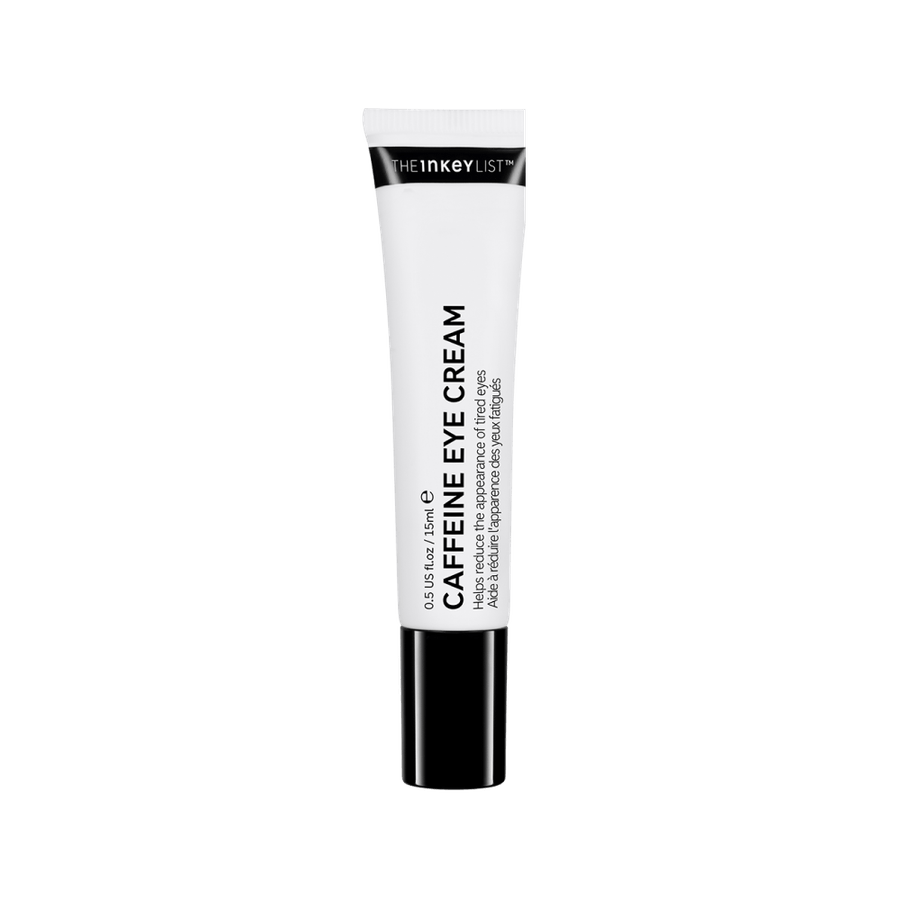
The Inkey List Caffeine Eye Cream
Around twelve dollars for 15 ml. The Inkey List version takes a different approach from The Ordinary's serum — it pairs caffeine with peptides and a more cushioned cream texture. The result is something between a treatment and an eye moisturizer, which makes it the better fit for people who want one product to do both jobs.
I have rotated this one through several testing periods and the experience has been consistent: visible reduction in morning puffiness within a week, slightly improved fine line appearance over a month, and a comfortable cosmetic experience under makeup. The active percentage of caffeine is not disclosed but the effect tracks with similarly priced products in the category.
Best for: Combination skin, makeup wearers, anyone wanting one product to handle both treatment and hydration around the eye area. Skip if: You prefer a thin serum texture or already have a separate eye moisturizer.
Naturium Multi-Peptide Eye Cream
Around twenty dollars for 15 ml. Naturium's eye cream pairs a multi-peptide blend with squalane and hyaluronic acid. Peptides have modest published evidence for fine line improvement and skin texture support — not transformative, but consistent. The squalane base is well-tolerated and does not cause milia in the orbital area, which is a real risk with heavier eye creams.
After eight weeks of nightly use, my under-eye area showed slightly improved smoothness, particularly in the small lines that appear when squinting. The peptide claim plays out modestly, which is what the literature would predict. The cosmetic experience is the strongest part of this pick — the texture is genuinely pleasant to apply and layers cleanly with the rest of an evening routine.
Best for: Mid-thirties and older skin focused on fine lines, anyone who likes a multi-active formula. Skip if: Acute dark circles are your main concern (caffeine-based picks are more useful for that).
CeraVe Eye Repair Cream
Around fifteen dollars for 0.5 oz. CeraVe's eye cream is the sleeper in this category — not glamorous, not viral, just a barrier-supportive ceramide cream formulated for the eye area with niacinamide and a small amount of hyaluronic acid. There is no caffeine, no peptide blend, no signature texture; it is simply a well-built moisturizer with an eye-safe ingredient list.
The strongest case for this pick is dry, flaky under-eye skin in winter or after a stretch of retinol introduction. It does the boring work of reinforcing the barrier in an area that is too thin and reactive for most face creams. Twice-daily use for a month produced visible improvement in the small flakes I sometimes get along the lower lash line in cold weather.
Best for: Dry, flaking under-eye skin; people on retinol who need a barrier cushion; CeraVe-routine users. Skip if: You want active treatment effects (caffeine, peptides, brighteners) rather than barrier support.
Olay Eyes Brightening Eye Cream
Around twenty-six dollars for 0.5 oz. Olay's brightening eye cream uses niacinamide and a low-percentage vitamin C derivative as the brightening actives, with a creamy hydrating base. It is the right pick for someone whose dark circles have a genuine pigmentary component and who wants a single product to address both hydration and gradual fading.
In my testing over ten weeks of nightly use, the pigmentary darkness on one side of my under-eye area faded modestly. The product is not a transformative brightener — for that you need higher-concentration vitamin C or prescription topicals — but it is a credible daily option in the under-thirty-dollar range. The texture is slightly heavier than what I prefer for daytime use, so I keep it for evenings.
Best for: Pigmentary dark circles, mid-budget shoppers wanting an active rather than just a moisturizer. Skip if: Vascular dark circles or structural shadows are your main concern.
First Aid Beauty Eye Duty Triple Remedy
Around thirty-three dollars for 0.5 oz. The most premium pick on this list. First Aid Beauty's eye cream pairs caffeine, peptides, and colloidal oatmeal — an unusual combination that targets puffiness, fine lines, and barrier comfort all at once. Colloidal oatmeal in particular has good evidence for soothing reactive eye-area skin.
This is the pick I would recommend to someone whose under-eye area is reactive — people who break out in milia or develop irritation from many eye creams. The colloidal oatmeal cushioning makes it noticeably more tolerable on sensitive periorbital skin than most caffeine-and-peptide blends. The trade-off is the price — at the upper end of this list, you are partly paying for the brand and the cushioned formulation rather than a meaningfully stronger active.
Best for: Reactive or sensitive under-eye skin, anyone with both puffiness and irritation concerns. Skip if: Strict budget shopping or you have already built a routine around cheaper alternatives that work.
How I Picked These
Every product on the list is a formula I have used personally for at least three weeks of consistent application. I prioritized eye creams with disclosed or implied active percentages in the range supported by the published literature on caffeine, niacinamide, and peptides for the periorbital area. I excluded products with fragrance high in the ingredient list, denatured alcohol, or essential oils that increase irritation potential in the thin orbital skin.
Final Thoughts
The honest truth about eye creams is that no product in this price range will dramatically change a face. The right pick for your specific eye-area concern produces small, visible, real improvements within a month or two. The wrong pick produces nothing at significant expense. Match the product to the problem you actually have — pigmentary, vascular, structural, or barrier-related — and pick the most-affordable option that addresses it.
Medical Disclaimer
This article is for informational purposes and does not replace personalized advice from a board-certified dermatologist. If you experience persistent eye irritation, vision changes, swelling, or pain after using a new product, stop use and consult a clinician.
Affiliate Disclosure
Some links in this article may be affiliate links. If you purchase through them, BeautySift may earn a small commission at no additional cost to you. We only recommend products we have personally tested and would use ourselves. Affiliate revenue does not influence which products we choose to feature.


