Retinol is one of the most overpriced active ingredients on shelves. The same molecule that costs eight dollars in one bottle costs eighty in another, and the difference is almost entirely in packaging, brand story, and marketing. After years of testing more retinol formulas than I would like to admit, the under-forty-dollar tier is where most of my actual long-term picks live. Higher prices buy slicker textures and prettier bottles. They rarely buy meaningfully more retinol or meaningfully better results.
This is a roundup of the six retinol products I have used long-term and would recommend without reservation, every one of them under forty dollars at full retail. They differ in concentration, supporting ingredients, and texture, but they all share three things: a stable formula, opaque packaging, and at least 12 weeks of consistent use under my own observation.
Below, the picks in order of how broadly they apply.
The Ordinary Retinol 0.5% in Squalane
The reference point. Roughly twelve dollars for 30 ml. The 0.5% percentage is in the middle of the over-the-counter retinol range — high enough to produce visible results within 12-16 weeks of consistent use, low enough that most people tolerate the introduction without major retinization. The squalane base is light, well-tolerated, and does not trigger congestion in oily skin.
The Ordinary also makes a 1.0% version (which is closer to what a low-strength prescription tretinoin would deliver, with more irritation potential) and a 0.2% version for sensitive skin. The 0.5% is the right starting point for most people who have used a retinol or a low-strength acid before. After three months of nightly use, my own skin showed visibly smoother texture and reduced post-inflammatory pigmentation around the chin.
Best for: Beginners with normal-to-oily skin who can tolerate moderate strength; anyone wanting a no-frills baseline. Skip if: Sensitive skin (start at 0.2%) or if you have used 0.5% retinol before with irritation.
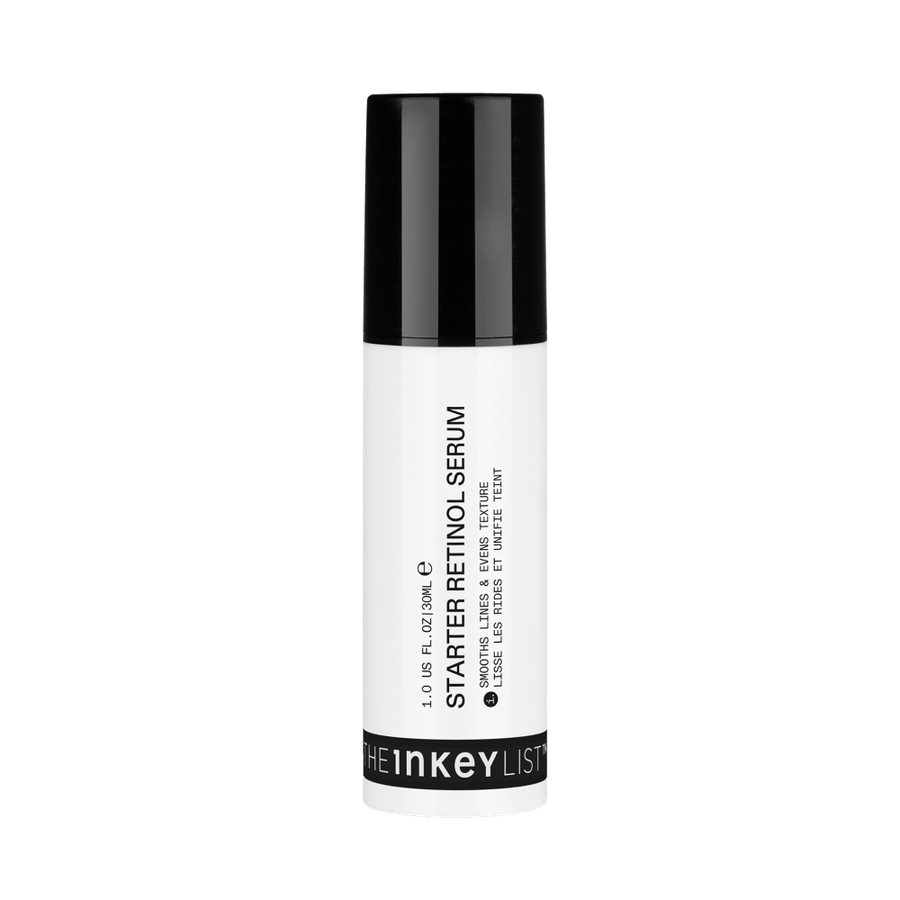
The Inkey List Starter Retinol Serum
Around fifteen dollars for 30 ml. The "Starter" formulation is encapsulated retinol at a beginner-friendly concentration, paired with squalane and a small percentage of niacinamide. It is one of the gentlest retinol introductions on the budget shelf, and the encapsulation slows the release enough to reduce the early peeling phase that some retinol users find disqualifying.
I have recommended this to several friends new to retinol and the feedback is consistently positive. It is not the strongest option here and it is not meant to be — the goal is a low-friction introduction that builds toward the next step rather than the maximum benefit on day one. After 12 weeks of every-other-night use, expect modest improvements in texture and pore appearance. For more dramatic results, this is the on-ramp, not the destination.
Best for: First-time retinol users, sensitive skin, anyone who has had bad reactions to stronger retinol formulations. Skip if: You are looking for noticeable results in under three months.
Naturium Retinaldehyde Cream Serum 0.05%
Around twenty-eight dollars for 50 ml. The single most useful upgrade in my own routine over the last few years. Retinaldehyde sits one conversion step from retinoic acid versus retinol's two steps, which means more potency per percentage point. The 0.05% concentration in Naturium's formulation is roughly comparable in published efficacy to retinol at 0.5-1.0%, with a meaningfully better tolerance profile.
The texture is a slightly milky lotion-serum that absorbs cleanly and pairs well under sunscreen. Microsphere encapsulation extends release through the night and reduces peak irritation. After 10 weeks of nightly use, my fine lines around the eye area showed visible softening and the overall tone was more even. This is the pick I reach for now after years on retinol.
Best for: People who have plateaued on retinol, anyone wanting more results without prescription. Skip if: Beginners (start with retinol first) or pregnant/breastfeeding individuals.
CeraVe Resurfacing Retinol Serum
About twenty dollars for 30 ml. The CeraVe formulation pairs encapsulated retinol with niacinamide and three ceramides — a classic CeraVe move, and a useful one for retinol-irritation management. The active percentage is not disclosed but tracks with low-to-moderate over-the-counter ranges based on tolerability profile.
This serum's specific strength is acne-prone skin with concerns about post-inflammatory pigmentation. The retinol normalizes follicular keratinization while the niacinamide reduces the lingering dark marks. The texture is light, non-greasy, and absorbs in seconds. The downside is that the active is on the lower end, so results are slow — 12-16 weeks for visible change.
Best for: Acne-prone skin, post-inflammatory hyperpigmentation, anyone who likes CeraVe formulations. Skip if: You want maximum percentage in one bottle.
Olay Regenerist Retinol 24 Night Serum
Around thirty dollars for 1 oz. Olay's Retinol 24 product line uses a proprietary retinol-plus-retinyl-propionate blend and includes vitamin B3 (niacinamide) and peptides. The "24" branding is around hydration sustained over a 24-hour cycle, which marketing aside, does play out in the texture — this is a more cushioned, moisturizer-like serum than most retinol products in this price range.
The trade-off for the cosmetic experience is that the active is somewhat diluted. Olay does not disclose the percentage and it appears, by tolerability and gradual results, to be on the lower end. After 12 weeks of nightly use I saw modest fine line improvement and a meaningfully more comfortable nighttime experience than with The Ordinary's serum.
Best for: Drier skin types, anyone wanting a hybrid retinol-and-moisturizer feel. Skip if: You prefer to layer retinol and moisturizer separately, or if you want a higher active percentage.
RoC Retinol Correxion Deep Wrinkle Night Cream
Around twenty-five dollars for 1 oz. RoC has been making retinol products since the 1990s and the Deep Wrinkle Night Cream remains one of the more effective drugstore options I have tried. The cream-style texture is heavier than the serums elsewhere on this list, which makes it more appropriate for dry skin and the slightly older demographic the brand targets.
The retinol is paired with mineral complex and panthenol; the pH and packaging support reasonable stability. Long-term users report sustained improvement in fine lines on the forehead and around the eyes over 6-12 months of consistent use. It is not glamorous and it is not designed to be — it is reliable.
Best for: Dry skin, mature skin, anyone wanting a cream-style retinol rather than a serum. Skip if: Oily or combination skin, anyone preferring a lightweight serum texture.
How I Picked These
Every product on this list is a formula I have used personally for at least three weeks of consistent application. I prioritized stable formulations in opaque packaging — retinol's well-documented light and air sensitivity makes packaging genuinely matter. Each pick is from a brand with a track record on retinol specifically rather than a one-off launch. Where data on retinoid efficacy and tolerability exists, I cross-checked against the dermatology literature on topical retinoids and skin photoaging (PMID 36220974).
Final Thoughts
Retinol rewards consistency more than concentration. A 0.5% serum used four nights a week for a year will move your skin further than a 1.0% serum used for six weeks before being abandoned. Whichever pick on this list fits your skin type and your tolerance, the question that actually matters is whether you will still be using it in March of next year. The cheapest pick you stick with beats the most expensive pick on the bathroom shelf.
Medical Disclaimer
This article is for informational purposes and does not replace personalized advice from a board-certified dermatologist. Pregnant or breastfeeding individuals should not use retinol. If you experience severe peeling, persistent redness, or pain, stop use and consult a clinician.
Affiliate Disclosure
Some links in this article may be affiliate links. If you purchase through them, BeautySift may earn a small commission at no additional cost to you. We only recommend products we have personally tested and would use ourselves. Affiliate revenue does not influence which products we choose to feature.


