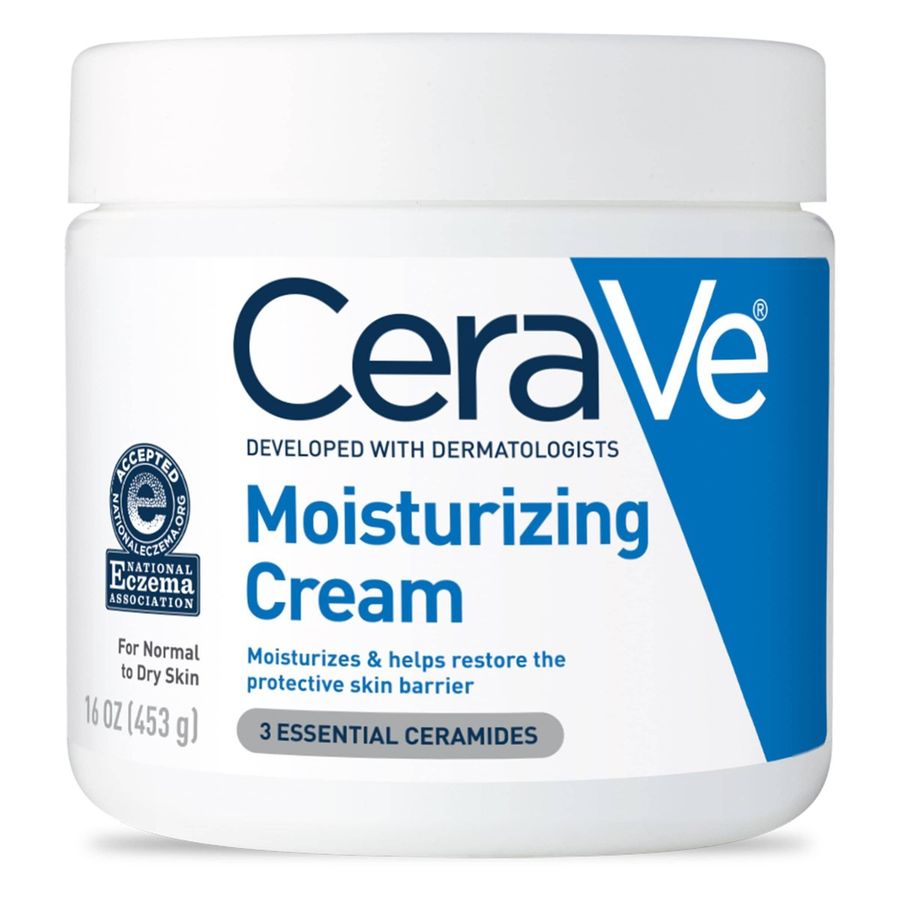
TL;DR: Ceramides are genuinely useful barrier-support ingredients, especially when skin feels dry, tight, or overworked. They help make moisturizers make more sense, but they are not a shortcut that fixes every rash, breakout, or sensitivity problem on their own.
Ceramides are one of those skincare terms that started as solid science and then got turned into a marketing personality. The science part is real. Ceramides are lipids naturally found in the stratum corneum, where they help support the skin barrier and reduce water loss. The inflated part is when every ceramide cream gets marketed like it can repair anything by morning.
I like ceramides because they are usually less dramatic than the claims around them. They are not exciting. They are supportive. When my skin feels tight after too many actives, colder weather, travel, or over-cleansing, ceramide-heavy moisturizers often make my skin feel less fragile over time. Not transformed. Less fragile.
That sounds less glamorous than brand copy, but it is usually closer to the truth.

What Ceramides Actually Do
In plain English, ceramides help reinforce the outer layer of the skin so it holds water better and feels less compromised. They are part of the lipid matrix that helps keep the stratum corneum functioning like a barrier instead of a leaky screen door. Reviews on skin-barrier function and moisturization consistently support the importance of lipids, including ceramides, in maintaining barrier integrity and limiting transepidermal water loss (PMID: 37717558; PMID: 26844894).
That is why ceramides show up so often in products meant for dryness, irritation-prone skin, over-exfoliated routines, and eczema-adjacent discomfort. The logic is simple: if the barrier is under strain, replacing or supporting some of the lipids associated with that barrier can make moisturizers more effective.
On skin, that usually translates to:
- less tightness after cleansing
- less dry, papery feel by the end of the day
- better tolerance when using active ingredients carefully
- a more comfortable baseline over a few days to a few weeks
The benefits are real, and so are the limits. Ceramides support a better environment for skin. They do not solve everything that can go wrong with skin.
Why They Matter in Barrier Care
When people say their barrier feels damaged, they are usually describing symptoms rather than a precise diagnosis. Tightness, stinging, flaking, redness, or sudden intolerance to products can all show up when the skin barrier is under stress.
This is where ceramides make practical sense. A well-formulated moisturizer with ceramides, plus other barrier-supportive ingredients like cholesterol, fatty acids, humectants, and occlusives, may help the skin feel more comfortable and hold water better. Recent and classic reviews on moisturization and barrier repair both point toward the importance of the lipid structure of the stratum corneum rather than treating hydration as just adding water to the skin (PMID: 37717558; PMID: 14572299).
That distinction matters because dehydrated, irritated skin rarely needs only a mist, essence, or lightweight serum. Sometimes it needs less cleansing, less exfoliation, and a moisturizer with more structural support.
What Ceramides Cannot Do
This is the part I wish more ceramide content said clearly.
Ceramides cannot replace prescription treatment for eczema, perioral dermatitis, rosacea, or inflammatory acne. They cannot cancel out ongoing irritation from using too many acids every night. They cannot magically make every retinoid routine comfortable if the retinoid dose is too strong or the rest of the routine is too harsh.
They also do not tell you much in isolation. Seeing "ceramide" on the label is not enough. The full formula still matters. A moisturizer can include ceramides and still feel too light for very dry skin, too rich for acne-prone skin, or too fragranced for reactive skin. The ingredient name is useful. It is not a quality guarantee.
I also would not say ceramides directly treat wrinkles, acne, or pigmentation in the way marketing sometimes hints. They can support a healthier routine environment, which may indirectly help you tolerate products that target those concerns. That is different from saying ceramides themselves do all the work.

Who Usually Benefits Most
Ceramide-rich products tend to make the most sense for:
- dry skin
- mature skin that feels thinner or less resilient
- sensitive or over-exfoliated skin
- people starting retinoids or acids and trying to keep the rest of the routine calm
- skin that feels tight after washing even when it does not look flaky yet
They may still be useful for oily or combination skin, but the formula format matters more there. I would look for a lighter lotion or gel-cream rather than assuming every ceramide cream has to be dense.
What To Look For in a Ceramide Moisturizer
I would not shop by ceramides alone. I would shop by the whole support system.
Good signs include:
- ceramides paired with cholesterol or fatty acids
- humectants like glycerin or hyaluronic acid
- bland, non-drying bases
- texture that matches your climate and skin type
- packaging that keeps the formula reasonably stable and easy to use consistently
Potential problems include:
- heavy fragrance in a barrier-focused product
- tiny amounts of ceramides used more for front-label marketing than for a well-rounded formula
- formulas so occlusive they feel suffocating on acne-prone skin
- moisturizers that are technically barrier-focused but still leave your skin tight because the overall lipid balance is weak
That last point happens more than people admit. Sometimes the problem is not that ceramides are overrated. It is that the formula around them is underwhelming.
How To Use Them in a Routine
This part is reassuringly simple.
Use ceramide products the way you would use any moisturizer: after cleansing, after watery serums if you use them, and before sunscreen in the morning. At night, they pair especially well with routines that include retinoids, exfoliating acids used carefully, or recovery nights after irritation.
If your skin is irritated, I would simplify first:
- gentle cleanser
- ceramide moisturizer
- sunscreen in the morning
- pause the extra actives for a few days if needed
A lot of barrier recovery is subtraction. Ceramides help most when they are not competing with five other active steps.

Why Texture Still Matters
This sounds cosmetic, but it affects whether a barrier product actually gets used.
If a ceramide moisturizer pills under sunscreen, feels waxy all day, or sits too heavily under makeup, many people stop using it consistently. If it disappears too fast and leaves dry skin tight by lunch, same problem. Supportive ingredients only matter if the routine friction is low enough for real consistency.
On my skin, the best ceramide products are the ones that feel boring in the best way. No strong scent. No stinging. No surprising finish. Just a more comfortable face by the end of the week.
The Honest Bottom Line
Ceramides deserve their reputation, but only within reason. They are foundational, not magical. They help support the skin barrier, reduce water loss, and make moisturizers more useful for dry or stressed skin. That is already a meaningful job.
What they do not do is override every other problem in a routine. If you keep over-exfoliating, using irritating cleansers, or expecting one cream to solve a true skin condition, ceramides will not save the situation alone.
Still, if your skin feels dry, tight, reactive, or worn down, ceramides are one of the more sensible ingredients to prioritize. Not trendy. Useful.
Sources
- The Skin Barrier and Moisturization: Function, Disruption, and Mechanisms of Repair. PMID: 37717558.
- Stratum Corneum Lipids: Their Role for the Skin Barrier Function in Healthy Subjects and Atopic Dermatitis Patients. PMID: 26844894.
- Role of topical emollients and moisturizers in the treatment of dry skin barrier disorders. PMID: 14572299.
- Ceramides and Skin Health: New Insights. PMID: 39912256.


