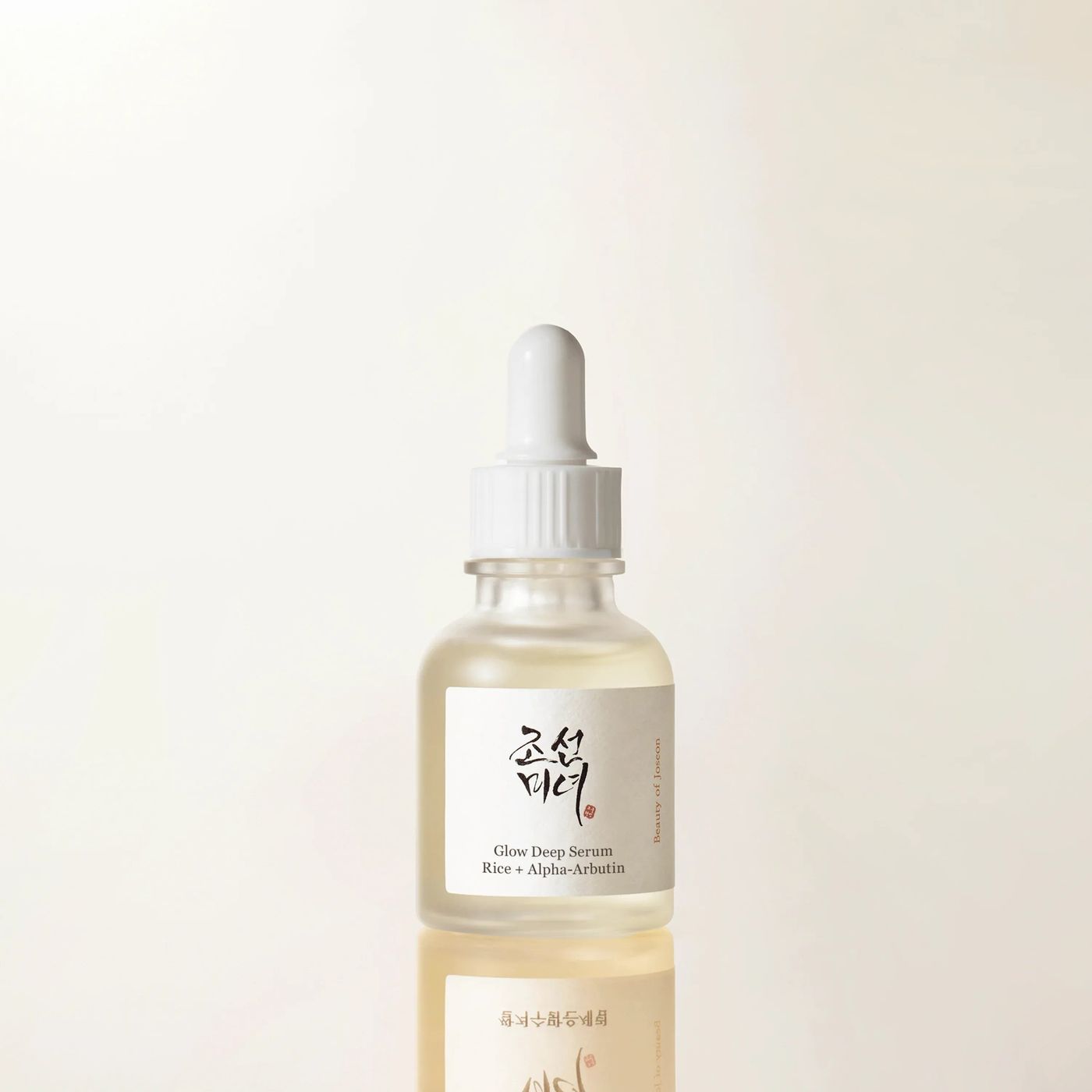
Combination skin is the most common skin type and the most awkward to build a routine around. The standard skincare framework — pick "oily" or "dry" and shop accordingly — does not fit. The forehead, nose, and chin (the T-zone) produce visible sebum by midday. The cheeks and jawline can run normal to dry, sometimes with patches of flakiness or tightness after cleansing. Mass-market products tend to be optimized for one extreme or the other, and applying a "for oily skin" routine over the whole face leaves the cheeks dehydrated, while a "for dry skin" routine leaves the T-zone congested and shiny.
The good news is that combination skin responds well to a thoughtful, lightly stratified routine. The bad news is that the wellness internet rarely gets specific about how to actually do that. This is the evidence-based approach to managing combination skin without buying twice as many products as anyone needs.
What Is Combination Skin
Combination skin describes a face where sebum output is unevenly distributed. The T-zone has higher sebaceous gland density than the cheeks (PMID 28979664), and in some people the difference is dramatic. The T-zone behaves like oily skin — visible shine, larger pores, occasional blackheads or closed comedones — while the rest of the face behaves like normal-to-dry skin, with smaller pores and a tendency toward tightness or flakiness.
A useful diagnostic: clean your face with a gentle cleanser, leave it bare for an hour, and look in good light. If the forehead and nose are visibly shiny while the cheeks feel tight or look matte, you have combination skin. If the entire face is shiny, it is oily; if the entire face feels tight, it is dry. The percentage of people with truly uniform oil distribution is smaller than the marketing language suggests.
What Causes the Imbalance
The drivers are the same factors that affect overall sebum production, just expressed unevenly because the underlying gland density is unequal:
Genetics. The single biggest factor. Some people are simply born with much higher sebaceous gland concentration in the central face.
Androgens. Hormonal events that raise androgen levels — adolescence, the luteal phase of the menstrual cycle, polycystic ovary syndrome, certain medications — increase sebum output across the whole face but show up most visibly in the already-oily T-zone.
Climate. Combination skin tends to look more oily in summer and more dry in winter. The T-zone shines more in heat and humidity; the cheeks dry out more in cold dry air. The "skin type" is less stable than the framework suggests.
Skincare overcorrection. Aggressive cleansing and over-exfoliation, particularly on the T-zone, can paradoxically worsen the imbalance. The skin reacts to barrier disruption by producing more oil, which intensifies the T-zone shine while leaving the cheeks more reactive (PMID 38725769).
Ingredients That Help
The treatments with the strongest published evidence for combination skin lean toward sebum regulation in the T-zone, hydration support across the cheeks, and anti-inflammatory actives that work in both areas:
Niacinamide at 2-5%. The anchor ingredient for combination skin. It modestly reduces sebum production where applied, supports the barrier, and is well-tolerated. A 2006 Draelos study showed measurable reduction in facial sebum output after 4 weeks of 2% niacinamide use (PMID 16766489). Apply over the whole face — the cheeks will benefit from the anti-inflammatory effect even where they do not need the sebum reduction.
Salicylic acid (BHA) at 0.5-2%. Useful applied selectively to the T-zone to manage congestion. A leave-on BHA toner two or three nights a week, swiped only across the forehead, nose, and chin, helps prevent blackheads without drying out the cheeks.
Hyaluronic acid serums. Apply across the whole face. The T-zone tolerates HA fine; the cheeks need the hydration. Damp-skin application is more effective than dry-skin application.
Topical retinoids (adapalene 0.1% over the counter or tretinoin by prescription) work for combination skin but require more careful introduction. Start twice weekly, applied to the entire face, and build up tolerance over 8-12 weeks. The cheeks are the area to watch for irritation.
Lightweight moisturizers across the whole face, with a heavier cream just on the cheeks if needed. The notion that combination skin must use only "oil-free" gels is outdated. A simple ceramide-and-glycerin moisturizer suits the T-zone fine.
Ingredients to Avoid
Heavy occlusive creams across the whole face. Petroleum and shea-butter-heavy creams clog the T-zone in many people and can trigger closed comedones. Use these spot-treatment style on dry patches if needed, not as the all-over moisturizer.
Stripping foaming cleansers. Sulfate-based foaming cleansers strip the cheeks faster than they manage the T-zone shine. The "squeaky clean" feeling is a sign of barrier disruption that combination skin tolerates particularly poorly.
Alcohol-based toners. Denatured alcohol high in the ingredient list dries the cheeks while triggering compensatory oil production in the T-zone. Categorically a bad fit for combination skin.
Heavy fragrance and essential oils. Sensitization risk is higher on the dry-leaning cheeks; the rest of the face often shows the irritation later in the form of clogged pores from inflammation.
Single-product "for combination skin" claims that do nothing different from a standard moisturizer. Most of these are marketing constructs, not differentiated formulas.
A Routine for Combination Skin
Morning: Gentle non-foaming or low-foaming cleanser (water-only is also fine on most mornings), niacinamide serum applied to the whole face, lightweight moisturizer (slightly heavier on the cheeks if winter or dry climate), broad-spectrum sunscreen.
Evening: Same gentle cleanser, BHA toner applied only to the T-zone two to three nights a week, retinoid applied to the whole face on alternate nights starting at low frequency, lightweight moisturizer with a thicker cream layered on the cheeks if needed.
Weekly: A clay-based mask applied only to the T-zone one or two times a week is fine. A hydrating sheet mask on the cheeks once a week is a reasonable adjunct in winter.
Exfoliation: The BHA toner does most of the chemical exfoliation work. Avoid physical scrubs — they exacerbate the cheek-dryness while not meaningfully improving the T-zone.
Sunscreen: A lightweight gel or fluid sunscreen typically suits combination skin better than a heavy mineral cream. The T-zone tolerates a thinner texture; the cheeks layer additional moisturizer underneath if needed.
Common Mistakes
Treating the whole face as oily. The most common mistake. Routines optimized for the T-zone leave the cheeks dehydrated and reactive over time.
Treating the whole face as dry. The mirror-image mistake. Heavy creams across the entire face clog the T-zone and trigger comedones.
Multi-masking once a week and calling it a routine. Multi-masking — clay on the T-zone, hydrating mask on the cheeks — is fine but it is an occasional treatment, not a substitute for a consistent daily routine.
Buying products labeled "for combination skin" and assuming they are formulated differently. Most are not. Read the ingredient list and judge on actives, texture, and supporting ingredients rather than the marketing claim.
Applying the same actives at the same strength to the entire face indefinitely. As cheeks become more tolerant of an active, you can usually expand application; if the T-zone needs more aggressive treatment than the cheeks can handle, applying selectively works fine and is medically sound.
Stopping the routine when the skin looks balanced. Combination skin is a baseline characteristic, not a curable condition. The routine continues; the products may evolve seasonally.
Final Thoughts
Combination skin is the most common skin type and the easiest one to manage well once you stop trying to force it into the "oily" or "dry" framework. The right approach is to treat the whole face with a barrier-supportive baseline routine — gentle cleanser, niacinamide, hydration, sunscreen — and add targeted treatments to the specific regions that need them. Selective BHA on the T-zone, slightly heavier moisturizer on the cheeks, and patience over 8-12 weeks of consistent use will move the skin closer to the comfortable balanced state that "combination" implies, without requiring an expensive overhaul of the routine. Match the product to the area, not the area to the product.
Medical Disclaimer
This article is for informational purposes and does not replace personalized advice from a board-certified dermatologist. Persistent congestion, scarring, or irritation that does not respond to a 12-week consistent routine warrants in-person evaluation. Hormonal causes of facial oil imbalance may require oral medication and systemic workup.
Affiliate Disclosure
Some links in this article may be affiliate links. If you purchase through them, BeautySift may earn a small commission at no additional cost to you. We only recommend products we have personally tested and would use ourselves. Affiliate revenue does not influence which products we choose to feature.


