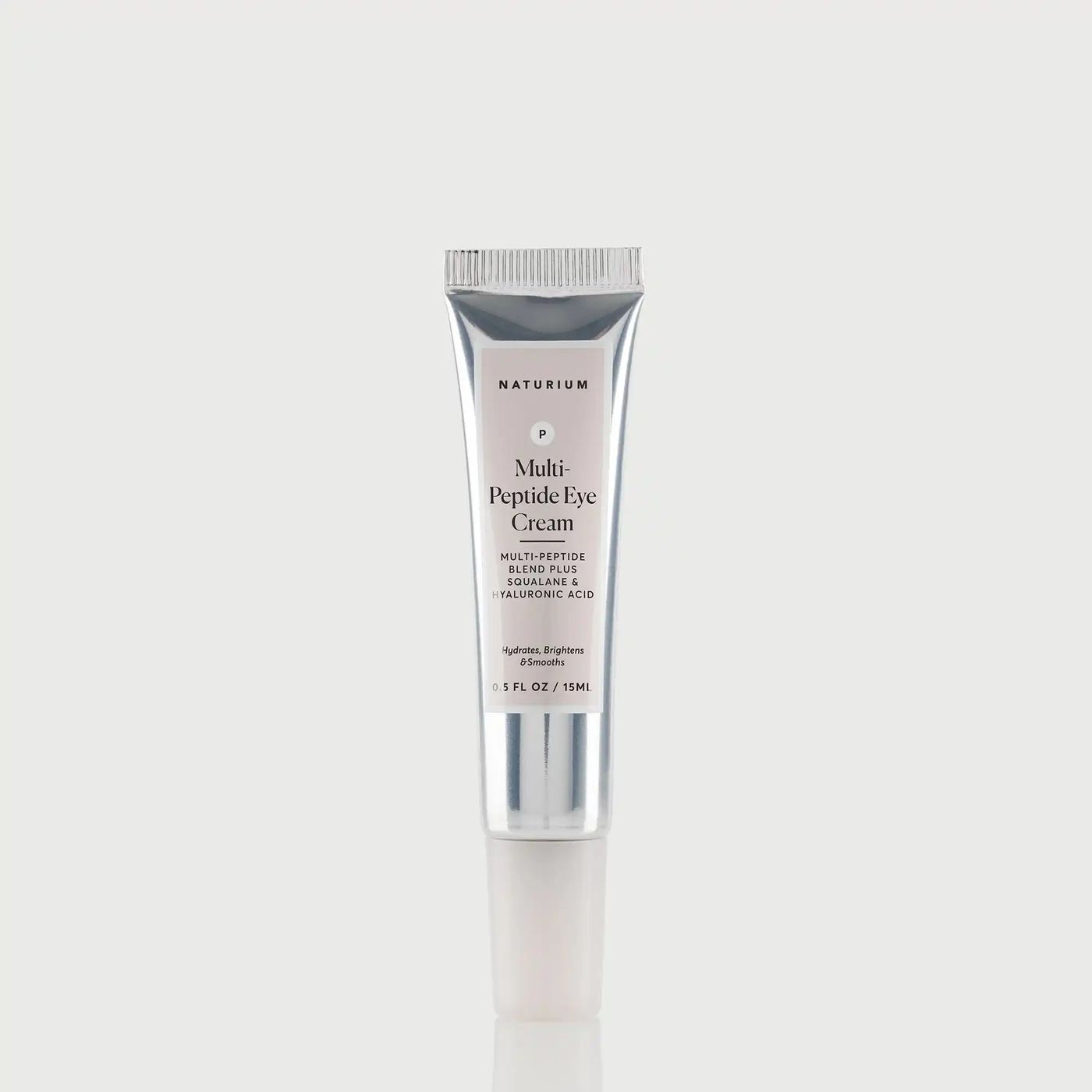
No skincare topic gets more wishful thinking than dark circles. The marketing on every "brightening eye cream" promises to lift, depuff, brighten, and tighten the under-eye area, and the truth is that most of those products do one or two of those things modestly while the dark circles themselves stay roughly where they were. The reason is mechanical: dark circles are not one condition. They are a category that includes several different underlying causes, and the right treatment depends on which one you have.
I learned this the hard way after spending close to two hundred dollars on eye creams over a couple of years that did almost nothing for the bluish shadow under my eyes. A dermatology consult took fifteen minutes and saved me from another two hundred dollars of the same. Here is what I wish I had known earlier — what actually causes dark circles, what treatments are evidence-based, and where the boundary lies between "topical can help" and "this needs a procedure."
What Causes Dark Circles
Periorbital hyperpigmentation — the medical name — has at least four distinct causes that often overlap (PMID 32740208).
Pigmentary dark circles. Excess melanin in the under-eye skin, often a brown or grey-brown shade, more common in deeper skin tones and frequently genetic. This is the type that responds to topical brighteners like hydroquinone, vitamin C, and azelaic acid.
Vascular dark circles. Visible blood vessels through thin under-eye skin, giving a blue, purple, or red appearance. This is the type that does not respond meaningfully to topical brighteners and often needs vascular laser treatment for visible improvement.
Structural dark circles. Tear trough depressions and orbital fat displacement creating shadow under the eye. This is a 3D problem — a shadow, not a pigment — and the only meaningful treatments are filler, surgery, or makeup.
Lifestyle-driven dark circles. Sleep deprivation, dehydration, allergies (allergic shiners), heavy alcohol use, and seasonal swelling all contribute. These are the easiest to address — and the easiest to underestimate.
The First Step: Figure Out Which Type You Have
Stand in front of a mirror in good light. Gently stretch the under-eye skin downward and watch what happens to the dark area.
If the darkness fades when stretched: mostly vascular or structural. Topicals will not help much.
If the darkness stays: mostly pigmentary. Topicals can help.
If the area lightens but you still see a hollow: structural component. A dermatologist can confirm with a side-light examination.
If you have allergic shiners (puffiness, sometimes itchiness, often seasonal): treating the underlying allergies is more useful than any eye cream.
Most people have a mix of two or three of these. The dominant type drives the right treatment plan.
Topical Ingredients That Help (For Pigmentary Dark Circles)
The same topicals that work on facial hyperpigmentation work in the under-eye area, with one caveat: the skin there is thinner and more reactive, so the formulas need to be gentler and the rollout slower.
Vitamin C at 5-10% in an eye-safe formulation reduces melanin production and provides daytime antioxidant protection. The thicker formulations are easier on under-eye skin than the high-percentage L-ascorbic acid serums used elsewhere on the face.
Niacinamide at 2-5% reduces melanin transfer and supports the barrier. It is one of the gentlest brightening options for under-eye use and a reasonable starting point for sensitive skin.
Caffeine at 2-5% topical does not address pigment but can reduce vascular puffiness in the morning and slightly tighten the appearance of the under-eye area for several hours. It is a cosmetic effect rather than a structural change.
Retinol or retinaldehyde in eye-safe concentrations (typically 0.1% retinol or lower) thickens the under-eye skin over months of use, which reduces the visibility of underlying vessels and pigment. The under-eye area is sensitive to retinol irritation, so introduce it slowly — twice weekly for the first month, then every other night.
Peptides in eye creams have modest evidence for fine line improvement and are usually well-tolerated. They will not fade dark circles directly but can improve overall under-eye texture.
What Topicals Cannot Fix
Vascular dark circles. No cream meaningfully reduces visible blood vessels under the skin. Pulsed dye laser, IPL, or specific vascular laser treatments work where topicals do not (PMID 33988812).
Structural shadows from tear troughs. A 3D depression cannot be filled by a 2D cream. Hyaluronic acid filler, lower blepharoplasty, or fat transfer are the procedural options. Strategic concealer is the non-procedural option.
Genetic deep-set bone structure. Some dark circles are partly the shadow cast by your own facial bone structure. There is no fix for this and arguably nothing wrong with it.
Procedures Worth Considering
For dark circles that have not responded to 12 weeks of topical treatment, procedural options are the next step.
Vascular laser (pulsed dye, KTP, Nd:YAG) is the most useful for vascular dark circles. Multiple sessions are typical.
Hyaluronic acid filler in the tear trough is the gold standard for structural shadow correction. Performed by a board-certified dermatologist or oculoplastic surgeon, ideally — this is one of the higher-risk areas for filler complications when done by less experienced injectors.
Chemical peels (mild glycolic or lactic, supervised by a clinician) help with stubborn pigmentary dark circles when topicals plateau (PMID 29767467).
Microneedling and fractional laser can help with both pigment and texture in the periorbital area, with multi-session protocols.
Common Mistakes
Using strong actives meant for the rest of the face on the under-eye. Glycolic acid, high-percentage vitamin C, and undiluted retinol can cause meaningful irritation in the orbital area. Use eye-specific formulations or lower concentrations.
Pulling and rubbing the under-eye area. The skin there is thin and sensitive to friction. Tap, do not drag, when applying products.
Believing the marketing on "lifting" eye creams. No topical lifts. Some firm temporarily through silicone-style films or polymers; the effect washes off.
Forgetting sunscreen on the under-eye area. UV worsens both pigmentary and vascular dark circles. Daily sunscreen on the orbital area, including the lower lid edge, is one of the most under-used preventive habits.
Spending hundreds on the same ingredient in fancier packaging. A 5% caffeine eye serum at $10 and one at $80 are usually doing the same thing. The cosmetic experience can differ; the active and the result usually do not.
A Sensible Routine
Morning: Gentle cleanser, vitamin C eye cream or 5% caffeine serum, broad-spectrum SPF 30 to the entire face including under-eye and lower lid. Concealer on top if you want.
Evening: Gentle cleanser, niacinamide or peptide eye cream nightly; a low-strength retinol on alternating nights once your skin has acclimated. A barrier-supportive moisturizer over the top.
For lifestyle factors: Sleep on your back if you can (side-sleeping creates fluid pooling), elevate the head of the bed slightly, treat allergies, hydrate. These are not glamorous interventions and they make the most visible difference week to week.
Final Thoughts
Dark circles are one of the few skin concerns where realistic expectations matter as much as the right ingredients. If your dark circles are mostly vascular or structural, no eye cream is going to make them disappear — and pretending otherwise just costs you money. If they are pigmentary, the same topicals that work elsewhere on the face will work here, just gentler and slower. And if they are mostly lifestyle-driven, a week of decent sleep will do more than a month of any product on the market.
Medical Disclaimer
This article is for informational purposes and does not replace personalized advice from a board-certified dermatologist or oculoplastic surgeon. Procedures around the eye area carry real risks and should be done by experienced specialists. If you have sudden onset of under-eye darkness, swelling, vision changes, or pain, see a clinician promptly.
Affiliate Disclosure
Some links in this article may be affiliate links. If you purchase through them, BeautySift may earn a small commission at no additional cost to you. We only recommend products we have personally tested and would use ourselves. Affiliate revenue does not influence which products we choose to feature.


