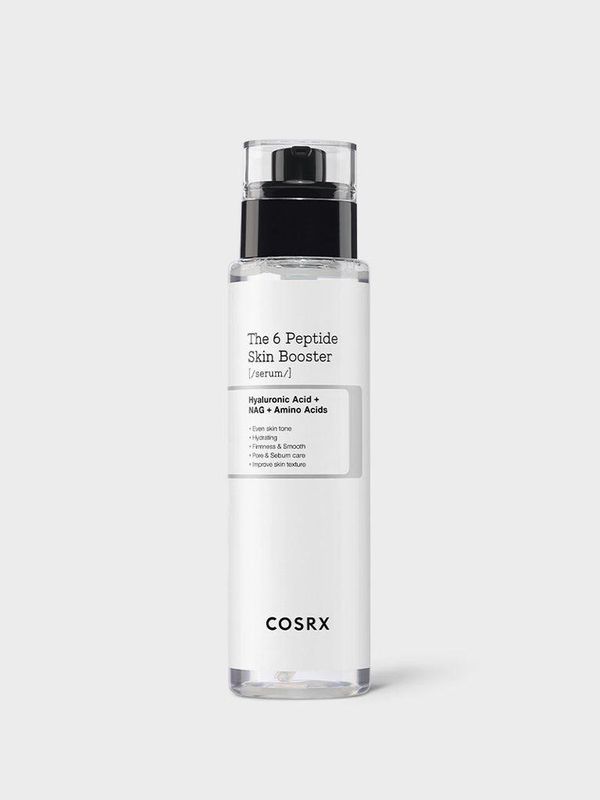
Patch testing is the most-skipped step in skincare, and the one with the highest payoff for the smallest amount of effort. Twenty seconds and a small swipe of product on the right spot can save weeks of inflammation, peeling, hyperpigmentation, or worse from the wrong product applied broadly to the face. The reason most people skip it is that the wellness internet rarely talks about it — there is nothing visually exciting about a 0.5 inch dab of product behind your ear for a few days.
Here is the right way to patch test new skincare, why it actually matters, and a few situations where the standard advice falls short.
Why It Matters
Skin reactions to new products fall into a few categories: irritant contact dermatitis (chemical irritation, no immune component), allergic contact dermatitis (true allergy, immune-mediated), photodermatitis (reaction triggered by light), and acne or comedonal reactions (clogging that surfaces 1-3 weeks after introduction). The first three can produce visible reactions within minutes to days. The fourth often takes longer to surface and is harder to attribute to a single product.
Patch testing reduces the risk of all four by giving you a small, controlled exposure window before you commit a product to your full face routine. Twenty-four to seventy-two hours of testing is enough to surface most contact dermatitis reactions; one to two weeks is needed to evaluate breakout potential.
The Standard Method
The technique most dermatologists recommend, in order:
Step 1: Pick the right test site. Behind the ear, along the jawline, or on the inner forearm. The skin in these areas is similar enough to facial skin to give a representative reaction without being immediately visible if a reaction occurs. Avoid the cheek and other front-facing areas during testing.
Step 2: Apply a small amount. Roughly the size of a pencil eraser. Enough to cover a quarter-sized area of skin in a thin layer. Massive applications increase the risk of false positive reactions.
Step 3: Repeat once daily for 3-7 days. A single application is rarely enough to surface a reaction. Daily application for at least three days, ideally a week, gives a more reliable read.
Step 4: Watch for reactions. Redness, itching, burning, swelling, peeling, or small bumps in the test area indicate a problem. Mild slight redness that resolves within an hour is usually irritation rather than allergy and may settle with continued use, but it is a signal to introduce slowly.
Step 5: Wait at least 24 hours after the last application. Some allergic reactions surface a day or two after exposure. Going straight from successful patch test to full-face application risks missing a delayed reaction.
When the Standard Method Falls Short
The behind-the-ear technique is reliable for most products but does not catch every issue. A few specific situations where you need to adjust:
Sunscreens. Need to be tested under sun exposure, not just on the patch site indoors. Reactions to certain UV filters happen specifically when activated by light. After a successful initial 3-day patch test, do a partial-face application (one cheek only) before a full sunny day to confirm photo-tolerance.
Strong actives. Retinoids, glycolic acid above 5%, salicylic acid above 1% — even if the patch site shows no reaction, introduce on the full face slowly. Twice weekly for the first two weeks, then build up. The face is meaningfully more reactive than the inner forearm.
Eye area products. The skin around the eyes is thinner and more sensitive than anywhere else on the face. Patch test on the orbital area itself by applying a small amount to the outer corner of the eye for several nights before full use. A reaction on the inner forearm does not predict eye-area tolerance.
Products that contain multiple actives. A "10-in-1" serum with niacinamide, vitamin C, peptides, and several botanicals could cause a reaction to any one of those ingredients, and a patch test will not tell you which. If a reaction occurs, you may need to avoid the entire formula or work with a dermatologist to identify the trigger.
Comedonal sensitivity. A 7-day patch test will not catch breakout potential, which often shows up at week 2-3. For products you are testing for acne tolerability, plan to introduce slowly and watch for new bumps in the test areas of your face for at least 4 weeks before committing.
Skipping Patch Tests Is Sometimes Reasonable
A patch test on every single new product is a counsel of perfection that very few people follow. Here are the situations where I think skipping is a reasonable risk:
Products from a brand whose other formulas you tolerate. If you have used three CeraVe products without issue, a fourth CeraVe product is statistically unlikely to surprise you. Reduced risk justifies reduced testing.
Products with very simple ingredient lists you have used many times. A new bottle of plain petroleum jelly does not need a patch test.
Inactive supporting products. A new face cloth, a new pillowcase, a new bottle of water rinsed off after 30 seconds — these are low-friction enough that the rare reaction can be addressed by stopping use without lasting consequences.
You *are* the dermatologist and you already know your full sensitivity panel. This applies to almost no one, but for the few people who have full patch-tested allergy panels and cross-reference every new ingredient list, skipping the bedside test is informed.
When to Always Patch Test
In the opposite direction, certain situations make patch testing strongly advisable rather than optional:
You have a history of contact dermatitis or eczema.
You are introducing a prescription medication topical for the first time.
You react to fragrances, essential oils, or specific preservatives.
You have rosacea or skin in active flare.
You are about to apply a product around the eye area or to the lip line.
You have just had an in-clinic procedure (laser, peel, microneedling) — wait at least 7 days before introducing any new product.
Common Mistakes
Patch testing on the inside of the elbow only. That site is fine but does not always reflect facial reactivity. Behind the ear is closer to facial skin in oil content and thickness.
Calling it a patch test after one application. Most allergic reactions need cumulative exposure to surface. One swipe is not enough.
Applying a thick layer. False positives are common. A thin even smear is enough.
Applying to broken or freshly exfoliated skin. Compromised skin reacts to everything; a reaction there does not necessarily predict reactions on intact skin.
Combining new product with existing routine on test day. If you patch test product A while wearing product B in the same area, you cannot attribute any reaction cleanly. Test in isolation.
Running multiple new products in parallel. Same problem — if you introduce three new products simultaneously and react, you do not know which one is the culprit. One at a time, with at least a week of exposure each.
Final Thoughts
The argument for patch testing is the same as the argument for almost any low-effort risk-reduction habit: the cost of doing it is small, the cost of skipping it when something goes wrong can be large. For most products, twenty seconds of behind-the-ear application for a week saves you from the small but real chance of a multi-week recovery from a bad reaction. For prescription topicals, products with known allergens, or anything you are introducing onto reactive skin, the math is even more in favor.
Medical Disclaimer
This article is for informational purposes and does not replace personalized advice from a board-certified dermatologist or allergist. If you have a history of severe contact reactions or a known allergy, work with a clinician on a comprehensive patch-test panel rather than relying on at-home testing alone.
Affiliate Disclosure
Some links in this article may be affiliate links. If you purchase through them, BeautySift may earn a small commission at no additional cost to you. We only recommend products we have personally tested and would use ourselves. Affiliate revenue does not influence which products we choose to feature.


