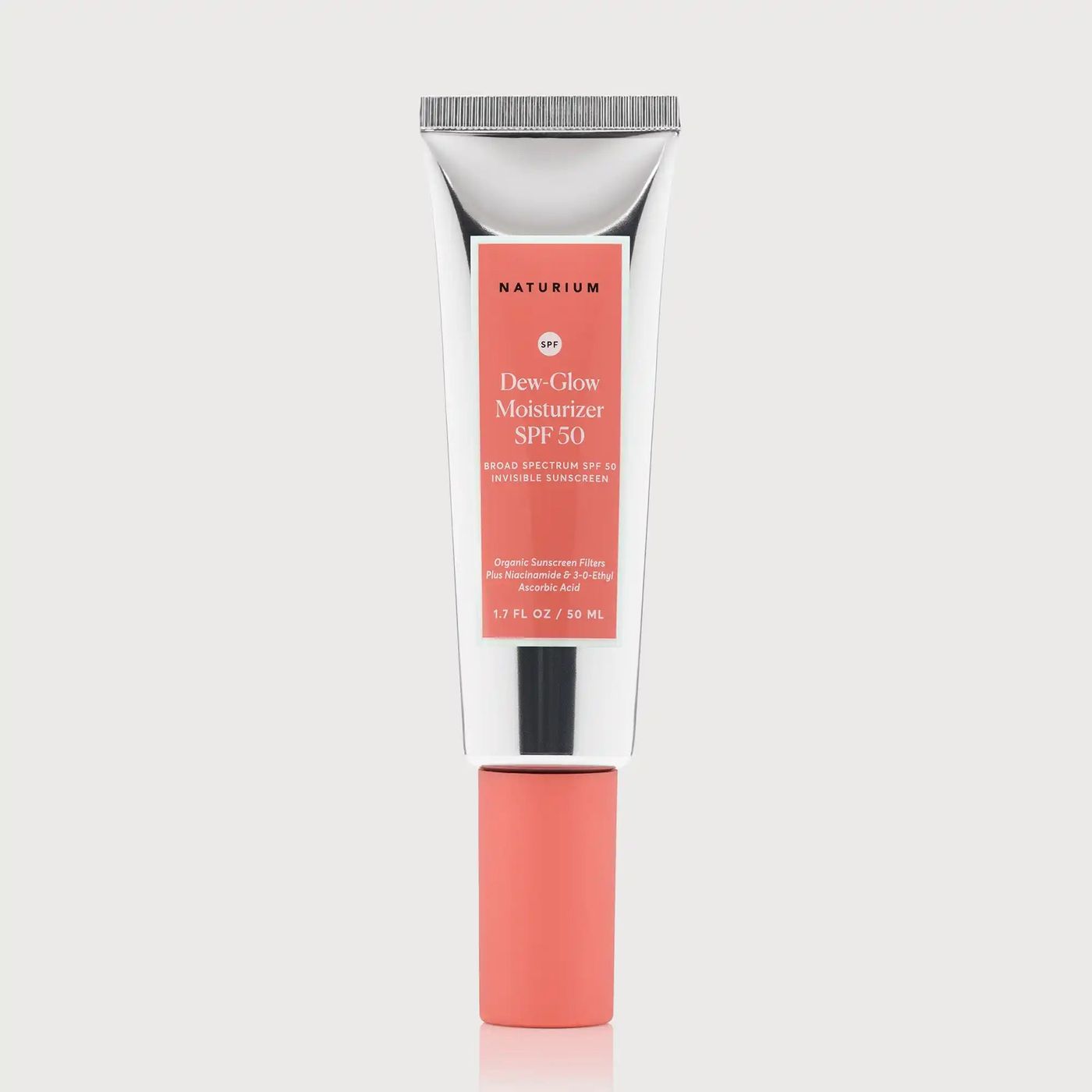
The number-one question I get asked about sunscreen is some version of "should I use mineral or chemical?" — usually after someone has read a Reddit thread or scrolled past three TikToks with strong opinions. The honest answer is that for most people, most of the time, the more important question is "will I actually wear it every day?" Both categories of sunscreen filter prevent UV damage. Both, used correctly, will protect your skin. The right one for you is the one whose texture, finish, and price keep it on your face every morning.
That said, the two categories do behave differently — and there are specific situations where one is meaningfully better than the other. Here is the difference, the trade-offs, and how to choose without overthinking it.
Why This Matters
UV exposure is the single largest cause of premature skin aging and the strongest controllable risk factor for skin cancer. Sunscreen, applied daily, reduces both. The category of filter you use matters less than the consistency of your use, but it matters more than zero — different filter systems have different finishes, different photostability profiles, and different effects on visible light, which is increasingly recognized as a meaningful trigger for hyperpigmentation in deeper skin tones (PMID 40627587).
How Mineral Sunscreens Work
Mineral sunscreens — sometimes called physical or inorganic sunscreens — use zinc oxide and/or titanium dioxide as the active filters. These are mineral particles that sit on the surface of the skin and absorb, scatter, and reflect UV radiation. Both filters are broad-spectrum (UVA and UVB) and zinc oxide in particular protects across the entire UVA range, which is why high-percentage zinc oxide sunscreens have a strong following among dermatologists.
The trade-off mineral filters carry, especially in higher concentrations and on deeper skin tones, is white cast — a visible white or grey film on the skin from the mineral particles. Newer formulas with reduced-particle-size zinc oxide and tinted formulas with iron oxide are much better at this than mineral sunscreens of even five years ago, but the issue is real and worth checking in person if you can (PMID 40857339).
How Chemical Sunscreens Work
Chemical sunscreens — sometimes called organic sunscreens, which is technically more accurate — use carbon-based filters that absorb UV radiation and convert it to a small amount of heat. The list of approved filters varies by country. In the US, common ones include avobenzone, octocrylene, octisalate, octinoxate, homosalate, and oxybenzone. In Europe and Asia, newer filters like Tinosorb S, Tinosorb M, Mexoryl SX, Mexoryl XL, and Uvinul A Plus offer better photostability, broader UVA protection, and lower irritation profiles than the older US filter set.
Chemical filters generally feel lighter on the skin, leave no white cast, and absorb cleanly under makeup. The trade-offs: some chemical filters are photo-unstable on their own (avobenzone, in particular, degrades in sunlight unless paired with a stabilizer like octocrylene), and a small percentage of users are reactive to specific filters. Pregnant or breastfeeding individuals are sometimes advised to avoid oxybenzone specifically.
When Mineral Is the Better Choice
Pregnancy and breastfeeding. Mineral filters are the most studied and consistently recommended option during pregnancy.
Reactive or post-procedure skin. Mineral filters generally have a lower irritation profile than the older US chemical filter set. After a chemical peel, laser, or microneedling, mineral is the safer default for the recovery window.
Rosacea and sensitive skin. Many rosacea patients tolerate mineral filters better than chemical ones, particularly during active flares.
Children under six months. Mineral is the standard recommendation, when sunscreen is needed at all (most pediatric guidelines emphasize sun avoidance and clothing for this age).
Hyperpigmentation and melasma in deeper skin tones. A tinted mineral or hybrid sunscreen with iron oxides offers visible-light protection that pure UV filters do not. This is genuinely useful for melasma and post-inflammatory hyperpigmentation patients (PMID 24313385).
When Chemical Is the Better Choice
Daily wear with makeup. Most modern chemical formulas absorb cleanly and play better under foundation than thicker mineral options.
Higher SPF without thick texture. Reaching SPF 50+ in a pleasant texture is easier with chemical filters than with mineral.
Outdoor activity, sweating, water exposure. Most "sport" or water-resistant sunscreen formulations are chemical, and they tend to wear longer in those conditions.
Deeper skin tones without visible-light concerns. A non-tinted chemical sunscreen leaves no cast on any skin tone.
Adult acne-prone skin. Many gel-style chemical sunscreens are less occlusive than mineral creams. The right pick varies by formula, but the chemical category has more lightweight options.
Common Mistakes
Not using enough. SPF testing assumes 2 mg of product per square centimeter of skin. For the face and neck, that translates to about a quarter teaspoon — meaningfully more than most people apply. If you are using less, you are getting less SPF than the bottle claims.
Skipping reapplication. All sunscreens, mineral or chemical, need reapplication every two hours during sun exposure. Daily indoor wear with limited window exposure does not need the same reapplication discipline, but outdoor activity does.
Believing higher SPF means proportionally more protection. SPF 30 blocks roughly 97% of UVB; SPF 50 blocks 98%. The marginal increase from SPF 50 to SPF 100 is small. Better to wear SPF 30 every day than SPF 100 sometimes.
Confusing "reef-safe" or "clean" with "more protective." These are marketing or environmental claims, not protection claims. A reef-safe mineral sunscreen and a chemical one give comparable UVB and UVA protection if both are broad-spectrum and used at the right amount.
Stacking sunscreen with makeup that has SPF and counting both. SPF does not stack additively. The dominant filter system sets the protection level.
How to Pick
If you are pregnant, post-procedure, or have rosacea or sensitive skin: choose a mineral or tinted mineral formula at SPF 30 or higher.
If you wear makeup daily and want a sunscreen that feels invisible: a chemical or hybrid (mineral + chemical) lightweight formula will probably work better for you.
If you have melasma, post-inflammatory hyperpigmentation, or any skin tone that benefits from visible-light protection: prioritize a tinted formula with iron oxide regardless of whether the UV filters are mineral, chemical, or both (PMID 35854432).
If you are choosing for everyday US-market use without specific concerns: most of the better formulas in 2026 are hybrid — a mineral filter for UVA protection paired with a small amount of a chemical stabilizer. Read the active ingredients list rather than the marketing, and pick the one whose finish you actually like wearing.
Final Tips
Buy two sunscreens and keep them in different rooms. The single biggest improvement most people can make to their daily SPF habit is having a bottle in the bathroom and a bottle on the desk or by the door. The cost of doubling up is low; the cost of not reapplying because the bottle is on another floor of the house is real.
Buy a small quantity of a new sunscreen before committing to a full size. Sunscreens are more sensitive to texture and finish preference than almost any other product category. The one your friend loves may pill on you. The one that gets bad reviews may be perfect for your skin. Patch test, wear it for a week, and only stockpile the ones that actually become the bottle you reach for.
Medical Disclaimer
This article is for informational purposes and does not replace personalized advice from a board-certified dermatologist. If you have a known sensitivity to any sunscreen filter, work with a clinician on patch-tested options. People at high risk of skin cancer should follow their dermatologist's specific recommendations regardless of which filter category they prefer.
Affiliate Disclosure
Some links in this article may be affiliate links. If you purchase through them, BeautySift may earn a small commission at no additional cost to you. We only recommend products we have personally tested and would use ourselves. Affiliate revenue does not influence which products we choose to feature.


