Oily skin gets treated as a problem to solve. The skincare industry sells matte finishes, oil-control sunscreens, blotting papers, and pore-minimizing products on the assumption that oil itself is the issue. The truth is more nuanced — sebum is a normal and protective component of healthy skin, and the goal of oily-skin skincare is rarely "less oil" so much as "less imbalance, less congestion, and less midday shine." When people aim for "no oil at all," they tend to overshoot into a stripped, irritated, paradoxically more reactive skin state. The right approach manages excess sebum without degrading the barrier in the process.
This is what is going on under oily skin, what the published evidence supports as treatment, and how to manage it without the scorched-earth tactics that often make things worse.
What Causes Oily Skin
Sebum is the oily secretion of the sebaceous glands attached to most hair follicles on the body. The face, scalp, chest, and upper back have higher densities of these glands, which is why those areas show oily skin and acne more than, say, the forearms (PMID 28979664).
The dominant drivers of how much sebum a particular person produces:
Genetics. The single biggest factor. Some people are simply born with more active sebaceous glands.
Androgens. Testosterone and its metabolites stimulate sebaceous gland activity. Hormonal events that raise androgens — adolescence, the luteal phase of the menstrual cycle, polycystic ovary syndrome, certain medications — predictably increase oil production.
Climate and humidity. Warm, humid weather increases sebum output. Oily skin in summer is partly a real climate response, not a routine failure.
Diet (modestly). High-glycemic-load diets and dairy in some individuals correlate with increased sebum and acne in observational data. The effect is smaller than the wellness internet suggests.
Skincare choices. Stripping cleansers and over-exfoliation can paradoxically increase sebum production over time — the skin reacts to barrier disruption by producing more oil to compensate.
What Helps
The treatments with the strongest published evidence for oily skin focus on regulating sebum production, normalizing follicular keratinization, and reducing the inflammation that often accompanies oily, acne-prone skin (PMID 38725769).
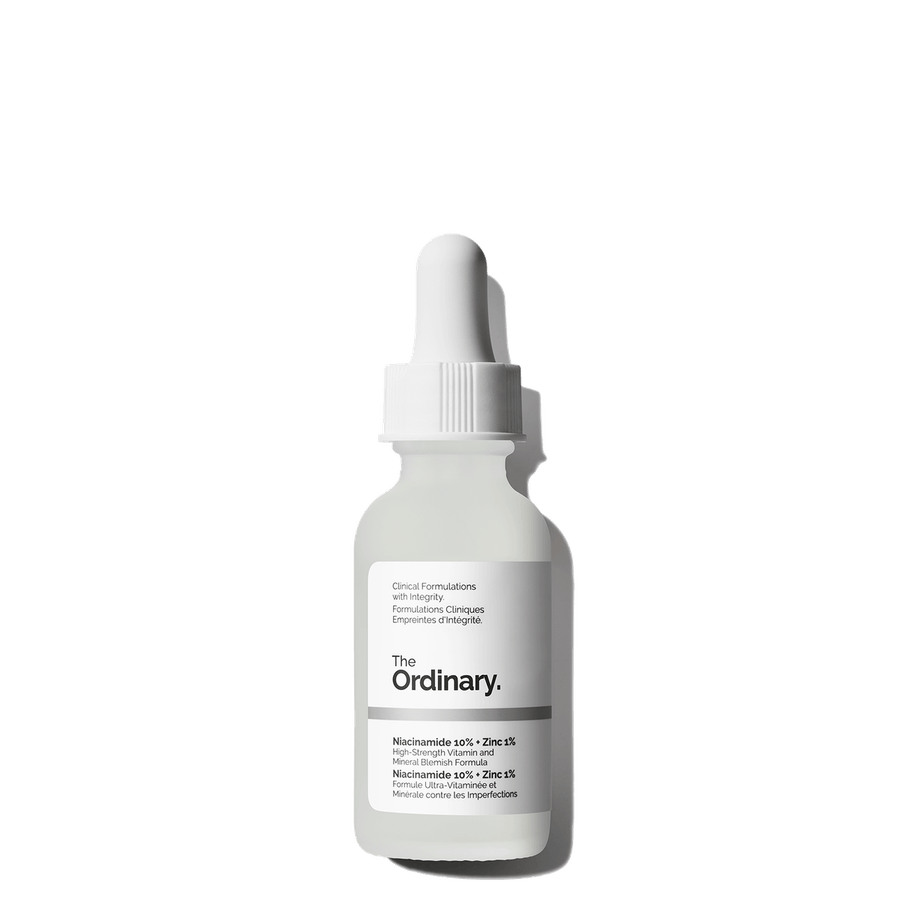
Topical niacinamide at 2-5% has the most consistent evidence for sebum reduction in over-the-counter ingredients. A 2006 Draelos study showed measurable reduction in facial sebum output after 4 weeks of 2% niacinamide use (PMID 16766489). It is also anti-inflammatory and well-tolerated, which makes it a reasonable foundation ingredient for oily-skin routines.
Salicylic acid (BHA) at 0.5-2% is oil-soluble and penetrates the sebum-rich follicle interior, where it loosens the keratin plugs that drive blackheads and closed comedones. For congested, oily skin, it is one of the most useful actives. Daily use of a leave-on BHA toner is a reasonable starting point.
Topical retinoids — adapalene 0.1% (Differin), tretinoin (prescription), or over-the-counter retinol — normalize follicular keratinization at a deeper level than BHA. Long-term use measurably reduces both blackheads and active inflammatory acne in oily skin. They take 8-12 weeks to show full effect.
Zinc PCA / zinc gluconate (1-2%) has modest sebum-regulating effects and is often paired with niacinamide for synergistic effect.
Clay-based masks (kaolin, bentonite) absorb surface oil temporarily. They are a useful occasional adjunct, not a routine fix.
Oral medications — spironolactone (anti-androgen), oral contraceptives with anti-androgenic effects, low-dose isotretinoin in severe cases — provide more durable sebum reduction than topicals when oral interventions are appropriate. Prescription-only and require dermatology supervision.
What Hurts
The mistakes that worsen oily skin are predictable and common:
Aggressive cleansing. Foaming sulfate cleansers, washcloth scrubbing, and twice-daily astringent toners damage the barrier. The skin's compensatory response is to produce more oil. The "squeaky clean" feeling is often the start of a cycle that ends in oilier, more reactive skin.
Skipping moisturizer. A common mistake in oily skin routines. Skipping moisturizer does not reduce sebum production — it disrupts the barrier, which over time can increase oil output. A lightweight, non-comedogenic moisturizer is appropriate even for very oily skin.
Stacking multiple actives. Salicylic cleanser plus salicylic toner plus salicylic spot treatment plus retinol is a recipe for irritation. Pick two or three actives and rotate.
Mattifying primers and powders without addressing the underlying skin. Matte finishes are cosmetic. They do not improve the skin. A simple actives routine over months will do more than years of mattifying makeup.
Alcohol-based toners. Denatured alcohol high in the ingredient list dries the skin temporarily and triggers compensatory oil production. The category is a hangover from older cosmetic chemistry; modern oily-skin formulations do not need it.
Picking, squeezing, and DIY extractions. Particularly damaging on oily, acne-prone skin where post-inflammatory hyperpigmentation is more likely.
A Sensible Oily-Skin Routine
Morning: Gentle non-foaming or low-foaming cleanser (water-only is also fine on most mornings), niacinamide serum, lightweight non-comedogenic moisturizer, broad-spectrum sunscreen.
Evening: Same gentle cleanser, BHA toner (2-3 nights a week to start, building up to nightly if tolerated), retinoid on alternate nights, lightweight moisturizer.
Weekly: A clay-based mask one or two times a week is fine. Anything more aggressive than that runs into the over-treatment risks.
Sunscreen: Look for "non-comedogenic" labeling and gel or fluid textures rather than thick creams. Lightweight chemical or hybrid sunscreens often suit oily skin better than heavy mineral creams.
Common Mistakes to Watch For
Confusing oily skin with dehydrated skin. Skin can be both — producing excess surface oil while lacking water in the upper layers. Dehydrated oily skin needs hydration alongside oil control, not stripping.
Going prescription too quickly. A consistent over-the-counter routine for 12 weeks is a reasonable starting point before pursuing prescription topicals or systemic treatments.
Buying every "pore minimizing" product on the market. Pore size is largely genetic. Sebum management can reduce visibility, but pore-minimizing as a goal is mostly marketing.
Stopping treatment when skin looks better. Oily skin is a baseline characteristic, not a curable condition. Routines need to continue, not be abandoned.
Final Thoughts
Oily skin is one of the most reachable concerns in dermatology. The evidence-based interventions are widely available, affordable, and produce visible improvement within 8-12 weeks of consistent use. The trap is the impulse to do too much too fast. A simple routine with two or three well-chosen actives, applied steadily, will move the skin further than any combination of mattifying products, aggressive cleansers, or DIY interventions. Aim for balanced and comfortable rather than bone-dry.
Medical Disclaimer
This article is for informational purposes and does not replace personalized advice from a board-certified dermatologist. Severe acne, scarring, or oil production that does not respond to a 12-week consistent routine warrants in-person evaluation. Hormonal causes of excess sebum may need oral medication and systemic workup.
Affiliate Disclosure
Some links in this article may be affiliate links. If you purchase through them, BeautySift may earn a small commission at no additional cost to you. We only recommend products we have personally tested and would use ourselves. Affiliate revenue does not influence which products we choose to feature.


