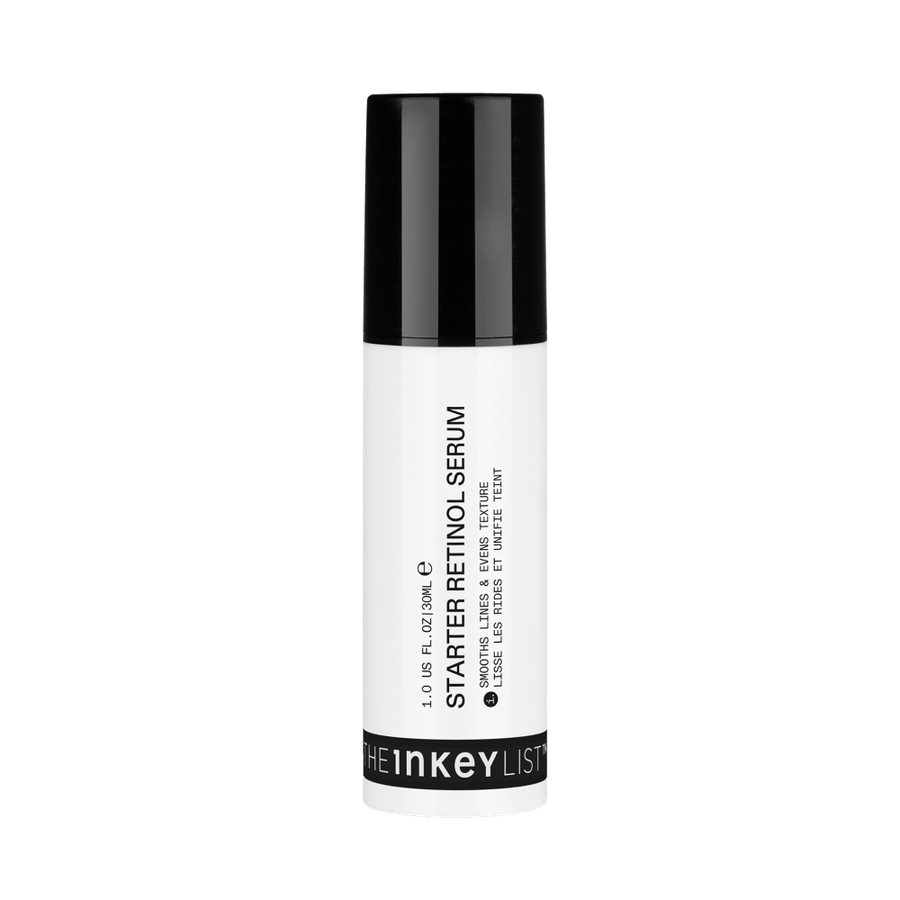
TL;DR: Retinol can help with texture, fine lines, and some acne, but it is slower and touchier than marketing usually suggests. I think of it as a long-game ingredient: useful, evidence-backed, and very easy to overdo if your barrier is already struggling.
I wanted this article to be practical because retinol gets sold with two bad extremes. One is magic. The other is panic. In real life, it is neither. Retinol is a vitamin A derivative that needs conversion steps in the skin before it becomes retinoic acid, which is the form that actually binds to retinoid receptors. That helps explain why over-the-counter retinol can be useful without behaving exactly like prescription tretinoin. It also helps explain why results take time.
What I notice most with retinol is not instant transformation. It is the trade-off pattern. Skin can look smoother, less rough, and a little more even over time, but the early phase often comes with dryness, tightness, flaking around the mouth, or that strange feeling where your skin looks calmer in one spot and more fragile in another. That does not mean retinol is bad. It means the ingredient is active, and the routine around it matters.
What Retinol Actually Does
In plain English, retinol helps speed up skin-cell turnover and supports changes in the skin that can improve the look of rough texture, fine lines, and some clogged pores over time. The strongest evidence base in photoaging still belongs to prescription retinoids, but topical retinoid literature also supports the broader idea that vitamin A derivatives can improve visible signs of aging when used consistently. Recent reviews on cosmetic retinoids and photoaging make that case without pretending all retinoids are interchangeable (PMID: 39128883; PMID: 39348007).
For acne-prone skin, retinoid-family ingredients are useful because they help normalize the way pores shed dead skin cells. That makes them more about prevention and maintenance than overnight spot treatment. If you are expecting a single retinol serum to flatten every inflamed breakout quickly, that is usually the wrong expectation. If you want fewer clogged bumps, smoother texture, and better long-term routine support, the ingredient makes more sense.
What retinol does not do is behave like a universal solution. It will not replace sunscreen. It will not treat hormonal acne by itself. It will not erase deep wrinkles. And if your skin is already inflamed from over-cleansing, harsh acids, or too many active steps, retinol often makes that situation louder.
Who Usually Benefits Most
The people who tend to do best with retinol are not necessarily the ones using the highest strength. They are usually the ones who can stay consistent for months.
You may be a good candidate if:
- your main concerns are rough texture, early fine lines, or post-acne unevenness
- you get clogged pores more than angry, cystic acne
- your routine is otherwise simple and barrier-supportive
- you are willing to start slower than the packaging suggests
You may struggle more if:
- your skin is already stinging from other actives
- you are layering exfoliating acids every night
- you want immediate visible payoff within a week or two
- you are not consistent with sunscreen
That last point matters. Retinoids and daily sun protection belong together. Not because retinol is some dramatic forbidden ingredient, but because treating texture and discoloration while skipping sunscreen is an inefficient loop.
What It Cannot Do
I think this is where retinol content usually gets sloppy. Once an ingredient has decent evidence, brands start treating it like it can do everything. It cannot.
Retinol cannot reliably substitute for prescription acne care when breakouts are moderate to severe. It cannot rebuild a damaged barrier overnight. It cannot remove deep pitted acne scarring. It cannot outwork chronic irritation from an overcomplicated routine. It also cannot make weak moisturizing formulas feel comfortable if the base formula is too drying for you.
It is also worth saying that stronger is not always better. A retinol product that you can use two to four times a week for months will usually do more for your skin than a stronger product that leaves you flaky, red, and inconsistent.
Why So Many People Get Irritated
Most retinol irritation is not mysterious. It usually comes from dose, frequency, or poor pairing.
I see four common mistakes.
First, starting nightly from day one. That sounds disciplined, but for a lot of skin types it is just aggressive.
Second, stacking retinol with exfoliating acids, benzoyl peroxide, or scrubby cleansers in the same routine before you know your tolerance.
Third, using too much. A pea-sized amount for the whole face is still the standard advice for a reason.
Fourth, applying it onto damp, freshly exfoliated, or already irritated skin and then wondering why it burns.
The main downside is feel. Early retinol use can make skin feel tighter, warmer, and more fragile even before you see visible peeling. Not dramatic. Just less resilient.
How I Would Introduce Retinol Without Making a Mess
If I were building a beginner retinol routine, I would keep it boring.
Night routine:
- gentle cleanser
- plain moisturizer
- pea-sized retinol on dry skin, two nights a week to start
- another layer of moisturizer if needed
Some people prefer the moisturizer-retinol-moisturizer sandwich. That can help if your skin is easily irritated, though it may also slow the feeling of progress a bit. I do not think that is a problem. Slower is fine if it keeps you consistent.
Give the routine at least two to four weeks before deciding whether frequency should increase. If you are peeling, stinging, or suddenly reacting to products that used to feel fine, that is not the moment to push harder. That is the moment to back off.
A practical rule I like: if your skin feels warm, shiny, and tight instead of just smooth, you are probably doing too much.
What To Pair With It
Retinol usually pairs best with plain, low-drama support products.
Helpful pairings:
- bland moisturizers with humectants, ceramides, or cholesterol
- gentle non-stripping cleansers
- daily sunscreen
- calming routines with fewer competing actives
Pairings that often need more caution:
- leave-on AHAs or BHAs in the same night routine
- strong benzoyl peroxide formulas
- fragranced exfoliating pads
- multiple new actives launched at once
This does not mean retinol can never coexist with other actives. It means you should earn that complexity rather than starting there.
How Long Results Usually Take
This is where expectations matter most. Cosmetic retinol is usually measured in months, not days.
In the first two weeks, the most obvious changes may be dryness, slight flaking, or smoother skin in small patches. By the one- to two-month mark, some people notice better texture and a little more evenness. Fine-line changes, when they happen, tend to be gradual and modest rather than dramatic. Reviews of cosmetic retinoids and photoaging support that general long-game view better than the usual before-and-after marketing does (PMID: 39128883; PMID: 39348007).
I would not say retinol transforms everyone. I would say it rewards patience better than impatience.
Who Should Be More Careful
Be cautious if you have very reactive skin, active eczema, a damaged barrier, or a routine already full of acids. If you are pregnant or trying to follow medical guidance specific to pregnancy, this is a discussion to have with your clinician rather than a beauty article.
Also, not every rough patch means purge. Sometimes irritation is just irritation. If breakouts, burning, or redness are getting worse rather than settling, that is useful information.
The Boring But Honest Bottom Line
Retinol is worth considering because the logic is real and the evidence base is stronger than it is for a lot of trendy actives. But it only works well inside a routine that respects your skin barrier.
If you want a dramatic overnight ingredient, this is not it. If you want a steady, evidence-backed ingredient that may help texture, early signs of aging, and some acne over time, it makes sense. The catch is that you have to tolerate it well enough to keep using it.
It works, but it is not effortless.
Sources
- Cosmetic retinoid use in photoaged skin: A review of the compounds, their use and mechanisms of action. PMID: 39128883.
- Comparing Tretinoin to Other Topical Therapies in the Treatment of Skin Photoaging: A Systematic Review. PMID: 39348007.
- Management of Acne Vulgaris: A Review. PMID: 34812859.


