For ten years I thought I had sensitive skin that flushed easily. The dermatologist who finally took a careful look at my cheeks at age twenty-nine corrected me — what I had was mild rosacea, and the things I had been doing in pursuit of "calming" my skin had been keeping it inflamed. The retinol night cream I was using to "fix" my texture was a trigger. The exfoliating wipes I reached for after a workout were a trigger. The vitamin C I had layered every morning, hopeful and optimistic, was a trigger. Pulling those out and adding two boring topicals brought my flushing down within two months.
Rosacea is one of the most misdiagnosed skin conditions I see and one of the most rewarding to treat correctly. The catch is that the treatment plan looks almost nothing like what the typical "sensitive skin" influencer recommends.
What Is Rosacea?
Rosacea is a chronic inflammatory skin condition primarily affecting the central face — cheeks, nose, chin, forehead. It is most common in adults of Northern European descent in their 30s through 50s, though anyone can develop it. The classification framework most dermatologists now use describes rosacea by phenotype rather than by older "subtype" labels, which means the condition is described by what is actually present on a given person's skin rather than fit into rigid boxes (PMID 33759078).
The phenotypes you might recognize:
Persistent erythema — sustained redness on the central face that does not fully fade.
Flushing — episodes of intense, sometimes burning redness triggered by heat, alcohol, spicy food, stress, or temperature changes.
Inflammatory papules and pustules — small red bumps that look acne-like but lack comedones (no whiteheads or blackheads). The chin and central cheeks are the typical locations.
Telangiectasia — visible small blood vessels on the cheeks and nose, more permanent than the flushing redness.
Phymatous changes — skin thickening, most often on the nose. Less common, more common in men.
Ocular involvement — burning, dryness, or grittiness in the eyes, sometimes the first symptom in people with otherwise mild facial rosacea. Often missed.
What Triggers It
The current understanding is that rosacea involves an overactive immune response in the skin combined with neurovascular dysregulation — the blood vessels of the central face dilate too readily and the skin's innate immune system is set to a higher level of reactivity than normal (PMID 35104917). The Demodex mite, a microorganism that lives on everyone's skin, is found in higher densities in rosacea-prone skin and may contribute to the inflammation.
The most-reported personal triggers from large patient surveys: sun exposure, emotional stress, hot weather, alcohol (especially red wine), spicy food, hot beverages, exercise, and certain skincare products. Trigger response is highly individual — one person's wine is another person's coffee. A trigger diary kept for two to three weeks usually identifies the patterns that matter most.

Treatments That Help
Rosacea treatment is one of the few areas of dermatology where prescription topicals consistently outperform over-the-counter alternatives. The 2021 update on rosacea classification and treatment lays out the evidence-based options (PMID 33759078).
Topical metronidazole at 0.75% or 1% is one of the most-prescribed first-line treatments and has the longest evidence track record. It is anti-inflammatory rather than antimicrobial in this use case. Twice-daily application for 8-12 weeks reduces both the redness and the inflammatory bumps.
Topical ivermectin at 1% (Soolantra) targets Demodex mites and the inflammation associated with their presence. For people with the inflammatory papule phenotype, it is one of the more effective treatments available — many patients see meaningful improvement within 8-12 weeks. Once-nightly application is enough.
Topical azelaic acid at 15% is a useful option for inflammatory rosacea and pairs well with metronidazole or ivermectin in patients who can tolerate it. It works through anti-inflammatory and barrier-supporting mechanisms and is one of the few topicals safe in pregnancy.
Topical brimonidine (0.33%) and oxymetazoline (1%) are alpha-adrenergic agonists that constrict the dilated blood vessels of the face. They are useful for the persistent erythema phenotype — the steady background redness — but they treat the appearance, not the underlying inflammation. Some patients experience rebound flushing after the medication wears off.
Oral doxycycline at sub-antimicrobial doses (40 mg modified-release) is the oral first-line option for moderate to severe inflammatory rosacea. The low dose works through anti-inflammatory effects rather than antibiotic effects, which means it does not promote bacterial resistance the way higher antibiotic doses do.
Vascular laser and IPL treatments are the gold standard for visible telangiectasia and persistent redness that does not respond to topicals. They are not cheap, but for the right patient they shift the baseline of the skin in ways topicals cannot.
What to Avoid
The skincare mistakes that worsen rosacea are predictable and common.
Strong actives. Retinol, glycolic acid, lactic acid at over-the-counter strength, and high-percentage vitamin C all have a higher rosacea-trigger rate than gentler alternatives. If you want the benefits of a retinoid, prescription azelaic acid or low-dose tretinoin under supervision is more rosacea-tolerant than OTC retinol.
Fragranced products and essential oils. A meaningful percentage of rosacea patients react to common fragrance compounds and to lavender, peppermint, eucalyptus, and citrus oils. Fragrance-free is the safer baseline.
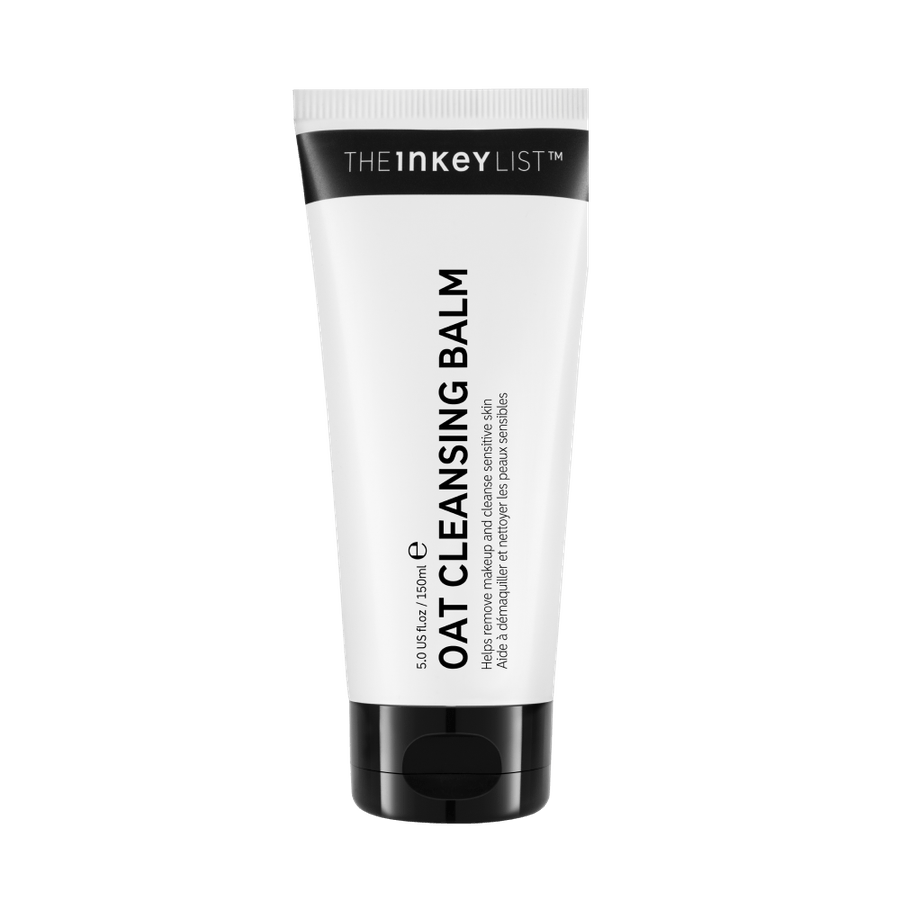
Aggressive cleansing. Hot water, washcloth scrubbing, and foaming sulfate cleansers all degrade the already-fragile rosacea barrier. A gentle non-foaming cleanser used with lukewarm water and a soft pat-dry is the right approach.
Over-exfoliating. Physical scrubs and chemical exfoliants used more than weekly tend to worsen rosacea. Many patients do best with no scrubbing exfoliation at all.
A Sensible Rosacea Routine
Morning: Gentle non-foaming cleanser, prescription topical (if prescribed), barrier-supportive moisturizer, broad-spectrum mineral SPF 30 or higher. Mineral sunscreens with iron oxides also block visible light, which is increasingly recognized as a rosacea trigger.
Evening: Same gentle cleanser, prescription topical if prescribed for nighttime use, fragrance-free moisturizer. Avoid layering additional actives unless your dermatologist has approved a specific stack.
The trigger diary: Three weeks. Note flushing episodes, what you ate, what the weather was like, what you applied. Patterns will emerge.

The practical goal is not perfect redness control every day. It is fewer surprise flares, less burning, and a routine that stays boring enough for your skin to trust.
Final Thoughts
Rosacea is a chronic condition. There is no cure in the sense of "do this one thing and the redness goes away forever," and anyone selling that is wrong. There is, however, a path to a calm baseline and infrequent flares — and the path runs through a dermatologist's office, gentle skincare, and a willingness to identify and respect personal triggers. If you have been chasing "sensitive skin" advice for years without lasting improvement, rosacea is worth ruling in or out with a clinician.
Medical Disclaimer
This article is for informational purposes and does not replace personalized advice from a board-certified dermatologist. Rosacea has overlapping presentations with other inflammatory dermatoses including seborrheic dermatitis, perioral dermatitis, and lupus, which can require different treatment. Diagnosis benefits from in-person evaluation.
Affiliate Disclosure
Some links in this article may be affiliate links. If you purchase through them, BeautySift may earn a small commission at no additional cost to you. We only recommend products we have personally tested and would use ourselves. Affiliate revenue does not influence which products we choose to feature.


