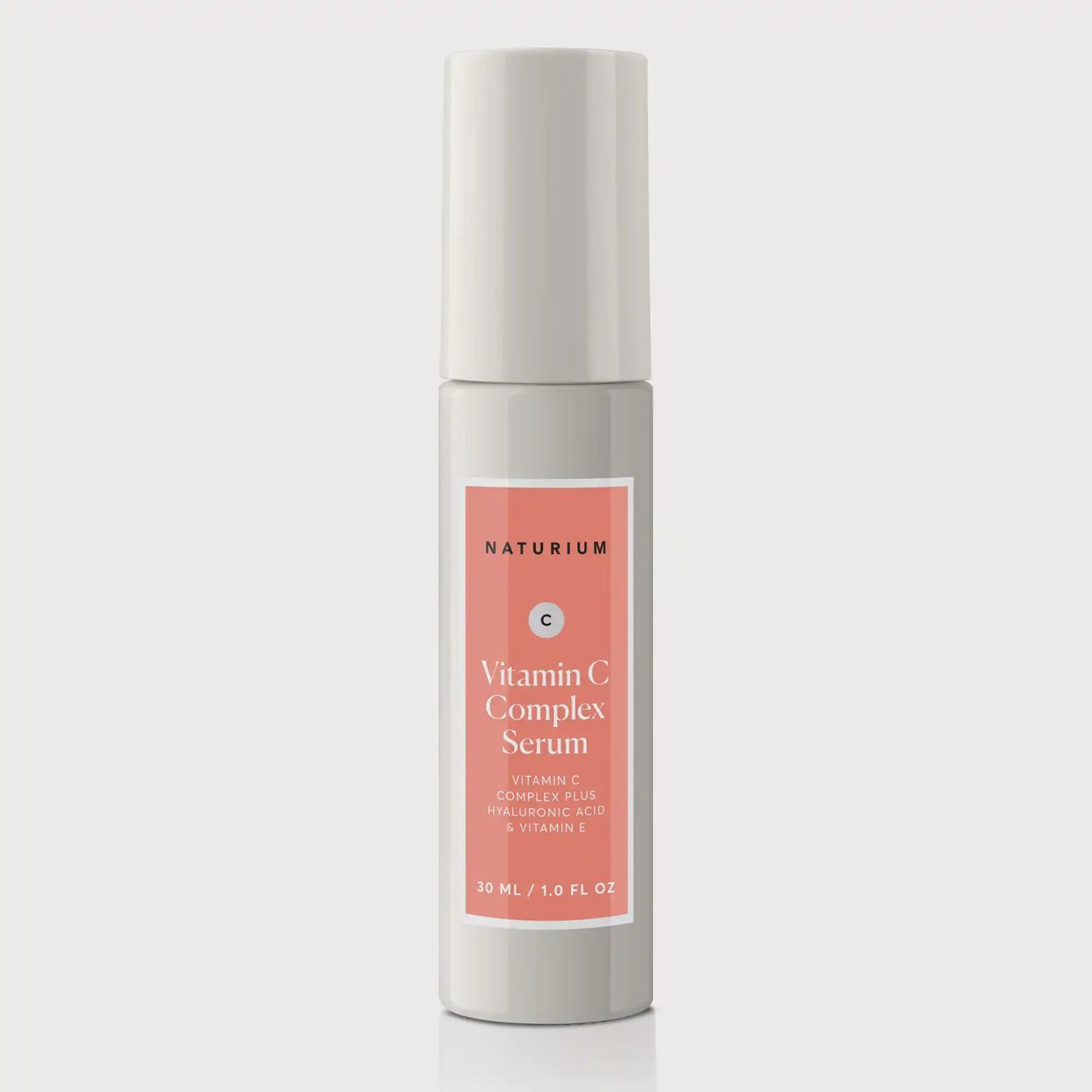
Vitamin C is the most marketed and most misunderstood active in skincare. Brands sell it as a brightener, an anti-aging serum, a glow-giver, a melasma treatment, and a wrinkle smoother — sometimes all on the same bottle. The published evidence supports some of those claims more than others, and the form of vitamin C in the formula matters as much as the percentage on the label. After years of testing different vitamin C serums and reading the dermatology literature, I have come to think of vitamin C as a useful but slow morning antioxidant — not a transformative anti-aging breakthrough.
This is what topical vitamin C actually does, what to look for on the label, and where its limits are.
What Vitamin C Does in the Skin
Vitamin C, also called ascorbic acid, plays several distinct roles when applied topically (PMID 28805671). The most consistently supported across the literature:
Antioxidant action. Vitamin C neutralizes reactive oxygen species generated by UV exposure, pollution, and normal cellular metabolism. This is the role with the most peer-reviewed support and the easiest one to confirm in clinical models.
Photoprotection enhancement. Topical vitamin C does not replace sunscreen, but it does provide additional protection against UV-induced damage when paired with sunscreen, particularly in formulations that also include vitamin E and ferulic acid (PMID 12823436).
Inhibition of melanin synthesis. Vitamin C interferes with the enzyme tyrosinase, which is involved in melanin production. This is the mechanism behind its use for hyperpigmentation and post-inflammatory dark spots, and it is supported by multiple trials in melasma populations (PMID 37128827).
Collagen synthesis support. Vitamin C is a required cofactor for the enzymes that crosslink collagen. This is the basis of the "anti-aging" claim, but the effect of topical vitamin C on visible wrinkle reduction in clinical trials is modest — visible improvement is usually marginal compared to retinoids over the same timeframe (PMID 29104718).
The Different Forms of Vitamin C
Not all "vitamin C" on a label is the same molecule. The different forms vary in stability, skin penetration, irritation potential, and efficacy.
L-ascorbic acid is the gold standard form — the version with the most clinical evidence and the strongest effects. It also has the most tolerability issues. L-ascorbic acid is unstable in water, oxidizes quickly when exposed to air, and is most effective at low pH (under 3.5), which can be irritating to sensitive skin. Look for it at 10-20% in opaque, airless packaging.
Ascorbyl tetraisopalmitate (THDA, sometimes labeled "tetrahexyldecyl ascorbate") is a lipid-soluble vitamin C derivative with much better stability than L-ascorbic acid. The trade-off is that it requires conversion in the skin, which reduces effective bioavailability. It is well-tolerated and useful at 3-10%.
Magnesium ascorbyl phosphate (MAP) is a water-soluble derivative that is significantly more stable than L-ascorbic acid and effective at higher pH (which is gentler). It has reasonable evidence for melanin inhibition and is a good middle-ground choice. Look for it at 5-10%.
Sodium ascorbyl phosphate (SAP) is similar to MAP — stable, gentle, less irritating than L-ascorbic acid. Useful at 5-10%.
3-O-ethyl ascorbic acid is a newer derivative with growing but still developing evidence. It is stable and has shown good results in some studies. Look for it at 1-5%.
Ascorbyl glucoside, ascorbyl palmitate are weaker forms with less consistent evidence behind them. They can still produce some benefit but at lower magnitude than the forms above.
Picking a Vitamin C Serum
A good vitamin C serum has three things: a meaningful concentration, the right delivery system, and stable packaging. The marketing on the front of the bottle does not reliably indicate any of these — read the ingredient list and the packaging.
Concentration. L-ascorbic acid: 10-20%. Derivative forms: 3-10% depending on the specific molecule. Below these ranges, the effect is small.
Supporting ingredients. Vitamin E (tocopherol) and ferulic acid both stabilize vitamin C and add their own antioxidant benefit. The classic SkinCeuticals C E Ferulic combination is the reference for this approach. Niacinamide pairs well with vitamin C derivatives but shows minor color changes when combined with high-percentage L-ascorbic acid (no clinical impact, just a cosmetic note).
pH. L-ascorbic acid serums need to be at pH under 3.5 to work effectively. Most reputable brands hit this; budget formulations sometimes do not.
Packaging. Vitamin C oxidizes in light and air. Look for opaque bottles, airless pumps, or amber glass. A clear glass bottle with a dropper top is a red flag for L-ascorbic acid stability.
Color. Fresh L-ascorbic acid serum is colorless to pale yellow. As it oxidizes, it turns orange, then dark amber, then brown. Brown serum is oxidized and no longer effective — discard it.
How to Use Vitamin C in a Routine
Morning application is the standard recommendation, paired with sunscreen. The combination provides better daytime antioxidant protection than sunscreen alone.
Order: After cleansing and any toner, before moisturizer. Apply 2-4 drops to dry skin and let absorb for 30-60 seconds.
Frequency: Daily for L-ascorbic acid that you tolerate; every other day if introducing a new percentage. Derivatives at lower percentages are usually fine daily from the start.
Pairing: Compatible with most other ingredients. Niacinamide is fine despite older internet claims to the contrary. Avoid layering with high-strength glycolic or lactic acid in the same routine — both are low-pH and can stack to over-irritation. Skip on retinoid mornings if you are using both AM and PM actives.
Sunscreen: Always. Vitamin C does not replace sunscreen — it complements it.
Common Mistakes
Buying a clear bottle of L-ascorbic acid. It will oxidize within weeks of opening regardless of how good the formula was originally.
Expecting transformative anti-aging results. Vitamin C is a steady supporting actor. Retinoids do the heavy lifting for visible wrinkle reduction.
Throwing out a serum that smells "off" but looks fine. Some L-ascorbic acid serums have a slightly tangy smell that is normal at low pH. Color is the better stability indicator than smell.
Stockpiling unopened bottles for years. Even unopened, vitamin C serums degrade gradually. Buy what you will use within six months.
Conflating "vitamin C in the formula" with "vitamin C as the headline active." A moisturizer that lists ascorbyl glucoside as the eighteenth ingredient is not a vitamin C product. Look for it in the first half of the ingredient list.
Final Thoughts
Topical vitamin C is one of the better-supported "everyday active" ingredients in modern skincare. It works modestly across multiple useful endpoints — antioxidant protection, gradual brightening, support for collagen integrity. It is also one of the easiest categories to overpay for and the easiest to choose poorly within. Match the form to your tolerance, pick stable packaging, use it consistently for at least 12 weeks, and it will quietly add to the work the rest of your routine is doing. Just do not expect it to replace any of the more mechanistically powerful interventions — sunscreen, retinoids, and consistency with the boring basics still do most of the heavy lifting.
Medical Disclaimer
This article is for informational purposes and does not replace personalized advice from a board-certified dermatologist. If you have a known sensitivity to vitamin C, severe rosacea, or active eczema, work with a clinician on the right form and frequency rather than self-experimenting with high-percentage formulations.
Affiliate Disclosure
Some links in this article may be affiliate links. If you purchase through them, BeautySift may earn a small commission at no additional cost to you. We only recommend products we have personally tested and would use ourselves. Affiliate revenue does not influence which products we choose to feature.


