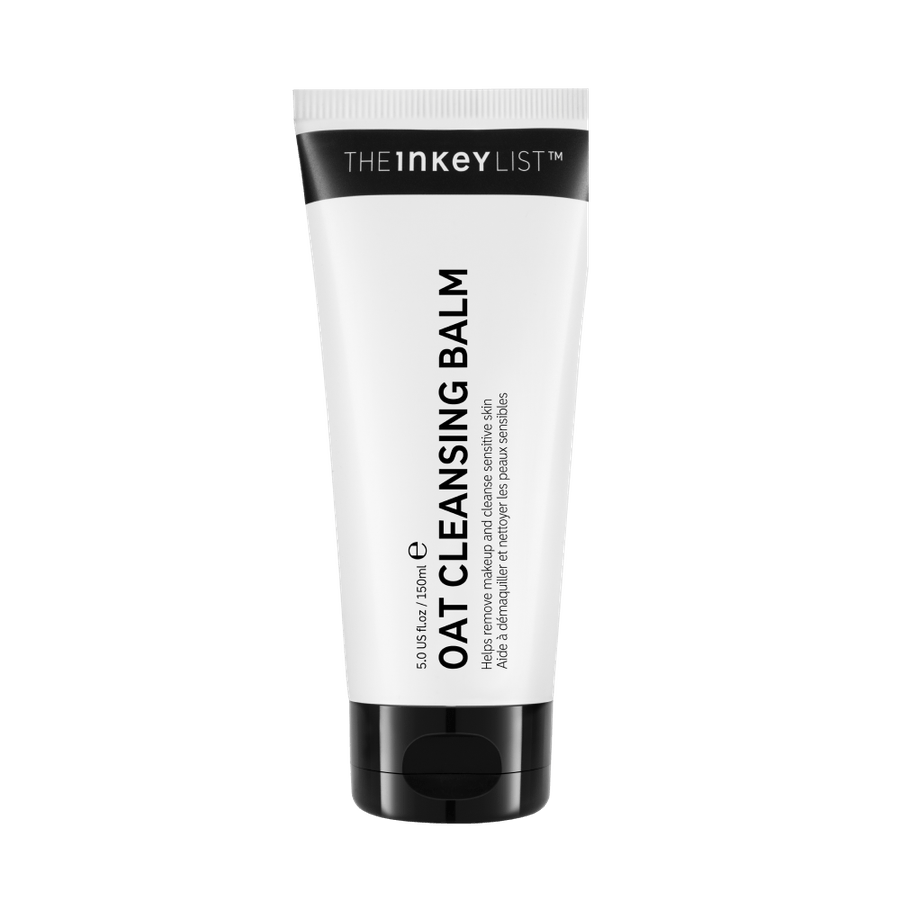
TL;DR: I have had those stubborn cracks at the corners of my mouth during dry weather, after lip licking, and after being a little too casual with irritating actives around the lips. Angular cheilitis usually needs less guessing and more boring basics: moisture protection, trigger control, and a reality check about when yeast, bacteria, dentures, saliva pooling, or nutritional issues may be part of the picture.
VerdictTreat the area like irritated skin first, but do not keep self-treating forever if the pattern keeps coming back.
Overall score9.0/10 for practical usefulness.
Best forPeople dealing with recurring cracked mouth corners, winter flares, lip-licking irritation, or saliva-related irritation.
Skip ifYou have significant swelling, pus, severe pain, fever, widespread rash, or you suspect a cold sore or another infection that needs diagnosis.
Why This Problem Gets Misread So Often
Angular cheilitis looks deceptively simple. Two tiny cracks at the corners of the mouth do not seem like they should be complicated. But this is one of those skin problems where the visible dryness is often only half the story. On my own skin, the first instinct was always to pile on random lip balm and assume I just needed “more moisture.” Sometimes that helped. Sometimes it did almost nothing.
That mismatch makes sense. Angular cheilitis is not one single cause. It is more like a pattern that can be driven by saliva sitting in the corners of the mouth, chronic lip licking, mouth breathing, ill-fitting dentures, drooling during sleep, irritation from toothpaste or skincare, nutritional deficiencies, or secondary infection with Candida or bacteria. Reviews of the condition consistently describe it as multifactorial rather than one neat diagnosis with one neat fix (PMID: 31464357; PMID: 21838086; PMID: 21877503).
What It Usually Feels Like
On a bad day, angular cheilitis can feel tight first and painful second. I notice a dry split when I smile, talk a lot, or eat something acidic or salty. Then the area starts cycling between damp and dry. That part matters. The corners can look flaky on the surface while still staying too moist underneath because saliva keeps re-wetting the skin. That wet-dry loop is one reason the area can stay inflamed longer than expected.
It also tends to be annoyingly specific. Regular lip balm can make the center of the lips feel fine while the corners still sting. That does not mean the balm is useless. It means the problem is more localized and often more irritated than a basic dry-lip situation.
The Most Common Causes That Actually Make Sense
The first bucket is mechanical moisture damage. Saliva is not a gentle moisturizer. When it pools in the corners of the mouth and evaporates repeatedly, it can macerate the skin barrier and leave those small fissures behind. That is why lip licking and drooling can backfire even when they feel soothing in the moment.
The second bucket is infection or overgrowth on already-damaged skin. Candida is mentioned often in the literature, and Staphylococcus aureus can also be involved, especially when the area stays cracked and damp. A damaged corner of the mouth is easier for microbes to take advantage of, which helps explain why plain balm sometimes is not enough (PMID: 12185216; PMID: 31464357).
The third bucket is irritation from products or habits. I have seen the area flare after overextending retinoid too close to the mouth, after using a strong foaming cleanser during dry weather, and after toothpaste left residue in the corners overnight. This is not dramatic irritation. It is cumulative. Small daily friction adds up.
The fourth bucket is structural or systemic factors. Dentures, reduced vertical dimension at the mouth, braces, and chronic mouth breathing can all change how moisture sits in the corners. Nutritional deficiencies, especially iron and some B vitamins, are also part of the differential in recurrent cases, which is why persistent angular cheilitis should not be dismissed as “just dry lips” forever (PMID: 21877503).
What I Would Actually Do First at Home
If the skin is simply cracked, irritated, and not obviously infected, I would start with the least glamorous approach: protect the area several times a day with a bland occlusive ointment. Think petrolatum, not a tingly lip product full of fragrance, mint, lanolin if you already react to it, or exfoliating acids. The goal is to reduce the wet-dry cycle and give the fissures a chance to close.
I would also pause irritants around the mouth for a few days. That includes retinoids, exfoliating acids, benzoyl peroxide, scrubs, strong acne spot treatments, and even active-heavy toothpaste drips left sitting on the skin. When I have done this consistently, the area usually feels less raw within a couple of days. Not healed instantly. Less angry.
Then I would look at behavior. Am I licking the corners without noticing? Sleeping with my mouth open? Letting toothpaste foam dry there? Smearing actives farther than I think? These are boring questions, but they are often the useful ones.
What Makes It Worse Fast
Acids near an open fissure are the obvious mistake, but not the only one. Spicy food, citrus, very salty meals, and long-wear lip products can sting enough to restart the irritation cycle. Thick matte lip products are especially unforgiving when the corners are split.
Another common mistake is over-cleansing the area because it looks flaky. I understand the urge. Flakes make people want to scrub. But lifting off scale while the skin underneath is not sealed just creates a fresher, stingier crack. I would rather leave a little roughness in place for a few days than chase a smoother look and delay healing.
When Simple Skincare Is Probably Not Enough
This is the part I wish more articles said plainly. If the cracks keep coming back in the exact same spot, or if you see persistent redness with creamy white film, honey-colored crust, swelling, or pain that is getting worse, you may need prescription treatment or a clinician to sort out whether yeast, bacteria, contact allergy, denture fit, or nutritional problems are involved. That does not mean something is terribly wrong. It means the simple barrier-fix version has limits.
A clinician may consider topical antifungal treatment, antibacterial treatment, or both depending on the exam and history. That approach lines up with how reviews describe angular cheilitis management: address the barrier problem, then treat contributing infection or structural issues when present rather than pretending every case is identical (PMID: 31464357; PMID: 21838086).
How I Would Build the Routine Around It
Morning would be simple: rinse gently, pat dry, use a bland moisturizer if the surrounding skin is dry, then place a thin coat of occlusive ointment directly over the corners. Reapply after meals if needed. If sunscreen usually migrates and stings there, I would keep it slightly away from the fissure until the skin is less open, while still protecting the surrounding skin.
At night, I would repeat the same approach and be extra careful with toothpaste residue and active skincare drift. If you use tretinoin, adapalene, or an acid serum, this is a good time to buffer your mouth corners with petrolatum before the rest of the routine. That one habit can prevent a lot of repeat irritation.
Editor's picks
Where to buy
BeautySift may earn a commission. Editorial judgment stays separate from commerce.

Angular Cheilitis: Why the Corners of Your Mouth Keep Cracking and What Actually Helps
Score: 4.2/5
See price
Read context
Shaving Bumps (Pseudofolliculitis Barbae): Why They Keep Coming Back and What Actually Helps
Score: 4.2/5
See price
Read context
Closed Comedones: Why Tiny Flesh-Colored Bumps Happen and What Actually Helps
Score: 4.2/5
See price
Read contextFinal Takeaway
Angular cheilitis is one of those small skin problems that can become weirdly stubborn because the area is always moving, always getting damp again, and easy to irritate without noticing. On my skin, the biggest lesson has been that faster healing usually comes from doing less, not more. Fewer actives. Fewer flavored balms. More protection. More trigger control.
If that calmer routine works, great. If it does not, that is useful information too. Recurrent cracks at the corners of the mouth deserve a broader look than “my lips are dry.” That is usually where the real fix starts.
Sources
- Ghanem I, et al. Treatment of angular cheilitis: A narrative review and authors' clinical experience. Oral Dis. 2020. PMID: 31464357.
- Park KK, Brodell RT, Helms SE. Angular cheilitis, part 1: local etiologies. Cutis. 2011. PMID: 21838086.
- Park KK, Brodell RT, Helms SE. Angular cheilitis, part 2: nutritional, systemic, and drug-related causes and treatment. Cutis. 2011. PMID: 21877503.
- Akpan A, Morgan R. Oral candidiasis. Postgrad Med J. 2002. PMID: 12185216.