TL;DR: I tested EltaMD UV Clear SPF 46 for 30 days on acne-prone skin that is easily clogged by richer sunscreens. It wore comfortably, layered well, and was easier to keep using daily than many heavier formulas. The main catch is that its cosmetic elegance is only part of the story: if your skin is very dry, very reactive, or your eyes sting easily, this may not feel universally effortless.
VerdictA strong daily sunscreen for acne-prone and combination skin, especially if your biggest problem is finding UV protection that does not feel greasy or congestive.
Overall score8.9/10
Best forAcne-prone skin, combination skin, and users who want a lightweight sunscreen that behaves well under daytime routines.
Skip ifYour skin is very dry, your eyes sting easily, or you prefer a more emollient sunscreen finish.
Why I Tested This for 30 Days
EltaMD UV Clear is one of those sunscreens that comes up again and again in acne-prone skin conversations. Usually the reason is simple: people are tired of sunscreens that feel fine in the first ten minutes and then slowly become the worst part of the morning. They feel heavy, slippery, shiny, or pore-clogging, and before long sunscreen becomes the step people skip most often.
I tested EltaMD UV Clear SPF 46 for 30 days because acne-prone skin rarely needs more friction. If a sunscreen feels greasy, pills over treatment products, or makes breakouts harder to manage, it stops being a realistic daily product no matter how respected the brand is.
First Impressions
From the first few uses, UV Clear felt like a sunscreen that understood why people dislike sunscreen. The texture is lightweight and lotion-like rather than thick or paste-like. It spreads easily, settles relatively quickly, and does not create that oily film that some acne-prone users read as an incoming breakout.
It also wore better under a simple daytime routine than many richer sunscreens I have tried. On acne-prone skin, that matters more than brand prestige. A sunscreen can have excellent filters and still be a poor daily choice if the finish makes you dread applying it.
What It Was Like Over 30 Days
Across the month, the biggest strength was consistency. UV Clear fit into the routine without becoming the day’s problem step. It sat well over lightweight moisturizer, did not feel suffocating by late afternoon, and did not make my skin look dramatically shinier within the first few hours.
That does not mean it was flawless. On a few warmer days, I still noticed a little shine building through the T-zone, especially if I had layered too much underneath. But the difference from heavier sunscreens was that the shine felt manageable rather than greasy.
I also think acne-prone users often underrate how important texture predictability is. When a sunscreen behaves similarly day after day, you stop negotiating with yourself about whether to use it. That habit value is part of why this formula scores well for me.
By the second week, I had a clearer sense of where it fit best. It was strongest on normal workdays when I wanted sun protection that would not compete with the rest of the routine. It was less impressive when I wanted a cushier, more moisturizing finish, especially on slightly dehydrated-skin days.
By the fourth week, my opinion had become pretty stable: this is a sunscreen I would keep around because it reduces resistance. That matters. The best sunscreen is not always the most cosmetically perfect one in isolation. It is often the one that removes enough annoyance that you apply it every morning without argument.
Where It Worked Best
This sunscreen worked best on days when I kept the rest of the routine fairly simple: gentle cleanse, light moisturizer, UV Clear, then makeup only if needed. In that setup, it felt balanced and easy.
It also made sense over active-acne routines because it did not feel especially occlusive. Sunscreens cannot treat acne, but they absolutely affect whether an acne routine stays wearable. If your daytime finish feels congested, you are more likely to touch your face, skip reapplication, or abandon the sunscreen altogether.
Broad-spectrum sunscreen also matters more in acne-prone routines that include actives, since UV exposure can worsen post-inflammatory hyperpigmentation and make recovery from breakouts look slower. Daily sunscreen remains a core part of managing pigment persistence and protecting irritated skin from additional UV stress (Draelos ZD. Cutis. 2011. PMID: 22106767).
Where It Fell Short
The main limitation is that UV Clear is often discussed as if it suits everyone automatically. I do not think that is fully honest.
If your skin is more dry than oily, the finish may feel a little too lean unless the moisturizer underneath is doing enough work. If your eyes are sensitive, you may still want to be careful near the orbital area. And if you love a very dewy finish, this formula may feel more functional than comforting.
This is also not the kind of sunscreen I would describe as luxurious. It is elegant in a practical way, not in a rich or cocooning way.
Ingredient Perspective
The product’s appeal is not only that it contains niacinamide or that it is dermatologist-liked. The bigger point is that the whole formula is built to be wearable for skin that often rejects sunscreen texture.
Niacinamide is a sensible inclusion in acne-prone routines because of its barrier-supportive and anti-inflammatory relevance in topical skincare. In leave-on products, niacinamide has been studied for improving skin barrier function and helping with uneven tone and acne-related concerns, though I would still avoid exaggerating what sunscreen-level inclusion can do on its own (Bissett DL, Oblong JE, Berge CA. Dermatol Surg. 2005. PMID: 16029679; Draelos ZD. J Clin Aesthet Dermatol. 2017. PMID: 29214122).
The most important feature, though, is still user tolerability. Good sunscreen is the one you wear consistently. Cosmetic acceptability is not a shallow detail. It is part of adherence.
How It Compares
Compared with La Roche-Posay Anthelios Mineral SPF 50, EltaMD UV Clear feels lighter and easier for many acne-prone users to tolerate cosmetically, though the La Roche-Posay option may appeal more to people who want a mineral-only route.
Compared with Supergoop Unseen Sunscreen SPF 40, UV Clear feels less silicone-forward and a little more skincare-like. Unseen may win on invisible makeup-primer feel for some users, but UV Clear feels more straightforward and less slippery on skin that is already prone to congestion.
Editor's picks
Where to buy
BeautySift may earn a commission. Editorial judgment stays separate from commerce.
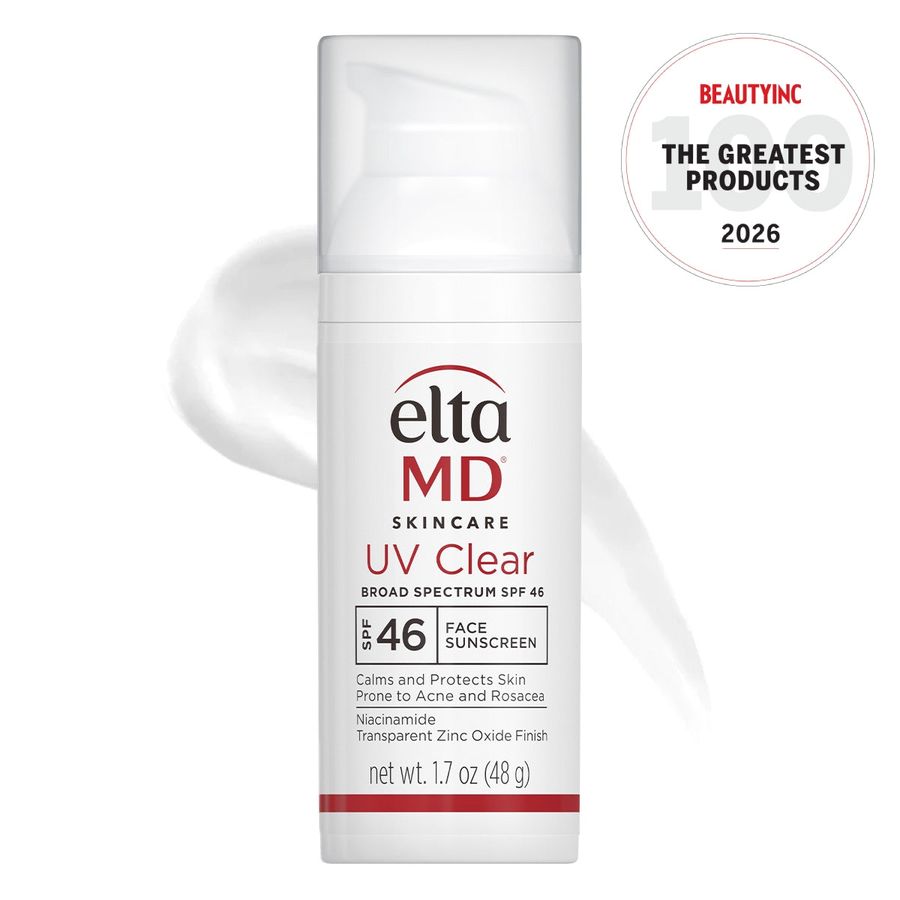
EltaMD UV Clear Broad-Spectrum SPF 46 Review: Tested for 30 Days on Acne-Prone Skin
Score: 4.5/5
See price
Read context
Fungal Acne or Malassezia Folliculitis? How to Tell It From Acne and What Actually Helps
Score: 4.2/5
See price
Read context
Blackheads vs Sebaceous Filaments: How to Tell the Difference and What Actually Helps
Score: 4.2/5
See price
Read contextFinal Verdict
After 30 days, EltaMD UV Clear SPF 46 made sense for the same reason it has stayed popular for so long: it removes some of the usual sunscreen excuses. It is light, wearable, generally low-drama, and easy to keep in rotation for acne-prone skin.
I would recommend it most confidently to people whose main sunscreen problem is congestion or daytime heaviness. I would be less confident recommending it as a universal choice for very dry skin or very reactive eye areas. The formula’s strength is practicality, not perfection.

