TL;DR: I assessed First Aid Beauty Ultra Repair Cream through the lens of dry, reactive skin and a simple barrier-first routine over eight weeks. The formula makes sense for rough, tight, winter-leaning skin because it combines colloidal oatmeal, glycerin, shea butter, and ceramide support. The trade-off is that it is thick, slightly waxy, slow to set, and not the cleanest fit for very oily or easily congested faces.
BeautySift may earn a commission.
Product Overview
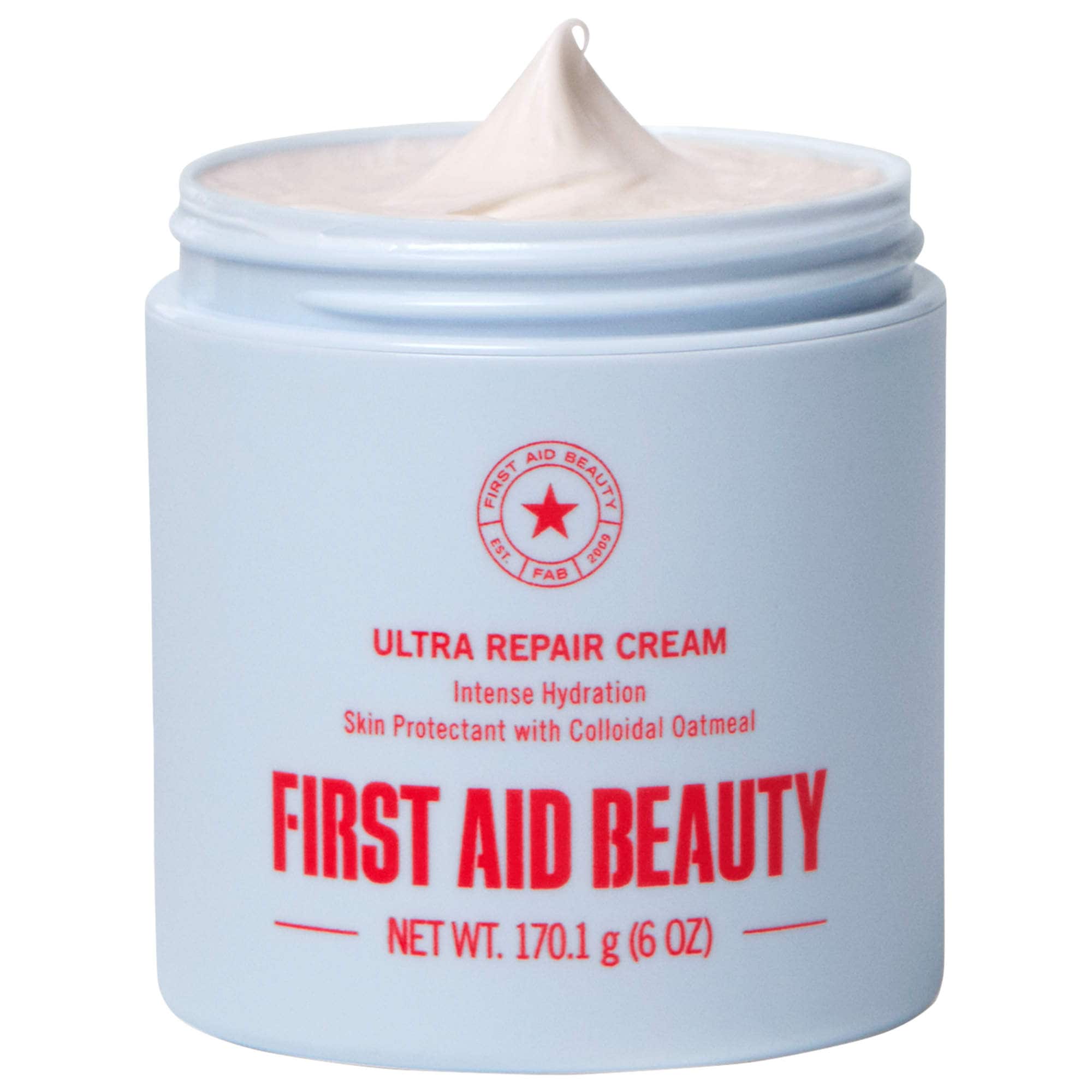
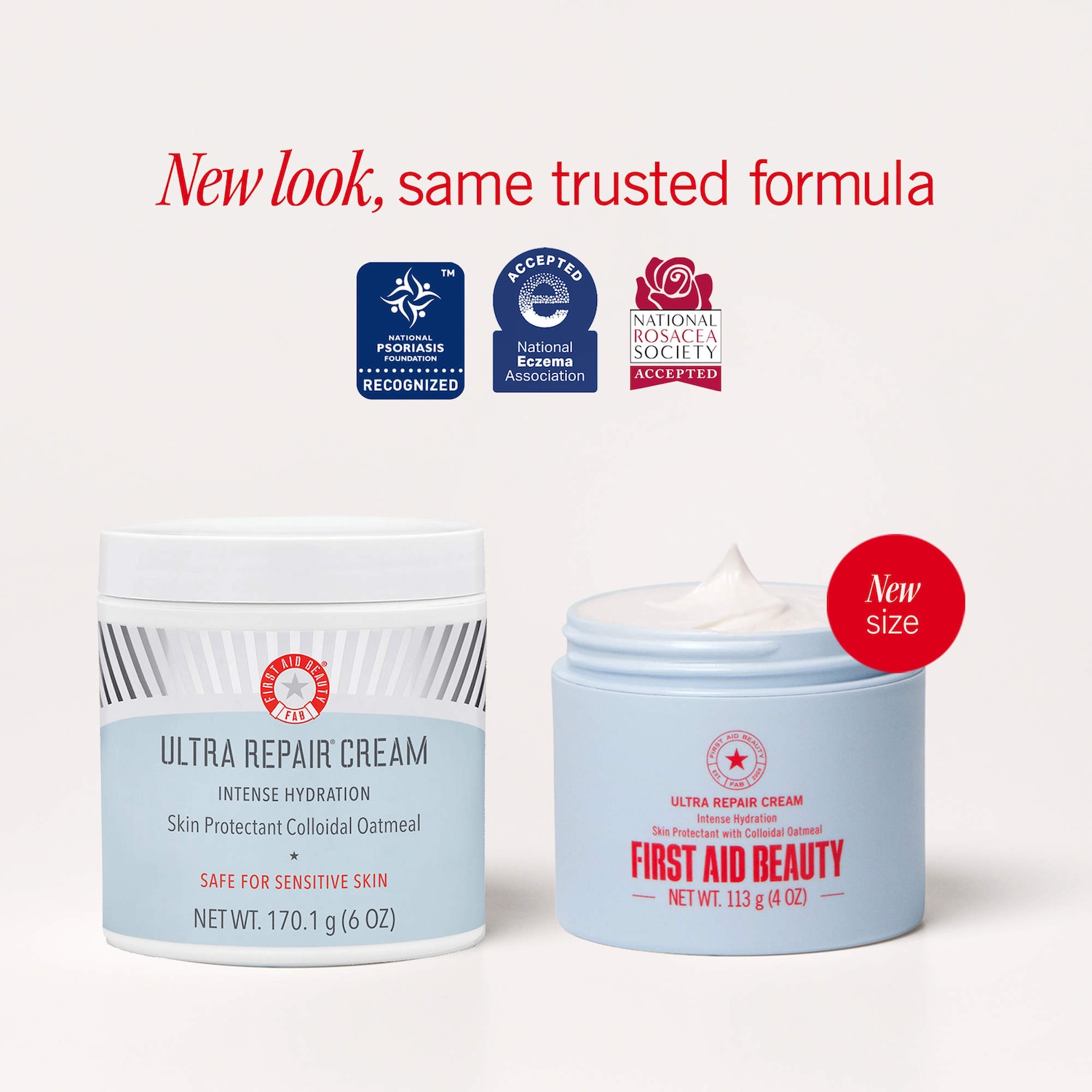
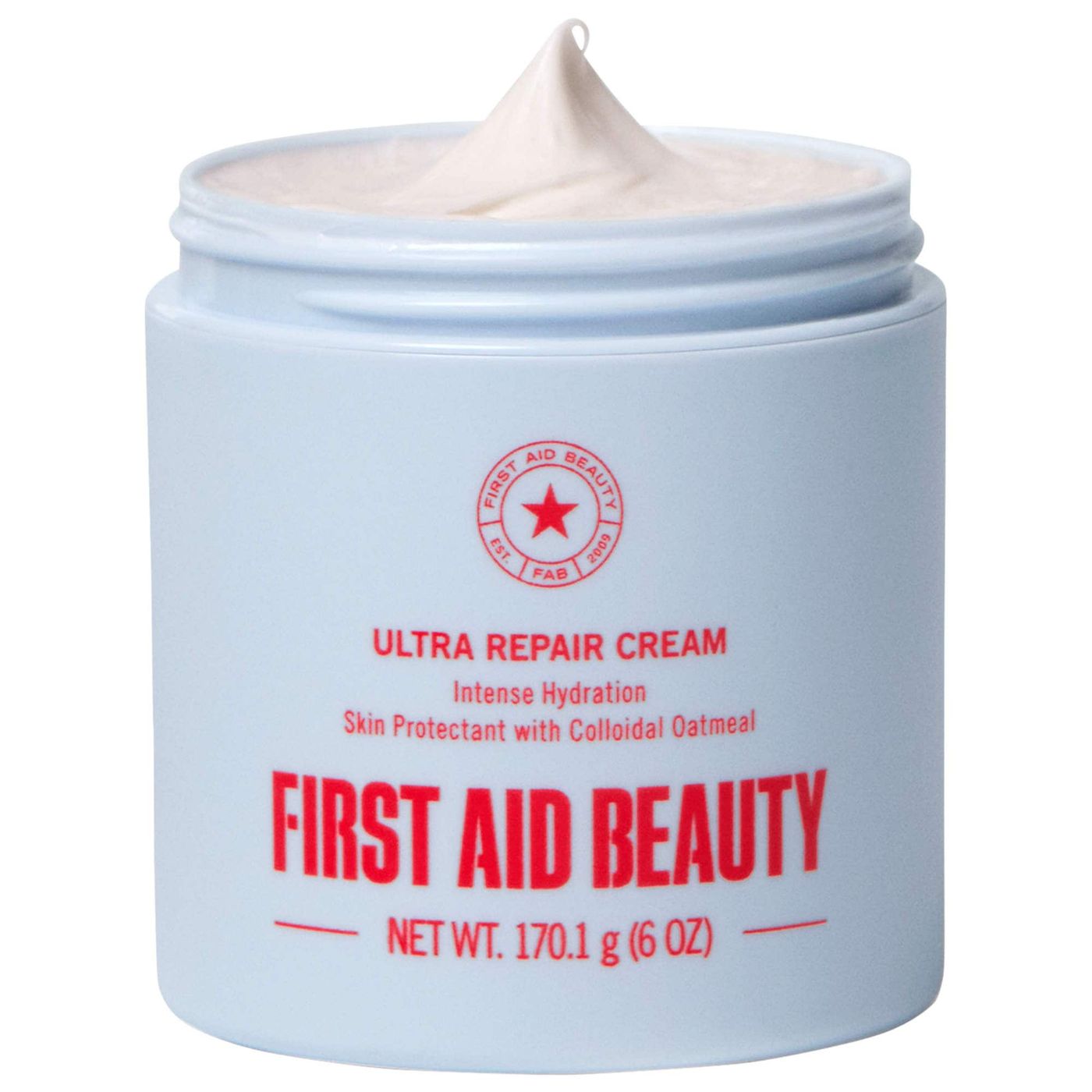
First Aid Beauty Ultra Repair Cream is a rich face-and-body moisturizer designed for dry, distressed skin, with a marketing focus on barrier comfort and eczema-prone irritation. I approached it as a practical barrier cream rather than a cure-all: the kind of jar you reach for when your cheeks feel tight, your chin is getting flaky, or your retinoid routine has gone a little too far. The 6 oz jar currently sells for about $42 at Sephora and Ulta, while Amazon search results showed the same size at $29.40 during this review workflow. Its headline ingredients are 0.5% colloidal oatmeal, glycerin, shea butter, squalane, allantoin, and ceramide NP. That combination tells you what this cream is trying to do. It is not built to feel invisible. It is built to reduce roughness, hold onto water, and keep skin from feeling stripped.
What matters more is the texture category this product belongs to. Ultra Repair Cream sits in the overlap between daily moisturizer and comfort cream. That makes it more versatile than a true balm, but also less lightweight than many face creams marketed for routine elegance. If your skin is normal to oily, that difference is not small. If your skin runs dry, over-exfoliated, or easily rough around the mouth and cheeks, that extra weight is often exactly why the formula feels useful rather than fussy.
Ingredient Analysis
Colloidal Oatmeal - This is the formula’s clearest evidence-backed anchor. Colloidal oatmeal is recognized as a skin protectant, and topical oatmeal creams have been shown to improve barrier properties and support symptom control in atopic-dermatitis-prone skin, which helps explain why this jar feels calmer than a generic rich cream on compromised areas (PMID: 32484623).
Glycerin - Glycerin is a workhorse humectant, which means it helps pull and hold water in the outer skin layers. That sounds basic, but it matters because better hydration usually means less tightness, less visible flaking, and a more flexible barrier; comparative moisturizer studies found stratum corneum integrity benefits in glycerin-containing formulas versus more conventional body moisturizers (PMID: 22206073).
Shea Butter - Shea butter does the softening and cushioning work here. It will not resolve an inflammatory skin condition by itself, but it can make rough surface texture feel less cracked and less papery by acting as an emollient-rich buffer; moisturizer reviews in atopic dermatitis consistently support richer lipid-containing formulas for xerosis management (PMID: 29368843).
Allantoin - Allantoin is best understood as a support ingredient rather than the star. It is included to make the formula feel less aggressive on irritated skin, and published work supports a role for allantoin in calming stressed skin and aiding surface recovery, even if the evidence base is smaller than it is for glycerin or petrolatum (PMID: 25880800).
Ceramide NP - Ceramides matter because they are part of the skin barrier itself. In moisturizers, they help reinforce the idea of lipid replacement and lower transepidermal water loss over time; classic barrier-repair work showed ceramide-dominant formulations can improve barrier recovery, which is why Ceramide NP still adds value here even though it is not the first ingredient on the list (PMID: 12553851).
Texture & Application
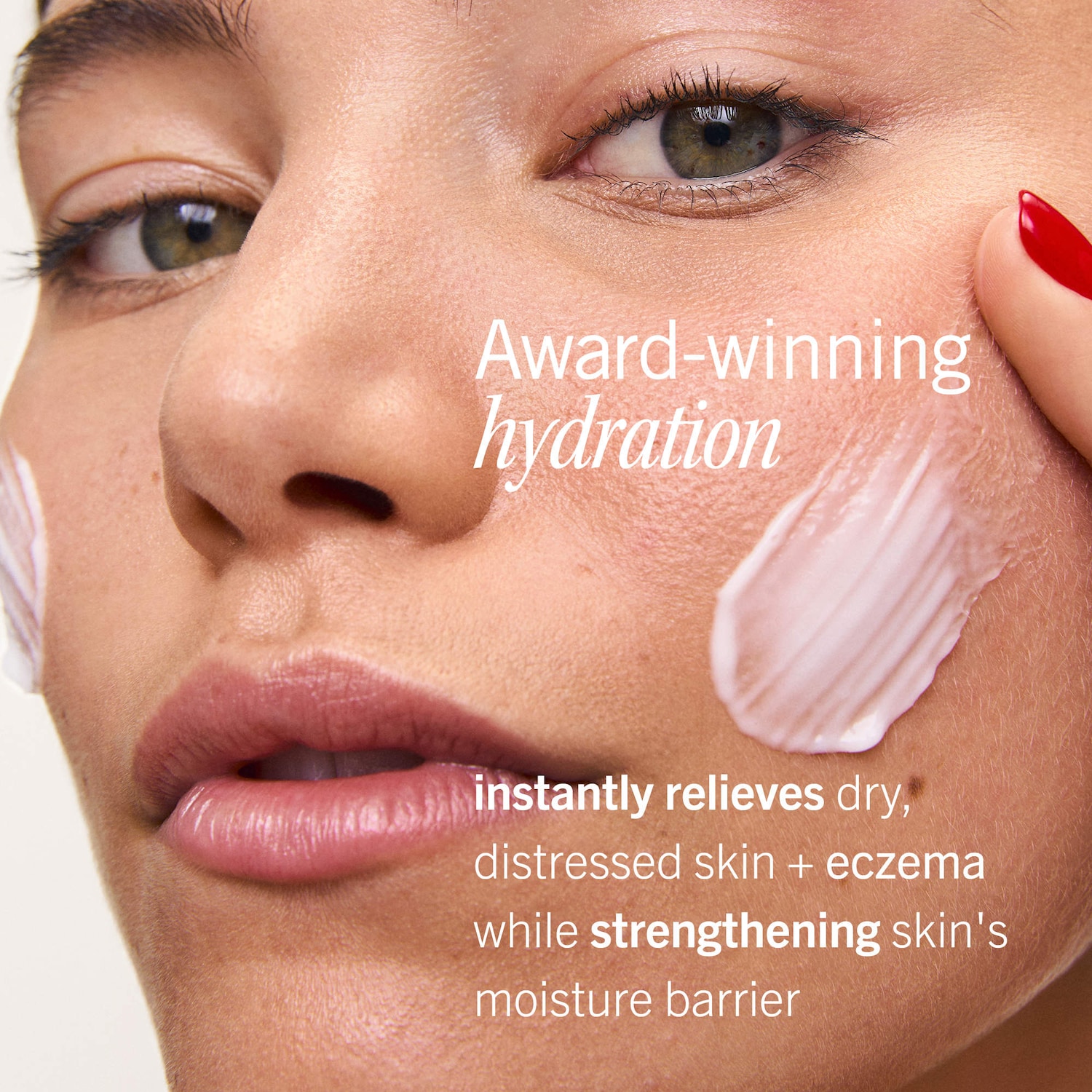
This is a thick whipped cream with more cushion than a lotion and less raw grease than a petroleum-heavy ointment. On first application, it feels plush and a little airy, then settles into a coated finish that stays present for a while. On my skin, that was the entire point on dry nights: I wanted the finish to last. During testing, it worked best when I applied it over slightly damp skin after cleansing or after a bland hydrating serum. Under sunscreen in the morning, a small amount was fine on dry cheeks, but a generous layer could make my T-zone feel shiny by midday. Under makeup, it depends on restraint. Too much product and foundation starts to drag instead of glide. There is no strong perfume, but the eucalyptus leaf oil adds a faint herbal edge that some highly reactive users may notice before they even read the ingredient list.
The jar format also changes how you use it. Because the cream is dense, it is easy to over-scoop and end up applying face-cream quantities that make more sense for elbows. I got the best result from using less than I initially wanted, pressing it into the driest areas first, then spreading the residue outward. That kept the comfort while avoiding the heavy, slightly waxy film that can make a rich cream feel more claustrophobic than soothing.
Pros & Cons
For the right user, this cream solves a fairly specific problem: skin that feels rough, dry, slightly inflamed, and tired of lightweight gel moisturizers pretending to be enough. The upside is real comfort. The downside is that comfort comes with weight, and not every face wants that weight every day.
What I like most is that the formula behaves like its ingredient list suggests. It does not promise an elegant barely-there finish and then secretly leave a greasy film. It is openly a rich cream, and on truly dry skin that honesty is useful. The main hesitation is that the product still asks reactive users to tolerate eucalyptus leaf oil in a category where simpler formulas exist. That does not make it a bad cream. It makes it a slightly less universal one.
Pros
- Strong ingredient logic for dry, rough, temporarily compromised skin
- Thick enough to reduce tightness quickly without feeling like plain petrolatum
- Fragrance-free positioning makes more sense than many rich creams in the same category
- Large 6 oz size is practical for face, neck, hands, and dry body zones
Cons
- Jar packaging is less elegant and less hygienic than a pump or tube
- Can feel too rich for oily, acne-prone, or humid-weather routines
- Eucalyptus leaf oil may be a needless risk for highly reactive skin
Score Breakdown
| Criteria | Score |
|---|---|
| Efficacy | 4.3/5 |
| Texture | 3.8/5 |
| Value | 4.1/5 |
| Scent | 3.7/5 |
| Packaging | 3.4/5 |
| Overall | 4.1/5 |
Best For / Not Suitable For
This is the kind of moisturizer I would place in a routine when the main goal is comfort and barrier support, not cosmetic elegance. If you need a cream to disappear fast under multiple daytime layers, there are easier options. If your skin often feels over-cleansed, over-exfoliated, or weather-beaten, this formula makes more sense.
Best Fordry or very dry skin, barrier-support routines, eczema-prone rough patches that need a richer cream
Not Suitable For: very oily skin, people who dislike thick finishes, highly reactive users avoiding essential-oil-adjacent ingredients
Editor's picks
Where to buy
BeautySift may earn a commission. Editorial judgment stays separate from commerce.
First Aid Beauty Ultra Repair Cream Review - Rich barrier support that can still feel heavier than some faces want
Score: 4.4/5
$42
Read context
Fungal Acne or Malassezia Folliculitis? How to Tell It From Acne and What Actually Helps
Score: 4.2/5
See price
Read context
Blackheads vs Sebaceous Filaments: How to Tell the Difference and What Actually Helps
Score: 4.2/5
See price
Read contextHow It Compares
Compared with CeraVe Moisturizing Cream, First Aid Beauty Ultra Repair Cream feels a little more plush and comfort-focused on flaky patches, but it is also pricier and less minimalist because of the eucalyptus oil and jar format. Compared with La Roche-Posay Toleriane Double Repair Face Moisturizer, this is much richer and better for very dry skin, while Toleriane is easier under daytime sunscreen and makeup. In practical terms, Ultra Repair Cream is the one I would reach for when my barrier feels stressed and I care less about elegance than relief.
Compared with Vanicream Moisturizing Cream, this formula has more “treatment cream” personality and a softer, whipped feel, while Vanicream is blander and often easier for the most reactive users to trust. That trade-off defines this product. It feels nicer than some plain barrier creams, but it also introduces a bit more routine risk. If you want soothing texture and do not mind weight, it stands out. If you want the least eventful moisturizer possible, it probably does not.
This is not medical advice.
Sources: PMID: 32484623; PMID: 22206073; PMID: 29368843; PMID: 25880800; PMID: 12553851
[EXCERPT]: First Aid Beauty Ultra Repair Cream review: a rich, oatmeal-led moisturizer that helps dry skin feel calmer, but its thick finish and eucalyptus oil make it less universal than the marketing suggests.

