TL;DR: I looked at sebaceous hyperplasia the way readers usually do: as a confusing cluster of soft, skin-colored bumps that can look alarmingly like clogged pores or something more serious. The good news is that sebaceous hyperplasia is benign, but the less comforting truth is that over-the-counter skincare usually has limited power here, and the treatments that work best tend to be done in a dermatologist’s office.
VerdictSebaceous hyperplasia is usually harmless, but it is also a good example of a skin concern that skincare can only partly improve.
Overall score7.9/10
Best forpeople trying to understand whether stable, soft, yellowish or flesh-colored bumps may be sebaceous hyperplasia, and people deciding whether to stop chasing them like acne.
Skip ifyou want a self-diagnosis, you have a bump that is changing quickly, or you are hoping an exfoliating routine alone will reliably flatten long-standing lesions.
Why I Wanted to Cover This
Sebaceous hyperplasia quietly frustrates people for years. Readers usually describe tiny bumps that never come to a head, texture that does not respond like blackheads, and flesh-colored spots around the forehead, cheeks, or nose that seem too smooth to be acne and too stubborn to ignore.
What makes it tricky is that people often treat it like congestion first. I understand why. On my own skin, when I get persistent texture, my first instinct is also to simplify the diagnosis into “probably comedones.” But this is one of those cases where that shortcut can waste time and irritate your face.
What Sebaceous Hyperplasia Actually Is
In plain English, sebaceous hyperplasia is an enlargement of sebaceous glands. These are your oil glands. Instead of producing an inflamed breakout, they create small, usually soft papules that often look yellowish, skin-colored, or slightly shiny, sometimes with a tiny central dip. The lesions are benign.
The less reassuring part is that benign does not mean easy to erase. Reviews of benign skin tumors note that sebaceous hyperplasia is commonly recognized clinically but can overlap in appearance with other lesions, which is why diagnosis matters more than internet guessing sometimes admits (PMID: 39418568).
That distinction matters because the treatment logic changes once you know what you are looking at. Acne care is built around reducing clogged pores, bacteria, and inflammation. Sebaceous hyperplasia is more about an enlarged gland structure. That does not make skincare useless, but it does set a ceiling on what topical products can realistically do.
How It Usually Looks in Real Life
Most people notice sebaceous hyperplasia as a group of persistent bumps rather than one dramatic lesion. They tend to show up on oilier parts of the face, especially the forehead and cheeks. The bumps are often dome-shaped, not angry, and annoyingly stable. If something has looked basically the same for months, never really emptied, and keeps surviving acids, facials, and “pore-clearing” routines, it may not be acne at all.
I would not recommend squeezing these bumps. When people pick at sebaceous hyperplasia like a whitehead, they often get irritation without a satisfying result.
What Causes It
Sebaceous hyperplasia tends to be associated with enlarged oil glands, age-related changes, and sometimes a genetic tendency. Oily skin can make it feel more noticeable, but oily skin does not automatically cause it. Sun damage may also play a role in some people, especially when these bumps show up on chronically exposed areas.
This is one reason the concern can feel unfair. You can be doing many things right and still develop it. It is not always a punishment for bad skincare. Sometimes it is simply how your glands are behaving.
What Skincare Can Actually Help
This is where readers deserve a calmer answer than the internet usually gives. Skincare may help the surrounding skin look smoother and less congested, which can make sebaceous hyperplasia stand out less. A retinoid can be a reasonable tool because it supports cell turnover and may help normalize some of the texture around the lesions. Gentle chemical exfoliation can also reduce the clutter around them if your skin tolerates it.
But I would not oversell this. The goal with topical care is usually management, not reliable removal.
If I were building a routine around suspected sebaceous hyperplasia, I would keep it boring and strategic: a gentle cleanser, consistent sunscreen, a retinoid if tolerated, and restraint with picking. If you get impatient and stack a retinoid, salicylic acid, benzoyl peroxide, and aggressive scrubs because the bumps look stubborn, you can end up with a redder face and the same bumps still sitting there.
What Usually Does Not Help Much
Harsh scrubs are not the answer. Neither is repeated extraction. Nor is assuming every bump needs a stronger peel pad or overnight spot treatment. If the lesion is truly sebaceous hyperplasia, many over-the-counter acne tactics will create more dryness than progress.
I also would not count on a single “sebum control” serum to shrink established lesions in a meaningful way. Niacinamide can support oilier skin overall. Retinoids can help texture. Exfoliants can make the area look cleaner. Still, none of that guarantees a visible bump will flatten the way people hope.
When Office Treatment Makes More Sense
If the bumps bother you cosmetically and you want a more direct result, dermatologist treatment is often the more realistic path. The available literature is not huge, but it does support the general idea that procedural treatment can work better than routine skincare for established lesions.
A retrospective study on single-needle radiofrequency for facial sebaceous hyperplasia reported favorable efficacy and safety outcomes, which helps explain why in-office destruction methods remain a practical option for persistent lesions (PMID: 40995817). There are also smaller reports describing other approaches, including focused ultrasound and laser-based treatment, again reinforcing that the more meaningful improvements usually come from targeted office procedures rather than everyday moisturizers (PMID: 40004835).
Office treatment can help, but there may be cost, downtime, recurrence, pigment change risk, or the need for more than one session depending on the method and your skin tone.
When You Really Should Not Self-Diagnose
Some lesions that look small and harmless can mimic other things, including basal cell carcinoma. I am not saying every smooth bump is dangerous. I am saying facial bumps are not always a good DIY project.
If a lesion is pearly, bleeds easily, develops a scab, grows quickly, or looks different from the other bumps around it, I would stop trying to solve it with skincare and get it checked. Diagnostic reviews specifically note that sebaceous hyperplasia can overlap with other benign and malignant lesions in appearance, which is exactly why pattern recognition has limits outside the exam room (PMID: 39418568).
My Practical Take
If your bumps are stable, soft, skin-colored, and living mostly in oily zones, sebaceous hyperplasia is a reasonable possibility. The most useful first step is not panic. It is also not an extraction session. I would start by taking a photo, simplifying the routine, and asking a dermatologist for confirmation if the bumps persist or if you are uncertain.
On my skin, I always try to separate “I want this gone” from “what is this actually likely to respond to.” That mental shift prevents a lot of over-treatment. You may improve the surrounding texture with thoughtful skincare, but if you want the bumps themselves meaningfully flatter, the odds are better with professional treatment than with another exfoliating toner.
Editor's picks
Where to buy
BeautySift may earn a commission. Editorial judgment stays separate from commerce.

Sebaceous Hyperplasia: Why These Flesh-Colored Bumps Happen and What Actually Helps
Score: 4.2/5
See price
Read context
Sunburn: What Actually Helps, What Makes It Worse, and When to Get Medical Care
Score: 4.2/5
See price
Read context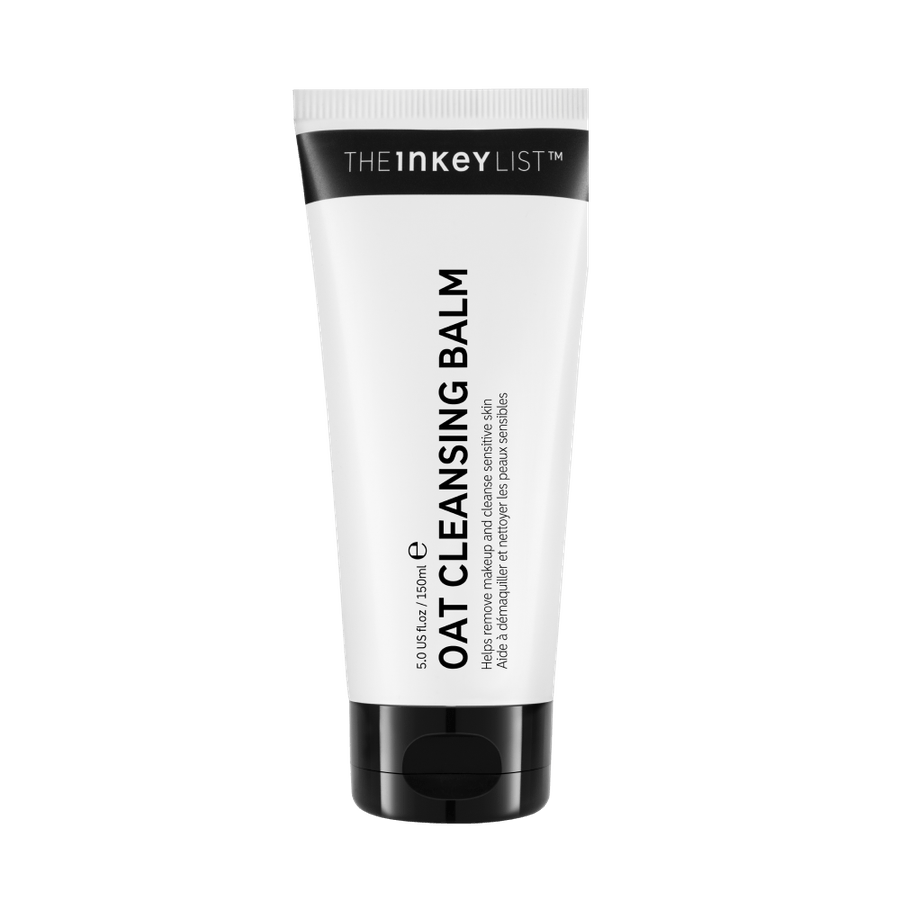
Best Cleansing Balms for Daily Double Cleansing: 5 Picks That Don't Strip Skin
Score: 4.2/5
See price
Read contextFinal Verdict
Sebaceous hyperplasia is usually benign, often persistent, and frequently over-treated like acne. If you suspect it, the smartest move is usually to stop attacking it as congestion, use supportive skincare that keeps the surrounding skin calm, and get a professional opinion when the diagnosis is uncertain or the bumps are bothering you enough to want a true removal option.
BeautySift may earn a commission.
Sources
Marzuka AG, Book SE. Diagnosing common benign skin tumors. Dermatol Clin. 2024;42(4):499-514. PMID: 39418568.
Ahn GR, et al. Evaluation of the efficacy and safety of single-needle radiofrequency in patients with facial sebaceous hyperplasia: a retrospective study. J Cosmet Dermatol. 2024. PMID: 40995817.
Wortsman X, et al. Treatment of sebaceous hyperplasia by high-frequency focused ultrasound (HIFU): a comprehensive exploration with clinical insights. Skin Res Technol. 2025. PMID: 40004835.
Torrelo A, et al. Sebaceous hyperplasia of the eyelid: a comprehensive case report and literature review. Ocul Oncol Pathol. 2024;10(6):343-349. PMID: 38586364.

