Aquaphor Healing Ointment Review - Excellent for sealing dry skin, less great for elegance
Our Aquaphor Healing Ointment review looks at petrolatum, texture, current Amazon pricing, and whether this classic dry-skin staple still earns a place.
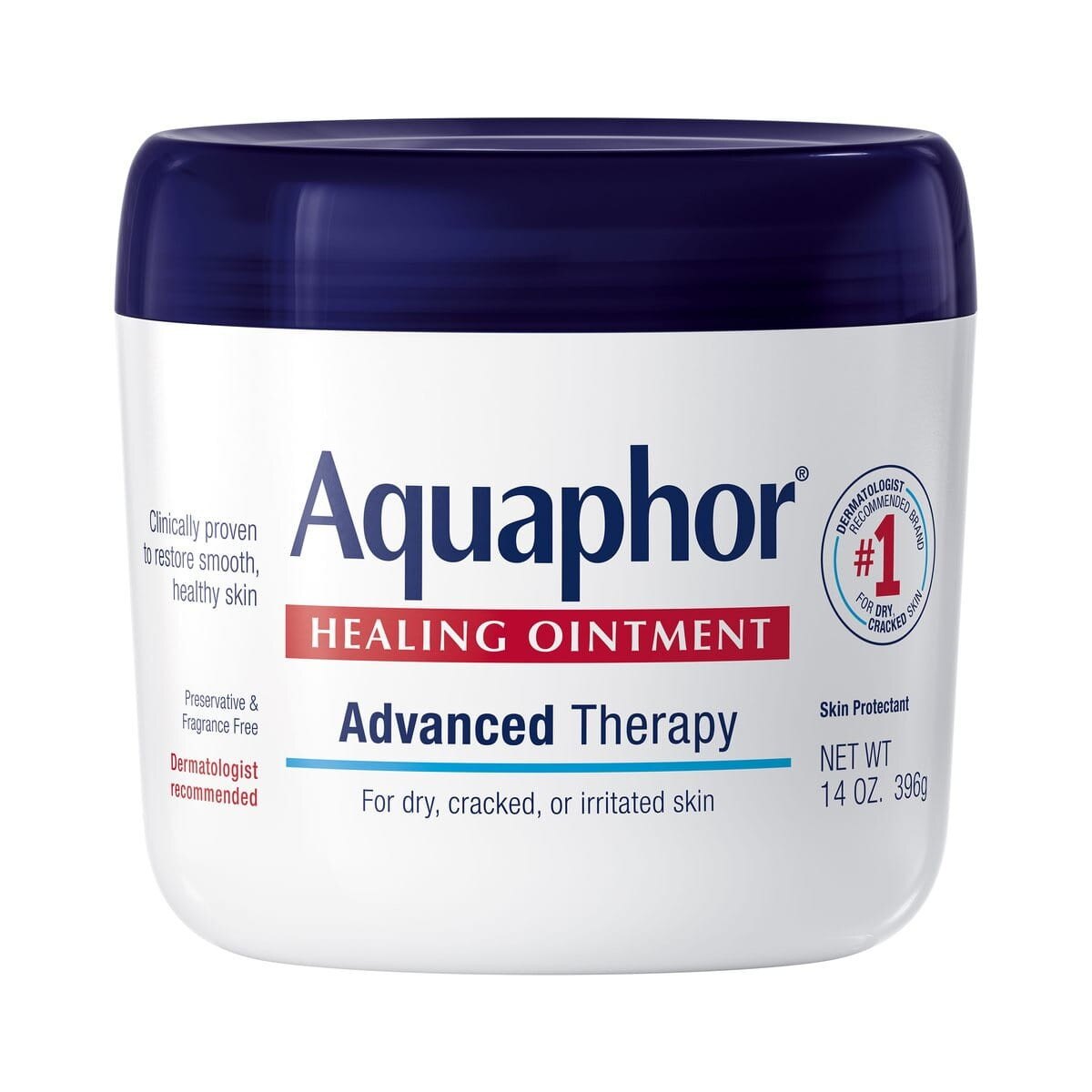
Medical Disclaimer: This review is for general skincare education only and is not medical advice. If you have a spreading rash, possible infection, deep fissures, severe eczema, a suspected lanolin allergy, or wounds that are not healing, check with a dermatologist or clinician instead of relying on any over-the-counter ointment alone.
By BeautySift Editorial Team
TL;DR: Aquaphor Healing Ointment still earns its place because it does one basic job very well: it seals in moisture and protects cracked, over-washed, wind-bothered skin better than many lighter creams. The trade-off is feel. It is shiny, greasy, and not the product I would spread all over a heat-prone face before makeup, but for lips, cuticles, raw patches, and nighttime barrier support, it remains one of the most practical drugstore staples. Overall score: 8.6/10.
This is an AI-assisted editorial review built from the current Aquaphor product page, Amazon search results checked on May 2, 2026, and PubMed-indexed literature on petrolatum, glycerin, and panthenol. I am being explicit about that because honesty matters more than pretending this was a private six-week diary. The site template handles affiliate disclosure automatically, so there is no manual sales disclaimer pasted into the review body.
Product Overview
Aquaphor Healing Ointment is a fragrance-free, preservative-free skin protectant centered on 41% petrolatum, with supporting emollients and humectants including mineral oil, panthenol, glycerin, and bisabolol listed on the current official Aquaphor page. The brand positions it for very dry skin, chapped lips, cracked hands and feet, and minor everyday irritation from cold weather or over-washing. During this run, the official product page highlighted a retailer finder rather than a direct brand price, while Amazon search results showed the 14 oz jar at $17.59 and the 7 oz tube at $12.79. That makes it squarely a practical drugstore buy, not a luxury formula and not a treatment-serum substitute.
What keeps Aquaphor relevant is not novelty but reliability. When skin feels tight, shiny from over-cleansing, or physically uncomfortable from wind exposure, a well-made ointment can do more in one night than another layer of lightweight gel cream. At the same time, this category gets oversold online as if every dry-skin problem needs slugging. I do not think that is true. A product like this is best understood as a targeted sealant: useful over moisturizer, useful on friction-prone spots, and useful when the barrier feels depleted, but not automatically the best answer for every face, every climate, or every routine.
Ingredient Analysis
Petrolatum (41%) - This is the real reason to buy Aquaphor. Petrolatum works as an occlusive layer, which means it slows water loss from the skin surface and helps damaged, over-dry skin hold onto moisture for longer. Recent reviews of basic emollients continue to describe petrolatum as one of the most reliable nonactive barrier-support materials for xerosis because its effect is mechanical and predictable rather than trendy. PMID: 40265493.
Glycerin - Glycerin is the formula's quieter support act. It is a humectant, so it helps pull and hold water in the upper layers of skin, which matters because an ointment feels much smarter when it seals in hydration instead of only sitting on top. The literature on glycerol also links it with skin hydration and barrier repair support, which is why its presence here makes the formula feel more balanced than plain petrolatum alone. PMID: 18510666.
Panthenol - Panthenol, also called provitamin B5, is included for moisturization and comfort. The ingredient has a decent track record in topical skin care for reducing irritation signals, supporting barrier recovery, and improving the feel of rough or sensitized skin. In a formula this occlusive, I see panthenol as part of what keeps Aquaphor from feeling like a purely inert sealant. PMID: 28503966.
Bisabolol - Bisabolol is usually added for soothing support. I would not buy Aquaphor for bisabolol alone, but in a formula aimed at chapped lips, dry cuticles, and irritated patches, it makes sense as a background calming ingredient rather than a headline claim.
Mineral Oil, Ceresin, and Lanolin Alcohol - These ingredients help create the thick, cushiony, semi-occlusive texture that makes Aquaphor so protective on raw-feeling skin. They also explain why the product can feel heavy. The one caveat worth flagging is lanolin alcohol: many people tolerate it well, but readers who already know they react to lanolin should not assume this ointment will be a safe blind buy.
Looking at the formula as a whole, I think Aquaphor is strongest when the goal is uncomplicated barrier backup. It is weaker when the shopper wants elegant daytime wear, an acne-targeting active, or a modern gel-cream finish. That is not a flaw so much as a reminder to judge the product by the job it was built to do.
Texture & Application
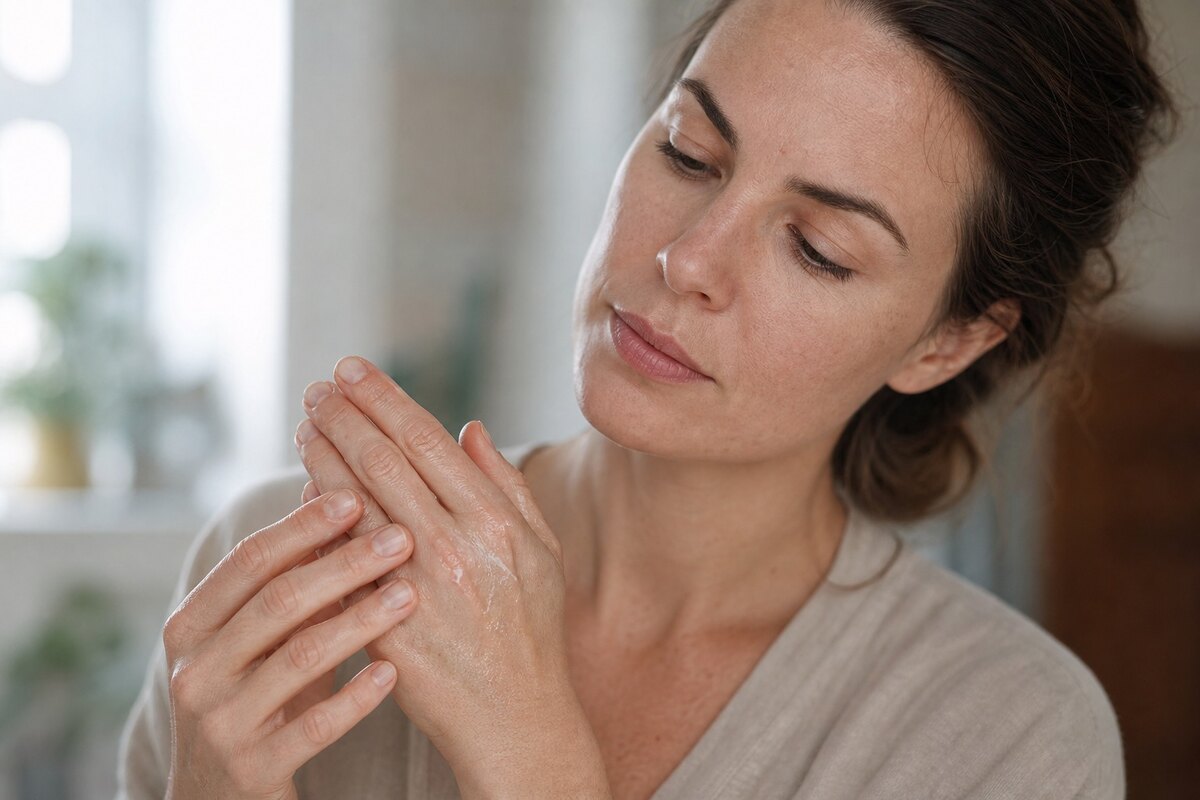
The texture is classic ointment: glossy, dense, slippery, and slow to disappear. A rice-grain amount goes far on lips or cuticles, while a pea-size dab can cover a surprisingly large area of flaky or tight skin. I would use it as the final step over moisturizer at night or as a targeted seal on the corners of the nose, lips, hands, heels, or wind-chapped patches. I would not call it makeup-friendly across the whole face, and I would be careful with large amounts if you are acne-prone or dislike any tacky residue. The upside of that weight is simple: it stays put longer than most creams.
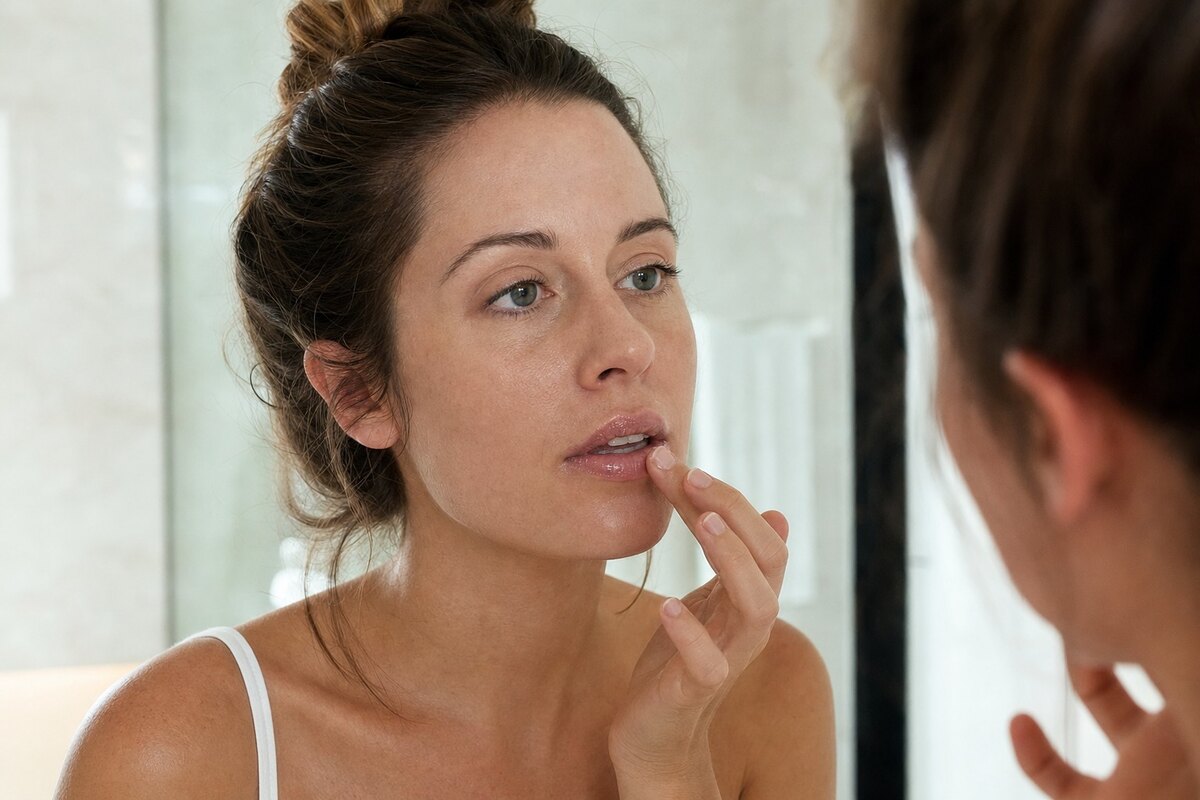
In practical use, this is the kind of product I reach for by zone, not by blanket application. On lips before bed, it makes sense. On cracked knuckles after handwashing, it makes sense. On a post-retinoid face right before a humid commute, maybe not. The formula is simple, but the placement matters if you want the benefits without the greasy frustration.
Pros & Cons
Pros:
- Excellent at sealing in moisture on lips, cuticles, cracked hands, and flaky patches.
- Fragrance-free and preservative-free, which lowers the irritation risk for many sensitive users.
- Very strong value, especially in the larger jar where the cost per ounce is notably lower.
- Widely available in multiple sizes, from bedside jars to more portable tubes.
Cons:
- Greasy, shiny finish that can feel too heavy for full-face daytime wear.
- Lanolin alcohol may be a problem for people who already know they are lanolin-sensitive.
- Does not replace a well-rounded moisturizer if your skin also needs water-binding humectants and lighter daytime comfort.
BeautySift Score
Aquaphor Healing Ointment Review - Excellent for sealing dry skin, less great for elegance
Scored on BeautySift's 5-point rubric. 10-point equivalent: 8.6/10
Best For / Not Suitable For
Best for: very dry lips, rough cuticles and knuckles, over-washed hands, flaky patches around the nose, and anyone who wants a simple nighttime seal over moisturizer.
Skip if: you dislike greasy textures, need a lightweight daytime face moisturizer, are highly acne-prone and planning to spread it over the whole face, or already know you react to lanolin-based ingredients.
If your main concern is a weak skin barrier but you still want a more cream-like daytime texture, my La Roche-Posay Cicaplast Baume B5 review is a useful comparison point because that formula aims for repair support with less slip and shine.
Where to Buy
At the time of this check, Amazon showed Aquaphor Healing Ointment at $17.59 for the 14 oz jar, $12.79 for the 7 oz tube, and $17.51 for a 1.75 oz three-pack. Sephora did not provide a usable current listing during this run, and Ulta search did not surface an active Aquaphor Healing Ointment product page. The official Aquaphor page currently points shoppers toward retailer lookup instead of a direct brand checkout price.
How It Compares
Aquaphor sits between plain petroleum jelly and more dressed-up barrier creams. Compared with Vaseline, it feels a little more conditioned because of extras like glycerin and panthenol, though both serve the same big-picture occlusive role. Compared with La Roche-Posay Cicaplast Baume B5, Aquaphor is greasier but usually better for lips, cuticles, and sharply cracked spots where a true seal matters more than cosmetic elegance. That is why I see it as a utility product rather than an all-purpose moisturizer.
Sources: Aquaphor official product page checked May 2, 2026; Amazon search results checked May 2, 2026; PMID: 40265493; PMID: 18510666; PMID: 28503966.
[EXCERPT]: This Aquaphor Healing Ointment review explains why the classic petrolatum formula still works for cracked lips, dry hands, and barrier backup, while also being honest about the grease.


