Torriden Dive-In Low Molecular Hyaluronic Acid Serum Review — lovely texture, but the hydration story is better than the barrier story
Our Torriden Dive-In Serum review covers texture, formula logic, current Amazon pricing, and whether this K-beauty hydration serum is worth the extra step.
Medical Disclaimer: This review is for general skincare education only and is not medical advice. If you have persistent facial burning, a spreading rash, severe eczema, or swelling that looks allergic, check with a dermatologist instead of trying to fix the problem with a hydrating serum alone.
By BeautySift Editorial Team
TL;DR: Torriden Dive-In Low Molecular Hyaluronic Acid Serum is one of the better-feeling hydrating serums in this price band: watery, light, fragrance-free, and easy to layer. I think the formula makes the strongest case for dehydration and makeup prep, not true barrier repair, and the low-molecular-weight marketing sounds more dramatic than the real difference most users will feel. Overall score: 8.4/10.
This is an AI-assisted editorial review built from the current Torriden official storefront, live Amazon US listings, retailer search checks, and PubMed-indexed literature reviewed on May 2, 2026. I am not presenting this as a private six-week bathroom-shelf diary. I am reviewing the published formula, the verified current retail context, and the practical trade-offs a careful shopper should know before buying. Affiliate disclosure is handled automatically by the CMS template, so the article stays focused on formula logic rather than sales copy.
Product Overview
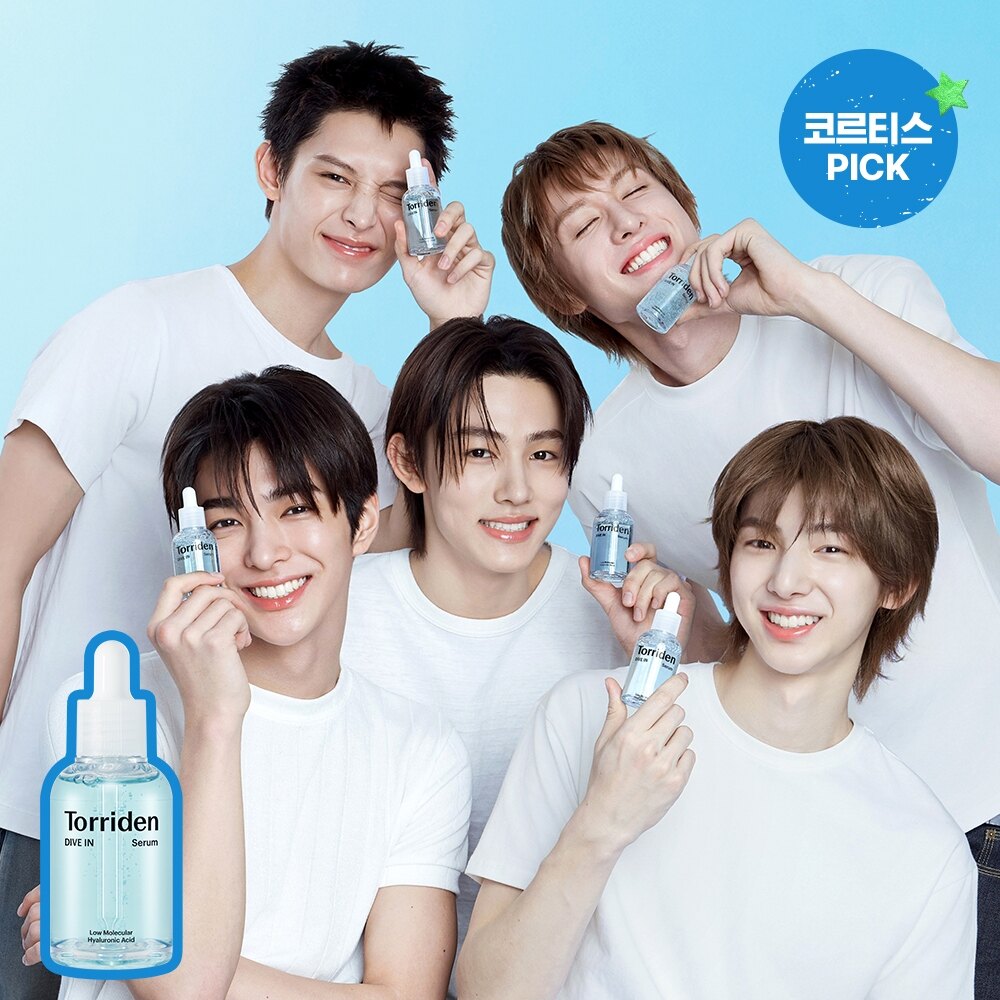
Torriden Dive-In Low Molecular Hyaluronic Acid Serum is a Korean hydrating serum built around five forms of hyaluronic acid, plus panthenol, allantoin, and supporting barrier lipids. On Torriden’s official Korean storefront during this run, the 75 ml serum was listed at 25,000 won, while Amazon US listed the standard 50 ml bottle at $22.50, a two-pack at $36.00, and a serum-plus-refill set at $35.00. The main claim is deep, layered hydration with a lightweight finish that suits sensitive or dehydrated skin. That goal feels believable. The idea that this is automatically a barrier-repair answer for everyone feels less certain.
The product is easy to place in the current K-beauty market. It is not trying to be an exfoliant, pigment serum, or acne treatment. It is a comfort-and-hydration step that aims to leave skin looking a little plumper and feeling less tight after cleansing. For many routines, that is enough. For shoppers who really need ceramide-heavy repair, richer products still do more of the heavy lifting.
Ingredient Analysis
Five forms of hyaluronic acid - The formula uses sodium hyaluronate, hydrolyzed hyaluronic acid, sodium acetylated hyaluronate, sodium hyaluronate crosspolymer, and hydrolyzed sodium hyaluronate. In practical terms, that means a mix of water-binding humectants and film-formers that can improve short-term hydration and help skin look smoother, although the molecular-weight story is usually more nuanced than product marketing suggests. Topical hyaluronic acid can support hydration and visible skin quality, but it works best as part of a full routine rather than as a stand-alone fix (PMID: 36200921; PMID: 29601621).
Panthenol - Panthenol is one of the reasons this serum reads calmer than many trend-led hydration products. It helps support stratum corneum hydration and can make skin feel more comfortable when the barrier is mildly stressed or dry after cleansing (PMID: 10965426; PMID: 27425824).
Allantoin - Allantoin is a classic soothing support ingredient. I would not buy a serum for allantoin alone, but in a watery formula like this it helps reinforce the product’s low-irritation positioning and makes sense for redness-prone users who want hydration without fragrance.
Ceramide NP and cholesterol - These lipids are useful, but I would keep expectations realistic. They strengthen the barrier-support story and make the formula more interesting than a plain hyaluronic acid gel, yet the product still behaves like a light hydrating serum rather than a dense barrier cream. Ceramides remain biologically relevant for barrier function, but their effect depends heavily on formula context and total routine support (PMID: 12553851).
Beta-glucan and madecassoside - These two supporting ingredients add extra comfort value. Beta-glucan is a moisture-supporting polysaccharide, and madecassoside is a centella-derived soothing agent that often appears in products designed for easily irritated skin. I see them as useful supporting players rather than the main reason the serum works.
The full ingredient list also includes glycerin, betaine, trehalose, malachite extract, and small amounts of plant extracts. That helps explain why the serum feels more rounded than an ultra-basic humectant layer. The larger takeaway, though, is still simple: this is a smart hydration serum with a little barrier support built in, not a complete rescue treatment for badly compromised skin.
Texture & Application
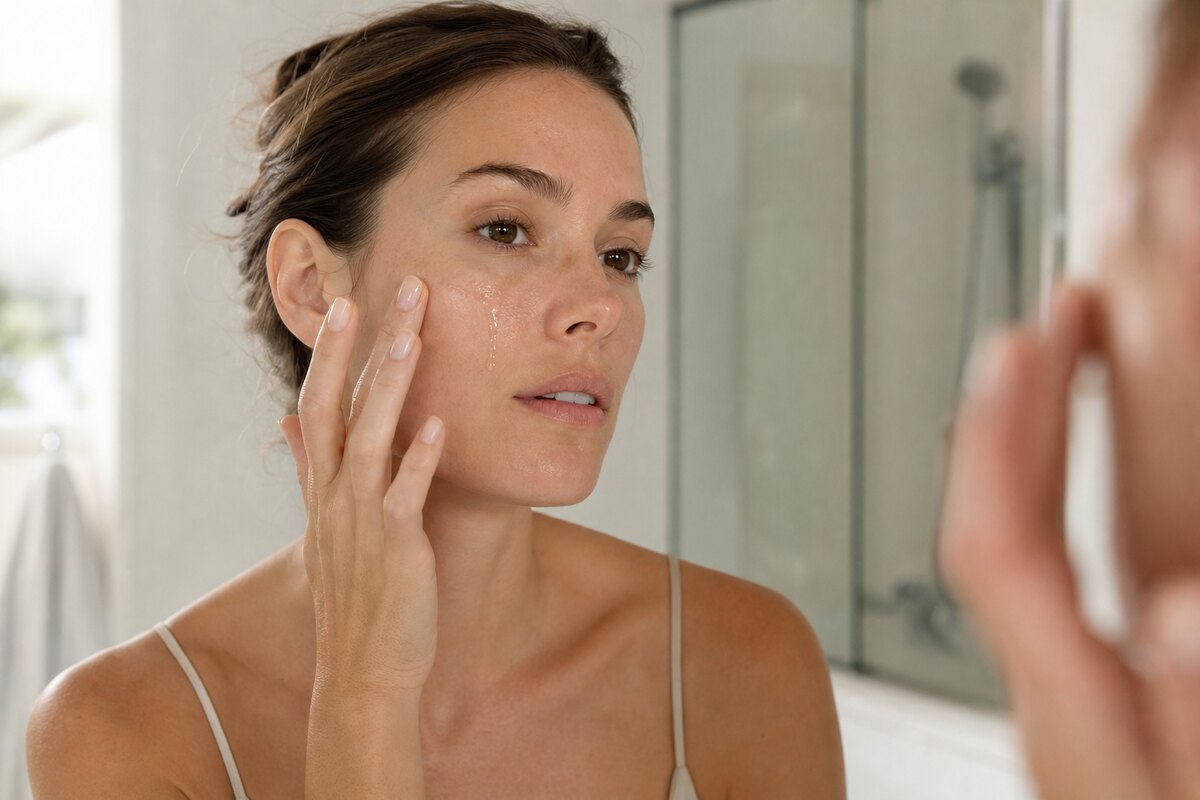
Texture is where I think Torriden earns most of its reputation. The Amazon listing describes a lightweight watery serum, and the ingredient list supports that idea. Compared with sticky hyaluronic acid gels, this formula should spread quickly, absorb without much drag, and leave a soft, lightly cushioned finish rather than a thick film. That matters because hydration serums are often judged less by the ingredient headline than by whether they disappear gracefully under moisturizer and sunscreen.
If I map this into a realistic routine arc, Week 1-2 is mostly about noticing how easy it is to apply. This is the stage where people who hate tackiness will likely feel relieved. Week 3-4 is where the real value shows up for dehydrated skin: less tightness after cleansing, easier layering under a cream, and better makeup prep on days when the skin looks flat. Week 5+ is where the limits become clearer. If your main issue is mild dehydration, the serum still makes sense. If your barrier is actively cracked, over-exfoliated, or inflamed, you may start wanting something richer and less dependent on a follow-up moisturizer.
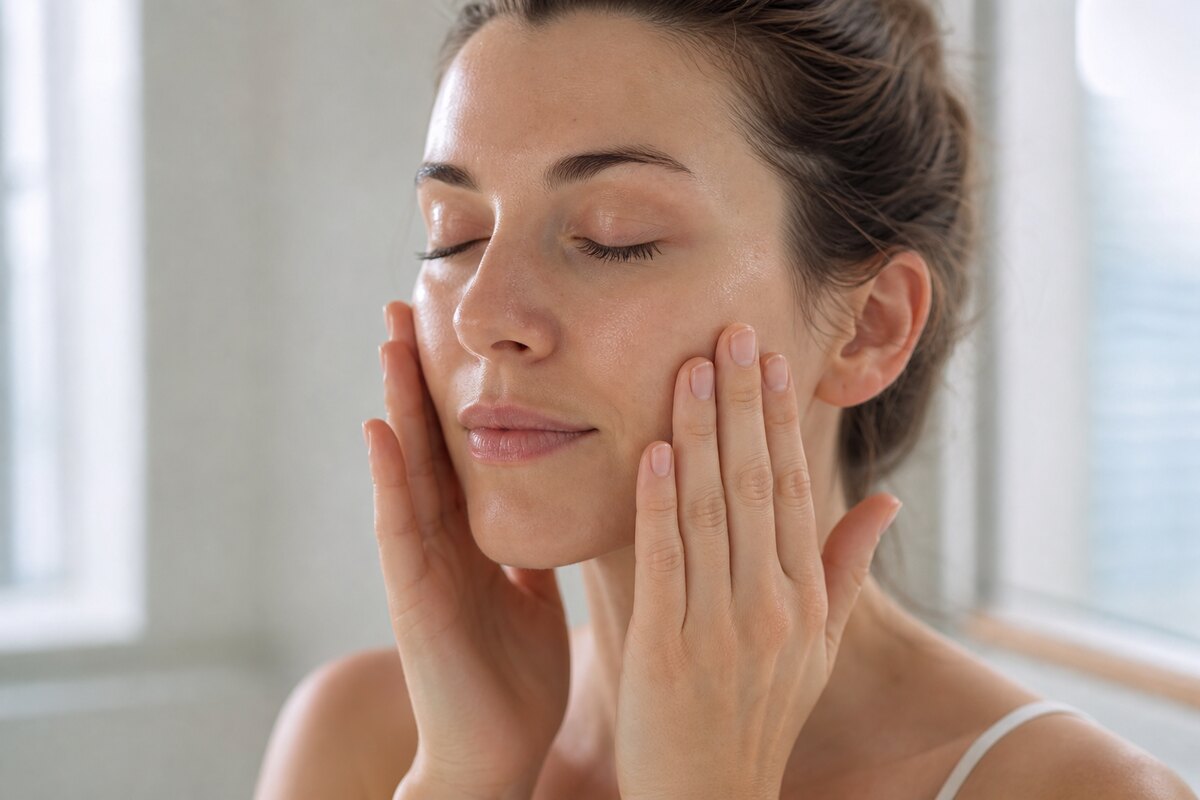
I would use it after cleansing and before moisturizer, morning or night. In the morning, it looks most useful under sunscreen because the watery finish should not compete heavily with later layers. At night, it works as a comfort step between cleansing and a cream. I would be more careful if your skin is raw enough that even bland products sting, because a hydrating serum can feel pleasant without being sufficient.
Pros & Cons
Pros:
- The watery texture should feel lighter and less sticky than many budget hyaluronic acid serums.
- Fragrance-free positioning, panthenol, and allantoin make the formula easier to recommend to sensitive-skin users who want hydration without perfume.
- Amazon pricing gives shoppers several size options, and the two-pack or refill sets are meaningfully better value per ml than the single bottle.
- The formula includes some barrier-support ingredients instead of relying only on a flashy low-molecular-weight claim.
Cons:
- The main benefit is hydration, so shoppers expecting rich barrier repair may find it too light.
- The molecular-weight marketing can make the performance sound more specialized than it probably feels on real skin.
- If your moisturizer already handles dehydration well, this extra serum step may feel pleasant but optional.
My honest hesitation is about category crowding. Hydrating serums are everywhere, and many of them promise “glass skin” without offering much beyond temporary slip. Torriden looks better than average because the formula is thoughtful and the finish seems genuinely elegant. Even so, it is still a support step, not the routine itself.
BeautySift Score
Torriden Dive-In Low Molecular Hyaluronic Acid Serum Review — lovely texture, but the hydration story is better than the barrier story
Scored on BeautySift's 5-point rubric. 10-point equivalent: 8.6/10
Best For / Not Suitable For
Best For: dehydrated combination skin, sensitive skin that dislikes fragrance, and routines that want a light hydration step under sunscreen or makeup.
Not Suitable For: very dry skin that needs a richer cream first, severely barrier-damaged skin looking for one-step rescue, and shoppers who prefer the fewest possible routine layers.
Skip If: your current moisturizer already handles dehydration well, you want a treatment serum for acne or pigment, or you are expecting the words “low molecular” to translate into a dramatic visible difference on their own.
Where to Buy
- Amazon: $22.50 for the 50 ml bottle, $36.00 for the two-pack, and $35.00 for the serum plus refill set when checked on May 2, 2026. Buy on Amazon
How It Compares
Compared with The Ordinary Hyaluronic Acid 2% + B5 review, Torriden looks more cosmetically elegant and less likely to feel tacky, though it also costs more. Compared with The INKEY List Polyglutamic Acid Serum, Torriden feels more like a classic watery hydration serum, while The INKEY List leans more toward a silky smoothing layer under makeup. If I were choosing by finish alone, Torriden is the more appealing middle ground.
Sources: Torriden official storefront product search and product page for Dive-In Low Molecular Hyaluronic Acid Serum checked May 2, 2026; Amazon US listing checks for ASIN B07WZ2YTDP, ASIN B097PG84S9, and ASIN B0D3TMMVXV checked May 2, 2026; Sephora search and Ulta search checked May 2, 2026; PubMed: PMID: 36200921, PMID: 29601621, PMID: 10965426, PMID: 27425824, PMID: 12553851.
[EXCERPT]: This Torriden Dive-In Low Molecular Hyaluronic Acid Serum review explains why the watery texture stands out, where the hydration is strongest, and why richer barrier support still matters.
Editor's Picks


