
Clean Beauty vs Traditional Hormonal Acne Treatment for Sensitive Skin
Evidence-weighted 2026 comparison of clean-beauty acne care and traditional OTC acne treatment for sensitive, perimenopausal skin.
We analyzed 3 Amazon US rating snapshots totaling 34,751 ratings, FDA OTC acne-drug guidance, 2024 AAD acne guidelines on PubMed, and Allure editorial coverage. For sensitive hormonal acne in 2026, traditional OTC actives win on evidence; clean-beauty formulas can be gentler support, not the main treatment.
| Criterion | Clean-beauty hormonal acne support Botanical and minimalist acne-care category $19.99 | 🏆 Winner Traditional OTC hormonal acne treatment Adapalene and benzoyl peroxide category $23.97 | Barrier-first hybrid routine Low-strength actives plus moisturizer category $18.99 |
|---|---|---|---|
| Efficacy evidence Strength of evidence for reducing inflammatory acne lesions, weighted toward AAD guidelines, FDA-recognized OTC actives, and rating depth. | 5.9/10 | 8.8/10 | 7.6/10 |
| Sensitive-skin tolerability Likelihood of fitting reactive or dryness-prone skin when introduced slowly and paired with moisturizer. | 7.8/10 | 6.7/10 | 8.0/10 |
| Mature-skin friendliness Fit for skin over 35 that may be drier, more easily irritated, or balancing acne with fine lines. | 7.5/10 | 7.2/10 | 8.4/10 |
| Value USD price, role in routine, and ability to replace multiple less-evidenced spot products. | 6.8/10 | 8.5/10 | 7.9/10 |
| Accessibility Ease of buying through common US retail channels and Amazon US without relying on specialty import retailers. | 7.0/10 | 9.0/10 | 8.2/10 |
| Evidence transparency How clearly the active ingredient is named, regulated, guideline-supported, and connected to acne rather than vague detox or pore claims. | 5.5/10 | 9.2/10 | 8.0/10 |
| Overall score | 6.75 | 8.23 | 8.02 |
🏆 Winner: Traditional OTC hormonal acne treatment
Traditional OTC treatment wins because the evidence base is more direct: the 2024 AAD acne guideline is indexed on PubMed, FDA OTC acne-drug materials cover benzoyl peroxide and salicylic acid, and the representative Amazon products analyzed here show 34,751 combined ratings across adapalene, benzoyl peroxide, and salicylic acid. Clean-beauty formulas may feel gentler, but their hormonal-acne claims are usually less specific.
Best on a budget
Neutrogena Stubborn Acne AM Treatment at the captured $12.97 Amazon snapshot is the lower-cost traditional option, especially if benzoyl peroxide is tolerated.
Best for results
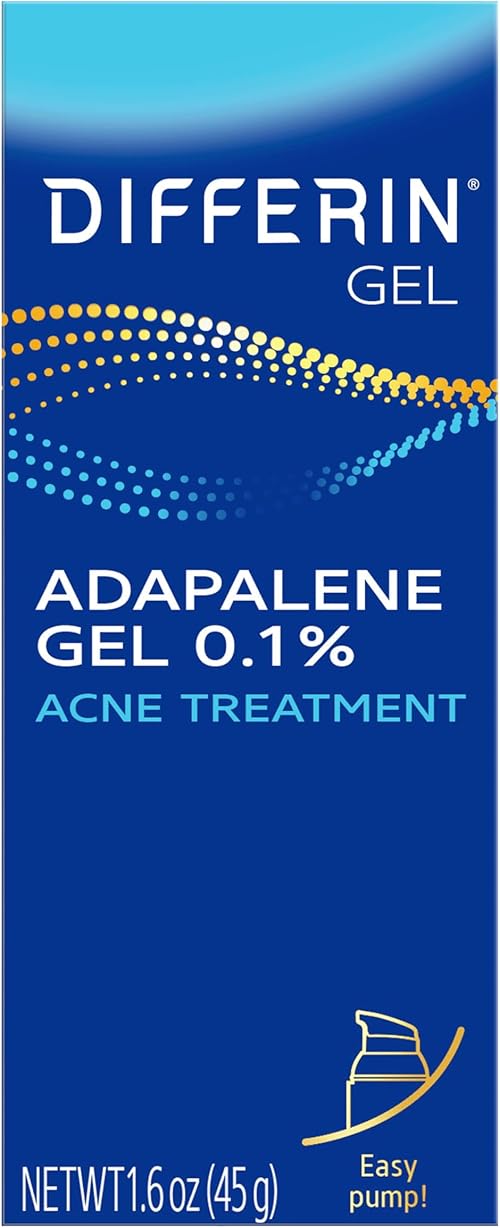
Differin Acne Treatment Gel 0.1% adapalene is the strongest results-oriented OTC representative because adapalene is an acne retinoid and aligns more closely with guideline-based acne care than botanical spot products.
Quick verdict
For sensitive hormonal acne in 2026, the better primary route is traditional OTC acne treatment used conservatively, not a purely clean-beauty routine. That does not mean a harsh routine. It means choosing named, regulated actives, adding them slowly, and protecting the barrier rather than rotating through fragrant spot treatments.
The evidence split is clear. The traditional side has the 2024 American Academy of Dermatology acne guideline indexed on PubMed, FDA OTC acne-drug materials, and high-volume US retail feedback. The representative Amazon products we analyzed total 34,751 visible ratings: Differin 0.1% adapalene at 4.6/5 across 10,210 ratings, Neutrogena 2.5% benzoyl peroxide at 4.5/5 across 4,969 ratings, and La Roche-Posay 2% salicylic acid cleanser at 4.6/5 across 19,572 ratings.
Clean-beauty acne care has a real place, especially for shoppers who want fragrance-free, cruelty-conscious, minimalist, or botanically positioned formulas. The problem is the phrase “hormonal acne treatment.” Hormonal acne around the jawline, chin, and lower cheeks is not solved by a label that says clean. AAD patient guidance on hormonal therapy discusses clinician-directed options for women, including spironolactone and oral contraceptives; that is a different evidence lane than a tea tree, willow bark, or sulfur spot product.
What we mean by clean beauty here
Clean beauty is not a medical category. In the US, it usually signals a brand’s ingredient restrictions, marketing philosophy, retailer standard, or avoidance list. It can be useful shorthand if you are trying to avoid heavy fragrance, drying alcohol, or formulas that feel too aggressive. It does not automatically mean the formula is safer, non-irritating, or better for perimenopause-related acne.
For sensitive skin after 35, that distinction matters. Perimenopause can coincide with more dryness, slower barrier recovery, and cyclical chin or jaw breakouts. A clean-beauty spot treatment that relies on essential oils, high acid load, or astringent botanicals may feel just as irritating as a drugstore acne treatment. Conversely, a traditional active at a lower strength can be more predictable because the active, percentage, and use pattern are clearer.
Our scoring gives the clean-beauty support route a 5.9 for efficacy evidence and 7.8 for tolerability. That is a fair trade-off profile: potentially easier to wear, but less direct for recurring hormonal acne. The traditional OTC route scores 8.8 for efficacy evidence and 6.7 for tolerability, which explains the practical answer. It is more evidence-backed, but it needs a slower ramp.
What traditional treatment does better
Traditional acne treatment wins because it is more specific. Adapalene is an acne retinoid. Benzoyl peroxide is an OTC acne medication active. Salicylic acid is included in FDA OTC acne-drug rulemaking history. Those categories are easier to evaluate than vague claims around detoxing pores or balancing blemish-prone skin.
Differin 0.1% adapalene is the strongest representative for recurring clogged pores, chin texture, and breakouts that keep returning in the same zone. The Amazon snapshot we captured showed 4.6/5 across 10,210 ratings at $23.97. That volume does not prove it works for everyone, but it gives a broader user-evidence base than many niche clean-beauty acne serums.
Neutrogena Stubborn Acne AM Treatment is the budget traditional pick. The Amazon snapshot showed 4.5/5 across 4,969 ratings at $12.97. Its 2.5% benzoyl peroxide positioning is important for sensitive skin because shoppers often jump to 10% spot gels and then blame benzoyl peroxide itself for irritation. A lower-strength leave-on can still be drying, but it is a more reasonable starting point.
La Roche-Posay Effaclar Medicated Gel Cleanser is not the winner for hormonal acne by itself. A wash-off cleanser has limited contact time. It earns its place as a support product for oily zones, sunscreen removal, and mornings when a leave-on active would be too much. The Amazon snapshot showed 4.6/5 across 19,572 ratings at $18.99, the largest rating pool in this comparison.
Where clean beauty still fits
Clean beauty can be useful as the low-irritation frame around treatment. If your skin burns from everything, the first move may be subtracting: fewer essential oils, fewer exfoliating toners, fewer masks, fewer drying spot treatments, and fewer actives stacked on the same night. A clean-positioned moisturizer, a gentle cleanser, or a non-fragrant recovery balm may help you tolerate the treatment that actually addresses acne.
Clean-beauty acne products are weaker when they present hormonal acne as a surface-only problem. Jawline acne linked with cycle shifts, perimenopause, stress, or androgen sensitivity often behaves differently from a random whitehead. AAD patient guidance on hormonal therapy exists because some women need a medical conversation, not another cosmetic spot product.
That said, a clean-beauty shopper does not have to abandon ingredient standards. You can choose a fragrance-free, cruelty-conscious routine and still use adapalene or benzoyl peroxide carefully. The most mature-skin-friendly plan is often a hybrid: a gentle base routine, one proven acne active, daily sunscreen, and no nightly pile-up of acids.
Sensitive-skin routine strategy
If your skin is sensitive, the winner is not “more treatment.” The winner is consistency with fewer variables. For adapalene, consider starting 2 nights weekly, applying moisturizer first or after, and avoiding exfoliating acids on the same night. If the skin stays comfortable for 2 to 3 weeks, increase slowly. If tightness, peeling, or burning shows up, hold frequency rather than adding another calming serum.
For benzoyl peroxide, the most common mature-skin mistake is treating the entire face like teenage oily skin. Use a thin layer only where inflamed acne clusters, or choose short-contact use if leave-on treatment feels too drying. Benzoyl peroxide can bleach towels and pillowcases, so white linens are practical.
For salicylic acid cleanser, do not assume more contact time is better. Massage briefly, rinse thoroughly, and watch the corners of the nose, mouth, and chin for dryness. If you are already using adapalene, a salicylic acid cleanser every morning may be too much. Use it several times weekly rather than daily if your barrier is reactive.
Scoring breakdown
Traditional OTC treatment wins on efficacy evidence, evidence transparency, and accessibility. It scores 8.8 for efficacy evidence and 9.2 for evidence transparency because the actives are named, regulated, and tied to acne guidance. The clean-beauty support route scores 5.9 and 5.5 in those same categories because the category is broader and claims are less standardized.
The clean-beauty route scores higher for sensitive-skin tolerability at 7.8, but that score comes with a caveat: clean formulas vary widely. A fragrance-free minimalist product may be gentle; a heavily scented botanical treatment may not be. Traditional care scores 6.7 for tolerability because adapalene and benzoyl peroxide can irritate if overused, especially on drier perimenopausal skin.
The barrier-first hybrid routine is the most realistic for many women 35 to 55. It does not beat traditional care for results, but it scores 8.4 for mature-skin friendliness because it treats acne without pretending the rest of the face is still oily teenage skin. In practice, that means one acne active, moisturizer, sunscreen, and patience.
Who should choose which route
Choose traditional OTC treatment if your acne is recurring, inflamed, or leaving marks. Start with Differin if the pattern is clogged pores, chin texture, and recurring bumps. Start with low-strength benzoyl peroxide if the pattern is red, inflamed pimples. Add a salicylic acid cleanser only if oil and congestion are part of the picture.
Choose a clean-beauty support routine if your skin is too reactive for a full acne protocol right now, or if your main issue is barrier damage from over-treatment. Use that phase to simplify, not to collect more spot products. A gentle cleanser, moisturizer, sunscreen, and one carefully chosen active will usually outperform a crowded routine.
Choose medical guidance if the acne is cystic, painful, scarring, or clearly hormonal despite 8 to 12 weeks of consistent OTC care. AAD guidance on hormonal therapy for women covers options that are not cosmetic products. That is especially relevant if breakouts track with cycles, perimenopause symptoms, or jawline flares.
Bottom line
For sensitive hormonal acne, clean beauty is best understood as a routine philosophy, not the treatment winner. Traditional OTC acne care wins when the question is results, evidence, and transparency. The smartest version is not harsh: adapalene or low-strength benzoyl peroxide introduced slowly, salicylic acid used selectively, and a barrier-supporting routine around it.
We may earn a commission on qualifying Amazon links, but affiliate availability did not affect the scoring. The ranking is based on public evidence, visible US retail data, and ingredient-category fit for sensitive, perimenopausal skin.
Related reading
Both winners on Amazon
Differin
Differin Acne Treatment Gel 0.1% Adapalene
$23.97
"Traditional retinoid representative with the strongest evidence fit; Amazon US snapshot showed 4.6/5 across 10,210 ratings."

Neutrogena
Neutrogena Stubborn Acne AM Treatment 2.5% Benzoyl Peroxide
$12.97
"Lower-cost inflamed-blemish option; Amazon US snapshot showed 4.5/5 across 4,969 ratings."

La Roche-Posay
La Roche-Posay Effaclar Medicated Gel Cleanser 2% Salicylic Acid
$18.99
"Sensitive-skin-friendly wash-off salicylic acid representative; Amazon US snapshot showed 4.6/5 across 19,572 ratings."