First Aid Beauty Ultra Repair Cream Review — Great for dry body skin, less ideal for purists
First Aid Beauty Ultra Repair Cream review: an honest look at texture, ingredients, prices, and why this rich moisturizer suits dry skin best.
Medical Disclaimer: This review is for general skincare education only and is not medical advice. If you have eczema flares, cracked skin that is not healing, a suspected allergy, or persistent facial irritation, check with a dermatologist before changing your routine.
By BeautySift Editorial Team
TL;DR: First Aid Beauty Ultra Repair Cream is a rich, effective moisturizer for dry face-and-body skin, and the colloidal oatmeal plus ceramide positioning makes sense for barrier support. The catch is that the formula is not as minimalist as some sensitive-skin shoppers assume, because the current ingredient list also includes feverfew extract and eucalyptus globulus leaf oil. Overall score: 8.1/10.
This is an AI-assisted editorial review based on the current First Aid Beauty ingredient list, retailer checks performed on May 2, 2026, Amazon listing checks, and PubMed-indexed sources rather than a blinded wear test.
BeautySift affiliate disclosure is handled by the site template, not manually scored into this review.
Product Overview
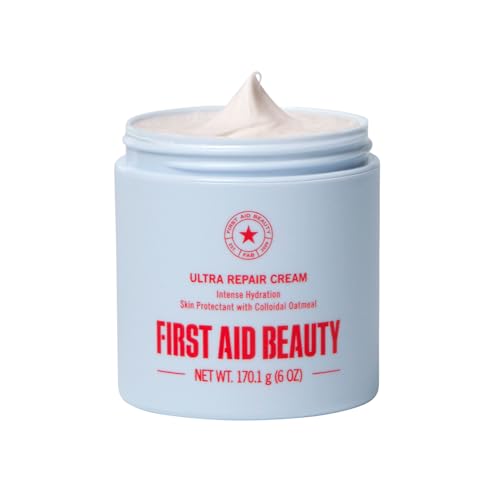
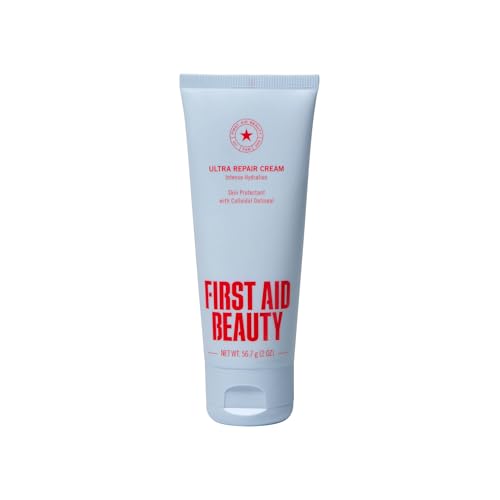
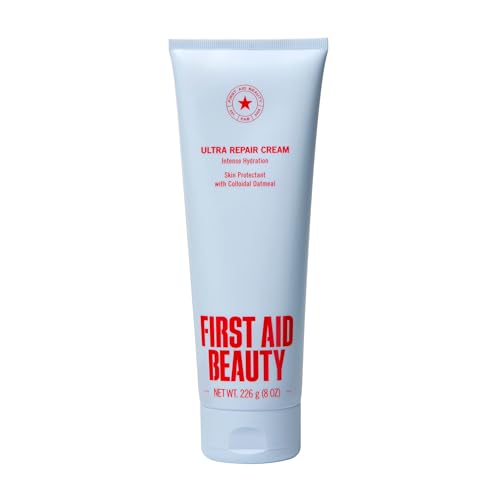
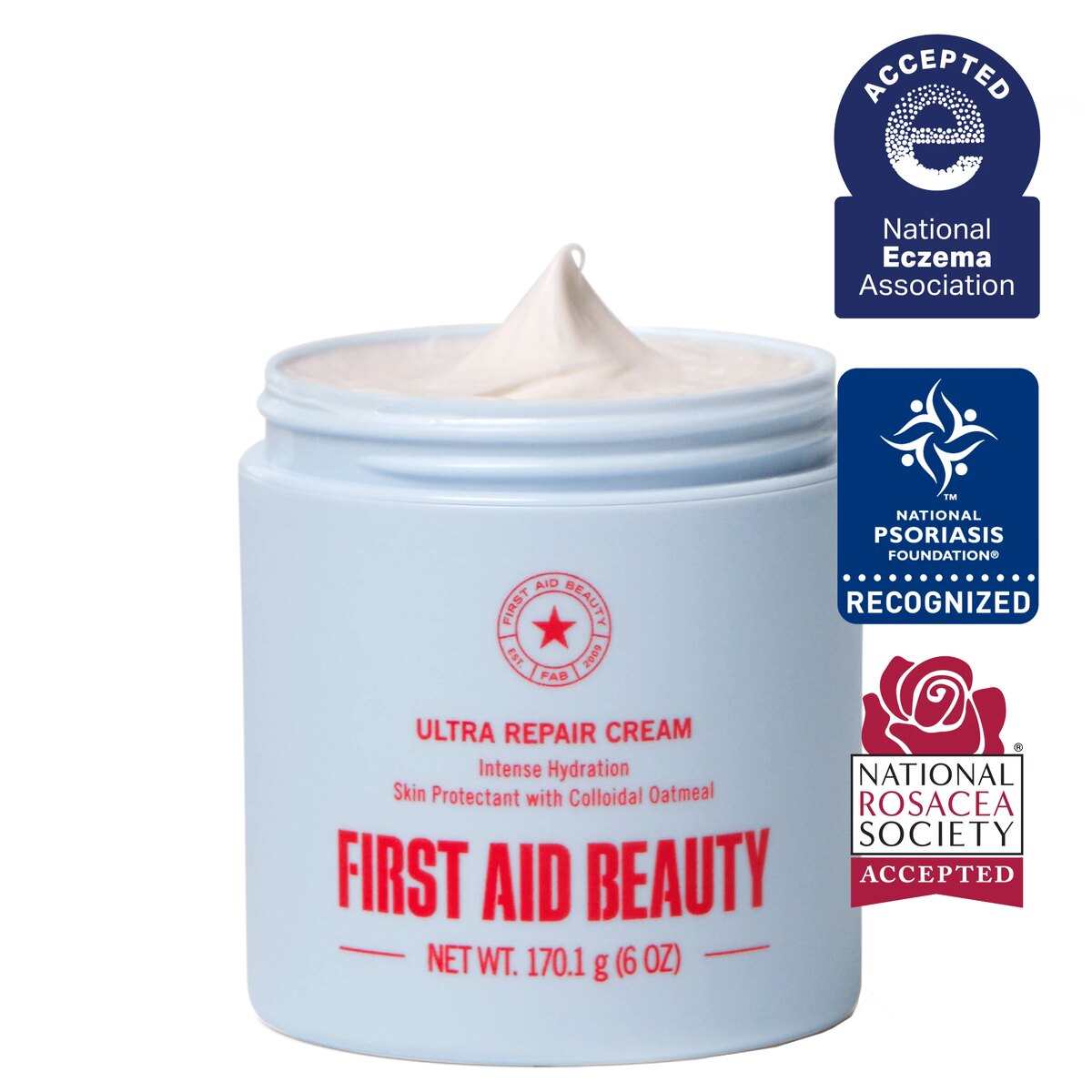
First Aid Beauty Ultra Repair Cream Intense Hydration is the brand’s best-known barrier cream, positioned as a face-and-body moisturizer for dry, distressed, and eczema-prone skin. The current product page highlights colloidal oatmeal, ceramides, and shea butter, while Ulta describes it as suitable for sensitive skin and non-comedogenic. On paper, that makes it sound like a direct answer for anyone whose skin feels rough, tight, or over-stripped. In practice, I think it sits in a more specific lane: a rich comfort cream for dryness first, and a sensitive-skin option second. When I checked pricing on May 2, 2026, the brand site and Ulta both listed the 6 oz jar at $42.00, Sephora search results showed $38.00, and Amazon listed the 6 oz jar at $24.99. That price spread matters because this is a good cream, but it is not cheap at every retailer, and the wrong retailer makes the value case much weaker.
Ingredient Analysis
This formula makes more sense as a barrier-support cream than as a pure “sensitive skin minimalism” product. The brand’s headline ingredients are useful, but the supporting extracts change the risk profile a little.
Colloidal Oatmeal - This is the star ingredient and the main reason the cream has a credible case for dry, itchy, eczema-prone skin. Colloidal oatmeal works as a skin protectant and has supportive clinical literature in atopic dermatitis and xerosis care, especially when used inside well-built moisturizers rather than as a standalone fix. PMID: 33026769; PMID: 32524381.
Ceramide NP - Ceramides are central barrier lipids, so including one in a moisturizer is a logical move for skin that feels tight, rough, or easily irritated. They do not magically rebuild skin overnight, but ceramide-containing moisturizers can support barrier maintenance over time. PMID: 12553851; PMID: 33852254.
Glycerin - Glycerin is one of the least flashy but most useful humectants in skincare. It helps pull water into the upper layers of the skin and has a long track record for improving hydration and supporting barrier function in dry-skin formulas. PMID: 18510666.
Hydrogenated Shea Butter - Shea butter adds the soft, cushioned feel that makes this cream more comforting than a thin lotion. It also helps reduce the tight, papery feel that many reactive skin types get after cleansing or showering.
Allantoin - Allantoin is a classic soothing support ingredient. It is not an eczema treatment on its own, but it fits well in a cream designed to calm surface irritation and reduce the rough feel of very dry skin.
The main caveat is what comes after the headline actives. The current ingredient list also includes feverfew extract and eucalyptus globulus leaf oil. That does not automatically make the cream bad, but it does mean this is less stripped-down than products like Vanicream Moisturizing Skin Cream. If your skin reacts badly to essential oils or botanical extras, this deserves a patch test before full-face use.
Texture & Application
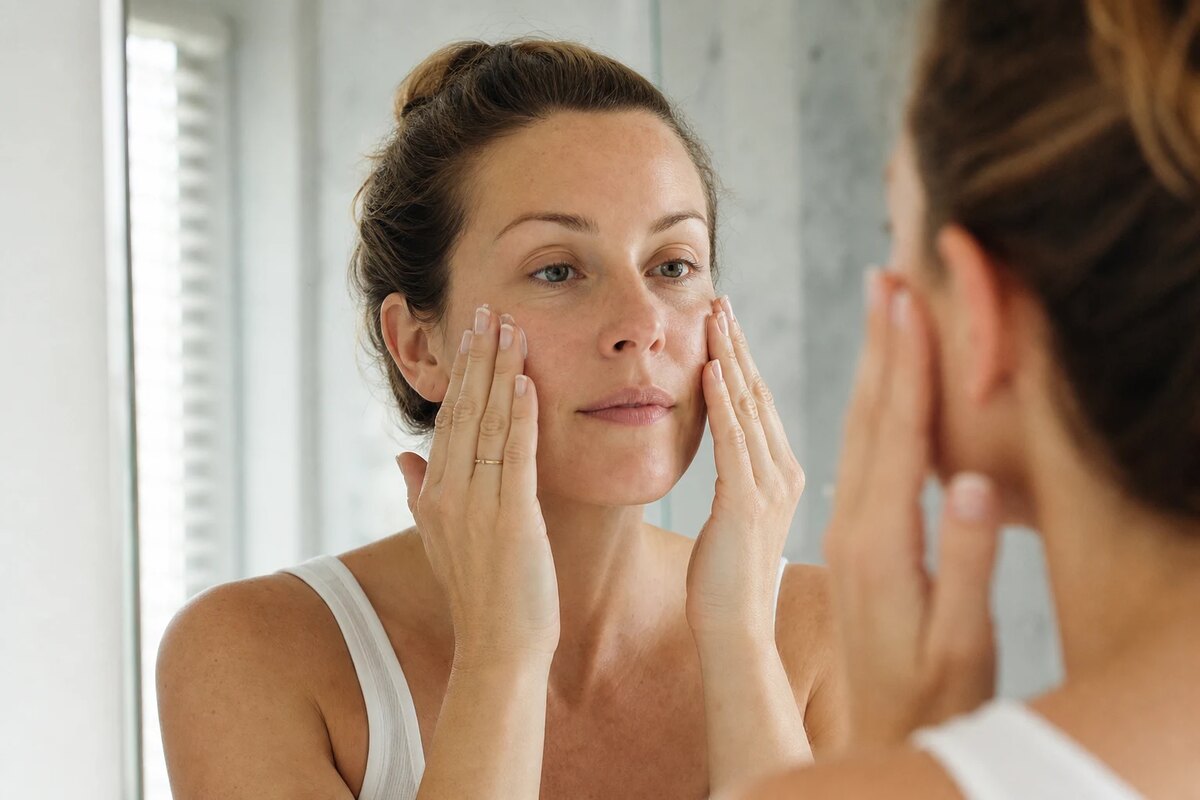
The texture is thick, whipped, and cushiony, sitting somewhere between a dense cream and a lighter balm. It spreads more easily than petrolatum-heavy ointments, but it is still unmistakably rich. There is no obvious perfume-cloud effect, yet the formula is not truly plain in the way Vanicream is plain, and very reactive users may notice that. I would use it on slightly damp skin after cleansing or after a shower, then keep the layer modest on the face and more generous on elbows, hands, or shins. Under makeup, it can be a bit much unless your skin is genuinely dry. For body use, though, that plush feel is a real advantage because it takes less product than you might expect to cover flaky areas.
Where placement matters most is facial comfort versus facial reactivity. If your cheeks are dry from retinoids, cold weather, or over-cleansing, this can feel immediately reassuring. If you are acne-prone, heat-sensitive, or prefer an invisible daytime finish, the same richness can start to feel suffocating. That split is why I would treat Ultra Repair Cream as a situational moisturizer rather than a one-size-fits-all daily staple.
Week 1-2
Most users will notice fast relief from tightness, flaking, and that uncomfortable stretched feeling after cleansing. The main downside early on is shine, especially on combination skin or under sunscreen.
Week 3-4
By the third or fourth week, the value is consistency. A rich moisturizer that you can use on both face and body often becomes the product you keep reaching for when the weather is dry or your barrier is irritated.
Week 5+
Longer term, this works best as maintenance and comfort care. It can support a compromised barrier, but it is not a replacement for prescription eczema treatment, and it will not suit every face just because it suits dry arms and legs.
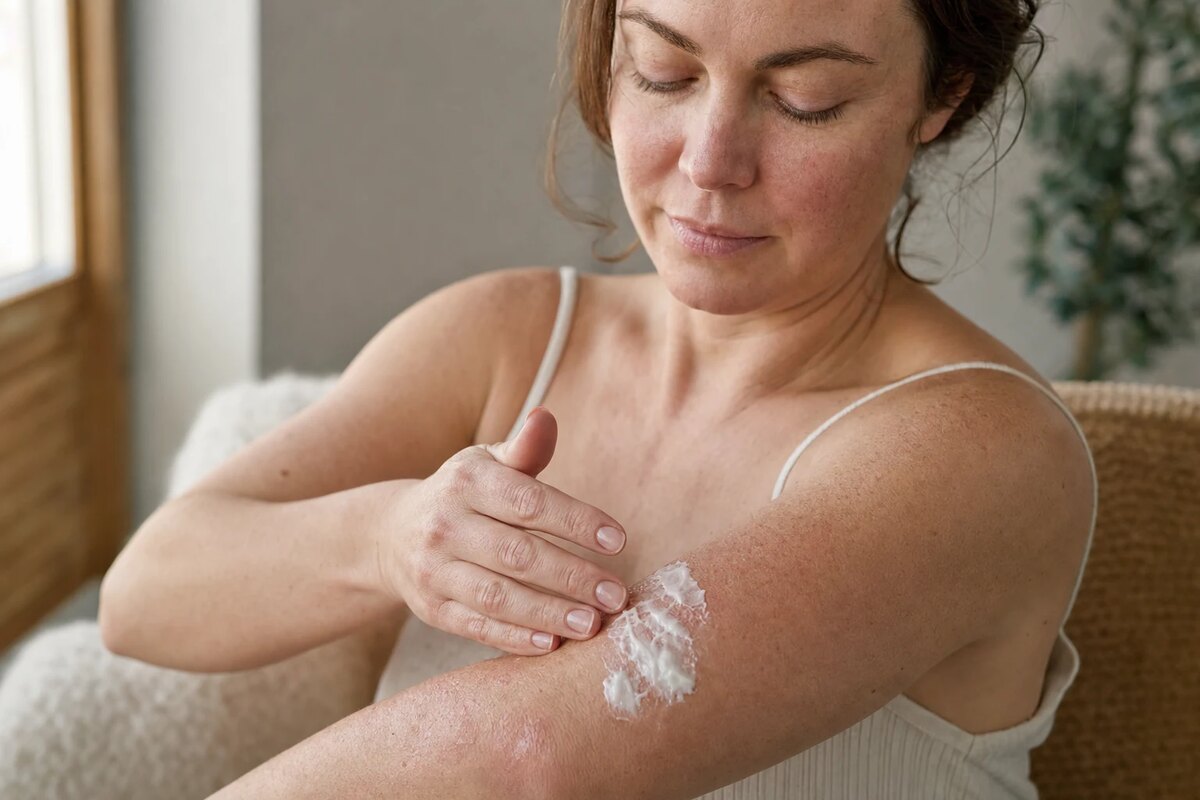
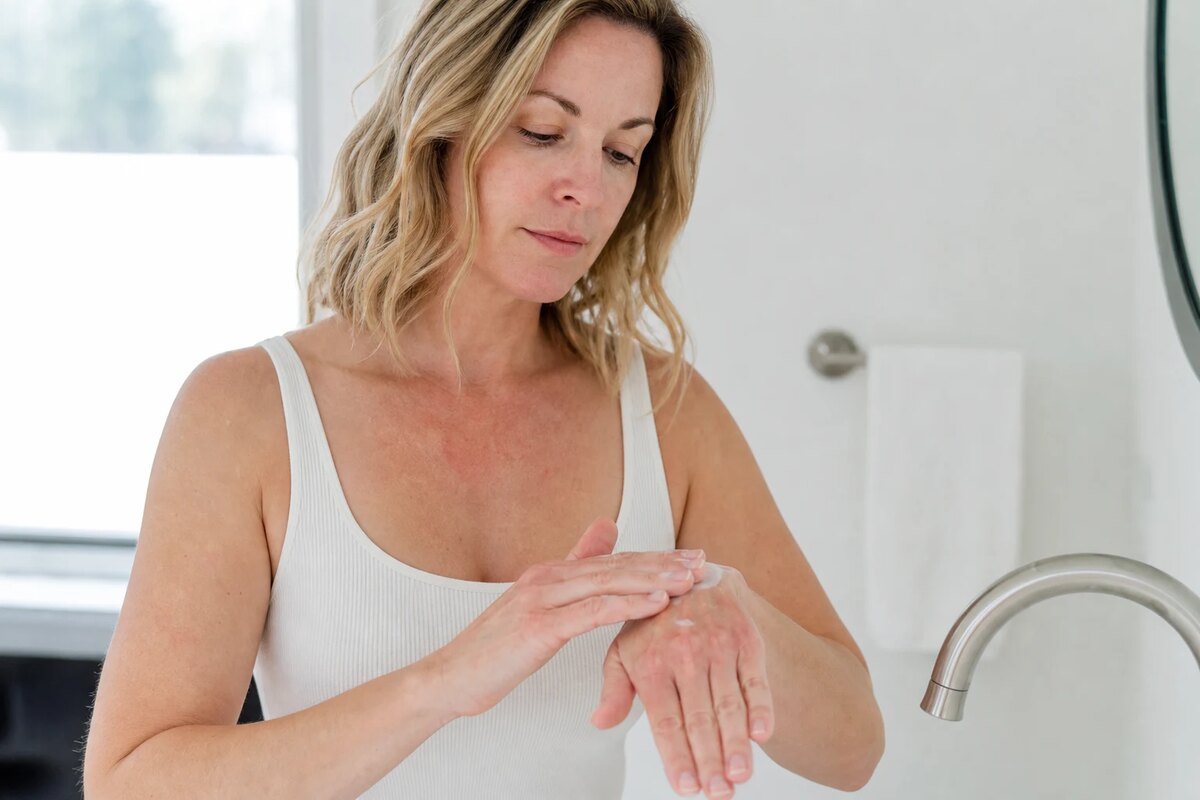
The packaging is practical rather than luxurious. A jar is easy for body use and lets you scoop out enough product for elbows or legs quickly, but it is not ideal for users who prefer pumps for hygiene or travel convenience. For a face-only moisturizer at full retail, I would have preferred either a more protective pump or a lower price.
Pros & Cons
Pros:
- Excellent rich texture for dry body skin, rough patches, and winter barrier support.
- Colloidal oatmeal, glycerin, and ceramide positioning make sense for comfort-focused moisturization.
- Usable on both face and body, which can simplify a routine when skin is irritated.
- Amazon pricing was much more competitive than the brand, Ulta, or Sephora pricing when I checked.
Cons:
- The current formula is not as minimalist as its reputation suggests because it includes eucalyptus globulus leaf oil and feverfew extract.
- Can feel too rich, shiny, or heavy on oily or acne-prone facial skin.
- Retail price varies a lot by seller, so value depends heavily on where you buy it.
BeautySift Score
First Aid Beauty Ultra Repair Cream Review — Great for dry body skin, less ideal for purists
Scored on BeautySift's 5-point rubric. 10-point equivalent: 8.0/10
Best For / Not Suitable For
Best For: dry or very dry skin, body roughness, winter barrier support, and people who like richer creams more than lotions.
Skip If: you want a truly minimalist fragrance-free formula, dislike heavier finishes, or break out easily from rich face creams.
Not Suitable For: very oily facial skin, users who avoid essential-oil-adjacent ingredients, and anyone expecting this to replace medical eczema care.
Where to Buy
- Amazon: 6 oz listed at $24.99 when checked on May 2, 2026. Buy on Amazon
How It Compares
Compared with Vanicream Moisturizing Skin Cream, First Aid Beauty feels more elegant and less greasy, but Vanicream is the safer pick for ingredient purists who want fewer potential triggers. Against La Roche-Posay Cicaplast Baume B5, Ultra Repair Cream is better as an all-over daily moisturizer, while Cicaplast usually makes more sense as a targeted barrier balm for irritated zones. If your priority is texture and comfort, First Aid Beauty is easier to enjoy. If your priority is maximum simplicity, it is not the obvious winner.
Sources: First Aid Beauty product page; Ulta product page; Sephora search listing; Amazon product listings; PubMed PMID: 33026769, PMID: 32524381, PMID: 12553851, PMID: 33852254, PMID: 18510666.
[EXCERPT]: Our First Aid Beauty Ultra Repair Cream review explains why this moisturizer works well for dry skin, but also why ingredient purists may prefer a plainer barrier cream.