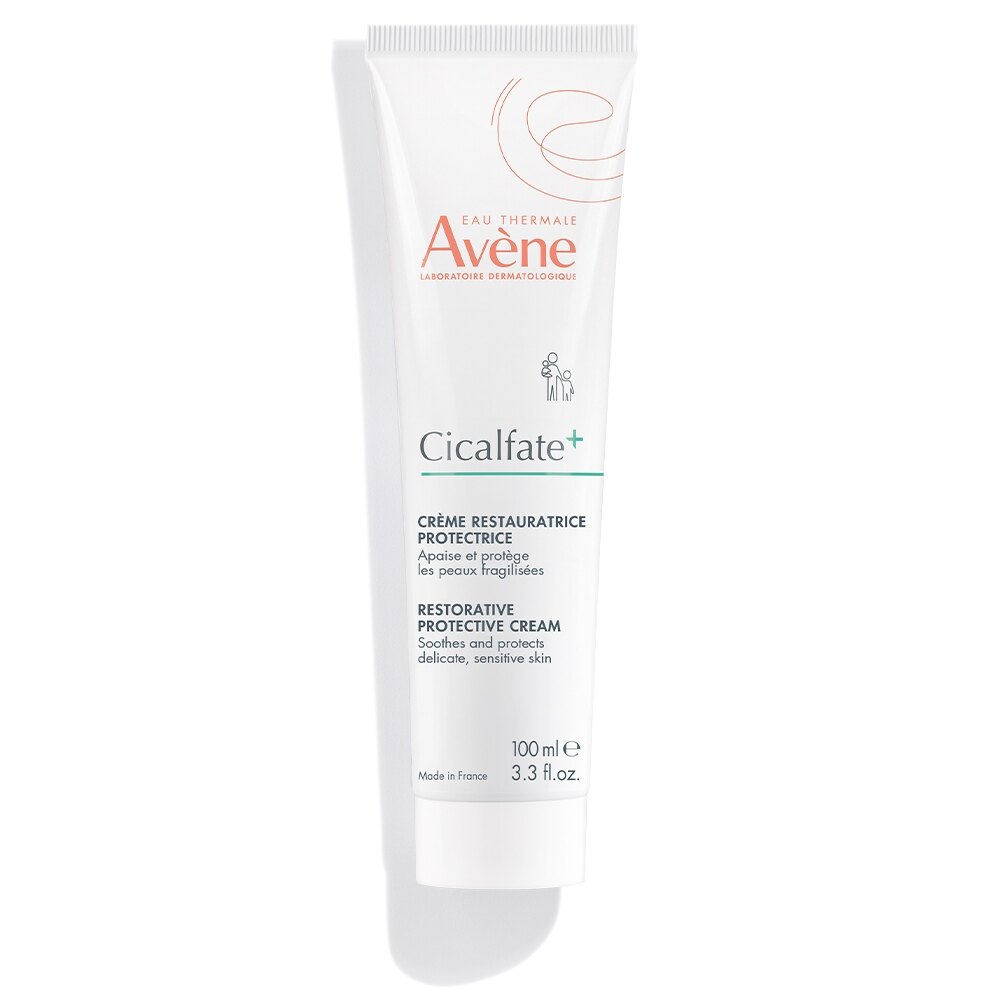
Avene Cicalfate+ Restorative Protective Cream Review — Reliable for irritated skin, but not especially elegant
Our Avène Cicalfate+ review looks at texture, barrier-repair ingredients, current pricing, and whether this rich cream makes sense for irritated skin.
Medical Disclaimer: This review is for general skincare education only and is not medical advice. If you have an open wound, a fresh in-office procedure, a suspected infection, worsening eczema, or a rash that keeps spreading, check with your dermatologist before using a repair cream on compromised skin.
By BeautySift Editorial Team
TL;DR: Avène Cicalfate+ Restorative Protective Cream is a sensible barrier-repair cream for irritated, over-treated, or post-procedure skin because it combines a rich occlusive base with glycerin and mineral support ingredients. What keeps it from a higher score is texture: it can feel thick, slightly draggy, and more practical than pleasant for daily full-face use. Overall score: 8.2/10.
This is an AI-assisted editorial review built from the current Avène USA product page, Ulta listing, Amazon product pages checked on May 2, 2026, and PubMed-indexed background literature. I am not pretending this is a blinded wear diary from a human bathroom shelf; the point is to evaluate the formula, positioning, and purchase logic honestly. BeautySift affiliate disclosure is handled automatically by the site template, not written as a sales pitch inside this review.
Product Overview
Avène Cicalfate+ Restorative Protective Cream is a fragrance-free barrier cream aimed at skin that feels compromised, over-exfoliated, freshly irritated, or temporarily weakened after professional treatment. On the Avène USA site, the 100 ml size was listed at $40.00 when I checked, while Amazon listed the 3.3 fl oz tube at $40.00 and the 1.3 fl oz tube at $26.00. Ulta listed the 1.3 oz size at $24.70. The pitch is straightforward: this is not a trendy peptide moisturizer or a glow product. It is a thick, utility-first cream meant to cushion stressed skin and reduce the feeling that your face is one bad cleanser away from another flare.
Ingredient Analysis
This formula is more old-school repair cream than modern sensory moisturizer, and that is mostly the point. The ingredient list is shorter than many prestige creams and easier to read than the marketing language around it.
Glycerin - Glycerin is the most quietly useful ingredient here. It draws water into the upper layers of skin and has longstanding support in the dermatology literature as a hydration and barrier-support workhorse rather than a flashy active. PMID: 18510666.
Mineral Oil - Mineral oil is not glamorous, but it is effective in a compromised-skin formula because it helps reduce water loss and gives skin a more protected feel. In the context of barrier care, a bland occlusive base often matters more than marketing novelty. PMID: 32524381.
Zinc Oxide - Zinc oxide functions here as a soothing, protective mineral rather than a sunscreen star. In irritated-skin formulas, that skin-protectant logic makes sense because reducing friction and surface stress can be just as important as adding hydration. PMID: 33852254.
Copper Sulfate + Zinc Sulfate - These mineral salts are part of why Cicalfate+ feels so purpose-built for irritated skin. I would not oversell them as instant repair ingredients, but they fit the formula's goal of supporting a cleaner-feeling skin environment while the richer base does the heavy lifting.
Aquaphilus Dolomiae Ferment Filtrate - This is the brand's postbiotic support ingredient, and it is part of what gives the cream its modern barrier-repair angle. I think it is fair to call it interesting, but not fair to pretend the independent evidence base around this one ingredient is as established as glycerin or classic moisturizers.
The larger point is that Cicalfate+ works because it layers a humectant, an occlusive base, and mineral skin-protectant logic in one tube. That makes more sense to me than brands that promise recovery with a buzzy single ingredient. If you want a softer, more everyday cream, our First Aid Beauty Ultra Repair Cream review covers a richer moisturizer that feels less medical in personality.

Texture & Application
The texture is dense, creamy, and slightly pasty on first contact, which means you need less than you think. I would not spread it over the whole face the way I would a basic lotion unless the skin is truly dry or irritated. It performs better as a targeted layer on corners of the nose, over-processed cheeks, flaky patches, or skin that feels rubbed raw after too many acids, retinoids, or wind exposure. There is no added fragrance, and the finish settles from shiny to satin over time, but it never becomes weightless.
Week 1-2
In the early stretch, the appeal is mostly comfort. Skin that feels hot, tight, or papery usually responds well to a cream that seals things down and reduces that constant urge to keep adding more product.
Week 3-4
By the third and fourth week, the product starts to show its real role: dependable maintenance for angry patches rather than a universal daily moisturizer. I think this is the point where many people decide whether they love it as a staple or find it too heavy.
Week 5+
Longer term, Cicalfate+ makes the most sense as a repeat-purchase rescue cream. It is useful to have around after barrier slips, winter cracking, overuse of actives, or clinician-approved post-procedure downtime, but I do not think most normal-to-oily skin types will enjoy using it every morning just because the brand says it is multi-use.

Pros & Cons
Pros:
- Genuinely sensible ingredient architecture for compromised or over-treated skin.
- Fragrance-free formula with a practical, low-drama skin-protectant feel.
- Works well as a targeted rescue cream on irritated zones, not just as a generic moisturizer.
- Current Amazon pricing for the 3.3 fl oz tube matched the brand site when I checked, which makes the larger size easier to justify.
Cons:
- Texture is thick enough that some users will find it draggy or too occlusive for daytime full-face wear.
- The formula is more functional than elegant, so it may pill if layered too heavily under makeup or sunscreen.
- “Post-procedure” does not mean universally safe for every fresh treatment; some situations still need clinician guidance.
BeautySift Score
Avene Cicalfate+ Restorative Protective Cream Review — Reliable for irritated skin, but not especially elegant
Scored on BeautySift's 5-point rubric. 10-point equivalent: 8.2/10
Best For / Not Suitable For
Best For: over-exfoliated skin, dry or reactive patches, and people who want a dedicated barrier-repair cream rather than a lightweight daily lotion.
Skip If: you strongly dislike rich textures, want a fast-absorbing morning moisturizer, or tend to break out from heavier occlusive creams.
Not Suitable For: untreated open wounds, infected skin, or situations where your dermatologist has given a different post-procedure aftercare plan.
Where to Buy
- Amazon: 3.3 fl oz listed at $40.00 and 1.3 fl oz listed at $26.00 when checked on May 2, 2026. Buy on Amazon
How It Compares
Compared with First Aid Beauty Ultra Repair Cream, Cicalfate+ feels more clinical, more targeted, and less like an all-over comfort moisturizer. Against La Roche-Posay Cicaplast Baume B5, the Avène cream is the slightly calmer pick if you want fewer “do everything” promises, while Cicaplast usually feels a touch more versatile for lips, face, and rough spots. If I were choosing one for a stripped, irritated cheek after too many actives, I would lean Cicalfate+; if I wanted one tube for everything, I would still consider Cicaplast.
Sources: Avène USA Cicalfate+ Restorative Protective Cream product page; Ulta product page for 1.3 oz Cicalfate+ Restorative Protective Cream; Amazon product pages for ASIN B07YBCJBG2, ASIN B07XG1PLJF, and ASIN B0F385LGSN; PubMed PMID: 18510666, PMID: 32524381, PMID: 33852254.
[EXCERPT]: This Avène Cicalfate+ Restorative Protective Cream review explains who should buy this dense barrier cream, where it earns its score, and where the texture gets in the way.
Editor's Picks


