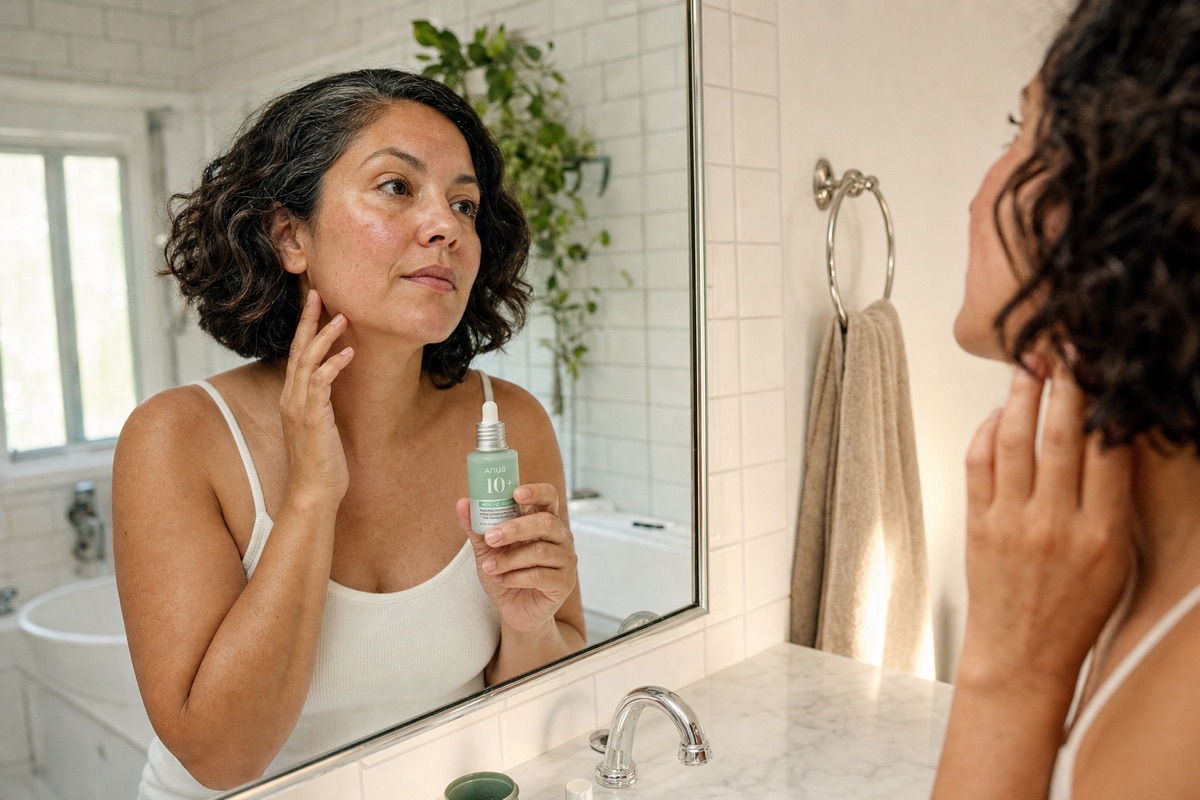
Azelaic Acid Products for Beginners: A Starter Guide
A beginner-friendly azelaic acid routine for US shoppers 35-55, with evidence notes, product picks, usage steps, and irritation guardrails.
Based on Amazon review snapshots for 3 beginner-friendly azelaic acid products (n=15,544 ratings), FDA labeling for prescription azelaic acid, and PubMed-indexed dermatology evidence including a 2007 15% gel review, beginners should start with a 10% leave-on formula 2-3 nights weekly, then increase only if skin stays calm.
Editor's top Amazon picks for this guide
Real Amazon products that match this protocol. Affiliate links — your purchases support BeautySift.

Anua
Anua Azelaic Acid 10 Hyaluron Redness Soothing Serum
$22
"Beginner-friendly 10% azelaic acid serum with hyaluronic acid support; Amazon snapshot shows 4.5/5 across 4,300 ratings."
What real Amazon buyers say
4.5★· 4,300 reviews"The formula is lightweight and absorbs quickly, leaving no sticky or heavy feeling behind, which makes it easy to layer with the rest of my skincare."
"I use this after washing my face and applying toner; I use just enough to cover my face as a little goes a long way."

Paula's Choice
Paula's Choice BOOST 10% Azelaic Acid Booster
$39
"10% azelaic acid in a cream-gel booster format with salicylic acid; Amazon snapshot shows 4.3/5 across 6,085 ratings."
What real Amazon buyers say
4.3★· 6,085 reviews"While a little pricy, its worth it."
"The key is to be consistent, but once you are, the results are definitely worth it."
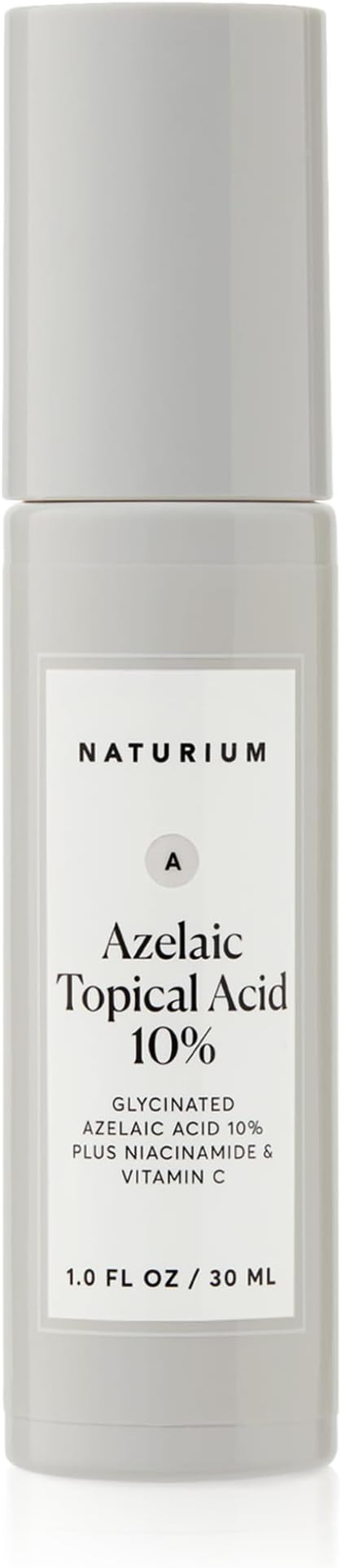
Naturium
Naturium Azelaic Topical Acid 10%
$19.88
"10% azelaic acid treatment with niacinamide and vitamin C derivatives; Amazon snapshot shows 4.4/5 across 5,159 ratings."
What real Amazon buyers say
4.4★· 5,159 reviews"The texture is smooth and lightweight, almost like a light cream rather than a typical treatment product."
"Goes on easily, and dries quickly. Does not leave a shiny appearance and is not greasy."
What you'll learn
- Start with a 10% cosmetic azelaic acid product, not a prescription-strength product, unless your clinician gives a different plan.
- Use azelaic acid two or three nights weekly at first; most beginner irritation comes from stacking it too quickly with retinoids, scrubs, or strong acids.
- For women 35-55, azelaic acid is most useful when the goal is a calmer-looking tone, post-blemish marks, and texture support without a highly drying routine.
- FDA-labeled prescription azelaic acid is different from over-the-counter cosmetic products, so cosmetic product claims should stay conservative.
Steps
-
1 Choose one gentle 10% leave-on formula
Pick one azelaic acid product and keep the rest of your routine boring for two weeks: cleanser, moisturizer, sunscreen, and the new azelaic step. Based on Amazon snapshots, the three beginner-friendly options in this guide range from $19.88 to $39 and sit between 4.3/5 and 4.5/5 ratings.
-
2 Patch test, then apply a pea-size amount at night
Apply a small amount along the jaw or cheek for two nights before using it all over. If your skin stays calm, use a pea-size amount across dry skin after cleansing. Avoid eyelids, corners of the nose, and corners of the mouth, where stinging shows up first.
-
3 Use it two or three nights weekly before increasing
For the first 14 days, use azelaic acid two or three nights per week. If your skin has no persistent burning, scaling, or new tenderness, increase to every other night. Keep retinoids and exfoliating acids on separate nights until your barrier feels stable.
-
4 Pair it with daily sunscreen and a barrier moisturizer
Azelaic acid is often chosen for uneven tone and post-blemish marks, but those goals are undermined by unprotected UV exposure. Use broad-spectrum sunscreen each morning and a moisturizer with barrier-supporting ingredients at night.
-
5 Escalate to a clinician if symptoms are persistent
Prescription azelaic acid is covered by FDA labeling for specific dermatologic uses, but over-the-counter cosmetics are not a substitute for medical care. If redness, painful breakouts, flushing, or pigment changes are persistent, book a dermatologist visit rather than layering more actives.
Quick answer
Azelaic acid is a practical first active if your goals are calmer-looking redness, post-blemish marks, and a smoother-looking texture without a routine built around harsh exfoliation. We analyzed Amazon US review snapshots for Anua, Paula’s Choice, and Naturium (15,544 total ratings), FDA labeling for prescription azelaic acid, PubMed evidence, Reddit routine discussions, and brand ingredient pages. For most beginners, the safest starting protocol is a 10% leave-on product two or three nights weekly, layered with moisturizer and daily sunscreen.
This guide is written for US shoppers 35-55, especially readers navigating adult breakouts, perimenopause-related skin reactivity, flushing, or pigment that lingers longer than it did in their 20s. BeautySift did not test these products. We are ranking them as routine tools based on public evidence, ingredient logic, user sentiment, and claim discipline.
Why azelaic acid makes sense for beginners
Azelaic acid sits in a useful middle lane. It is not a scrub, not a classic alpha hydroxy acid peel, and not a retinoid. In prescription form, azelaic acid has FDA labeling for specific inflammatory skin conditions; in over-the-counter cosmetics, it is usually sold at 10% and positioned for the appearance of redness, uneven tone, blemish-prone skin, and texture.
That distinction matters. A 10% cosmetic serum is not the same as a 15% prescription gel or foam, and it should not be described as a treatment for a diagnosed condition. But the ingredient has enough dermatology history to make it more evidence-grounded than many trend actives. PubMed includes dermatology literature on azelaic acid, including Maddi’s 2007 International Journal of Dermatology review of 15% gel in acne rosacea. FDA labeling for Finacea also gives useful safety context for prescription azelaic acid, even though the products in this article are cosmetic retail formulas.
For a beginner, the attraction is balance. Azelaic acid can fit into a routine without the high peel feel of glycolic acid or the purge anxiety of a new retinoid. It still can sting, especially on damp skin or a compromised barrier, so the right protocol matters more than buying the strongest tube.
How we selected the starter products
We prioritized products that met four conditions: a real Amazon US product page with a verifiable ASIN, an azelaic-acid-centered formula, a beginner-appropriate concentration or texture, and enough public user feedback to interpret sentiment. We excluded any ASIN on the rotation-cap avoid list and used Amazon-only affiliate links because BeautySift currently has Amazon Associates, not Sephora, Ulta, Target, or Dermstore affiliate accounts.
The three featured products are not the only azelaic acid options in the US market. They are the ones that best match a beginner protocol: start at 10%, use a small amount, pair with moisturizer, and avoid stacking too many actives at once. The Amazon snapshots we captured showed Anua at 4.5/5 across 4,300 ratings, Paula’s Choice at 4.3/5 across 6,085 ratings, and Naturium at 4.4/5 across 5,159 ratings. Those numbers are not clinical outcomes; they are user-sentiment signals.
Editorial coverage also helps triangulate the category. Byrdie’s azelaic acid roundup is useful for market context, but it does not replace clinical evidence. Reddit’s r/SkincareAddiction discussions are helpful for routine pitfalls: users commonly report stinging when they apply azelaic acid to damp skin, layer it with acids too quickly, or skip moisturizer.
The beginner protocol
Step 1: Buy for tolerance, not maximum strength
For a first azelaic acid product, a 10% cosmetic formula is the reasonable starting point. Anua Azelaic Acid 10 Hyaluron Redness Soothing Serum is the most beginner-oriented of the three because the texture is serum-like and the supporting hyaluronic acid positioning makes it easier to fit under moisturizer. Its Amazon snapshot showed 4.5/5 across 4,300 ratings, the highest rating among the three products we featured.
Paula’s Choice BOOST 10% Azelaic Acid Booster is the more established booster format. It costs more than Naturium and Anua in the snapshot we captured, but it has the largest rating base here at 6,085 Amazon ratings. It also includes salicylic acid, which can be useful for congested skin but may be too much if your barrier is already reactive.
Naturium Azelaic Topical Acid 10% is the value pick in this protocol. At $19.88 in the Amazon snapshot, it offers a cream-treatment texture with niacinamide and vitamin C derivatives. That combination may appeal if your main concern is uneven-looking tone, but it also means you should avoid introducing a separate niacinamide serum or brightening treatment at the same time.
Step 2: Patch test like a cautious adult, not like a teenager in a hurry
Adult skin can be less forgiving during perimenopause. Hot flashes, sleep disruption, stress, and barrier dryness can make a routine that worked at 30 feel unpredictable at 45 or 52. Before applying azelaic acid across your full face, place a small amount on the side of the jaw or one cheek for two nights. Wait for delayed dryness, tenderness, or rough patches.
If the patch area feels normal, apply a pea-size amount to fully dry skin at night. Dry skin matters because damp skin can increase penetration and make stinging more likely. Keep the first layer thin. More product does not equal faster results; it usually just increases the chance that your moisturizer pills or your skin feels hot.
Avoid the eyelids, nostril creases, and corners of the mouth. These are common sting zones. If you are using the product for the look of post-blemish marks, do not dot it only on dark spots at first. A thin, even layer is usually easier to tolerate than heavy spot application.
Step 3: Build frequency slowly over 14 days
The first two weeks should look deliberately boring. Use azelaic acid two or three nights weekly, not every night. On off nights, use cleanser and moisturizer only, or your established retinoid if your skin already tolerates it. Do not introduce a new retinol, peel pad, vitamin C serum, benzoyl peroxide, or scrub during this window.
After 14 days, assess your skin. If you have mild, brief tingling that fades quickly and no persistent dryness, you can move to every other night. If you have burning, scaling, or new tenderness, drop back to once or twice weekly and increase moisturizer. The goal is consistency over months, not intensity for a week.
This is where many beginner routines fail. Reddit discussions around azelaic acid often center on stacking: one user adds azelaic acid, keeps a retinoid, adds exfoliating toner, and then blames the newest product when the barrier complains. The more controlled approach is to isolate the variable.
Step 4: Pair with sunscreen every morning
If you are using azelaic acid for uneven-looking tone or post-blemish marks, sunscreen is not optional. UV exposure can keep marks visible longer and can make a brightening routine feel pointless. Use broad-spectrum SPF each morning, especially if you are also using retinoids or exfoliating acids elsewhere in the week.
A simple morning routine is enough: gentle cleanser or rinse, moisturizer if needed, sunscreen. Save azelaic acid for night until you know how your skin behaves. Some people eventually use it in the morning, but night use is easier for beginners because it avoids sunscreen pilling and makeup-layering issues.
For women 35-55, sunscreen also helps separate the signals. If your skin looks more even after eight weeks, you want to know the routine is working because you used the active consistently and protected against new UV-triggered discoloration. Without sunscreen, it is harder to judge.
Which product should you start with?
Choose Anua if you want the simplest serum feel and your skin is easily overwhelmed by rich creams. The Amazon review snapshot gives it the strongest rating signal in this small starter set: 4.5/5 across 4,300 ratings. Its best role is first azelaic acid for redness-prone or combination skin.
Choose Paula’s Choice if you like booster textures and already know your skin tolerates salicylic acid. The 6,085-rating Amazon base gives it the largest user-sentiment sample in this guide, and the brand has a detailed US product page. Skip it as a first pick if your skin is very dry, freshly over-exfoliated, or already using several acne-focused actives.
Choose Naturium if you want a lower-priced cream treatment and like formulas that combine azelaic acid with niacinamide. Its Amazon snapshot showed 4.4/5 across 5,159 ratings at $19.88. Skip it if you already use a strong niacinamide serum and want to keep your routine more controlled.
The fairest evidence-weighted read is not that one product is universally best. Anua wins for beginner simplicity, Paula’s Choice wins for established booster positioning and larger review volume, and Naturium wins on value. Affiliate commission did not influence that ranking.
What results are realistic?
Azelaic acid is a slow-consistency ingredient. In cosmetic routines, the most realistic early changes are less visibly angry-looking skin, smoother makeup application, and fewer new-looking clogged areas if the rest of the routine is compatible. Post-blemish marks and uneven tone take longer.
Do not use Amazon review timelines as clinical promises. A reviewer may report a change in five days or one week, but that is an individual account, not a controlled study. PubMed and FDA evidence support azelaic acid as a serious dermatologic ingredient in prescription contexts, yet the over-the-counter products here are lower-strength cosmetic formulas with broader, softer claims.
A reasonable evaluation window is eight to twelve weeks. Take the same-window, same-light photo before you start, then repeat at week four and week eight. If your skin is calmer and your marks look less prominent, stay consistent. If you are more irritated, simplify.
When to stop or ask a dermatologist
Stop using the product if burning persists, swelling appears, or your skin becomes painfully tight. Do not push through symptoms because a product has good reviews. Ratings reflect averages, not your barrier.
Ask a dermatologist if you have painful cystic breakouts, flushing that feels hot or persistent, sudden pigment changes, or suspected rosacea. FDA-labeled prescription azelaic acid may be appropriate for some patients, but that is a medical decision. A cosmetic Amazon product should not be expected to replace diagnosis or treatment.
Pregnancy and breastfeeding questions also belong with a clinician. Azelaic acid is commonly discussed as a gentler option compared with some actives, but BeautySift does not give medical clearance. Bring the exact product name and ingredient list to your appointment.
Beginner routine template
Morning: cleanse or rinse, apply moisturizer if needed, then broad-spectrum sunscreen. If you wear makeup, give sunscreen time to set before foundation.
Night on azelaic days: cleanse, wait until skin is dry, apply a pea-size amount of azelaic acid, then moisturize. If you are very dry, apply moisturizer first, then azelaic acid, then another thin moisturizer layer.
Night on off days: cleanse and moisturize. If you already use a retinoid comfortably, keep it on a separate night at first. If your skin feels tight, skip all actives for a few nights.
This routine is intentionally plain. For adult skin dealing with hormonal-looking breakouts, flushing, or lingering marks, plain is often what makes the active usable long enough to matter.