Body Exfoliants for KP After 40: Dos and Don'ts for Smoother, Less-Dry Skin
An evidence-led guide to using body exfoliants for keratosis pilaris after 40, with a gentle acid protocol, barrier-repair steps, and Amazon product picks.
Based on Amazon rating snapshots for CeraVe SA Cream (24,455 ratings), AmLactin 12% Moisturizing Lotion (2,463 ratings), DERMAdoctor KP Bump Eraser (1,361 ratings), plus American Academy of Dermatology guidance on KP, the safest after-40 protocol is low-friction acid exfoliation 2-4 nights weekly, daily moisturizer, and no harsh scrubbing.
Editor's top Amazon picks for this guide
Real Amazon products that match this protocol. Affiliate links — your purchases support BeautySift.

CeraVe
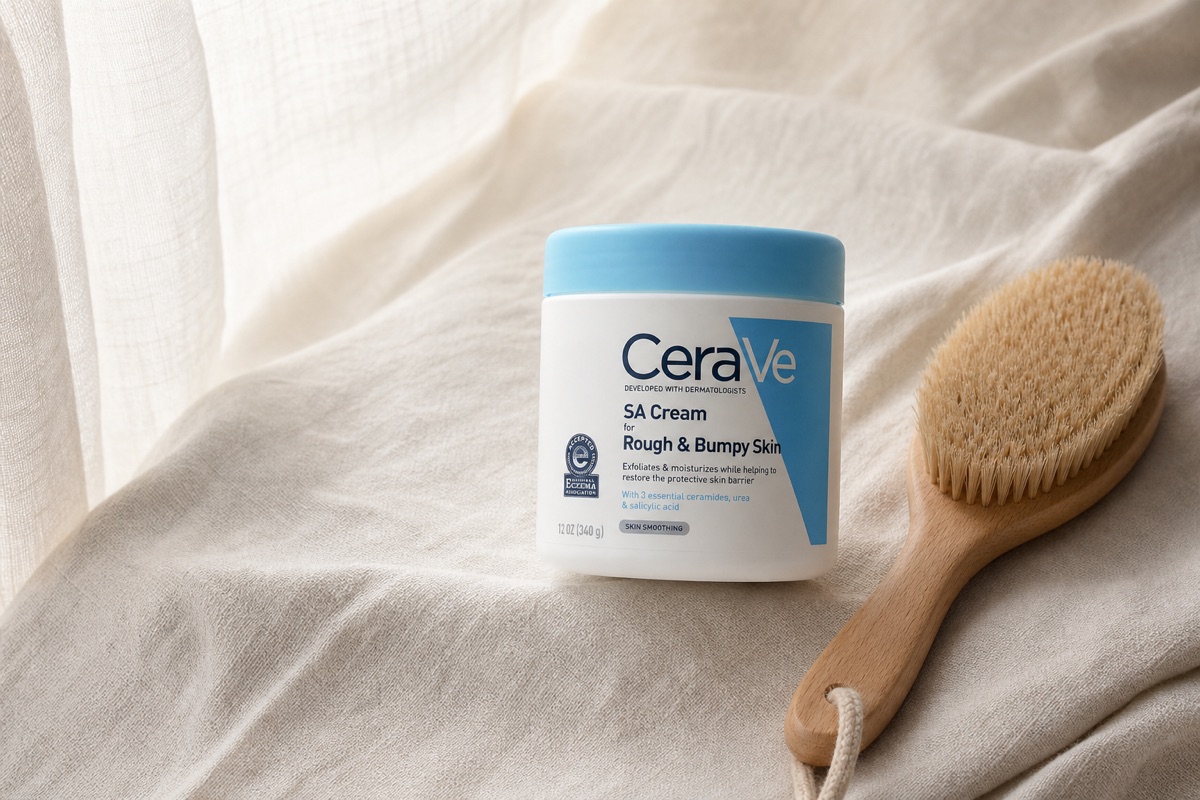
CeraVe SA Cream for Rough & Bumpy Skin
$19.99
"Best barrier-first option in this protocol because the Amazon page shows 4.6/5 across 24,455 ratings and the formula pairs salicylic acid with ceramides."

AmLactin
AmLactin 12% Moisturizing Lotion
$15.97
"Best leave-on AHA lotion for rough, dry body skin because the Amazon page shows 4.6/5 across 2,463 ratings and the product uses 12% lactic acid."

DERMAdoctor
DERMAdoctor KP Bump Eraser Body Scrub
$23.86
"Best occasional rinse-off acid scrub for experienced users because the Amazon page identifies a 10% AHA/PHA body scrub and visible snapshot pricing at $23.86."

DERMAdoctor
DERMAdoctor KP Bump Eraser Extra Strength Peel Pads
$20
"Best targeted pad for non-sensitive upper arms because the Amazon page identifies an AHA, BHA, and PHA body peel pad format at a $20 visible snapshot price."
What you'll learn
- After 40, KP routines should treat dryness as part of the problem: exfoliate less aggressively, moisturize daily, and protect the skin barrier.
- Use either a leave-on acid lotion or a rinse-off acid scrub at first, not both on the same night, to reduce sting and rebound dryness.
- The American Academy of Dermatology advises against rough scrubbing for KP, so pressure and frequency matter as much as the product you buy.
- If bumps are painful, inflamed, itchy, or suddenly changing, pause acids and ask a board-certified dermatologist before escalating.
Steps
-
1 Map where KP is actually showing up
Check the upper arms, thighs, buttocks, and any dry patches in good light before buying a stronger exfoliant. KP usually looks like tiny follicular bumps rather than open acne, so the goal is smoothing and comfort, not stripping the skin until it squeaks.
-
2 Start with two acid nights per week
Use one acid product on clean, dry body skin two nights weekly for the first two weeks. Choose a leave-on lactic-acid lotion for widespread dryness, a salicylic-acid cream for rough follicles, or a rinse-off acid scrub only if your skin already tolerates exfoliation.
-
3 Moisturize on every non-acid night
Apply a plain, fragrance-free body moisturizer on nights you are not using acids. This is especially important after 40, when dryness and slower barrier recovery can make KP feel sharper even if the number of bumps has not changed.
-
4 Avoid rough scrubbing and stacked actives
Do not pair a gritty scrub, retinoid body product, and acid lotion in the same session. The American Academy of Dermatology advises avoiding harsh scrubbing for KP, and stacking actives raises the odds of sting, redness, and peeling.
-
5 Reassess after four weeks
Look for smoother feel, fewer catch points under clothing, and less ashiness rather than expecting the bumps to vanish. If the skin is calmer, move to three or four acid nights weekly; if it stings or flakes, drop back to one night weekly and moisturize more.
Quick Answer
Based on Amazon rating snapshots for CeraVe SA Cream (24,455 ratings), AmLactin 12% Moisturizing Lotion (2,463 ratings), DERMAdoctor KP Bump Eraser (1,361 ratings), plus American Academy of Dermatology guidance on KP, the safest after-40 protocol is low-friction acid exfoliation 2-4 nights weekly, daily moisturizer, and no harsh scrubbing.
Why KP can feel different after 40
Keratosis pilaris is not a hygiene problem, and it is not something you can polish away by force. The peer-reviewed dermatology review by Thomas and Khopkar in International Journal of Trichology (2012) describes KP as a follicular keratinization pattern: keratin collects around hair follicles, creating the familiar small bumps on upper arms, thighs, buttocks, and sometimes cheeks.
After 40, the practical problem is often not only the plug. It is the plug plus dryness. Many US women in their 40s and 50s notice that body skin feels more easily dehydrated, rough under sleeves, or itchy after hot showers. That matters because a strong body scrub may make the arm feel smoother for one day, then drier and sharper three days later.
The American Academy of Dermatology Association recommends gentle KP care and warns against rough scrubbing. That advice is especially relevant here: the goal is to loosen compacted surface keratin while keeping the barrier calm enough to recover. In BeautySift scoring terms, the better KP product is not always the strongest acid. It is the product that gives enough exfoliation while minimizing irritation, especially on dry, mature body skin.
The do-and-don’t framework
Do think in cycles. KP usually improves by feel first: fewer rough catch points under clothing, smoother lotion spread, less visible ashiness. Do not judge after one shower. A four-week window is more realistic for deciding whether an acid routine is helping or simply irritating.
Do choose one exfoliating lane at first. Lactic acid, glycolic acid, salicylic acid, urea, and polyhydroxy acids can all appear in KP-adjacent products, but stacking them is where many routines go wrong. The FDA OTC acne-drug monograph allows salicylic acid 0.5%-2% as an acne active; that does not make it a KP cure, but it explains why BHA body products are often positioned for clogged-looking follicles and rough texture.
Don’t use a bath brush, exfoliating glove, and acid lotion together. That may feel productive in the shower, but the AAD’s guidance against rough scrubbing is clear. Friction can make already-dry follicular skin redder, itchier, and less tolerant of the leave-on actives that actually do the slow work.
Step 1: Map the bumps before you buy stronger acids
Look at where the texture appears. Classic KP clusters on the backs of upper arms, thighs, or buttocks. If you see tenderness, pustules, swelling, broken skin, or a sudden new rash, pause the shopping plan and ask a dermatologist. KP routines are cosmetic support routines; they are not infection or eczema treatment plans.
Also note your baseline dryness. If your skin turns ashy by midday, stings after fragrance, or feels tight after a normal shower, start with a moisturizing acid lotion rather than a high-friction scrub. If your skin is oily and resilient, you may tolerate an occasional rinse-off acid scrub, but pressure still matters.
Product match: AmLactin 12% Moisturizing Lotion is the broad-area option in this protocol. The Amazon US page snapshot we analyzed showed 4.6/5 across 2,463 ratings, and the product is positioned around 12% lactic acid. Lactic acid is an alpha hydroxy acid and a humectant, which makes it a logical first choice when KP and dryness show up together.
Step 2: Start with two acid nights per week
For the first two weeks, pick two non-consecutive nights. Apply your chosen product after a lukewarm shower, when skin is dry rather than dripping wet. If you are using a leave-on acid lotion, use a thin, even layer. If you are using a rinse-off scrub, massage lightly for less than a minute and rinse thoroughly.
Do not chase a burn. A brief tingle can happen with acid products, especially on freshly shaved skin, but burning, welts, or persistent redness means the routine is too aggressive. Shaving plus acids is a common irritation trap. If you shave your legs or arms, separate shaving and acid exfoliation by at least a day when possible.
Product match: CeraVe SA Cream for Rough & Bumpy Skin is the barrier-first pick because the Amazon page showed 4.6/5 across 24,455 ratings, and the CeraVe brand page positions the cream for rough and bumpy skin with salicylic acid plus ceramides. In our evidence-weighted framework, that combination scores well for mature skin because it addresses texture without ignoring barrier support.
Step 3: Moisturize on every non-acid night
This is the step people skip because it sounds less active. For after-40 body skin, it is the control that makes the acid tolerable. On non-acid nights, use a simple fragrance-free moisturizer from shoulders to wrists or hips to ankles, depending on where your KP appears. If your skin feels tight the morning after an acid product, moisturize again.
Avoid heavily fragranced body butters directly over freshly acid-treated KP if you already know fragrance makes you itchy. Also avoid hot, long showers. Heat removes surface lipids and can make the next acid application feel sharper.
A useful rhythm is acid, moisturize, moisturize, acid, moisturize, moisturize, rest. If your skin is comfortable after two weeks, you can move to three acid nights. Four acid nights is the upper end for many dry-skin users; daily acid use is not a badge of discipline if the skin is getting rougher.
Step 4: Use scrubs as occasional tools, not punishment
A rinse-off acid scrub can have a place, especially when the texture is thick and clothing catches on it. The mistake is treating the scrub as sandpaper. KP is follicular; you are not trying to erase a stain from a countertop.
DERMAdoctor KP Bump Eraser Body Scrub is the strongest-feeling style in this article’s featured set. The Amazon page identifies it as a body scrub with 10% AHAs plus PHAs and showed a visible $23.86 snapshot price. That makes it better for experienced acid users than for someone whose body skin is already reactive.
If you use it, make it one of your acid nights. Do not follow with AmLactin or another leave-on acid in the same session. Rinse, pat dry, and apply a plain moisturizer if the skin feels comfortable. If you feel heat or sting after rinsing, skip moisturizer with fragrance and avoid acids for several days.
Step 5: Know the red flags and the don’ts
Do not exfoliate broken, sunburned, windburned, or freshly waxed skin. Do not use acid products right before a beach day or a long day in shorts without sunscreen on exposed areas. AHAs can increase sun sensitivity, and the after-40 audience is often also managing discoloration, crepey texture, and dryness at the same time.
Do not assume more products mean faster progress. The common overcorrection is an AHA scrub in the shower, a salicylic acid cream after, and a retinoid body lotion at night. That is a high-irritation stack. If you want to add a body retinoid, alternate it with acid nights and keep moisturizer steady.
Do not pick at KP bumps. Picking creates post-inflammatory marks that can outlast the bump itself, especially on deeper skin tones and on areas that rub under sleeves or leggings.
Product comparison: which protocol product fits your skin?
CeraVe SA Cream ranks as the most balanced pick for dry, mature skin because the Amazon rating snapshot is the largest in this set: 24,455 ratings at 4.6/5. Its formula story also fits the protocol: salicylic acid for rough texture, plus ceramides for barrier support.
AmLactin 12% Moisturizing Lotion is the better choice when dryness is the main complaint and the bumps feel fine but sandpapery. The Amazon page snapshot showed 2,463 ratings at 4.6/5, and the 12% lactic acid positioning is clear enough to cite without guessing.
DERMAdoctor KP Bump Eraser Body Scrub is the occasional accelerator, not the daily base. Its 10% AHA/PHA positioning makes sense for rough body texture, but rinse-off scrubs add friction. For women 35-55 with dryness, that means it should be used lightly and less often than a moisturizing leave-on cream.
DERMAdoctor Extra Strength Peel Pads are the targeted option for small areas such as backs of arms, but the Amazon snapshot we found showed only 30 ratings at 3.8/5. That smaller review base keeps it behind the larger, better-established cream and lotion options in our scoring.
A four-week starter schedule
Week 1: use one acid product on Monday and Thursday nights. Moisturize on all other nights.
Week 2: repeat the same schedule. If there is stinging, peeling, or itching, reduce to one acid night.
Week 3: if skin feels calmer and smoother, add a third acid night. If you are using a scrub, keep it to one night and use leave-on moisturizer the other nights.
Week 4: decide whether the routine is worth continuing. Look for smoother touch, less visible roughness, and fewer clothing catch points. If the result is only redness, dryness, or itch, the product is not the right match even if it has strong reviews.
FAQs
How often should women over 40 exfoliate KP on the body?
Start with two nights per week for two weeks, then increase only if the skin is comfortable. After 40, dryness and barrier recovery can be more limiting than product strength, so daily moisturizing matters as much as acid frequency.
Is a scrub or a leave-on lotion better for keratosis pilaris?
For most dry or mature skin, a leave-on lactic-acid or salicylic-acid cream is the safer first step. A rinse-off acid scrub can help rough texture, but use light pressure and avoid combining it with a leave-on acid the same night.
Can I use body exfoliants for KP with retinol?
Do not layer body retinol and acid exfoliants in the same session when you are starting. Alternate nights, moisturize well, and stop if you see persistent redness, peeling, burning, or itching.
When should I see a dermatologist for KP-like bumps?
See a board-certified dermatologist if bumps are painful, pus-filled, very itchy, rapidly changing, or not behaving like your usual KP. Those patterns can overlap with folliculitis, eczema, or other conditions that need a different plan.