
Common Mistakes With Decolletage Treatments: An Evidence-Led Chest and Neck Routine for 2026
An evidence-weighted guide to the most common decolletage treatment mistakes, including sunscreen gaps, over-exfoliation, retinoid irritation, and realistic timelines.
Based on 12 sources including AAD sunscreen guidance, FDA sunscreen guidance, and 5 PubMed-indexed photoaging papers, the biggest decolletage treatment mistake is treating the chest like tougher body skin while skipping the 1-ounce sunscreen rule and slow retinoid ramp-up.
Editor's top Amazon picks for this guide
Real Amazon products that match this protocol. Affiliate links — your purchases support BeautySift.

EltaMD
UV Clear Broad-Spectrum SPF 46
$36
"Broad-spectrum SPF 46 fits the sunscreen-first decolletage protocol and is easier to extend from face to neck and chest."
What real Amazon buyers say
4.6★· 47,564 reviews"Perfect for super sunny areas, especially here in Colorado being so elevated with it not being tinted. It goes on without any kind of indication you have a sunscreen on unscented and very lightweight."
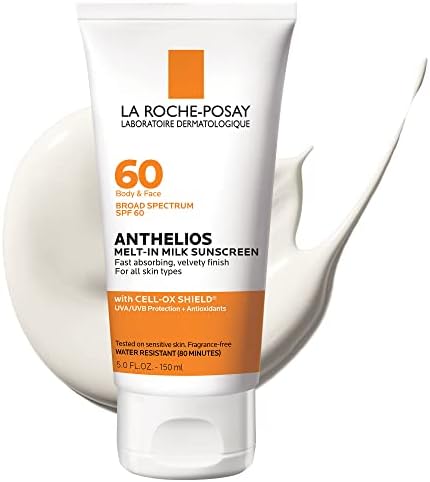
La Roche-Posay
Anthelios Melt-In Milk Sunscreen SPF 60
$37.99
"A face-and-body SPF 60 option suits shoppers who need enough product for the full neck, chest, and shoulders."
What real Amazon buyers say
4.6★· 14,811 reviews"This is excellent and disappears on the skin. Smooth as silk."
"Excellent Sunscreen that absorbs well into the skin. Unfortunately, this will sting your eyes if you apply it under them. It's great any where else."

CeraVe
Vitamin C Serum 10% Pure Vitamin C
$23.86
"10% pure vitamin C plus ceramides matches the morning antioxidant step without ignoring barrier support."
What real Amazon buyers say
4.5★· 43,618 reviews"I really love how this serum feels when it goes on! It doesn't smell weird or make my skin feel weird. I'm going through it slower than my previous stuff."

La Roche-Posay
Pure Retinol Face Serum with Niacinamide
$37.59
"Retinol plus niacinamide fits the slow evening fine-line step once sunscreen and moisturizer habits are stable."

CeraVe
Moisturizing Cream
$18.96
"Fragrance-free barrier support helps buffer retinol and reduces the urge to over-exfoliate dry chest skin."
What you'll learn
- The decolletage often gets less sunscreen than the face, even though AAD guidance uses a whole-body 1-ounce sunscreen benchmark for exposed skin.
- Do not treat the chest like resilient body skin: fragrance scrubs, strong acids, and daily retinoid starts can trigger irritation and more visible texture.
- A realistic protocol is sunscreen every morning, antioxidant support if tolerated, retinoid or exfoliant only a few nights weekly, and barrier repair on off nights.
- Changing, bleeding, or unusual chest spots need medical evaluation, not a cosmetic brightening routine.
Steps
-
1 Step 1: extend face sunscreen down to the full neck and chest
Use broad-spectrum SPF 30 or higher on the face, neck, exposed chest, and shoulders every morning. AAD guidance says most adults need about 1 ounce of sunscreen for exposed skin and reapplication every 2 hours outdoors; the decolletage is often missed because it sits below the face routine.
-
2 Step 2: use one morning antioxidant lane, not multiple brighteners
If your skin tolerates it, apply a vitamin C or antioxidant serum before sunscreen. PubMed-indexed vitamin C research supports its role in photoaging routines, but the chest can sting more easily than the cheeks, so one antioxidant is safer than layering several brightening products.
-
3 Step 3: introduce retinol slowly and buffer with moisturizer
Start retinol on the decolletage 1 or 2 nights weekly, then moisturize. AAD guidance notes retinoids may improve fine lines, wrinkles, texture, and tone, but irritation risk drops when frequency is gradual and moisturizer is used.
-
4 Step 4: exfoliate less often than you think
Use a gentle acid or enzyme exfoliant only if roughness persists after sunscreen, moisturizer, and retinol tolerance are stable. The AAD warns that over-exfoliation can cause redness, burning, and irritation, which is especially relevant on sun-exposed chest skin.
-
5 Step 5: separate cosmetic aging from spots that need a clinician
Fine lines, crepey texture, and uneven tone can be cosmetic concerns. A spot that changes size, shape, color, texture, bleeds, or looks unlike your other marks should be assessed by a dermatologist before you try to fade it.
Why the decolletage needs a different strategy
The decolletage sits in an awkward category: it is visible like the face, exposed like the shoulders, and often treated like an afterthought. Many routines stop at the jawline, then try to compensate later with stronger acids, richer creams, or daily retinol on skin that has had years of UV exposure.
BeautySift did not test this protocol on a panel. We analyzed AAD and FDA sunscreen guidance, PubMed-indexed photoaging research, and Amazon US product availability to build a practical, evidence-weighted guide for US shoppers.
Affiliate disclosure: we may earn a commission on shopping links. Product inclusion does not change the protocol order: protect first, add one active lane, repair the barrier, then reassess.
Mistake 1: stopping sunscreen at the jawline
AAD sunscreen guidance says most adults need about 1 ounce of sunscreen to cover exposed skin, and the FDA states that broad-spectrum SPF 15 or higher, used as directed with other sun-protection measures, can help reduce early skin aging caused by the sun. For the decolletage, the practical problem is not only SPF number. It is coverage.
Apply sunscreen to:
- The front and sides of the neck.
- The V of the chest.
- The tops of the shoulders if exposed.
- The upper chest edge that peeks out of V-neck tops, button-downs, workout tanks, and swimsuits.
Reapply every 2 hours outdoors, and sooner after sweating or swimming. If your face sunscreen is too expensive to use generously on the chest, use a separate face-and-body sunscreen for the larger area.
Mistake 2: using a stronger product because the chest looks more damaged
More visible damage does not mean the skin needs more aggressive treatment. Chest skin can become red, itchy, and crepey when strong acids, fragranced scrubs, and nightly retinoids are layered too quickly.
A better starting routine is simple:
Morning: antioxidant if tolerated, moisturizer if needed, broad-spectrum sunscreen.
Evening on active nights: gentle cleanse, retinol or one exfoliant, moisturizer.
Evening on recovery nights: gentle cleanse, moisturizer only.
The active should be boring enough that you can keep using it. A routine that burns for 5 nights and then has to be stopped is less useful than a conservative schedule you can follow for 12 weeks.
Mistake 3: treating fine lines without addressing UV exposure
A 2013 PubMed-indexed study estimated that UV exposure accounted for about 80% of visible facial aging signs in its studied Caucasian cohort. That number should not be overextended to every skin tone or every body area, but it supports the bigger point: a fine-line routine without daily photoprotection is working against a major trigger.
For chest fine lines, prioritize:
- Daily broad-spectrum sunscreen.
- Moisturizer to reduce dryness-related crepiness.
- A gradual retinol schedule.
- Antioxidant support if tolerated.
- Sun-protective clothing for long outdoor exposure.
Mistake 4: starting retinol nightly
AAD guidance notes that retinoids and retinol may improve fine lines, wrinkles, texture, and tone, but irritation is a predictable limitation. PubMed-indexed tretinoin studies from 1991 and 1995 support the photoaging category while also showing that irritation differs by strength and regimen.
A conservative decolletage retinol ramp:
Weeks 1-2: one night weekly.
Weeks 3-4: two nights weekly if there is no persistent burning, rash, or peeling.
Weeks 5-8: stay at two or three nights weekly; do not rush to nightly use.
On retinol nights, apply a thin layer and follow with moisturizer. If the area stings for more than a few minutes, pause and restart less often.
Mistake 5: exfoliating rough texture every day
Rough chest texture can feel like it needs exfoliation, but daily exfoliation is one of the easiest ways to create a cycle of redness and dryness. The AAD warns that over-exfoliation can cause redness, irritation, burning, or worse.
If you already use retinol, add exfoliation carefully. Do not use a strong acid and retinol on the same beginner night. If you want an exfoliant, use it on a separate night no more than once weekly at first, then reassess after several weeks.
Mistake 6: ignoring the barrier
Barrier support is not the uninteresting part of decolletage care. It is what lets the active routine continue. A fragrance-free moisturizer can reduce tightness, buffer retinol, and make the chest less reactive to sunscreen and clothing friction.
Use moisturizer:
- After retinol on active nights.
- On non-active recovery nights.
- In the morning under sunscreen if the skin feels tight.
- After showering if hot water leaves the chest dry.
If every product stings, stop the actives and use moisturizer plus sunscreen until the area feels calm.
Mistake 7: trying to fade suspicious spots cosmetically
Uneven tone and sun spots are common cosmetic concerns, but not every mark belongs in a brightening routine. A spot that changes size, shape, color, border, texture, or bleeds should be evaluated by a dermatologist. Cosmetic acids and retinoids should not be used to delay assessment of a changing lesion.
This is especially important on the chest because the area has years of intermittent sun exposure for many people: driving, walking, gardening, outdoor dining, and vacation sun all add up.
A practical 12-week protocol
Weeks 1-2: sunscreen every morning on face, neck, chest, and exposed shoulders. Moisturizer at night. No new strong actives yet if the skin is irritated.
Weeks 3-4: add vitamin C or another antioxidant in the morning if tolerated. Keep sunscreen consistent.
Weeks 5-8: introduce retinol one or two nights weekly. Moisturize after application and use recovery nights between active nights.
Weeks 9-12: decide whether roughness needs a separate once-weekly exfoliant. Do not add it if retinol is already causing dryness.
At week 12, compare photos taken in the same light. Look for fewer new marks, softer texture, and less dryness-related crepiness, not a completely different chest.
Related BeautySift reading
Guide: Repairing sun damage after 40 -> /guides/repairing-sun-damage-after-40-2026/
Guide: How to apply sunscreen correctly -> /guides/how-to-apply-sunscreen-correctly-2026/
Guide: How to layer vitamin C, niacinamide, and retinol -> /guides/how-to-layer-vitamin-c-niacinamide-retinol-2026/