Common Mistakes With Menopause Sleep Supplements After 40
A practical evidence-led guide for US women over 40 on choosing menopause sleep supplements without overdoing dose, timing, claims, or skin-routine expectations.
We analyzed 124,029 Amazon ratings across 3 representative supplement listings, FDA supplement guidance, NIH magnesium safety guidance, and PubMed sleep studies from 2012, 2021, and 2025. The biggest mistake after 40 is treating a sleep supplement like a cure instead of matching dose, timing, medication spacing, and hot-flash triggers.
Editor's top Amazon picks for this guide
Real Amazon products that match this protocol. Affiliate links — your purchases support BeautySift.
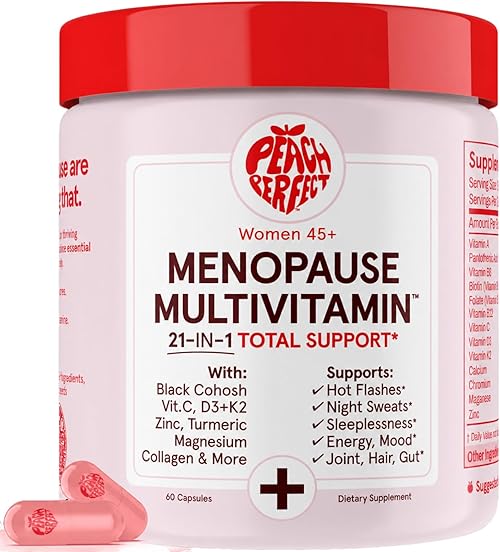
Peach Perfect
Peach Perfect Menopause Multivitamin
$29.97
"Best broader menopause-support role when shoppers want a multivitamin format; Amazon snapshot showed 4.3/5 across 660 ratings, with stronger claim caveats than magnesium-only picks."
What real Amazon buyers say
4.3★· 660 reviews"I've been taking Peach Perfect multivitamins for about two months now, and I've noticed three major changes."
"I have been taking this for about 10 days and I feel so much better. My mood especially. Ive been having severe mood swings and this has definitely been helping."

STRIPES
STRIPES Beauty Evening Wear Retinol Night Cream
$80
"Fine-line topical reference point for the mistake of expecting sleep supplements to do retinoid work; Amazon snapshot showed 4.0/5 across 47 ratings."
What real Amazon buyers say
4.0★· 47 reviews"I am a menopausal woman in my 50's and have been trying a ton of different skincare to combat aging and dryness. I love this product line. This evening moisturizer works very well. Doesn't leave my face greasy, absorbs well, and I LOVE THE SCENT!!!! Will definitely keep using!"
"Have used this product for a couple of months and I will purchase again. Have used more expensive night creams in the past and this works just as well if not better."

Womaness
Womaness The Works All-Over Toning Body Cream
$24.83
"Body-skin support reference for shoppers separating sleep-supplement expectations from dry-skin and texture care; Amazon snapshot showed 4.3/5 across 313 ratings."
What real Amazon buyers say
4.3★· 313 reviews"This cream has been the perfect complement alongside my workouts and the minerals I take. It contains niacinamide, which improves skin texture and elasticity, and hyaluronic acid, which deeply hydrates and helps the skin look firmer and more plump."
"The Works Womaness Smoothing All-Over Body Cream has a soft, lightweight texture that absorbs quickly into the skin without leaving a greasy feeling. After use, skin feels smoother."
What you'll learn
- Do not start with a strong dose because the NIH lists 350 mg per day as the adult upper limit for supplemental magnesium unless a clinician advises otherwise.
- A menopause sleep supplement should support a bedtime routine; it should not be framed as an FDA-approved treatment for insomnia, hot flashes, fine lines, or night sweats.
- Check medication spacing before minerals or botanicals, especially if you take thyroid medication, certain antibiotics, osteoporosis drugs, sedatives, or blood pressure medication.
- Choose the supplement by the problem pattern: difficulty relaxing, wake-ups from night sweats, pill tolerance, GI sensitivity, and whether the label is easy to dose.
- Give any clinician-cleared change a simple 14-night tracking window before adding another supplement, changing skincare actives, or blaming your moisturizer.
Steps
-
1 Step 1: Name the sleep problem before buying
Write down whether the issue is trouble falling asleep, waking at 3 a.m., heat surges, night sweats, racing thoughts, bathroom trips, or next-day grogginess. Mature-skin tip: also note whether poor sleep makes cheeks look drier, fine lines look more creased, or sunscreen sting the next morning, because those are routine signals, not proof that a supplement is a skin treatment.
-
2 Step 2: Check the label against dose and medications
Read the Supplement Facts panel, not just the front label. For magnesium, compare elemental magnesium with the NIH adult supplemental upper limit of 350 mg per day unless your clinician advises otherwise. Mature-skin tip: do not let collagen, biotin, or beauty wording distract from dose math; a pretty skin-support label can still conflict with prescriptions or lab-test planning.
-
3 Step 3: Pick one role, not a crowded stack
Choose one supplement role first: a straightforward magnesium glycinate, a broader menopause multivitamin, or a clinician-recommended option. Avoid starting magnesium, melatonin, ashwagandha, collagen, and a hormone-support blend in the same week. Mature-skin tip: stacking too many new variables makes it harder to know whether dryness, breakouts, flushing, or morning puffiness came from sleep loss, a supplement, or a new night cream.
-
4 Step 4: Place the supplement in the evening routine carefully
If your clinician has cleared use, take the supplement at the label-directed time and keep it away from medications that require spacing. Pair it with boring sleep hygiene: a cooler bedroom, reduced alcohol, consistent wind-down, and less late caffeine. Mature-skin tip: apply moisturizer before bed and keep retinoid nights steady; do not add a stronger retinoid just because you are also trying a sleep supplement.
-
5 Step 5: Track 14 nights before changing again
Use a simple note: bedtime, wake-ups, hot flashes, supplement timing, dose, GI effects, next-day alertness, and skin comfort. The 2012 magnesium trial in older adults ran as a controlled study, not an overnight promise; real-world routines also need time. Mature-skin tip: check whether makeup settles less or cheeks feel calmer only after sleep and barrier care stabilize together.
-
6 Step 6: Stop escalating when red flags appear
Do not increase dose to chase a faster result if you feel excessive sedation, dizziness, diarrhea, palpitations, rash, mood changes, or worsening hot flashes. Ask a clinician about persistent insomnia, heavy night sweats, snoring, breathing pauses, depression symptoms, or sudden sleep changes. Mature-skin tip: persistent flushing, swelling, or irritated eyelids should not be treated with supplement shopping.
Quick answer
The safest way to approach a menopause sleep supplement after 40 is to slow down: identify the sleep pattern, read the dose, check medication spacing, start one product at a time, and track 14 nights before changing anything else. We analyzed 124,029 Amazon ratings across three representative supplement listings, FDA dietary-supplement rules, NIH magnesium guidance, and PubMed magnesium sleep literature from 2012, 2021, and 2025. The evidence supports cautious routine design, not miracle claims.
BeautySift did not test these supplements or run a clinical panel. We aggregate public evidence, Amazon rating snapshots, PubMed studies, FDA and NIH guidance, and label logic for US shoppers. We may earn a commission from Amazon links, but affiliate status does not affect scoring or safety caveats.
Mistake 1: Buying for the word “menopause” instead of the sleep pattern
A hot-flash wake-up is not the same problem as taking two hours to fall asleep. A 3 a.m. stress wake-up is not the same as snoring, breathing pauses, alcohol-related sleep fragmentation, or bathroom trips. The supplement aisle collapses all of these into one promise: sleep support. That is where many women over 40 make the first mistake.
Before buying, name the pattern for at least a few nights. Write down bedtime, caffeine timing, alcohol, hot flashes, night sweats, wake-up time, next-day grogginess, and whether your skin looks more creased or dehydrated the next morning. The fine-line connection matters, but indirectly. The 2021 PubMed menopause-skin review discusses estrogen-deficient skin changes; it does not mean a sleep supplement is a wrinkle product. Poor sleep can make mature skin look less rested, but sunscreen, moisturizers, retinoids, and barrier care remain the direct cosmetic tools.
If night sweats are the main interruption, cooling tools and sleepwear may matter as much as a capsule. If difficulty relaxing is the issue, a clinician-cleared magnesium routine may be more relevant. If you feel sedated in the morning, the issue may be dose, timing, or the wrong category altogether.
Mistake 2: Ignoring the Supplement Facts panel
The front of a bottle is marketing. The Supplement Facts panel is where the useful information starts. For magnesium products, read the elemental magnesium amount, serving size, form, and any additional ingredients. NIH Office of Dietary Supplements guidance lists 350 mg per day as the adult upper limit for supplemental magnesium unless a clinician recommends more. That number is one reason we do not treat high-strength labels as automatically better.
This is especially important after 40 because more shoppers are also taking thyroid medication, antibiotics, osteoporosis drugs, blood pressure medication, or sleep medications. Minerals can require spacing from some prescriptions. Botanicals can add uncertainty. High-dose biotin in beauty-oriented supplements can interfere with some lab tests, so disclose supplement use before bloodwork.
From a mature-skin perspective, label discipline also prevents false blame. If your cheeks flush, eyelids puff, or breakouts shift after you start three new supplements and a retinoid, you will not know which change mattered. One clean variable is more useful than a crowded routine.
Mistake 3: Stacking magnesium, melatonin, botanicals, and beauty blends at once
The supplement stack is tempting: magnesium for relaxation, melatonin for timing, ashwagandha for stress, collagen for skin, a menopause multivitamin for broad coverage, and maybe a hot-flash blend because the reviews sound persuasive. Starting all of that in one week is poor troubleshooting.
FDA guidance says dietary supplements are regulated differently from drugs and are not generally approved before marketing. That does not make every supplement unsafe, but it does mean the burden is on the shopper to be conservative with claims and combinations. In our product-comparison framework, simple magnesium glycinate earns better label-clarity points than a crowded blend because it is easier to understand, dose, and stop.
Pure Encapsulations Magnesium Glycinate and Doctor’s Best High Absorption Magnesium Glycinate Lysinate are useful examples of simpler magnesium roles. Our Amazon snapshots recorded 4.7/5 across 47,944 ratings for Pure Encapsulations and 4.6/5 across 75,425 ratings for Doctor’s Best. Those numbers show broad shopper use; they do not prove either product will fix hot flashes, insomnia, or fine lines.
Mistake 4: Treating the supplement as the whole bedtime routine
A supplement cannot overcome a bedroom that is too warm, late alcohol, late caffeine, inconsistent bedtimes, or a retinoid routine that leaves skin irritated. If hot flashes are waking you, temperature management belongs in the plan. If your face feels tight at night, moisturizer belongs in the plan. If your eyes look puffy in the morning, evaluate sodium, alcohol, allergies, sleep position, and the product layers around your eyes before assuming a supplement will solve it.
A practical order looks like this: finish caffeine earlier, reduce alcohol close to bedtime, cool the room, apply a simple moisturizer, use retinoid only on planned nights, and take any clinician-cleared supplement as the label directs. Keep the skin routine steady while you evaluate the sleep change. Mature skin is less forgiving when you change sleep, supplements, exfoliation, and retinoids together.
For shoppers comparing broader menopause-support products, Peach Perfect Menopause Multivitamin is a different role from a magnesium-only capsule. Our Amazon snapshot showed 4.3/5 across 660 ratings. It may appeal to shoppers who want a multivitamin format, but the broader the formula, the more important it is to check duplicate nutrients, botanicals, biotin, and medication context.
Mistake 5: Expecting a skin result from an oral sleep product
The topic sits at the intersection of sleep, hot flashes, and visible skin fatigue, so the marketing can blur quickly. A sleep supplement may support a routine that helps you feel more rested. It should not be positioned as a fine-line treatment. PubMed literature on magnesium and sleep, including the 2012 controlled trial in 46 older adults and the 2021 systematic review, is about sleep outcomes, not wrinkle reduction.
For fine lines after 40, the direct evidence stack is still topical and behavioral: daily sunscreen, moisturizers that reduce dehydration lines, retinoids when tolerated, and consistent barrier care. Sleep matters because exhausted skin can look duller and more creased, but that is not the same as collagen remodeling from a capsule.
A mature-skin-specific tip: do not increase retinoid frequency the same week you start a sleep supplement. If poor sleep has made your skin reactive, your first cosmetic move should usually be barrier support. A calmer moisturizer-sunscreen-retinoid rhythm will tell you more than adding another active to compensate for tired-looking skin.
Mistake 6: Judging too fast, then escalating dose
Many supplement mistakes happen on night three. The shopper does not notice a dramatic change, doubles the dose, adds another product, or switches categories before the routine has stabilized. That is not how the better evidence is structured. The 2012 magnesium insomnia trial was controlled and had a defined protocol; real-world supplement use should also have a tracking window.
If a clinician or pharmacist has cleared the ingredient for you, track 14 nights. Use simple notes: dose, time taken, bedtime, wake-ups, hot flashes, GI effects, morning alertness, and skin comfort. If side effects appear, stop and seek guidance rather than escalating. If sleep disruption is severe, sudden, or linked with heavy night sweats, mood changes, snoring, or breathing pauses, do not keep shopping; get medical advice.
This is also where value matters. Doctor’s Best scored well in our evidence-weighted view because the Amazon rating base is large and the price snapshot was lower than premium magnesium capsules. Pure Encapsulations scored well for a cleaner premium role. Peach Perfect scored as a broader menopause-support option, not as a direct sleep or wrinkle treatment. Different roles, different caveats.
A simple 14-night routine template
Night 1 starts before the capsule. Set the room cooler, keep water nearby if night sweats wake you, finish your skin routine early enough that moisturizer has settled, and avoid introducing a new exfoliant. If the supplement is clinician-cleared, take it exactly as directed on the label and do not combine it with alcohol or sedating products unless a clinician has specifically said that is safe for you.
Each morning, rate sleep quality from 1 to 5, count wake-ups, and write one skin note: tight, calm, puffy, flushed, or creased. Do not overinterpret a single night. By night 14, you should know whether the routine is easier, whether side effects appeared, and whether the skin changes were really sleep-linked or more likely from your topical routine.
If the answer is mixed, simplify before adding more. A supplement that slightly relaxes you but causes GI upset may not be worth it. A magnesium product that fits well but does not touch hot flashes may still need cooling tools or clinician-guided menopause care around it. A multivitamin that feels too broad may be harder to troubleshoot than a single-purpose product.