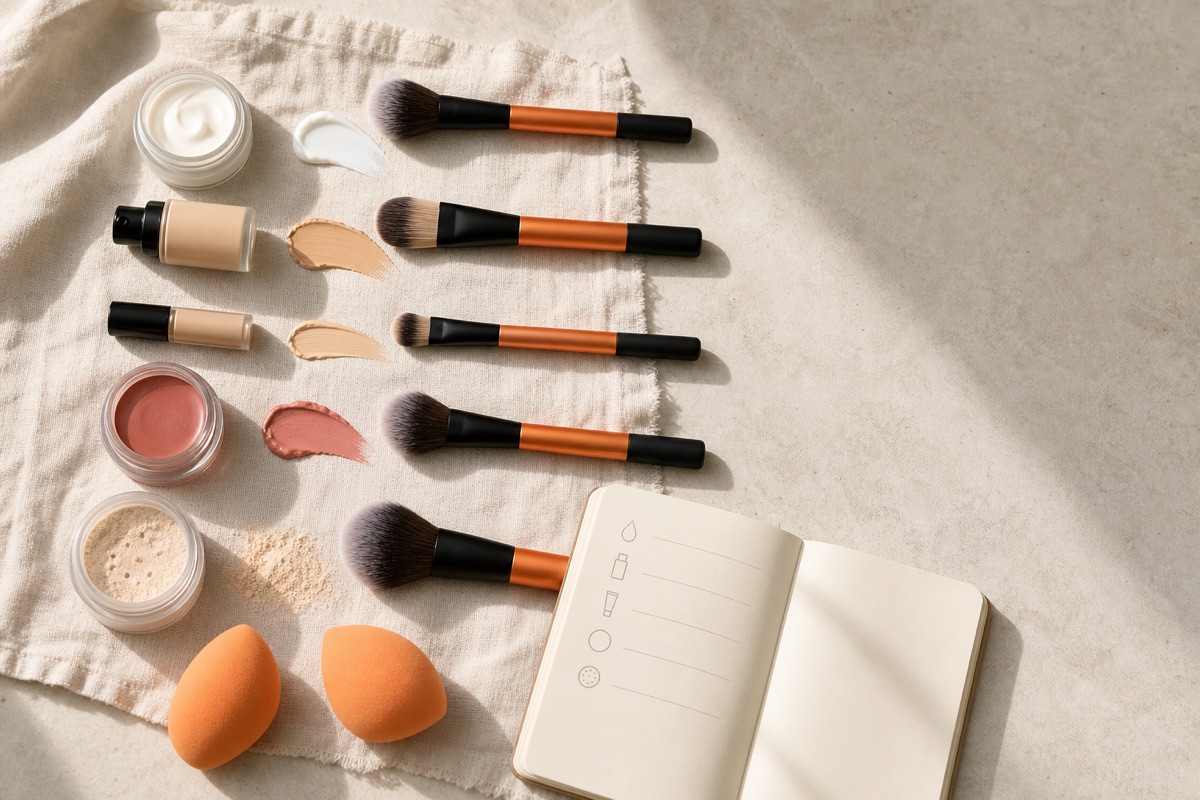
How to Apply a Makeup Brush Set Without Settling in Fine Lines
A mature-skin makeup guide to using brush sets without caking, tugging, or settling into fine lines, with product prep, order, and tool hygiene.
We analyzed 38,138 Amazon US rating signals for 3 brush sets, Wirecutter's 70-brush guide, FDA cosmetic-allergen guidance, and MedlinePlus aging-skin facts. For fine lines, use thin layers, synthetic brushes, press-and-sweep motions, and powder only where makeup moves.
Editor's top Amazon picks for this guide
Real Amazon products that match this protocol. Affiliate links — your purchases support BeautySift.

Real Techniques
Real Techniques Everyday Essentials Makeup Brush Set
$18.92
"Best starter set for thin base layers: 4.8/5 from 14,491 Amazon ratings, synthetic brushes, and two sponges for pressing foundation edges."
What real Amazon buyers say
4.8★· 14,491 reviews"Love these brushes!!! Great price! Blend so good my makeup looks amazing. Very durable, definitely don't feel cheap!"
"The brushes are incredibly soft yet dense, allowing for precise and even application of foundation, blush, bronzer, contour, eyeshadow, and powder."

EcoTools
EcoTools Start The Day Beautifully Makeup Brush Set
$9.98
"Best budget set: 4.7/5 from 22,917 Amazon ratings, vegan synthetic bristles, and compact face-eye coverage for light layers."
What real Amazon buyers say
4.7★· 22,917 reviews"Great brushes they are soft and blend well. I like the nice tin they come in it is elegant looking. Worth the price."
"They're soft, easy to use, and blend products effortlessly. Another big plus is how well they clean -- they wash up nicely and keep their shape."
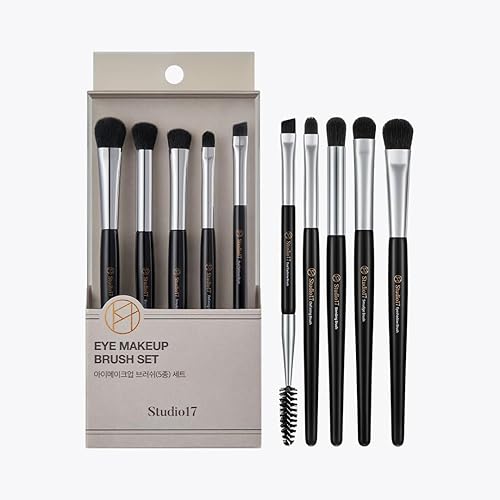
STUDIO17
STUDIO17 Eye Makeup Brush Set 5 Pcs
$10.90
"Best eye-detail add-on: 4.3/5 from 157 Amazon ratings and smaller synthetic shapes for hooded or mature lids."
What real Amazon buyers say
4.3★· 157 reviews"Excellent quality brushes at an affordable price point--a real bargain! These brushes enable real control with application of eye shadow, would highly recommend."
"Quality is great and each Brush does its job. satisfied with my purchase."

Piccasso
Piccasso Professional Makeup Spatula Sponge 2 Set
$16.70
"Best thin-base companion: 4.6/5 from 73 Amazon ratings, stainless spatula spreading, and two sponges for pressing foundation smooth."
What you'll learn
- Fine-line-friendly brush work starts with skin prep and product dose, not with a larger brush or heavier foundation.
- Use synthetic brushes, thin layers, and press-and-sweep motions so makeup sits as a veil instead of collecting in creases.
- Cream and liquid products usually need less powder on mature skin; set only the areas that crease, transfer, or shine.
- Clean brushes matter for sensitive skin because FDA guidance flags cosmetics and applicators as possible irritation or contamination sources.
- For hooded or textured lids, smaller eye brushes give more control than fluffy oversized shapes that scatter shimmer into folds.
Steps
-
1 Prep skin until it feels flexible, not slippery
Cleanse gently, moisturize, and wait 5 to 10 minutes before makeup. Mature skin often has lower oil production and elasticity, according to MedlinePlus, so foundation grabs at dry patches faster. The mature-skin tip: press moisturizer around smile lines and under the eyes, then blot excess shine before brush work.
-
2 Choose a thin base and load the brush lightly
Dispense less foundation than you think you need, then pick up a small amount on a dense synthetic brush or spread a sheer layer with a spatula before blending. The mature-skin tip: keep the first layer translucent around crow's feet, nasolabial folds, and lip lines; add coverage only to redness or discoloration.
-
3 Use press-and-sweep motions instead of circular buffing
Circular buffing can overwork foundation where fine lines already move. Press the brush flat to place product, then sweep outward with short strokes. The mature-skin tip: around the mouth and under-eyes, switch to tapping with a sponge or fingertip so product is pressed into a thin film rather than scrubbed into creases.
-
4 Apply creams before powders and keep powder strategic
Use cream blush or bronzer before setting powder, then powder only the T-zone, sides of the nose, and areas where makeup transfers. The mature-skin tip: avoid baking under the eyes; a small tapered brush with a trace of powder is enough for most fine lines.
-
5 Use smaller eye brushes for hooded or textured lids
Oversized blending brushes can carry pigment too high and make shimmer settle in lid folds. Choose smaller synthetic eye brushes for crease, outer-corner, and lower-lash work. The mature-skin tip: keep shimmer on the mobile lid or inner corner and use satin or matte texture through the crease.
-
6 Clean and rotate brushes before sensitivity shows up
Wash brushes regularly, let them dry completely, and avoid sharing eye or lip tools. FDA guidance warns that makeup can trigger allergic reactions and that shared applicators increase contamination risk. The mature-skin tip: if cheeks sting or eyelids itch after makeup, pause fragranced products and clean tools before blaming one foundation.
Bottom line
A makeup brush set can help foundation, concealer, blush, and eye color sit more smoothly on mature skin, but only if the technique is light. Fine-line settling usually comes from too much product, rushed skin prep, aggressive buffing, or powder placed everywhere. The fix is not a 30-piece kit. It is a smaller amount of makeup, soft synthetic bristles, and deliberate placement.
BeautySift did not test these brush sets on a panel. We analyzed 38,138 Amazon US rating signals across Real Techniques, EcoTools, STUDIO17, and Piccasso tools; Wirecutter’s 2025 brush guide covering more than 70 brushes; Allure’s pro-artist brush guidance; FDA cosmetic-allergen and contamination guidance; MedlinePlus aging-skin education; and a PubMed-indexed applicator-hygiene study. We may earn a commission from Amazon links, but affiliate status does not influence selection or scoring.
For women 35-55, the practical rule is this: use brushes to control where product goes, then use pressing motions to remove what skin does not need. Makeup should move with expression lines, not sit in them.
Why makeup settles into fine lines after 35
Fine lines are not the only reason makeup gathers. Texture, dehydration, product incompatibility, and brush pressure all matter. MedlinePlus notes that aging skin becomes thinner, loses some elasticity, and produces less oil over time. That does not mean makeup is off-limits after 40. It means skin prep and product load matter more than they did when a full-coverage base could be buffed on quickly.
Settling usually shows up in four places: under the eyes, around smile lines, near lip lines, and across textured eyelids. These areas move constantly. If foundation or concealer is thick, matte, or over-powdered, it has nowhere to flex. A large brush can make the problem worse because it spreads product over areas that need less coverage.
The better approach is selective coverage. Let foundation even the face lightly, then use concealer only where discoloration remains. Let blush and bronzer revive the complexion without adding a dry powder blanket. Let eye brushes place color exactly where the lid can hold it.
Step 1: prep skin until it feels flexible, not slippery
Start with skin that feels comfortable. If your moisturizer is still sitting wet on top of the face, a brush can smear makeup. If your moisturizer has fully disappeared and cheeks feel tight, foundation can cling. Wait 5 to 10 minutes after skin care, then lightly blot the T-zone or any sunscreen shine before applying makeup.
The mature-skin-specific tip is to treat high-movement areas as low-product zones. Press moisturizer around smile lines, under the eyes, and at the corners of the mouth, then let it settle. Do not pile primer, heavy sunscreen, rich moisturizer, and full-coverage foundation in the same crease. More layers can make makeup separate faster.
For sensitive skin, keep prep bland. FDA allergen guidance notes that cosmetics can trigger allergic reactions or contact dermatitis, so this is not the moment to introduce a fragranced primer, new peel pad, and new foundation together. If your face stings before makeup, brush technique will not solve the irritation.
Step 2: choose the right brush for each texture
Use dense synthetic brushes for liquid or cream foundation because they place product evenly without absorbing as much as very fluffy brushes. Use a smaller concealer brush only where coverage is needed. Use a soft tapered powder brush for setting, not a large puff pressed across the whole face.
Real Techniques Everyday Essentials is the most practical starter role in this guide. Amazon’s May 2026 snapshot showed 4.8/5 from 14,491 ratings, and the set includes both brushes and sponges. That matters because a brush can spread product while a sponge presses down edges. EcoTools Start The Day Beautifully is the budget role, with 4.7/5 from 22,917 Amazon ratings and compact face-eye coverage.
For eyes, small shapes beat big ones. STUDIO17’s five-piece eye set had 4.3/5 from 157 Amazon ratings in the source snapshot, and the smaller brush heads fit hooded or textured lids better than oversized blending brushes. If your foundation often looks heavy, the Piccasso spatula-and-sponge set is a different lane: Amazon’s snapshot showed 4.6/5 from 73 ratings, and the tool is designed to spread a thin layer before pressing.
Step 3: load less product than the brush can hold
Most brush sets can pick up more product than mature skin needs. Put foundation on the back of your hand or a palette first. Tap the brush into a small amount, then wipe one side of the bristles against your hand before touching your face. This one step prevents the first stamp of foundation from becoming the heaviest spot.
Apply base from the center of the face outward. Use short strokes on cheeks, then switch to pressing around the nose, mouth, and under-eyes. If you can see product collecting in a line while you apply it, pause and sheer that area immediately with a clean sponge or fingertip.
The mature-skin tip is to leave fine lines slightly under-covered. That sounds counterintuitive, but heavy coverage makes lines more visible in daylight. Put coverage on redness, broken capillaries, discoloration, or spots. Keep moving creases flexible.
Step 4: press and sweep instead of polishing in circles
Circular buffing can look beautiful on firm, smooth areas of the cheek. It can also overwork makeup around expression lines. When foundation starts to dry, more buffing creates texture. Use press-and-sweep motions instead: press the flat side of the brush to place makeup, then sweep outward once or twice.
Under the eyes, use even less. Place concealer slightly below the darkest area, blend upward with a small brush, then tap with a fingertip or sponge. Avoid taking concealer into every crow’s-foot line. Set only if the concealer transfers or creases, and use the smallest powder brush you own.
Around smile lines, apply foundation with the mouth relaxed, then smile once and tap out any product that gathers. That quick expression check is more useful than adding powder immediately. Powder can lock excess product into the crease if you do not remove the excess first.
Step 5: apply creams before powders
Order matters. Apply liquid foundation first, then cream bronzer or blush, then concealer touch-ups, then powder. If you powder the whole face before cream blush, the cream can drag, patch, or require more blending. More blending means more disturbance around fine lines.
Cream blush often looks fresher on mature skin than a dry powder blush, especially in Southwest dryness or Midwest winter heating. Use a small stippling brush or the side of a foundation brush to place it high on the cheek, then tap the edge with a sponge. Keep blush away from deep smile lines if color tends to collect there.
Powder is a tool, not a blanket. Use it where makeup moves: sides of the nose, center of the forehead, chin, and any area where glasses or a phone transfer foundation. Skip powder over the outer under-eye unless you truly need it. If shine returns later, blot first and powder second.
Step 6: adjust eye makeup for texture and sensitivity
Hooded, crepey, or textured lids need smaller brushes and softer pressure. A large fluffy brush can scatter shadow above the crease and into folds. Use a small shader brush for the mobile lid, a compact blending brush for the crease, and an angled or pencil brush for lash-line definition.
Finish matters. Satin and matte shadows are usually more forgiving through the crease than chunky shimmer. If you like shimmer, place it on the center of the mobile lid or inner corner, not across the entire textured area. For depth, build two thin layers instead of one heavy deposit.
Sensitive eyes need clean tools and restrained product. FDA safety guidance warns against sharing makeup because applicators can spread contamination. For eye brushes, wash regularly, let them dry fully, and replace tools that shed, scratch, or never seem clean. Zalecki et al. reported in a 2021 Journal of Cosmetic Science applicator study that 70% ethanol eliminated 100% bacterial growth in their tested reusable applicators, which supports taking tool hygiene seriously.
Step 7: clean brushes before they sabotage the finish
Brush buildup changes application. Foundation brushes get stiff, powder brushes deposit unevenly, and eye brushes turn muddy. For sensitive skin, that is both a finish issue and a comfort issue. Wash foundation and concealer brushes at least weekly if you use them most days. Wash eye brushes more often if your lids are reactive.
Use gentle brush soap or mild cleanser, rinse until the water runs clear, squeeze out excess water, reshape, and dry flat with bristles hanging slightly over the counter edge. Do not dry brushes upright while wet; water can run into the ferrule and loosen glue.
The mature-skin tip is to keep one clean finishing tool available. A clean sponge, clean powder brush, or clean flat foundation brush can sheer edges after everything is applied. That final pass removes excess product before it settles.
Product roles in this technique
Real Techniques Everyday Essentials is the easiest all-around pick because it pairs brushes with sponges. The Amazon signal is strong at 4.8/5 from 14,491 ratings, and the sponge component helps with the press-after-brush step that keeps foundation thin around fine lines.
EcoTools Start The Day Beautifully is the value pick. Its 4.7/5 Amazon rating across 22,917 ratings gives it the largest review base in this article, and the compact brush selection is enough for foundation, blush, powder, and simple eyes. It is a better fit for someone who wants fewer tools to wash.
STUDIO17 Eye Makeup Brush Set is the eye-control add-on. It does not solve foundation, but it helps with hooded lids, lash-line definition, and avoiding the oversized-brush problem. Piccasso’s spatula-and-sponge set is the thin-base companion for people who keep applying too much foundation with a brush.
Common mistakes that make fine lines more visible
The first mistake is starting with full coverage everywhere. Fine lines do not need the same coverage as cheek redness or discoloration. Use foundation to even the face, then spot-conceal.
The second mistake is powdering before removing excess product. Smile, squint, and speak once before setting. If product gathers, tap it out first. Then powder lightly only where needed.
The third mistake is using dirty brushes and assuming the foundation is failing. Built-up brush residue can make even a flexible base look streaky. Clean tools make product behavior easier to judge.
The fourth mistake is using shimmer as a crease shade. Shimmer catches light on folds. Keep reflective shades on smoother lid areas and use satin or matte textures where skin folds.