How to Choose the Right Hormonal Acne Treatments After 35
An evidence-led guide for US women 35-55 choosing hormonal acne treatments, from OTC adapalene and benzoyl peroxide to prescription discussions.
Based on 9 sources including the 2024 AAD acne guideline, Collier 2008 reporting acne in 26.3% of women ages 40-49, and the 410-participant SAFA spironolactone trial, choose hormonal acne treatment by severity: OTC adapalene for prevention, benzoyl peroxide for inflamed lesions, and clinician care for cystic, scarring, or persistent jawline acne.
Editor's top Amazon picks for this guide
Real Amazon products that match this protocol. Affiliate links — your purchases support BeautySift.
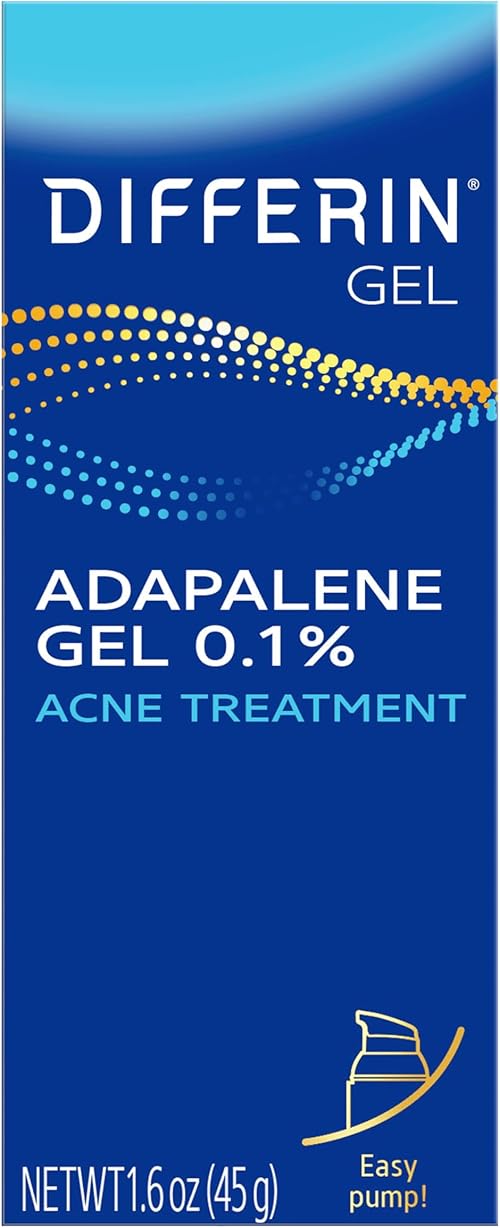
Differin
Differin Adapalene Gel 0.1% Acne Treatment
$23.97
"Fits the OTC retinoid prevention step for recurring clogged pores and inflammatory adult acne."
What real Amazon buyers say
4.6★· 10,210 reviews"The gel itself is lightweight, fragrance-free, and easy to incorporate into an evening routine. A thin layer goes a long way."
"The gel goes on smoothly, absorbs fast, and doesn’t leave them with a greasy feeling."

PanOxyl
PanOxyl Acne Foaming Wash 10% Benzoyl Peroxide
$10.67
"Benzoyl peroxide wash format fits inflamed pimples when used carefully to limit dryness and fabric bleaching."
What real Amazon buyers say
4.6★· 80,608 reviews"The foaming formula is easy to use and works quickly without being overly harsh."
"It can be a little drying if you overdo it, so moisturizer is a must"
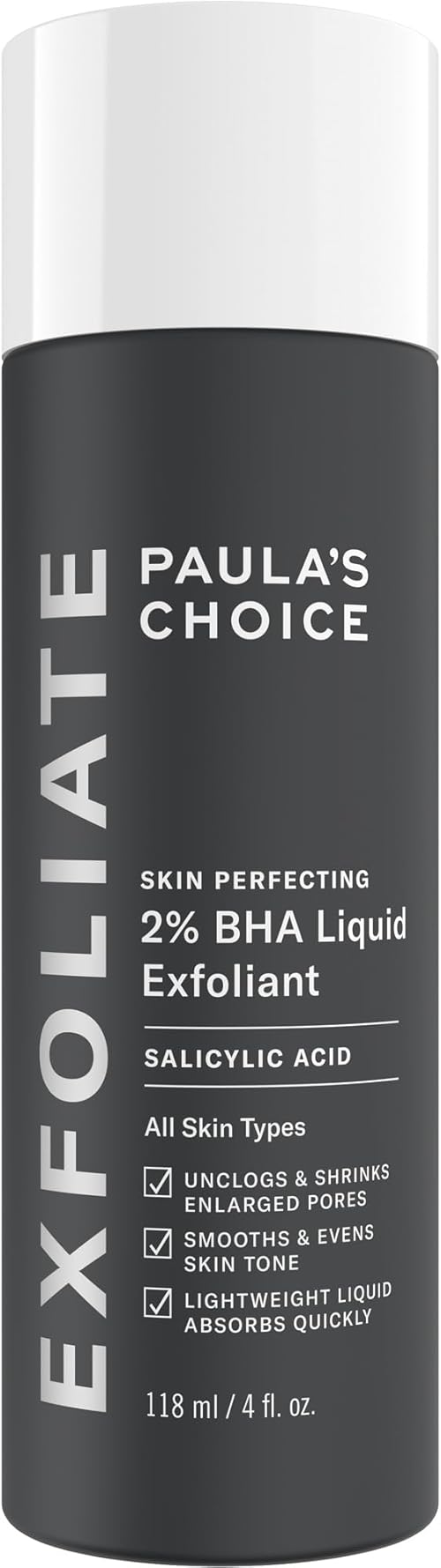
Paula's Choice
Paula's Choice Skin Perfecting 2% BHA Liquid Exfoliant
$25.90
"A salicylic acid option for blackheads and congestion when cystic inflammation is not the dominant issue."
What real Amazon buyers say
4.5★· 114,286 reviews"It dries down quickly, leaves no fragrance, and doesn’t feel sticky or harsh."
"However, the packaging is not. It is messy and you lose product whenever you dispense it."

Hero Cosmetics
Hero Cosmetics Mighty Patch Original
$12.99
"Hydrocolloid patches help protect surfaced whiteheads from picking while prevention treatment works over weeks."
What you'll learn
- Choose the treatment lane by acne pattern: clogged pores, inflamed pimples, deep cysts, or prescription-level hormonal flares.
- For many US adults, adapalene 0.1% is the strongest OTC prevention step, while benzoyl peroxide is better suited to inflamed lesions.
- Perimenopause routines need barrier support because dry, reactive skin often tolerates fewer acne actives than teenage skin.
- Spironolactone, oral contraceptives, antibiotics, and isotretinoin are medical-care options, not beauty add-ons to self-direct.
- Judge OTC care over 8 to 12 weeks unless irritation is severe, but get care sooner for painful, scarring, sudden, or rapidly worsening acne.
Steps
-
1 Step 1: Classify the breakout before buying treatment
Start by naming the dominant pattern. Closed comedones and blackheads point toward clogged-pore management; red inflamed pimples need anti-inflammatory acne care; deep tender cysts along the chin or jawline may need prescription discussion. Dreno 2013 describes adult female acne as often chronic, inflammatory, and lower-face focused, so repeating the same teen acne routine is not always the best fit after 35.
-
2 Step 2: Rule out common midlife mimics
Do not assume every bump is hormonal acne. Rosacea, perioral dermatitis, folliculitis, allergic contact dermatitis, shaving or hair-removal irritation, and over-exfoliation can look acne-like. If bumps burn, itch, spread rapidly, cluster around the mouth, or appear with persistent flushing, simplify the routine and consider medical evaluation before adding stronger acids or retinoids.
-
3 Step 3: Build a low-irritation base routine
Use a gentle cleanser, non-comedogenic moisturizer, and daily broad-spectrum sunscreen before escalating actives. This is not filler advice: adult acne routines fail when the active ingredient has evidence but the surrounding skin cannot tolerate it. For women 35-55, especially around perimenopause, dryness and sensitivity can turn a reasonable acne plan into peeling, stinging, and more visible marks.
-
4 Step 4: Choose adapalene when prevention is the priority
Choose adapalene 0.1% when repeat clogged pores, chin bumps, and inflammatory breakouts keep returning in the same zones. FDA approved Differin Gel 0.1% for OTC acne treatment access in 2016, and the 2024 AAD acne guideline strongly recommends topical retinoids. Start with a pea-size amount over the acne-prone area 2 to 3 nights weekly, then increase only if the skin stays comfortable.
-
5 Step 5: Choose benzoyl peroxide when inflamed pimples dominate
Choose benzoyl peroxide when red, inflamed pimples are the main issue. FDA OTC rules recognize benzoyl peroxide as an acne active, and AAD acne guidance supports it in acne regimens. For dry or retinoid-adjusting skin, a wash or short-contact format can be more tolerable than a strong leave-on layer. Use white towels because benzoyl peroxide can bleach fabric.
-
6 Step 6: Add salicylic acid only for congestion, not every acne type
Salicylic acid fits blackheads, oily congestion, and small clogged bumps. It is less compelling as the only plan for deep hormonal cysts. If you already use adapalene, do not add a 2% BHA every night in the same week; use it on separate days and stop if skin becomes shiny-tight, flaky, or sore. More exfoliation is not automatically a better adult acne plan.
-
7 Step 7: Escalate to prescription discussion when the pattern warrants it
Discuss dermatology care if acne is cystic, painful, scarring, suddenly appearing after 40, worsening quickly, or not improving after 8 to 12 weeks of consistent OTC use. Prescription options may include spironolactone for appropriate women, combined oral contraceptives, topical antibiotics paired with benzoyl peroxide, prescription azelaic acid, or isotretinoin for severe cases. The SAFA trial found clearer spironolactone improvement at 24 weeks than 12 weeks, which supports patience and proper screening.
-
8 Step 8: Use a 12-week decision window
Track three numbers weekly: new tender bumps, surface whiteheads, and marks that remain after healing. If the count and depth are improving by weeks 8 to 12, stay consistent rather than changing everything. If cysts continue at the same rate, marks are worsening, or side effects prevent adherence, the treatment choice is wrong for your skin or the condition needs medical care.
Bottom line
Choosing the right hormonal acne treatment is less about finding one universal product and more about matching the treatment lane to the breakout pattern. A clogged-pore plan, an inflamed-pimple plan, and a prescription-level cystic-acne plan are different decisions.
BeautySift did not test these products on a panel. We analyzed AAD guidance, FDA OTC acne context, PubMed-indexed studies, and verified Amazon product identifiers for representative routine products. We may earn a commission from Amazon links, but affiliate status does not affect evidence weighting.
The decision tree
Use this sequence before buying another serum:
- If the main issue is closed comedones, blackheads, and recurring clogged pores, consider adapalene 0.1% as the prevention anchor.
- If the main issue is red inflamed pimples, consider benzoyl peroxide as a wash or targeted step.
- If the main issue is oily congestion without deep cysts, consider salicylic acid with careful frequency.
- If the main issue is deep jawline cysts, scarring, or persistent cyclic flares, move prescription discussion earlier.
- If the skin is burning, peeling, or rashy, pause escalation and repair the barrier first.
How the featured products fit the protocol
Using the product-comparison framework, we weighted clinical relevance, tolerability, formulation logic, accessibility, value, and evidence strength. Adapalene ranks highest in this guide because the active has FDA OTC acne context and strong guideline support. Benzoyl peroxide earns a separate role for inflamed lesions. Salicylic acid is useful for congestion but easier to overuse. Hydrocolloid patches are support tools, not hormonal-acne treatment.
This hierarchy matters for women 35-55 because perimenopause can make acne more inflammatory while the skin barrier becomes less forgiving. A harsher routine may create more peeling and post-breakout marks without preventing the next cyst.
What not to combine on week one
Avoid starting adapalene, benzoyl peroxide, salicylic acid, a scrub, and a drying clay mask in the same week. If you want a practical beginner structure, use adapalene at night 2 to 3 times weekly, benzoyl peroxide as a morning wash only when inflamed lesions are active, and moisturizer every day.
If skin stings with moisturizer, simplify for 7 to 14 days before reintroducing acne actives. Consistency beats intensity when the evidence window is measured in weeks.
When OTC care is not enough
Book dermatology care sooner if acne is painful, nodular, scarring, suddenly appearing after 40, rapidly worsening, or leaving long-lasting marks. Also seek care if acne appears with irregular periods, new facial hair, scalp hair thinning, unexplained weight change, pregnancy, breastfeeding, or medication changes.
Spironolactone can be appropriate for some adult women, but it is prescription medical care. The BMJ SAFA trial enrolled 410 adult women and found self-reported improvement was stronger at week 24 than week 12. That supports a medically supervised, patient timeline rather than treating anti-androgen therapy like a quick beauty supplement.
Related BeautySift reading
Guide: How to treat hormonal jawline acne in your 40s -> /guides/how-to-treat-hormonal-acne-jawline-2026/
Guide: Adult hormonal acne after 40 -> /guides/adult-hormonal-acne-after-40-guide-2026/
Listicle: Best treatments for perimenopause hormonal acne -> /listicles/best-treatments-perimenopause-hormonal-acne-2026/