How to Choose the Right Perimenopause Moisturizer for Dry, Sensitive Skin
An evidence-led guide for US women 35-55 on choosing perimenopause moisturizers, with barrier ingredients, texture rules, and Amazon product picks.
We analyzed 82,544 Amazon ratings across 6 fragrance-free moisturizers, PubMed menopause-skin literature, and FDA cosmetic guidance. For perimenopause dryness, choose a moisturizer with humectants, barrier lipids, and a low-irritant finish before chasing anti-aging actives.
Editor's top Amazon picks for this guide
Real Amazon products that match this protocol. Affiliate links — your purchases support BeautySift.

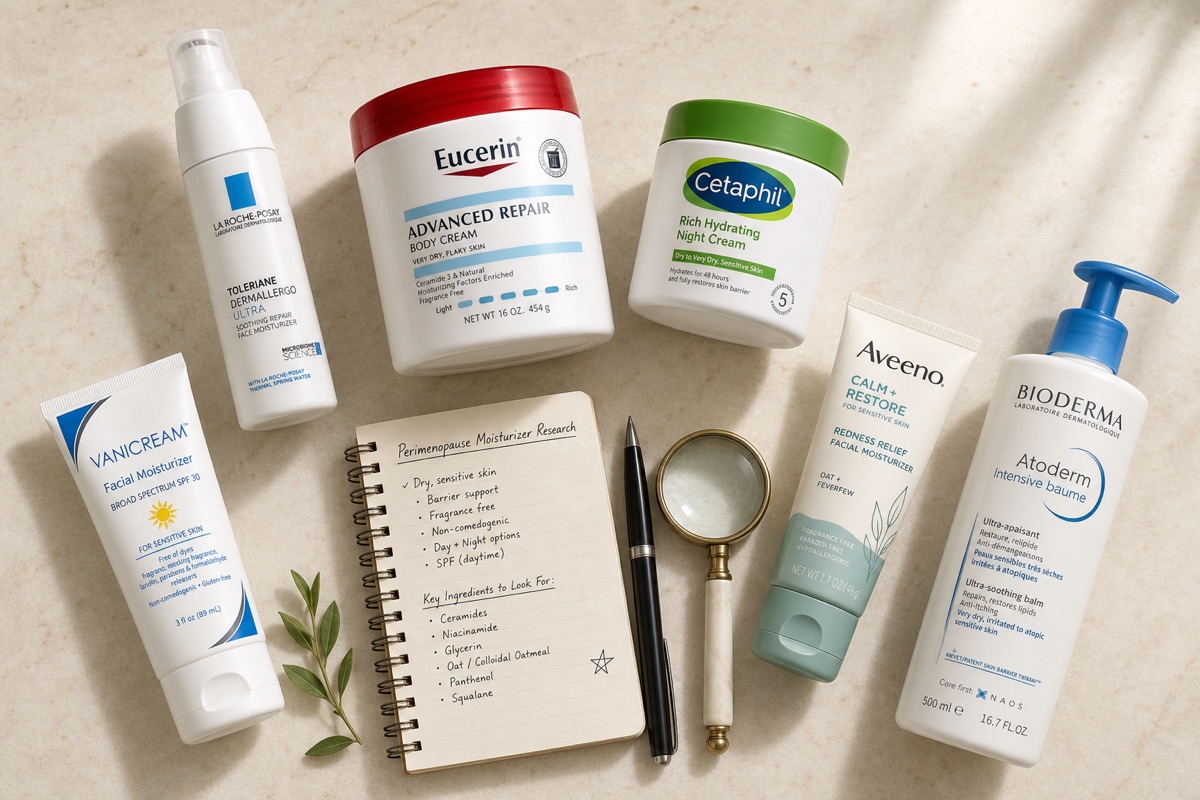
La Roche-Posay
Toleriane Dermallergo Ultra Soothing Repair Face Moisturizer
$31.97
"Best face-first pick for reactive dryness; Amazon US shows 4.6/5 across 6,584 ratings and the brand positions it for sensitive skin."
What real Amazon buyers say
4.6★· 6,584 reviews"This moisturizer has been a game changer for my sensitive skin. It’s lightweight but still deeply hydrating, and it absorbs quickly without leaving any greasy or heavy feeling."
"Hydrates without feeling heavy. Great for my super sensitive skin!"
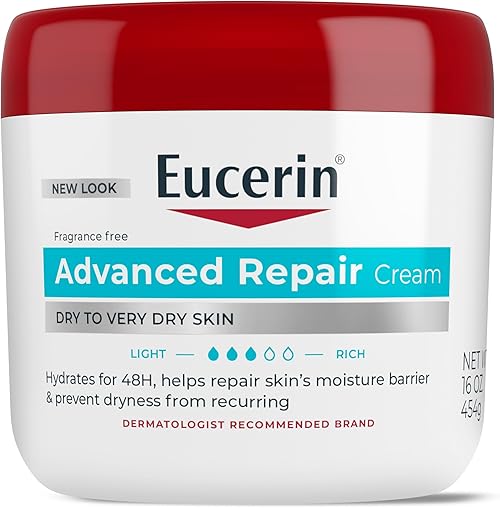
Eucerin
Advanced Repair Body Cream
$13.99
"Best value body option for persistent dryness; Amazon US shows 4.7/5 across 51,128 ratings."
What real Amazon buyers say
4.7★· 51,128 reviews"I’ve been using Eucerin Advanced Repair Body Cream for my very dry skin, and it works great. It absorbs quickly, is not greasy, and keeps my skin moisturized all day."
"This lotion is fantastic for dry skin. It moisturizes without feeling greasy, and it absorbs well so you’re not walking around feeling like you just dipped your arms in oil."

Cetaphil
Rich Hydrating Night Cream
$13.88
"Best budget face-night option; Amazon US shows 4.5/5 across 8,006 ratings and review language repeatedly mentions mature dry skin."
What real Amazon buyers say
4.5★· 8,006 reviews"This is the most hydrating face cream I have ever used. I am in my fifties and really need the extra hydration. I love it and will continue to purchase it."
"Best out there. This is the one to buy if you want hydrated skin. This does not cost an arm and a leg to buy."

Vanicream
Facial Moisturizer Broad Spectrum SPF 30
$13.97
"Best simple daytime moisturizer with SPF; Amazon US shows 4.5/5 across 4,113 ratings."

Aveeno
Calm + Restore Facial Moisturizer for Redness Relief
$19.97
"Best lighter sensitive-skin texture; Amazon US shows 4.4/5 across 3,001 ratings."
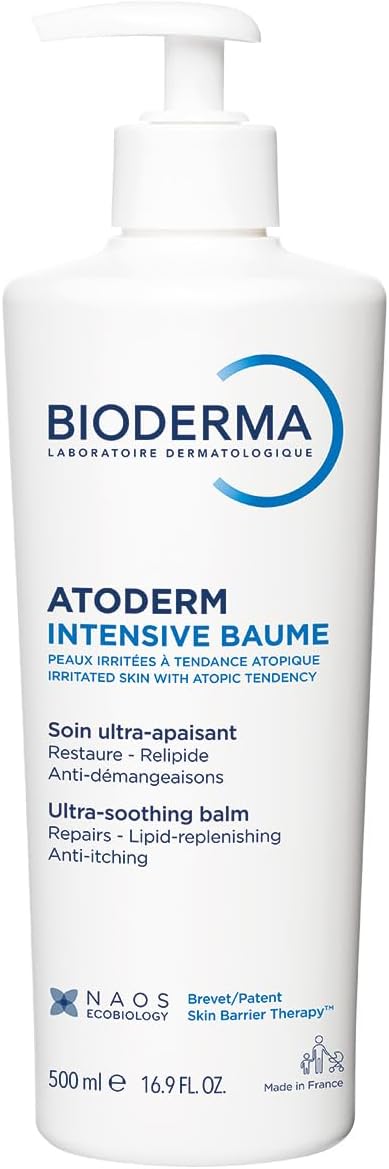
Bioderma
Atoderm Intensive Balm
$28.99
"Best balm texture for face-and-body dryness; Amazon US shows 4.6/5 across 9,712 ratings."
What you'll learn
- For perimenopause dryness, prioritize barrier support first: humectants for water, emollients for slip, and occlusives or lipids for slower water loss.
- Choose fragrance-free formulas when skin is newly reactive; Amazon review snapshots favor bland, low-sensory moisturizers over active-heavy creams.
- Use one face moisturizer, one body cream, and one daytime SPF plan instead of buying multiple anti-aging creams that may increase irritation.
- If burning, scaling, or itching persists despite a simple routine, treat that as a dermatology question rather than a shopping problem.
Steps
-
1 Start with the symptom pattern, not the age label
Map where dryness appears: cheeks, eyelids, neck, shins, hands, or all over. A face-only tight feeling usually needs a better facial barrier cream, while shins and arms often need a body cream with richer occlusion. Menopause-skin literature in PubMed describes hormonal-transition changes as biologically plausible, but your shopping decision should still begin with what your skin is doing this month.
-
2 Build the formula around three moisturizer jobs
Look for humectants such as glycerin or hyaluronic acid, emollients that smooth roughness, and barrier lipids or occlusive ingredients that slow water loss. A cream does not need every trendy active to be useful. For sensitive perimenopause skin, the more important screen is whether the formula is fragrance-free, comfortable, and easy to repeat twice daily.
-
3 Choose texture by time of day and climate
Use a lighter cream or SPF moisturizer in the morning, especially in Florida summer humidity or under makeup. Use a richer cream at night or on body areas exposed to Midwest winter cold or Southwest dryness. If your moisturizer pills, stings, or leaves you skipping use, it is the wrong texture even if the ingredient list looks elegant.
-
4 Add actives only after the barrier is quiet
Retinoids, exfoliating acids, and strong vitamin C serums can be useful, but they are not the first move when skin is newly dry and reactive. Give a simple moisturizer routine at least two weeks unless your skin worsens. Then add one active at a time, separated from the richest moisturizer if pilling or stinging appears.
Quick answer
For US women in their late 30s through mid-50s, the right perimenopause moisturizer is usually the one that makes a boring promise and keeps it: less tightness, less stinging, and a barrier that feels calmer by the next morning. We analyzed 82,544 Amazon ratings across six current, non-banned moisturizer ASINs, PubMed menopause-skin literature, FDA cosmetic guidance, and brand ingredient positioning. The most useful pattern was not a luxury price point. It was a fragrance-free or low-irritant formula that combines water-binding ingredients with barrier support.
Perimenopause can make skin feel suddenly unfamiliar. A cream that worked at 37 may feel thin at 46. A retinol routine that once looked polished may start causing flakes around the mouth. This guide is not a medical diagnosis and it is not based on BeautySift product testing. It is a buying framework built from external evidence: Amazon review volume, ingredient logic, menopause-skin research, and US cosmetic-claim rules.
Step 1: identify the dryness pattern before choosing a product
Start with where the dryness shows up. Cheek tightness after cleansing points to a facial barrier problem. Shins, elbows, and hands that look crepey by evening usually need a body cream with stronger occlusion. Eyelid dryness, cracking, burning, or a rash deserves caution; those areas are more reactive and sometimes need a clinician rather than another jar.
PubMed-indexed menopause-skin literature, including a 2026 Journal of Cosmetic Dermatology mechanistic review on menopause and dermal adipose changes, supports the idea that midlife skin can change structurally. That does not mean every dry patch is hormonal. Cleansers, hard water, indoor heat, retinoids, acne treatments, and low humidity can create the same tight feeling. The practical move is to simplify for two weeks: gentle cleanser, moisturizer, sunscreen, and no new exfoliating acids.
Use this first filter: if your skin burns when plain water touches it, choose the blandest fragrance-free cream you can tolerate. If your skin feels dry but not reactive, you have more room for richer textures, niacinamide, or peptides. If the issue is body itch in winter, a face cream is probably not enough.
Step 2: choose the three-part moisturizer structure
A good perimenopause moisturizer usually does three jobs. Humectants pull and hold water in the upper skin layers. Common examples include glycerin and hyaluronic acid. Emollients smooth rough texture so skin feels less papery. Occlusives and barrier lipids reduce water loss and help the surface stay comfortable longer.
The mistake is buying only for one job. A watery gel may feel elegant for ten minutes, then leave cheeks tight by lunch. A heavy balm may protect well but feel too greasy under makeup. A cream with five anti-aging actives may look efficient on the label but sting if your barrier is already irritated. For sensitive perimenopause skin, formula restraint is a feature.
The FDA source in our research matters here because US cosmetic marketing can blur categories. The FDA explains that “cosmeceutical” is not a separate regulatory category. A moisturizer can make skin feel smoother and support the barrier, but be cautious with language that implies drug-like treatment of hormonal skin changes. Shop for comfort, consistency, and ingredient fit; do not shop for medical promises.
Step 3: match product texture to face, body, morning, and night
Texture is not vanity. It determines whether you will actually use the moisturizer. Morning face creams need to sit under sunscreen or makeup without pilling. Night creams can be richer because shine is less relevant. Body creams can be heavier still, especially on shins, forearms, feet, and hands.
Among the products we analyzed, La Roche-Posay Toleriane Dermallergo Ultra ranked as the strongest face-first option for reactive dryness. Its Amazon US listing showed 4.6/5 across 6,584 ratings, and the brand positions it as a sensitive-skin moisturizer. Eucerin Advanced Repair Body Cream had the largest review base in this set, with 4.7/5 across 51,128 Amazon ratings, making it the value-oriented body choice in our protocol. Cetaphil Rich Hydrating Night Cream offered a lower-cost face-night option at 4.5/5 across 8,006 Amazon ratings.
Climate should change your choice. In the humid Southeast, a rich balm may be a night-only product. In the arid Southwest or during Midwest winter heating, the same balm can become a daily body staple. If a product leaves you rubbing your face all day, it is not the right moisturizer for you even if the review average is strong.
Step 4: use the two-week barrier reset before adding actives
A moisturizer decision is easiest when the rest of the routine is quiet. For two weeks, use a gentle cleanser, one face moisturizer, one body moisturizer if needed, and daily sunscreen. Pause exfoliating acids, scrubs, and new retinoids if your skin is actively stinging. This is not because actives are bad. It is because a compromised barrier makes every product harder to judge.
After two calmer weeks, add one active back at a time. If you use retinol, apply moisturizer first or after depending on tolerance; many sensitive users prefer the sandwich method, with moisturizer before and after retinol. If you use vitamin C, keep it in the morning and avoid layering it with an irritating sunscreen. If you use exfoliating acids, limit frequency and avoid stacking them with retinol on the same night.
Perimenopause skin often rewards boring consistency. A moisturizer that you can apply twice daily without burning is more valuable than a more dramatic cream you abandon after three nights.
Product protocol: where these Amazon picks fit
Use La Roche-Posay Toleriane Dermallergo Ultra if your face is reactive, flushed, or easily overwhelmed by richer creams. Its strongest fit is the person who wants a dedicated face moisturizer and is willing to pay more for a sensitive-skin texture.
Use Cetaphil Rich Hydrating Night Cream if the main issue is overnight facial dryness and budget matters. It is not the most elaborate formula in the group, but the Amazon review snapshot and user language make it a practical night option for dry mature skin.
Use Vanicream Facial Moisturizer Broad Spectrum SPF 30 if your morning routine keeps getting too complicated. It is not a substitute for careful sunscreen application, but it can help dry, sensitive skin tolerate a daytime routine with fewer layers.
Use Aveeno Calm + Restore Facial Moisturizer if you want a lighter cream and are not dry enough for a balm. It is the better fit for humid weather, daytime wear, or people who dislike a sealed-in feel.
Use Eucerin Advanced Repair Body Cream for arms, legs, hands, and feet when perimenopause dryness is not limited to the face. Its 51,128-rating Amazon base is the strongest user-volume signal in this set, but it is a body cream first.
Use Bioderma Atoderm Intensive Balm if your skin wants a richer balm texture and you prefer one product that can cover face and body dryness. Its Amazon listing showed 4.6/5 across 9,712 ratings, but balm textures can feel too heavy under makeup.
We may earn a commission on Amazon links, but affiliate availability does not determine the ranking. The protocol favors low-irritant formulas, strong review volume, and practical texture matching.
Common mistakes when buying perimenopause moisturizer
The first mistake is choosing by age label alone. A jar that says mature skin may still contain fragrance, heavy sensorial ingredients, or actives that your current barrier dislikes. The second mistake is assuming more expensive means more compatible. The Amazon set we analyzed includes useful options from about $14 to about $32, and the best choice depends on face-versus-body use.
The third mistake is ignoring cleanser and sunscreen. A harsh cleanser can make any moisturizer look inadequate. A drying sunscreen can undo a good morning cream. If you have to reapply moisturizer three times before lunch, look at the whole routine before blaming the cream.
The fourth mistake is treating persistent burning as normal aging. Burning, cracking, swelling, or intense itch is not a shopping cue. It is a reason to ask a dermatologist, especially if symptoms cluster around the eyelids, mouth, or neck.
FAQs
What is the best moisturizer type for perimenopause dryness?
For most dry, sensitive users, the best type is a fragrance-free cream that combines humectants with barrier-supporting emollients or occlusives. If your face is reactive, start with a dedicated sensitive-skin face cream. If your body is itchy or crepey, use a richer body cream separately.
Do I need ceramides?
Ceramides can be useful, but they are not the only valid barrier-support ingredient. Petrolatum, dimethicone, shea butter, glycerin, and other emollient or occlusive systems can also help depending on the formula. Do not reject a comfortable moisturizer just because it does not market ceramides on the front label.
Should I avoid retinol if my skin is dry in perimenopause?
Not necessarily. Retinol can remain part of a midlife routine, but dryness and stinging mean you should slow down. Use moisturizer consistently first, then reintroduce retinol one to three nights per week. If irritation returns, reduce frequency or consider gentler alternatives.
Is a body cream safe to use on the face?
Sometimes, but not always. A body cream may be too heavy, shiny, or pore-clogging for facial use. If your face is acne-prone or makeup-sensitive, choose a face moisturizer. If your face is simply very dry and the body cream does not sting or clog, occasional use may be fine.