
How to Choose the Right Vitamin E Serums for Dry, Mature Skin
An evidence-led guide to choosing vitamin E serums for dryness, fine lines, antioxidant support, and routine compatibility after 35.
We analyzed 3 Amazon US serum listings totaling 24,415 ratings, FDA cosmetic-claim guidance, and PubMed papers including Lin et al. 2005 on vitamin C, vitamin E, and ferulic acid. Choose vitamin E by texture first: watery C+E for daytime antioxidant support, oil-based E for dryness, and fragrance-free formulas for sensitive skin.
Editor's top Amazon picks for this guide
Real Amazon products that match this protocol. Affiliate links — your purchases support BeautySift.

Timeless Skin Care
Timeless Skin Care Vitamin C Serum with Vitamin E and Ferulic Acid
$32.87
"Best evidence-aligned C+E format: Amazon lists 4.3/5 across 12,811 ratings, and the formula type mirrors the vitamin C, vitamin E, and ferulic acid pairing studied by Lin et al. 2005."
What real Amazon buyers say
4.3★· 12,811 reviews"I apply two small pumps in the morning to my face, it is quick drying and absorbs easily and then I top with a moisturizer and sunscreen."
"Due to this being a 20% vitamin C, it may not be a great choice for sensitive skin. But if your skin can tolerate it, this serum is one of the best quality and effective vitamin C products on the market, especially for the price point."
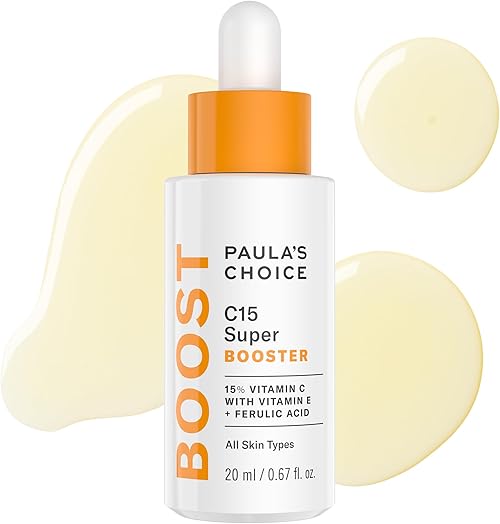
Paula's Choice
Paula's Choice BOOST C15 Super Booster
$38.50
"Best mid-strength C+E booster for shoppers who want 15% L-ascorbic acid, vitamin E, and ferulic acid in a watery texture; Amazon lists 4.2/5 across 3,146 ratings."
What real Amazon buyers say
4.2★· 3,146 reviews"Watery consistency and very light weight. Good mid-range price option for Vitamin C. Works great with my skin tone and has made my skin feel smoother and lessened the look of dark spots on my neck."
"Definitely recommend! I've been using this product for maybe 2 years and it's done wonders for my skin. I had a different vitamin C serum before this and this one is by far my favorite."
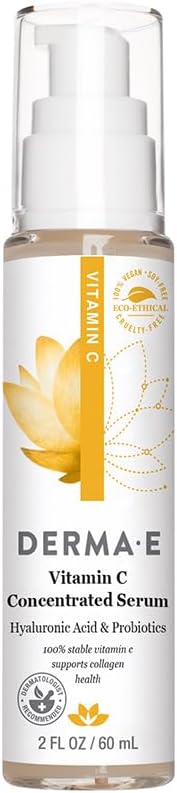
DERMA E
DERMA E Vitamin C Concentrated Serum
$19.50
"Best budget-friendly vitamin C, vitamin E, hyaluronic acid, and aloe option for dry-feeling skin; Amazon lists 4.5/5 across 8,458 ratings."
What real Amazon buyers say
4.5★· 8,458 reviews"The texture is lightweight and absorbs quickly without feeling sticky or greasy. It layers well under moisturizer and makeup, which is a big plus."
"Works well, absorbs quickly into the skin. No irritation or fragrance. Great for sensitive skin."

DERMA E
Derma E Vitamin E Skin Oil, 14,000 IU
$12.75
"Best oil-based vitamin E example for dry patches and nighttime comfort: Amazon lists 4.6/5 across 1,056 ratings and a fragrance-free 14,000 IU vitamin E oil format."
What you'll learn
- Vitamin E is most useful in serums as an antioxidant-support and comfort ingredient, not as a stand-alone fix for deep wrinkles or medical scars.
- For daytime, the best-evidenced format is usually vitamin C plus vitamin E plus ferulic acid, supported by Lin et al. 2005 in the Journal of Investigative Dermatology.
- For dry, mature skin, texture matters: watery C+E serums go before moisturizer and sunscreen, while oil-based vitamin E belongs after water-based steps or mixed with cream.
- Choose fragrance-free or low-fragrance formulas if your skin stings easily, especially when using retinoids, acids, or low-pH vitamin C in the same week.
- Skip heavy vitamin E oils if you are acne-prone or find facial oils trigger congestion around the chin, nose, or hairline.
Steps
-
1 Decide whether you need antioxidant support or dry-skin comfort
Pick a vitamin C plus E serum if your goal is daytime antioxidant support, dullness, uneven tone, or fine-line appearance. Pick an oil-based vitamin E product if the main problem is surface dryness, tightness, or flaky patches.
-
2 Check the vitamin E name on the ingredient list
Look for tocopherol, tocopheryl acetate, tocopheryl linoleate, or a clearly named vitamin E complex. Tocopherol is common in antioxidant serums, while tocopheryl acetate often appears in gentler or oilier formulas.
-
3 Match the formula to your tolerance level
If your skin handles active serums well, a 15% to 20% L-ascorbic acid formula with vitamin E and ferulic acid may make sense. If your skin is reactive, start with a gentler vitamin C derivative or a simple vitamin E oil used sparingly over moisturizer.
-
4 Put the serum in the right routine slot
Use watery vitamin E-containing antioxidant serums after cleansing and before moisturizer and broad-spectrum sunscreen. Use vitamin E oils after moisturizer or mixed into cream at night so they do not interfere with sunscreen or makeup.
-
5 Judge results by comfort, glow, and consistency
Give a new formula 4 to 8 weeks if your skin tolerates it. Track surface dryness, makeup cling, dullness, and fine-line appearance rather than expecting a cosmetic vitamin E serum to erase deep wrinkles or replace sunscreen.
Bottom line
A vitamin E serum is worth considering when your skin is dry, dull, or exposed to a lot of daylight stress, but the right format matters more than the phrase “vitamin E” on the label. For US women 35-55, the most practical choice is usually one of two lanes: a daytime antioxidant serum that combines vitamin C, vitamin E, and ferulic acid, or a richer vitamin E oil used sparingly for dry patches and comfort.
BeautySift did not test these serums on a panel. We analyzed 3 Amazon US serum listings totaling 24,415 ratings, one additional vitamin E oil listing with 1,056 ratings, PubMed literature on vitamin E and antioxidant combinations, FDA cosmetic-claim guidance, and INCI patterns across serum formats. We may earn a commission from Amazon links, but affiliate status does not influence the protocol or evidence weighting.
Skill level: beginner. You do not need a complicated antioxidant wardrobe. You need to know whether your skin wants a water-light morning serum, a richer oil, or no extra vitamin E at all because your current moisturizer already contains it.
What vitamin E does in a serum
Vitamin E is an antioxidant family; in cosmetic ingredient lists, the names you most often see are tocopherol and tocopheryl acetate. In skin care, vitamin E is used to support the skin surface against oxidative stress, add comfort to dry formulas, and help stabilize certain antioxidant blends. The 1995 Journal of Molecular Medicine review by Thiele et al., indexed on PubMed, describes vitamin E’s role in normal and damaged skin, which supports why the ingredient has stayed common in moisturizers, oils, sunscreens, and antioxidant serums.
The better evidence for a face serum is not usually vitamin E alone. It is the pairing of vitamin E with vitamin C and ferulic acid. Lin et al. reported in the Journal of Investigative Dermatology in 2005 that ferulic acid stabilized a solution of vitamins C and E and doubled photoprotection of skin. That does not mean a cosmetic serum replaces sunscreen. It means the C+E+ferulic format has a stronger rationale than a random oil calling itself “anti-aging.”
The FDA source matters here because vitamin E serums sit in cosmetic territory. A serum can say it improves the appearance of dullness, dryness, uneven tone, or fine lines. It should not be treated as a drug for scars, wounds, eczema, or disease. The 2016 Aesthetic Surgery Journal systematic review on topical vitamin E in scar management is a useful caution: evidence for scar outcomes is not strong enough to turn every vitamin E oil into a scar-treatment recommendation.
Step 1: Choose your lane before you choose a brand
Start with the problem you are trying to solve. If your concern is daytime dullness, uneven tone, or visible photoaging, look first at a water-light antioxidant serum that combines L-ascorbic acid, vitamin E, and ferulic acid. Timeless Skin Care Vitamin C Serum with Vitamin E and Ferulic Acid is the clearest example in our Amazon snapshot: 4.3/5 across 12,811 ratings, with the listing naming 20% vitamin C plus vitamin E and ferulic acid. That format aligns with the Lin et al. 2005 antioxidant-combination study.
If your skin is dry, tight, or flaky, and you are not mainly chasing brightening, a richer vitamin E oil can make more sense. Derma E Vitamin E Skin Oil lists 14,000 IU vitamin E in a safflower oil base, and Amazon shows 4.6/5 across 1,056 ratings. That is a comfort product, not a brightening serum. Use it where moisturizer disappears too quickly: cheeks, smile lines, neck, or the dry patch beside the nose.
If you want a middle lane, choose a hydrating vitamin E-containing serum. DERMA E Vitamin C Concentrated Serum includes vitamin E, hyaluronic acid, and aloe in its Amazon positioning, with 4.5/5 across 8,458 ratings. It is not as evidence-aligned as the classic C+E+ferulic trio, but it may fit shoppers who want a softer, more moisturizing feel than a sharper low-pH antioxidant serum.
Step 2: Read the ingredient list like a mature-skin shopper
The label should tell you what kind of vitamin E you are buying. Tocopherol is common in antioxidant serums. Tocopheryl acetate is common in gentler creams, oils, and moisturizers. Neither name guarantees results, but a clear ingredient name is better than vague language such as “vitamin complex” with no recognizable vitamin E form.
Next, check what surrounds the vitamin E. For fine lines and dryness, humectants such as glycerin, hyaluronic acid, sodium hyaluronate, panthenol, or aloe make a serum feel more forgiving. For daytime antioxidant support, the strongest ingredient story is usually L-ascorbic acid plus tocopherol plus ferulic acid. For comfort, plant oils or squalane can help, but they also change the texture and may not suit acne-prone areas.
Fragrance is the quiet deal-breaker for many women after 35. Skin that used to tolerate scented serums can become less patient when retinoids, acids, menopause-related dryness, or Midwest winter air enter the routine. If a product already uses low-pH vitamin C, you do not need fragrance adding another irritation variable. Paula’s Choice BOOST C15 Super Booster and Timeless both position their C+E options as fragrance-free on Amazon; that is one reason they score well as protocol examples.
Step 3: Match strength to tolerance
A 20% L-ascorbic acid serum is not automatically better for every face. It may be a good match if your skin already tolerates vitamin C, you use sunscreen daily, and you want the strongest antioxidant-serum lane. Timeless is the higher-strength example here, and Amazon reviewer language is consistent with both the appeal and the caveat: users praise glow and value, while one quoted reviewer specifically notes that 20% vitamin C “may not be a great choice for sensitive skin.”
A 15% L-ascorbic acid serum is still active but may feel like a more moderate starting point. Paula’s Choice C15 lists 15% vitamin C, vitamin E, and ferulic acid on Amazon, with 4.2/5 across 3,146 ratings. Its watery texture can be useful under moisturizer and sunscreen, especially if creams pill on you. The tradeoff is that watery serums can run down the face, and low-pH vitamin C can still sting.
Oil-based vitamin E sits in a different category. It is not about percentage strength in the same way. It is about how occlusive and comfortable the formula feels. If you are acne-prone, skip full-face oil at first. Use one drop pressed over moisturizer on dry zones. If you see chin bumps, clogged pores around the nose, or hairline congestion, move the oil to neck, hands, or body instead.
Step 4: Place vitamin E correctly in your routine
Morning is the best slot for water-based C+E antioxidant serums because they pair logically with sunscreen. A simple order is cleanser or rinse, vitamin C plus E serum, moisturizer if needed, then broad-spectrum SPF. Let the serum dry before applying sunscreen so the layers do not smear or pill. If your sunscreen stings after adding vitamin C, reduce frequency rather than forcing daily use.
Night is usually better for vitamin E oil. Apply moisturizer first, then press a small amount of oil over dry patches. This keeps the oil from blocking water-based serums and makes it less likely to interfere with sunscreen film in the morning. If you use retinol, you can reserve vitamin E oil for recovery nights or use it after moisturizer on areas that get flaky.
Avoid stacking too many active steps at once. A morning C+E serum, lunchtime sun exposure, evening exfoliating acid, and nightly retinol is a lot for dry mature skin. If fine lines look worse because your surface is dehydrated, more actives may backfire. Use vitamin E as part of a calmer routine: antioxidant serum in the morning, retinoid on planned nights, moisturizer every night, and sunscreen every day.
Step 5: Judge the right outcomes
Judge a vitamin E serum by the outcomes a cosmetic product can reasonably influence: surface glow, dryness, makeup cling, the look of fine lines, and whether your skin tolerates sunscreen and retinoids better. Do not judge it by whether it erases deep wrinkles or treats scars. The FDA’s cosmetic-claim guidance is a useful boundary, and the 2016 PubMed systematic review on topical vitamin E in scar management is a reminder not to overstate scar claims.
Give a tolerated serum 4 to 8 weeks before deciding. Take a same-light photo every 2 weeks if you are tracking dullness or uneven tone. For dryness, you can usually tell sooner: within the first week, makeup should catch less on flakes, and skin should feel less tight after moisturizer. If burning, rash, swelling, or persistent peeling appears, stop and simplify.
The product examples above fit different jobs. Timeless is the higher-strength C+E+ferulic route. Paula’s Choice is the 15% C+E+ferulic booster route. DERMA E Vitamin C Concentrated Serum is a hydrating budget route. Derma E Vitamin E Skin Oil is the dry-patch route. None is the universal answer, and that is the point: vitamin E is useful only when the format matches your skin.
Quick chooser
Choose Timeless if you already tolerate active vitamin C, want the most evidence-aligned C+E+ferulic structure, and are comfortable with a stronger 20% L-ascorbic acid formula.
Choose Paula’s Choice C15 if you want the same antioxidant trio in a 15% vitamin C format with a very light texture under sunscreen.
Choose DERMA E Vitamin C Concentrated Serum if you want a lower-cost serum that pairs vitamin E with hyaluronic acid and aloe for a more hydrating feel.
Choose Derma E Vitamin E Skin Oil if your main issue is dry patches, nighttime comfort, or a richer seal over moisturizer.
Skip vitamin E oils if you dislike shine, break out from facial oils, or need a product that disappears under makeup in Florida summer humidity. Skip strong C+E serums if your barrier is already stinging, your retinoid is causing flakes, or your skin reacts to low-pH vitamin C.