How to Fade Dark Spots After 40: An 8-Week Protocol for 2026
A dermatologist-informed 8-week dark spot protocol for skin after 40, covering antioxidants, exfoliants, sunscreen discipline, and when IPL is worth discussing.
Based on 6 sources including the AAD, FDA sunscreen guidance, and 4 PubMed-indexed reviews from 2022-2026, the most evidence-aligned 8-week dark spot plan after 40 is daily broad-spectrum SPF, morning antioxidants, slow evening exfoliation or retinoids, and IPL only after pigment is stable.
Editor's top Amazon picks for this guide
Real Amazon products that match this protocol. Affiliate links — your purchases support BeautySift.

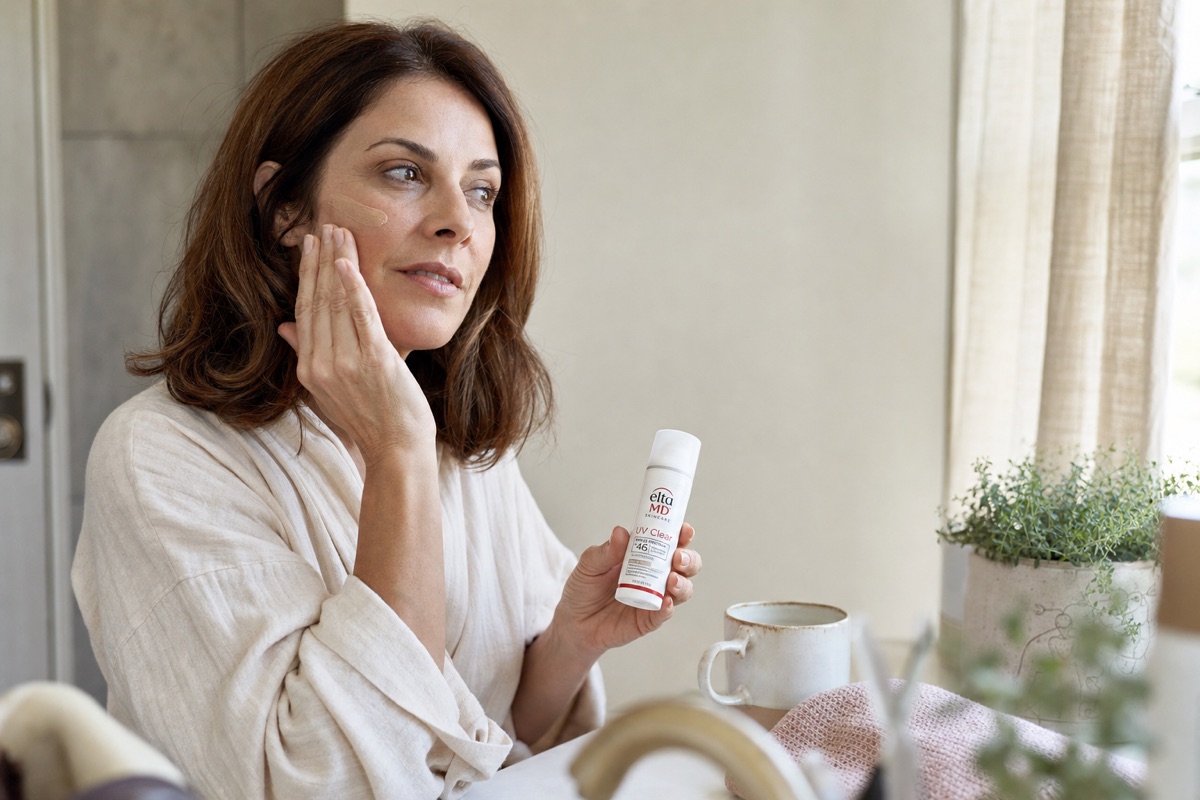
EltaMD
UV Clear Tinted Sunscreen SPF 46
$37.60
"Tinted broad-spectrum SPF 46 fits the AAD-style sunscreen-first approach for visible discoloration."

La Roche-Posay
Mela B3 Serum Dark Spot Corrector
$35.99
"Dark-spot serum with 10% niacinamide matches the protocol's morning antioxidant lane."

CeraVe
Vitamin C Serum 10% Pure Vitamin C
$23.86
"10% pure vitamin C plus ceramides supports the morning antioxidant step without skipping barrier care."

The Ordinary
Azelaic Acid Suspension 10%
$12.20
"10% azelaic acid fits the article's slow evening active lane for uneven tone and blemish-prone discoloration."

La Roche-Posay
Pure Retinol Face Serum with Niacinamide
$37.59
"A retinol-plus-niacinamide option for the twice-weekly turnover step once skin tolerance is established."
What you'll learn
- Sunscreen discipline is the non-negotiable base: the FDA advises broad-spectrum sunscreen and reapplication at least every 2 hours outdoors.
- For skin after 40, introduce pigment actives gradually; a calm barrier usually fades uneven tone more reliably than an aggressive peel schedule.
- Morning antioxidants and evening retinoids or exfoliants can support tone, but visible-light protection and consistency decide whether spots rebound.
- IPL may help discrete sun spots, but it belongs after a dermatology assessment, especially for melasma-prone or deeper skin tones.
Steps
-
1 Week 0: identify the pigment pattern before treating it
Start by separating freckles or solar lentigines from melasma-like patches and post-inflammatory marks. The AAD notes that dark spots can come from different triggers, and removing the trigger helps prevent new pigment. If a spot is changing, bleeding, unusually dark, asymmetric, or not like your other marks, book a dermatologist visit before starting brightening products.
-
2 Weeks 1-2: make sunscreen the treatment step
Use broad-spectrum sunscreen every morning, then reapply outdoors. FDA guidance says to apply sunscreen 15 minutes before sun exposure and reapply at least every 2 hours, or more often with sweating or swimming. For stubborn brown patches, the AAD specifically recommends tinted sunscreen with iron oxides plus SPF 30 or higher because visible light can worsen discoloration.
-
3 Weeks 1-2: add a morning antioxidant only if your barrier is calm
A vitamin C serum, niacinamide serum, or antioxidant moisturizer can sit under sunscreen in the morning. PubMed-indexed reviews in 2023 and 2025 support vitamin C and antioxidant approaches for melasma or photoaging, but the practical rule is tolerance first: if your skin stings, flakes, or feels tight, pause the active and keep the sunscreen-moisturizer routine until calm.
-
4 Weeks 3-4: introduce evening turnover support twice weekly
Choose one lane: a gentle glycolic or lactic acid exfoliant, azelaic acid, or a low-strength retinoid. Do not stack all three in the same night. The AAD lists azelaic acid, glycolic acid, retinoids, kojic acid, and vitamin C as ingredients that can fade existing spots or slow melanin production. After 40, barrier recovery is often slower, so two nights weekly is enough to start.
-
5 Weeks 5-6: increase only the step your skin tolerates
If there is no persistent burning, peeling, or new darkening, move the evening active to three nights weekly. Keep non-active nights simple: cleanser, moisturizer, and optional petrolatum on dry corners. If irritation appears, step back for 5 to 7 days; inflammation can create more post-inflammatory hyperpigmentation, which defeats the point of the protocol.
-
6 Weeks 7-8: audit results with photos and decide whether to escalate
Take same-location photos in indirect daylight at the start, week 4, and week 8. Look for slower contrast, softer borders, or fewer new spots rather than total erasure. If marks are discrete sun spots and sunscreen habits are strong, discuss IPL, laser, or prescription options with a board-certified dermatologist. A 2025 PubMed-indexed review on solar lentigines supports procedure discussion, but device choice depends heavily on skin tone and diagnosis.
-
7 Maintenance: keep pigment from returning
After week 8, keep daily SPF and one tolerated pigment active. Many people can maintain with antioxidant mornings and retinoid or azelaic acid evenings 2 to 4 nights weekly. If pigment rebounds after a sunny weekend, treat that as a sunscreen-system problem first: quantity, reapplication, hat use, and tinted iron-oxide coverage matter more than adding another serum.
Why dark spots often become more stubborn after 40
After 40, hyperpigmentation is usually a mix of past UV exposure, slower visible recovery, hormonal history, and inflammation from breakouts, procedures, or overuse of actives. The protocol below is built around a conservative sequence: protect first, brighten second, exfoliate slowly, then decide whether a procedure makes sense.
BeautySift did not test this protocol on a panel. We analyzed public AAD and FDA guidance plus PubMed-indexed reviews from 2022-2026 to build an evidence-weighted, US-focused routine.
Affiliate disclosure: we may earn a commission on shopping links elsewhere on BeautySift. This guide focuses on protocol decisions rather than ranking products.
The 8-week protocol at a glance
Week 0: identify whether the mark looks like a discrete sun spot, a melasma-like patch, or post-inflammatory discoloration.
Weeks 1-2: lock in morning sunscreen. For pigment-prone skin, prioritize tinted SPF 30 or higher with iron oxides when the finish works for your skin tone.
Weeks 1-2: add a morning antioxidant if your skin barrier is calm.
Weeks 3-4: add one evening turnover active twice weekly: azelaic acid, a gentle alpha hydroxy acid, or a retinoid.
Weeks 5-6: increase only if there is no persistent irritation.
Weeks 7-8: compare photos and decide whether to stay topical, discuss prescriptions, or ask about IPL.
Morning protocol: antioxidant plus disciplined photoprotection
A morning routine should be boring enough that you repeat it daily:
- Gentle cleanse or rinse.
- Antioxidant serum or moisturizer if tolerated.
- Moisturizer if needed.
- Broad-spectrum sunscreen.
- Hat or shade strategy when outdoors.
The sunscreen step is not cosmetic decoration here; it is the treatment anchor. FDA guidance says to apply sunscreen 15 minutes before sun exposure and reapply at least every 2 hours outdoors. The AAD adds that tinted sunscreen with iron oxides can help protect against visible light, a relevant trigger for discoloration.
Evening protocol: one active lane at a time
Use a simple rotation instead of stacking harsh steps.
Example starter schedule:
Monday: retinoid or azelaic acid.
Tuesday: moisturizer only.
Wednesday: moisturizer only.
Thursday: gentle exfoliant or the same retinoid lane.
Friday through Sunday: moisturize, then reassess.
If your skin is already dry, reactive, or perimenopause-sensitive, choose azelaic acid or a low-frequency retinoid before strong acid peels. If your primary problem is rough texture plus dull, blotchy pigment, a gentle alpha hydroxy acid can be useful, but it should not be a nightly default at the beginning.
When IPL belongs in the conversation
IPL can be reasonable for well-defined sun spots after topical habits are stable, but it is not the first step for every type of brown patch. Melasma-prone pigment can rebound or worsen after heat-based procedures, and deeper skin tones need careful device selection. Ask a board-certified dermatologist about diagnosis, expected sessions, downtime, pigment risk, and whether a patch test is appropriate.
Use IPL as an escalation question, not a shortcut around sunscreen. If new pigment keeps appearing because sunscreen is under-applied or not reapplied, procedures may chase the same spots repeatedly.
Red flags that should pause the protocol
Stop the active step and seek professional advice if you see severe burning, swelling, blistering, sudden darkening, or a spot that changes shape, size, color, or texture. Cosmetic brightening routines should not delay medical evaluation of a suspicious lesion.