
How to Treat Hormonal Jawline Acne in Your 40s
An evidence-weighted 2026 guide to hormonal jawline acne in your 40s, covering BHA, adapalene, DTC spironolactone, and when to see a dermatologist.
We analyzed the 2024 AAD acne guideline, the 410-participant SAFA spironolactone trial, FDA adapalene labeling, and AAD hormonal-therapy guidance. For jawline acne in your 40s, start with a simple BHA or adapalene routine, add benzoyl peroxide only as tolerated, and discuss spironolactone or in-person dermatology care if painful cysts, scarring, pregnancy plans, or no improvement after 12 weeks apply.
Editor's top Amazon picks for this guide
Real Amazon products that match this protocol. Affiliate links — your purchases support BeautySift.
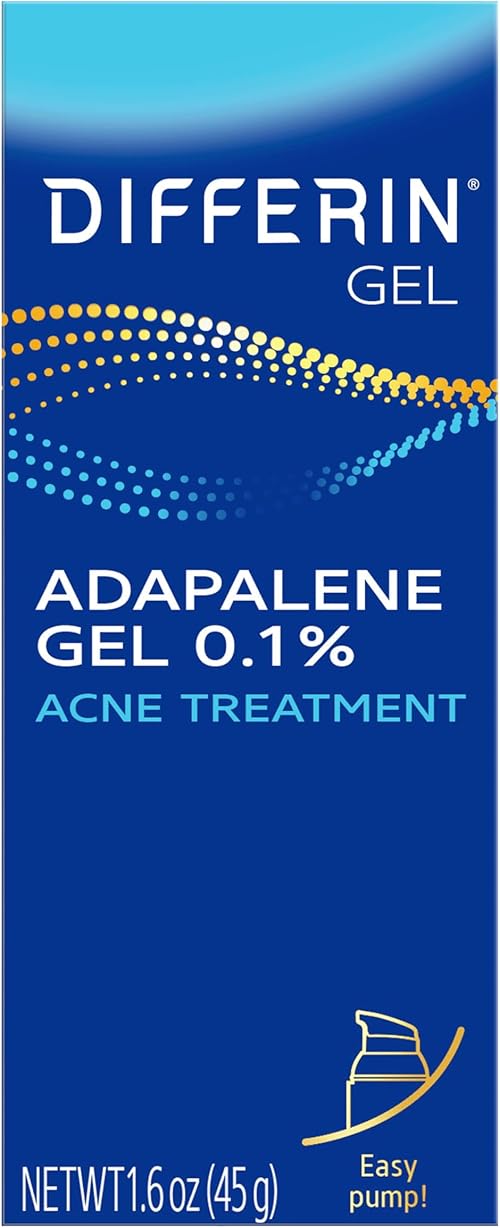
Differin
Differin Acne Treatment Gel
"Adapalene 0.1% fits the topical-retinoid prevention step for repeat inflammatory jawline breakouts."
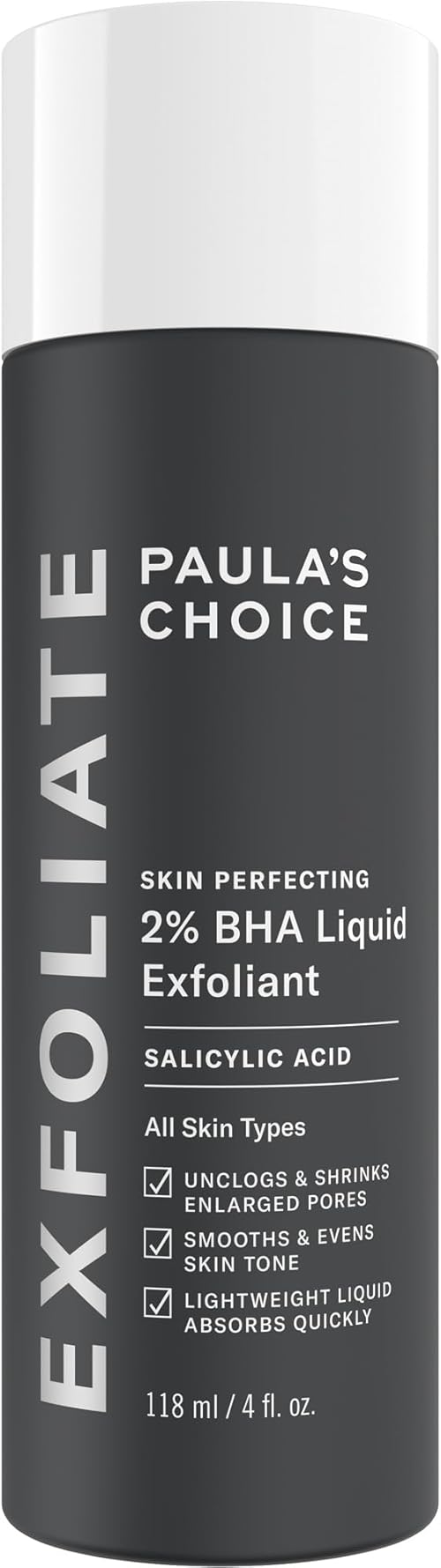
Paula's Choice
2% BHA Liquid Exfoliant
"A 2% salicylic acid leave-on fits the clogged-pore step when comedones matter more than cysts."

PanOxyl
Acne Foaming Wash 10% Benzoyl Peroxide
"Benzoyl peroxide supports the inflammatory-acne step when used carefully to avoid dryness and fabric bleaching."

Hero Cosmetics
Mighty Patch Original
"Hydrocolloid patches can reduce picking on surfaced whiteheads, though they do not treat deeper hormonal cysts."
What you'll learn
- Jawline acne in your 40s often needs a slower, barrier-aware routine because perimenopause can make skin drier while breakouts remain inflammatory.
- BHA can help clogged pores, but adapalene has stronger acne-guideline support as a topical retinoid; do not start both every night at once.
- DTC spironolactone can be appropriate for some adult women, but it is still a prescription medication that needs screening for contraindications and pregnancy plans.
- See a dermatologist promptly for painful nodules, scarring, pigment marks after every breakout, medication conflicts, or no clear improvement after 12 weeks.
Steps
-
1 Step 1: Confirm that the pattern fits hormonal acne
Look for recurring tender bumps along the jawline, chin, and lower cheeks, especially if flares cluster around periods, sleep disruption, stress, or perimenopause symptoms. This pattern does not prove a hormone problem by itself, but it changes the decision tree: calming inflammation, preventing clogged pores, and considering anti-androgen options can matter more than adding another harsh scrub.
-
2 Step 2: Simplify the base routine for 2 weeks
Before adding treatment, remove avoidable irritants. Use a gentle cleanser, non-comedogenic moisturizer, and daily broad-spectrum sunscreen. Avoid facial oils on the jawline, gritty scrubs, peel pads, and stacking multiple acids. If your skin is already stinging or peeling, active acne treatment is harder to tolerate and may leave more post-inflammatory discoloration.
-
3 Step 3: Choose BHA for clogged pores or adapalene for prevention
If the main issue is blackheads, closed comedones, and small clogged bumps, introduce a 2% salicylic acid leave-on 2 to 3 nights weekly. If the main issue is repeat inflammatory pimples, use adapalene 0.1% at night instead. The 2024 AAD guideline strongly recommends topical retinoids for acne, while salicylic acid receives a conditional recommendation. For sensitive skin, do not begin BHA and adapalene in the same week.
-
4 Step 4: Add benzoyl peroxide only where it earns a place
Benzoyl peroxide can help inflammatory acne and is strongly recommended in the 2024 AAD guideline, but it can bleach fabric and irritate dry perimenopausal skin. Start with a short-contact wash or spot-only use on inflamed areas, not a full-face layer over adapalene. If your jawline becomes raw, reduce frequency before deciding the ingredient failed.
-
5 Step 5: Give the topical plan a 12-week decision window
Acne routines need enough time to show prevention. Use the same plan for 8 to 12 weeks unless you develop severe irritation. Track three numbers weekly: tender cyst count, new whiteheads, and healing marks. If the cyst count is falling, stay consistent. If painful jawline nodules continue at the same rate, it is reasonable to discuss prescription options.
-
6 Step 6: Consider DTC spironolactone as medical care, not a beauty add-on
Teledermatology and DTC dermatology services may prescribe spironolactone after a health questionnaire or virtual visit. Treat that as real medical care: disclose pregnancy plans, breastfeeding, kidney disease, high potassium history, blood-pressure medication, ACE inhibitors, ARBs, potassium supplements, and any menstrual changes. In the BMJ SAFA trial, improvement was clearer at 24 weeks than 12 weeks, so it is not an overnight fix.
-
7 Step 7: Know when an in-person dermatologist is the safer route
Book dermatology care if acne is painful, nodular, scarring, rapidly worsening, leaving persistent dark marks, or affecting mood and sleep. Also go in person if you may need isotretinoin, have PCOS symptoms, are pregnant or trying to conceive, have medication interactions, or need lab monitoring. DTC care is convenient, but complex acne deserves a clinician who can examine the skin directly.
Bottom line
Hormonal-pattern jawline acne in your 40s usually needs two tracks: a topical prevention routine you can tolerate, and a clear threshold for prescription care. BHA may help clogged pores, adapalene is the stronger evidence-backed over-the-counter prevention option, benzoyl peroxide can help inflamed lesions, and spironolactone belongs in the medical-care lane.
BeautySift did not test this protocol on a panel. We analyzed the 2024 American Academy of Dermatology acne guideline, FDA adapalene label data, the BMJ SAFA spironolactone randomized trial, AAD hormonal-therapy guidance, and Amazon US product listings for representative products. We may earn a commission on shopping links; affiliate status does not affect the evidence weighting.
Why jawline acne changes in your 40s
Acne in the jawline and chin area can flare even when the rest of your skin feels drier than it did in your 20s. That mismatch is common in midlife routines: the breakout pattern encourages stronger actives, while the barrier may tolerate less. The result is a cycle of cysts, peeling, more inflammation, and longer-lasting marks.
The practical goal is not to dry out every oil gland. It is to prevent new clogged pores, calm inflammatory lesions, protect the skin barrier, and identify when a hormonal prescription discussion is more rational than adding another exfoliant.
BHA versus adapalene: how to choose
Choose a salicylic acid BHA first when your main issue is congestion: tiny bumps, blackheads, closed comedones, and makeup or sunscreen that seems to clog the jawline. Start 2 to 3 nights weekly, then pause if the skin becomes tight or shiny.
Choose adapalene first when your main issue is repeat inflammatory acne: the same tender chin or jawline bumps coming back every cycle. FDA drug-label data identifies adapalene as an acne treatment, and the 2024 AAD guideline strongly recommends topical retinoids for acne. Use a pea-sized amount for the whole acne-prone area at night, not a thick spot treatment.
Do not start BHA, adapalene, benzoyl peroxide, and a scrub in the same week. If irritation triggers more discoloration, the routine is working against the goal.
Where benzoyl peroxide fits
Benzoyl peroxide is useful when pimples are inflamed, but it is also one of the easiest acne ingredients to overdo. A short-contact wash can be more tolerable than leaving a strong benzoyl peroxide layer under moisturizer, especially around the mouth and jaw.
Use white towels and pillowcases because benzoyl peroxide can bleach fabric. If you are using adapalene at night, try benzoyl peroxide in the morning or as a wash on alternate days instead of layering both aggressively at bedtime.
What to know about DTC spironolactone
Spironolactone is an oral prescription medication used by dermatologists for some women with acne. The SAFA randomized trial enrolled 410 adult women and found stronger self-reported improvement at week 24 than week 12, with 82% reporting improvement on spironolactone versus 63% on placebo at week 24.
That evidence supports patience and medical screening. DTC dermatology can be convenient, but the prescription still needs a full health history. Tell the clinician about pregnancy plans, breastfeeding, kidney disease, high potassium history, blood pressure medications, ACE inhibitors, ARBs, potassium supplements, fainting, dizziness, and menstrual changes.
If a DTC form does not ask enough medical questions, choose a different provider or see an in-person dermatologist.
A practical 12-week starter routine
Weeks 1 and 2: stabilize the base. Gentle cleanser, moisturizer, sunscreen, and no scrubs. If the jawline is irritated, stop exfoliating before starting adapalene.
Weeks 3 and 4: introduce one acne active. Use either BHA 2 to 3 nights weekly or adapalene 2 to 3 nights weekly. Moisturize before or after adapalene if dryness is a problem.
Weeks 5 through 8: increase only if calm. Move adapalene toward every other night, or keep BHA at the lowest frequency that controls congestion. Add benzoyl peroxide as a short-contact wash only if inflamed lesions persist.
Weeks 9 through 12: decide with data. Count new tender bumps and healing marks. If the number and depth are clearly improving, keep going. If cysts continue or scarring is starting, book dermatology care rather than escalating irritation.
When to see a dermatologist
See a dermatologist sooner if acne is painful, nodular, scarring, spreading quickly, or causing dark marks after nearly every breakout. Also seek care if acne begins suddenly in midlife, comes with irregular periods or new facial hair, or affects sleep, social life, or mood.
In-person care is especially important if you may need isotretinoin, have pregnancy plans, have a history of kidney disease or electrolyte problems, or take medications that could interact with spironolactone. DTC care is not wrong, but complex acne is easier to manage when a clinician can examine your skin and coordinate labs or medication changes if needed.
Related BeautySift reading
Guide: How to layer vitamin C, niacinamide, and retinol -> /guides/how-to-layer-vitamin-c-niacinamide-retinol-2026/
Guide: Barrier repair routine for perimenopause dryness -> /guides/barrier-repair-routine-perimenopause-dryness-2026/
Guide: How to fade dark spots after 40 -> /guides/how-to-fade-dark-spots-after-40-protocol-2026/