Repairing Sun Damage After 40: Antioxidants, Exfoliants, IPL, and Realistic 2026 Timelines
An evidence-weighted guide to improving visible sun damage after 40, including sunscreen, antioxidants, exfoliants, retinoids, IPL timing, and what changes to expect.
Based on 7 sources including AAD guidance, FDA sunscreen guidance, and 5 PubMed-indexed reviews from 2022-2026, repairing visible sun damage after 40 usually means daily broad-spectrum SPF, morning antioxidants, slow evening turnover support, and IPL only for the right pigment pattern after a dermatology consult.
Editor's top Amazon picks for this guide
Real Amazon products that match this protocol. Affiliate links — your purchases support BeautySift.

EltaMD
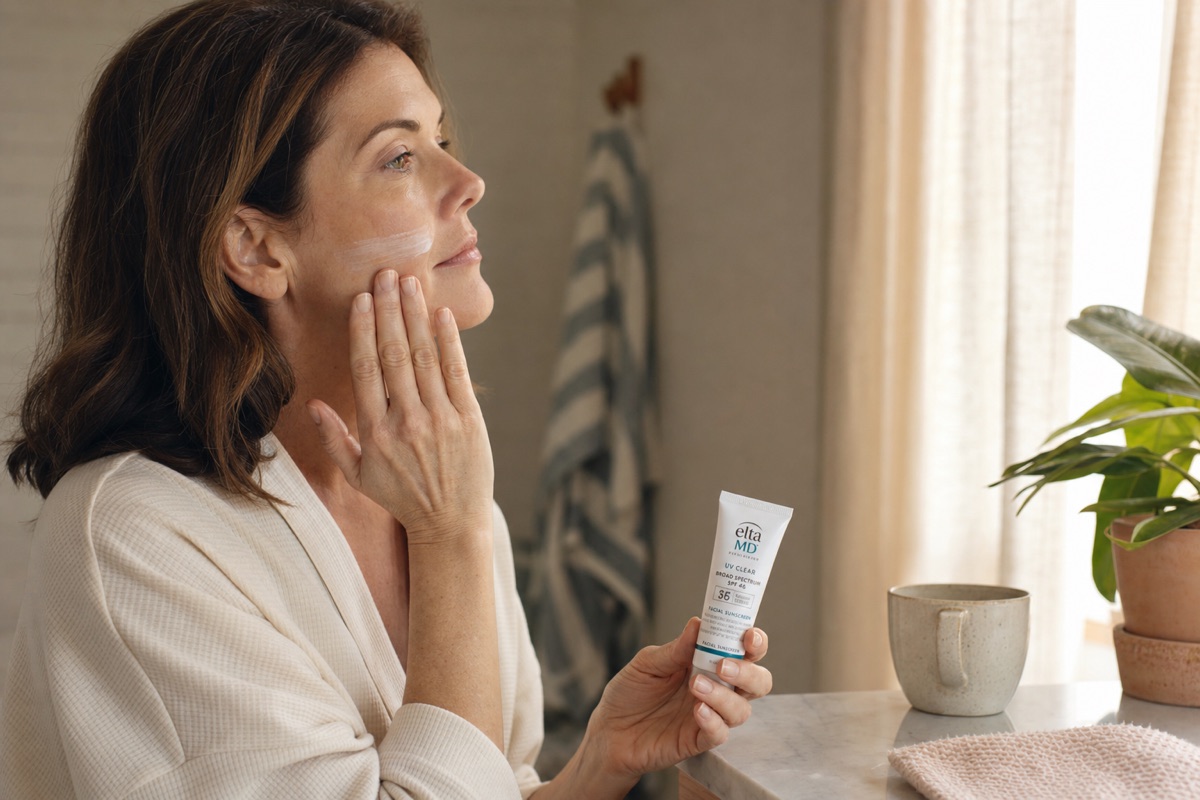
UV Clear Tinted Sunscreen SPF 46
$37.60
"Tinted broad-spectrum SPF 46 fits the sunscreen-first approach for visible discoloration and daily prevention."

CeraVe
Vitamin C Serum 10% Pure Vitamin C
$23.86
"10% pure vitamin C plus ceramides supports the morning antioxidant step without ignoring barrier care."

La Roche-Posay
Mela B3 Serum Dark Spot Corrector
$35.99
"Dark-spot serum with 10% niacinamide aligns with the guide's antioxidant and tone-support lane."

The Ordinary
Azelaic Acid Suspension 10%
$12.20
"10% azelaic acid offers a budget evening active option for uneven tone when introduced slowly."

La Roche-Posay
Pure Retinol Face Serum with Niacinamide
$37.59
"Retinol plus niacinamide fits the twice-weekly turnover step once sunscreen habits and barrier tolerance are stable."
What you'll learn
- Sun damage after 40 usually improves in layers: fewer new spots first, softer contrast next, then texture changes over a longer timeline.
- Daily broad-spectrum sunscreen is the repair baseline because unprotected UV exposure can keep restarting pigment and collagen stress.
- Antioxidants, retinoids, azelaic acid, and gentle exfoliants can support visible improvement, but stacking them too quickly raises irritation risk.
- IPL can help some discrete sun spots, but melasma-like patches, deeper skin tones, and recent irritation need a dermatologist-led plan.
Steps
-
1 Weeks 0-2: stop new damage before adding stronger actives
Begin with broad-spectrum sunscreen every morning, reapplication outdoors, shade, sunglasses, and a hat for longer exposure. FDA guidance says sunscreen should be applied before sun exposure and reapplied at least every 2 hours. If pigment is stubborn or patchy, the AAD recommends considering tinted sunscreen with iron oxides because visible light can contribute to discoloration.
-
2 Weeks 1-4: add a morning antioxidant if your barrier is calm
Use one antioxidant lane under sunscreen, such as vitamin C, niacinamide, or a formula combining antioxidants with barrier support. A 2023 PubMed-indexed systematic review supports topical vitamin C for photoaging and melasma, but practical results depend on consistency and tolerance. If stinging or flaking persists, simplify before adding more active ingredients.
-
3 Weeks 3-8: introduce evening turnover support slowly
Choose either a retinoid, azelaic acid, or a gentle alpha hydroxy acid at first, not all three on the same night. The AAD lists retinoids, glycolic acid, azelaic acid, kojic acid, and vitamin C among ingredients used for dark spots. After 40, a twice-weekly start is usually more realistic than nightly exfoliation because irritation can worsen post-inflammatory discoloration.
-
4 Weeks 8-12: evaluate pigment, texture, and redness separately
Use consistent daylight photos at baseline, week 8, and week 12. Sun spots may look less contrasted before they disappear, rough texture may smooth gradually, and redness may need a different strategy than brown pigment. If a mark changes shape, color, size, or texture, pause cosmetic treatment and seek medical evaluation.
-
5 Month 3 and beyond: discuss IPL only if the pattern fits
IPL can be part of the conversation for well-defined solar lentigines after sunscreen habits are stable. A 2025 PubMed-indexed review on solar lentigines supports procedure discussion, but device choice depends on diagnosis, skin tone, melasma risk, and medication history. Ask a board-certified dermatologist about expected sessions, downtime, pigment rebound, and whether a test spot is appropriate.
What repairing sun damage after 40 really means
Sun damage is not one single problem. It can show up as brown spots, uneven tone, rough texture, dullness, fine lines, redness, or suspicious lesions that need medical evaluation. A cosmetic routine can support visible tone and texture, but it should not be framed as erasing medical sun damage or replacing a skin exam.
BeautySift did not test this protocol on a panel. We analyzed AAD and FDA public guidance plus PubMed-indexed reviews from 2022-2026 to build an evidence-weighted, US-focused guide.
Affiliate disclosure: we may earn a commission on shopping links elsewhere on BeautySift. Product inclusion does not change the evidence sequence: protect first, add actives slowly, then consider procedures only when appropriate.
The realistic timeline
Days 1-14: the goal is prevention, not visible repair. Sunscreen quantity, reapplication, and shade habits matter most.
Weeks 2-4: a tolerated antioxidant may make skin look less dull, but pigment changes are usually subtle.
Weeks 4-8: evening turnover support may begin to soften texture and uneven tone if irritation is controlled.
Weeks 8-12: compare photos before deciding whether the routine is working. Look for softer contrast and fewer new marks, not complete clearing.
Month 3 and beyond: if discrete sun spots remain and sunscreen behavior is consistent, ask a dermatologist about IPL, laser, prescription retinoids, hydroquinone cycles, or other supervised options.
Step 1: make sunscreen the repair baseline
The FDA advises applying sunscreen before sun exposure and reapplying at least every 2 hours outdoors. For sun damage after 40, this is not just prevention; it is what keeps pigment work from being undone. If the skin keeps receiving UV exposure, antioxidants and exfoliants are working against a repeated trigger.
For hyperpigmentation-prone skin, the AAD specifically points to tinted sunscreen with iron oxides because visible light can worsen some discoloration. That does not mean every person needs a heavy tint, but it does mean sunscreen finish, amount, and reapplication are part of the repair plan.
Step 2: use antioxidants in the morning
Antioxidants are best positioned as support under sunscreen, not as a substitute for sunscreen. Vitamin C has PubMed-indexed review support for photoaging and pigment concerns, while niacinamide and other antioxidant blends can be useful when pure ascorbic acid is too irritating.
A practical morning routine:
- Gentle cleanse or rinse.
- Antioxidant serum or antioxidant moisturizer.
- Moisturizer if needed.
- Broad-spectrum sunscreen.
- Reapply outdoors and use a hat for longer exposure.
If a vitamin C serum stings every morning or leaves skin tight, use it less often or choose a gentler antioxidant. Irritation can make discoloration more stubborn.
Step 3: choose one evening turnover lane
Retinoids have stronger photoaging evidence than most cosmetic actives, including a 2022 systematic review of randomized controlled trials on topical tretinoin for photoaging. Over-the-counter retinol can be a gentler entry point, but it still needs slow introduction.
Exfoliating acids can help rough, dull surface texture, but they are not better because they feel stronger. For skin after 40, a conservative starter schedule is often enough:
Monday: retinoid, azelaic acid, or gentle acid exfoliant.
Tuesday: moisturizer only.
Wednesday: moisturizer only.
Thursday: the same active lane or a second tolerated active night.
Friday through Sunday: moisturize and reassess.
Do not combine a strong acid, retinoid, and brightening serum in the same night at the beginning. The goal is controlled turnover, not peeling.
Step 4: decide whether IPL fits the pigment pattern
IPL can be useful for some well-defined solar lentigines, but it is not the right answer for every brown patch. Melasma-like pigment can rebound with heat or inflammation, and deeper skin tones need careful device selection and risk discussion.
Before booking IPL, ask:
- Is this spot a solar lentigo, melasma, post-inflammatory hyperpigmentation, or something that needs biopsy-level evaluation?
- How many sessions are typical for this pattern?
- What downtime and darkening risk should I expect?
- Is a test spot recommended for my skin tone?
- What sunscreen and topical plan should I follow before and after treatment?
If new spots keep appearing because sunscreen is under-applied, IPL may chase the same problem repeatedly.
When to pause actives and seek advice
Pause exfoliants, retinoids, and strong brightening products if you develop persistent burning, swelling, blistering, sudden darkening, or raw patches. Seek medical evaluation for a lesion that changes shape, size, color, or texture, or for a spot that looks unlike your others.
A repair routine should make the skin calmer and more consistent over time. If the routine is making your face sting every day, it is not a better routine because it is stronger.
Related BeautySift reading
Guide: How to fade dark spots after 40 -> /guides/how-to-fade-dark-spots-after-40-protocol-2026/
Guide: How to layer vitamin C, niacinamide, and retinol -> /guides/how-to-layer-vitamin-c-niacinamide-retinol-2026/
Guide: Barrier repair routine for perimenopause dryness -> /guides/barrier-repair-routine-perimenopause-dryness-2026/