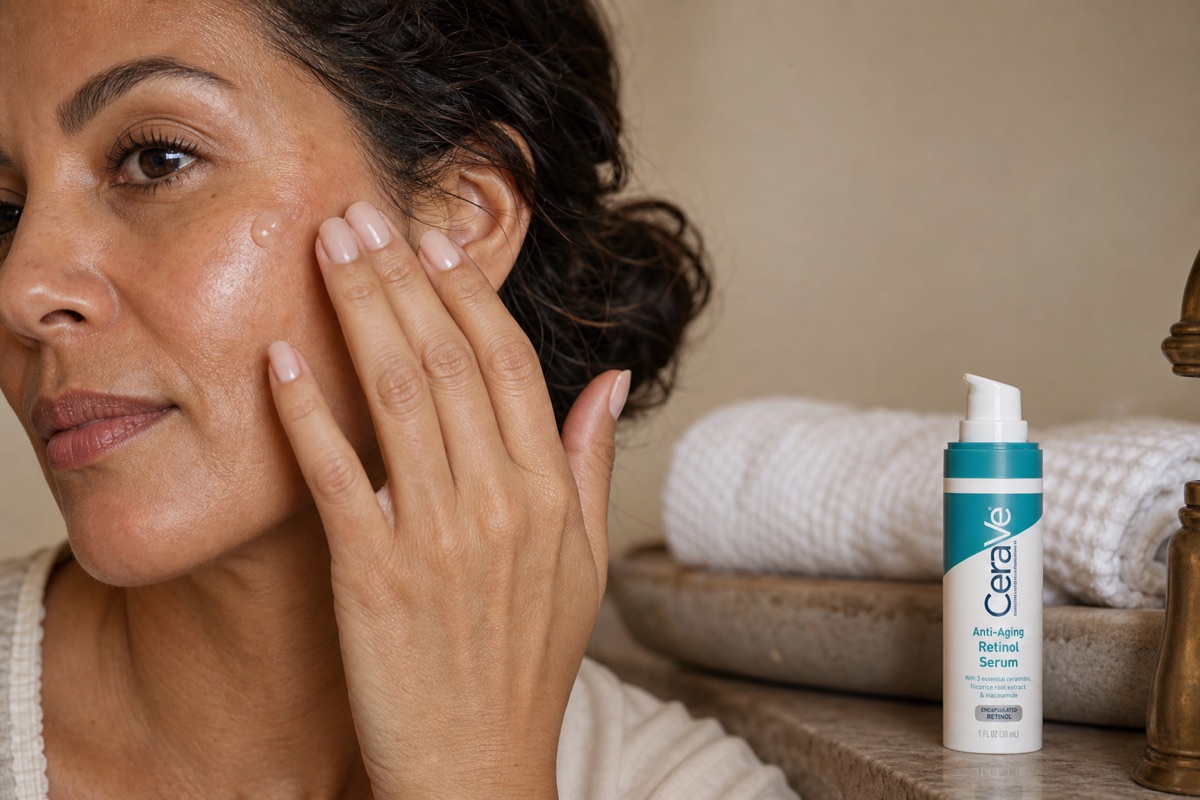
Skincare Budget vs Luxury: Where to Splurge and Where to Save in 2026
An evidence-weighted guide to saving on cleanser and moisturizer, splurging selectively on retinoids or proven brightening steps, and avoiding luxury-price traps.
We analyzed 9 source groups, including Amazon US review snapshots for CeraVe 27,800+ ratings, Paula's Choice 5,400+ ratings, and luxury creams from $169.48 to $700, plus PubMed retinol and niacinamide studies. In 2026, save on cleanser and barrier moisturizer; splurge only when the formula adds disclosed actives, stability, or better tolerance.
Editor's top Amazon picks for this guide
Real Amazon products that match this protocol. Affiliate links — your purchases support BeautySift.
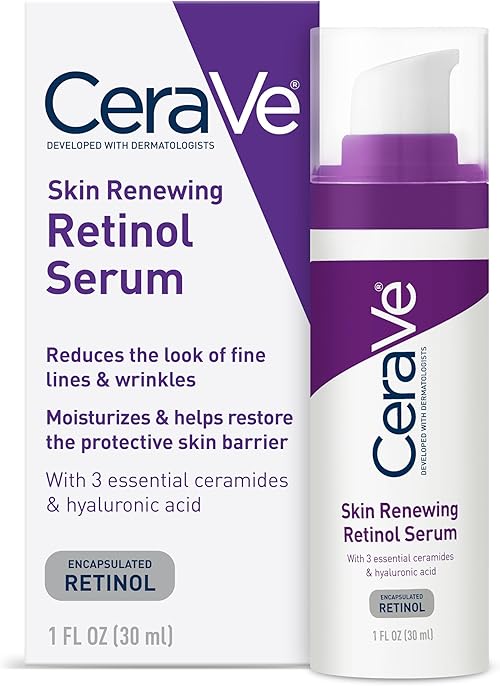
CeraVe
Anti Aging Retinol Serum
"Representative save-to-mid retinol: encapsulated retinol, niacinamide, ceramides, fragrance-free positioning, and 27,800+ visible Amazon ratings."
What real Amazon buyers say
4.6★· 27,828 reviews"I’ve been using the CeraVe Anti-Aging Retinol Serum and it’s been a great addition to my skincare routine. It’s gentle enough to use regularly but still effective."

The Ordinary
Retinal 0.2% Emulsion
$14.90
"Budget treatment example with disclosed 0.2% retinaldehyde and 2,500+ visible Amazon ratings in the May 2026 snapshot."
What real Amazon buyers say
4.6★· 2,591 reviews"I figured that The Ordinary has been a mainstay in my skincare for years now, so I may as well try it and if it doesnt work it's not like I wasted a ton of money."

Paula's Choice
Clinical 1% Retinol Face Treatment
$45.50
"Defensible mid-price splurge for experienced users because the listing discloses 1% retinol and had 5,400+ ratings."
What real Amazon buyers say
4.3★· 5,439 reviews"It is very smooth, a small/pea sized amount can cover my whole face (not under eyes), I've had no reactions or sensititivy to this."

Eucerin
Advanced Repair Lotion
$13.19
"Save-category body moisturizer with urea-enriched, unscented positioning and 51,100+ visible Amazon ratings in the May 2026 snapshot."

La Roche-Posay
Toleriane Double Repair Face Moisturizer
$23.99
"Lightweight save-to-mid moisturizer example with ceramide-3, niacinamide, glycerin, and fragrance-free positioning."

Augustinus Bader
The Rich Cream
$195
"Luxury comfort example: stronger case as a texture and dry-skin experience upgrade than as a replacement for sunscreen or retinoid evidence."
What you'll learn
- Save on gentle cleanser and basic barrier moisturizer when the formula is fragrance-free, comfortable, and easy to repurchase.
- Splurge selectively on retinoids, vitamin C, or pigmentation-focused serums only when the formula gives clearer active logic or better tolerance.
- Luxury cream pricing is hardest to justify when the benefit is mainly texture, fragrance, packaging, or brand story rather than disclosed active evidence.
- For fine lines and dullness, daily sunscreen and consistent retinoid use usually matter more than a single expensive moisturizer.
Steps
-
1 Step 1: Set the job for each product before comparing price
Divide the routine by job: cleanse, protect, repair the barrier, treat fine lines, and address dullness. Cleansers and basic moisturizers are rinse-off or support products, so they do not need prestige pricing to work well. Treatment steps deserve more scrutiny because retinol, retinaldehyde, niacinamide, and sunscreen have stronger evidence trails than many vague luxury anti-aging claims.
-
2 Step 2: Save on cleanser and non-active moisturizer
For most shoppers, the best save categories are cleanser and plain moisturizer. A cleanser should remove sunscreen and makeup without leaving skin tight; it does not stay on long enough to justify paying mainly for rare extracts. A moisturizer should reduce water loss and support comfort. Ceramide and fragrance-free positioning, as seen in CeraVe and La Roche-Posay sources, matters more than a heavy jar or luxury scent.
-
3 Step 3: Splurge only when a treatment has evidence or better usability
Splurge is most defensible for a leave-on treatment that solves a specific problem: fine lines, uneven tone, dullness, or poor tolerance. Retinoids have peer-reviewed support, including Kafi 2007 on 0.4% retinol over 24 weeks, so paying more can make sense if the product has a disclosed strength, stabilizing packaging, or barrier-support ingredients that help you use it consistently. Paying more without clearer active logic is not automatically better.
-
4 Step 4: Use rating scale plus active evidence, not price alone
BeautySift's product-comparison approach weights efficacy, formulation, tolerability, texture, value, accessibility, and evidence strength. In this topic, The Ordinary Retinal 0.2% Emulsion scored as a strong budget treatment because the captured Amazon listing showed 4.6/5 across 2,500+ ratings at $14.90. Paula's Choice Clinical 1% Retinol is a more defensible mid-price splurge for experienced users because the listing disclosed 1% retinol and had 5,400+ ratings.
-
5 Step 5: Treat luxury moisturizers as comfort upgrades, not proof upgrades
Luxury moisturizers can be enjoyable, especially for dry skin, but the evidence case is often weaker than the sensory case. Amazon snapshots cited here showed Augustinus Bader The Rich Cream at $195, La Mer Soft Cream at $334.94, and Sisley Sisleya L'Integral Anti-Age at $700. Those prices may buy a more elegant texture or brand experience, but they do not erase the need for sunscreen, retinoid tolerance, and consistent barrier care.
-
6 Step 6: Put sunscreen outside the splurge debate
Sunscreen is not optional if fine lines and dullness are the targets. The FDA guidance cited here emphasizes broad-spectrum sunscreen and reapplication at least every 2 hours outdoors. Spend enough to find a texture you will wear daily, then repurchase it reliably. A $20 sunscreen used every morning beats a $70 sunscreen saved for special occasions.
-
7 Step 7: Audit your routine every 8 to 12 weeks
Do not judge a treatment after a few days unless irritation forces a pause. Retinol evidence cited here used longer timelines, including 24 weeks in Kafi 2007, while niacinamide data cited here used 12 weeks. Every 8 to 12 weeks, ask whether the product improved use consistency, comfort, visible brightness, or fine-line routine adherence. If not, downgrade it to a save category or skip it.
Bottom line
The evidence-based budget rule is simple: save on products that mainly support the routine, and spend more only when a product improves an evidence-backed treatment step. For fine lines and dullness, that usually means cleanser and basic moisturizer stay practical, while retinoids, brightening serums, and sunscreen texture deserve more careful spending.
BeautySift did not test these products on a panel. We analyzed Amazon US listing snapshots, official brand positioning, PubMed studies, and FDA sunscreen guidance. We may earn a commission on links, but affiliate status does not affect the splurge-save framework.
Where to save
Save on cleanser. A cleanser is a short-contact product. It should remove sunscreen, sweat, and makeup without making skin feel squeaky or tight. If a luxury cleanser relies on fragrance, rare extracts, or a heavy story around glow, the practical benefit is usually harder to defend than a bland cleanser that protects your barrier.
Save on basic moisturizer. Barrier support is important, but the most useful moisturizer is the one your skin tolerates and you can use every day. Ceramides, glycerin, hyaluronic acid, and fragrance-free positioning are more relevant than a prestige jar if your skin is dry from retinoids, Midwest winter heat, or low-humidity Southwest air.
Save on single-purpose hydration. A hyaluronic acid or glycerin serum can help a routine feel more comfortable, but it should not crowd out sunscreen or a proven treatment. If a separate hydrator costs more than your treatment step, ask whether your moisturizer could do the same job.
Where to splurge selectively
Splurge selectively on retinoids. Retinol and retinaldehyde are among the better-supported cosmetic actives for fine lines, but consistency matters. If a pricier formula lets you use retinoid 2 to 4 nights weekly without peeling, that can be a better buy than a cheap serum you abandon after irritation.
Splurge selectively on vitamin C or discoloration serums. Dullness is not one problem. It can come from dryness, sun exposure, uneven pigment, irritation, or slow cell turnover. A treatment with clearer active logic is more defensible than a vague brightening cream, especially if it is paired with daily sunscreen.
Splurge selectively on sunscreen texture. Sunscreen is not glamorous, but it protects the whole routine. If a more expensive formula is the one you will apply generously and reapply outdoors, that is a practical splurge. If a luxury sunscreen pills, stings, or looks greasy, it is not a value product for you.
Where luxury is hardest to justify
Luxury moisturizer is hardest to justify when it promises broad anti-aging change without disclosed actives or stronger evidence. The luxury examples cited here ranged from $169.48 to $700 in Amazon snapshots. That can be a valid personal comfort purchase, but it should not replace sunscreen, retinoid tolerance, or a barrier routine.
Luxury eye creams also need scrutiny. Fine lines around the eyes often reflect dryness, sun exposure, and facial movement. A well-tolerated moisturizer and sunscreen may do more for daily comfort than an eye cream priced mostly around packaging.
Luxury masks are optional. They can make skin feel temporarily softer or more cushioned, but they rarely deserve the first dollars in a routine aimed at fine lines and dullness. Put the budget into daily habits first.
A practical 2026 spending framework
If your monthly skincare budget is under $75, prioritize cleanser, moisturizer, sunscreen, and one active. Choose the active based on your main concern: retinoid for fine lines, niacinamide or vitamin C logic for dullness, or barrier repair if everything stings.
If your monthly budget is $75 to $175, upgrade the treatment step before upgrading the moisturizer. A mid-price retinoid or brightening serum with better tolerability can be more useful than a prestige cream layered over an inconsistent routine.
If your monthly budget is above $175, luxury can be a comfort layer after the evidence-backed basics are stable. The strongest question is not whether you can afford the cream; it is whether the cream changes the outcome compared with using sunscreen daily and a retinoid consistently.
How to avoid buying the same promise twice
Do not buy a luxury moisturizer, brightening serum, retinoid cream, and exfoliating mask all for dullness at the same time. Pick one treatment path and give it 8 to 12 weeks unless irritation forces a pause. Too many active products can make skin duller by causing inflammation, peeling, and sunscreen avoidance.
If the product cannot explain its job in one sentence, wait. A defensible product should answer: What active or barrier role does it bring? How often will I use it? What source supports that category? What product will it replace?
Related BeautySift reading
Guide: How to layer vitamin C, niacinamide, and retinol -> /guides/how-to-layer-vitamin-c-niacinamide-retinol-2026/
Guide: Barrier repair routine for perimenopause dryness -> /guides/barrier-repair-routine-perimenopause-dryness-2026/
Comparison: Retinol vs LED light therapy for fine lines -> /comparisons/retinol-vs-led-light-therapy-fine-lines-2026/