
When to Add Centella Asiatica Products to Your Routine
A practical, evidence-led guide to when centella asiatica belongs in a sensitive-skin routine, plus three Amazon products that fit the protocol.
Add centella asiatica when your skin is red, tight, over-exfoliated, or starting retinoids: Amazon US snapshots show 64,546 ratings across 3 cica products, and PubMed's 2014 Centella asiatica dermatology review supports its barrier-calming role.
Editor's top Amazon picks for this guide
Real Amazon products that match this protocol. Affiliate links — your purchases support BeautySift.
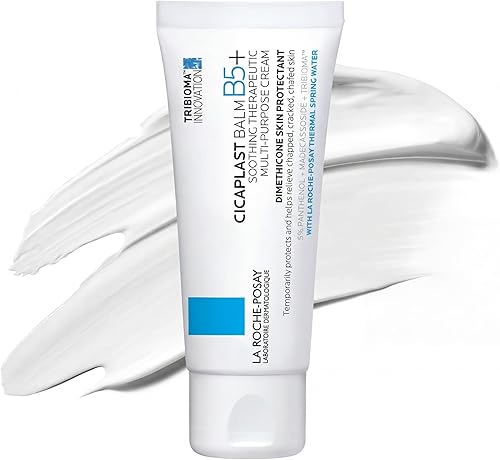
La Roche-Posay
Cicaplast Balm B5
$18.99
"Best rescue-layer choice for a tight or over-exfoliated barrier: Amazon shows 4.7/5 across 49,225 ratings, with madecassoside and panthenol positioning."
What real Amazon buyers say
4.7★· 49,225 reviews"I want calm, protection, and repair. This balm delivers exactly that."
"The texture is rich, soothing, and very protective without having a strong fragrance."
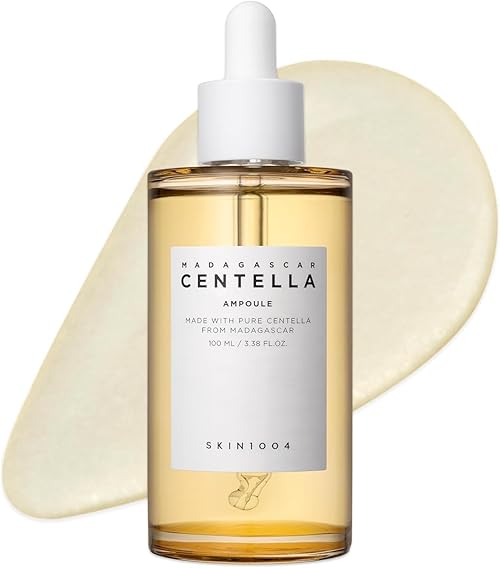
SKIN1004
Madagascar Centella Ampoule
$15.69
"Best lightweight first centella step: Amazon shows 4.7/5 across 12,592 ratings for a watery, minimalist ampoule."
What real Amazon buyers say
4.7★· 12,592 reviews"Consistency is super thin and lightweight. My skin does not exactly feel soft but looks really smooth."
"Was just patch testing and put this on some awful mosquito bites and it actually calmed them down (less red, less itchy)."

Dr.Jart+
Cicapair Tiger Grass Color Correcting Treatment SPF 30
$25
"Best morning redness-neutralizing option: Amazon shows 4.2/5 across 2,729 ratings, and Sephora US carries the Cicapair line."
What real Amazon buyers say
4.2★· 2,729 reviews"This is the product for people that don't want to wear a lot of junk, but want to look put together."
"Good sunscreen. I like using it coz it covers my blemishes."
What you'll learn
- Add centella when your skin feels hot, tight, red, or newly reactive, not because your routine needs another trendy step.
- Use a thin centella serum before moisturizer for daily calming; use a balm only when your barrier feels compromised.
- Centella can sit beside retinol, vitamin C, acids, and sunscreen, but it should not be used to justify over-exfoliating.
- Patch test for three nights if you are sensitive to botanicals, fragrance, or green-tinted color correctors.
Steps
-
1 Start centella after irritation shows up, not before every active
The best time to add centella asiatica is when your skin gives you a clear reason: redness, tightness after cleansing, stinging from products that used to be fine, or a retinoid routine that suddenly feels too ambitious. Keep the first product simple and use it once daily for a week before adding anything else.
-
2 Use a watery serum before moisturizer if your routine is already crowded
If your shelf already has vitamin C, retinol, sunscreen, and a reliable moisturizer, pick a thin centella ampoule or serum. Apply it after cleansing and before moisturizer, then watch for less flushing, less post-cleanse tightness, and fewer stingy moments over seven to fourteen days.
-
3 Use a balm at night when your barrier feels roughed up
A balm or cream makes more sense after windburn, over-exfoliation, a too-strong retinoid night, or Midwest winter dryness. Put it over moisturizer or in place of moisturizer on the irritated zones only; most mature skin does better with targeted cushioning than a heavy layer everywhere.
-
4 Use a green-tinted cica cream only when redness is the visible problem
A color-correcting cica product belongs in the morning, after moisturizer and before makeup, on diffuse redness around the nose, cheeks, or chin. It is not a substitute for a dedicated sunscreen application unless the amount used meets SPF-label directions, which most people do not apply with a tint.
Centella asiatica belongs in your routine when your skin starts acting like it has had enough. If your cheeks flush after cleansing, your retinol night leaves you tight until lunch, or your moisturizer suddenly stings, that is the centella moment.
It is not a magic eraser for every red mark, and it will not make an aggressive routine harmless. The useful role is much more practical: centella, often called cica or tiger grass, is a calming support step for skin that is reactive, dry, over-exfoliated, or adjusting to stronger actives.
For this guide, we reviewed Amazon US rating snapshots, PubMed dermatology reviews, official US brand pages, Sephora US availability, INCI references, and r/SkincareAddiction routine themes; we did not test products ourselves.
The short version: add centella when your skin is asking for a buffer, not when your cart is asking for entertainment. We may earn a commission from Amazon links, but product placement here is based on routine fit, evidence quality, and sensitive-skin practicality.
Centella is most useful when your barrier is complaining
The strongest case for centella is not general “glow.” It is the boring, real-life stuff: tightness, redness, sting, rough patches, and that papery feeling that shows up after too many active nights.
PubMed’s 2014 Centella asiatica dermatology review describes the plant’s cosmetic and dermatologic relevance around skin repair and soothing, and a 2021 PubMed review summarized possible mechanisms behind its skin-calming role. That does not mean every cica cream is clinically proven. It means the ingredient family has a better rationale than a random botanical tossed into a pretty jar.
For women in their 40s and 50s, this timing matters. Perimenopause and menopause can make skin feel drier, thinner-looking, and less forgiving, so the routine that worked five years ago may suddenly feel too sharp. Centella is a smart pause button when your barrier feels irritated but you still want to keep a grown-up routine.
Use it when one of these is true:
- Your skin feels tight within ten minutes of washing.
- Vitamin C or sunscreen stings on contact.
- Retinol leaves red, flaky zones around the mouth or nose.
- Your cheeks look flushed even when you are not hot.
- A cold, dry week makes your moisturizer feel underpowered.
Do not add it just because a serum is viral. If your skin is calm, comfortable, and predictable, you may not need another step.
Start with the lightest centella product that solves the problem
The biggest routine mistake is going straight for the thickest balm. A balm can be exactly right after a barrier meltdown, but it can also pill under sunscreen, break up makeup, or feel greasy across a mature T-zone.
Start by matching texture to the problem. A watery centella ampoule is best for everyday sensitivity. A cream is better for dry, rough patches. A green-tinted cica product is best when the issue is visible redness and you want a softer look before makeup.
Best first serum: SKIN1004 Madagascar Centella Ampoule
If your skin is reactive but not cracked, peeling, or painfully dry, SKIN1004 Madagascar Centella Ampoule is the cleanest place to start. It is thin enough to disappear under moisturizer and sunscreen, which matters if you already have a morning routine that cannot tolerate another sticky layer.
Amazon US shows 4.7 out of 5 across 12,592 ratings for this ampoule, and one Amazon reviewer wrote, “Consistency is super thin and lightweight. My skin does not exactly feel soft but looks really smooth.” The tradeoff is that a watery ampoule will not feel like a cozy cream; if your face is chapped, you will still need moisturizer over it.
Verdict: grab the $15.69 ampoule if you want a low-risk first centella step before changing the rest of your routine.
Get the lightweight centella ampoule on Amazon
Use it after cleansing and before moisturizer once a day for the first week. If your skin feels calmer, move to morning and night only if you need it.
A balm belongs after over-exfoliation, retinol irritation, or winter dryness
A richer cica balm is not a daily requirement for everyone. It shines when your barrier feels roughed up: after an acid toner mistake, a too-frequent retinol week, a windy walk, or the first serious cold snap.
La Roche-Posay Cicaplast Balm B5 is the better rescue texture for that moment. Amazon US shows 4.7 out of 5 across 49,225 ratings, and the official La Roche-Posay US product page positions the formula around madecassoside, panthenol, and barrier care. That is exactly the lane you want when your normal moisturizer is not enough.
The catch is texture. This is a balm, not a weightless gel, so oily or breakout-prone areas may prefer spot use on cheeks, around the mouth, or anywhere that feels sandpapery.
Verdict: get the $18.99 balm if your skin feels tight, flaky, and irritated, especially at night.
Get the barrier-reset balm on Amazon
Use it as your last evening step for three to five nights, then reassess. If your skin is comfortable again, go back to your regular moisturizer and save the balm for flare-ups.
Use centella to buffer actives, not to excuse overdoing them
Centella pairs well with the ingredients that tend to make grown-up routines complicated: retinol, vitamin C, exfoliating acids, and daily sunscreen. The trick is not stacking everything at once.
If retinol is the issue, use centella on the same night as a buffer. Cleanse, let skin dry, apply retinol, then layer a centella cream or balm over moisturizer if your face is prone to tightness. If you are very sensitive, use the sandwich method: moisturizer, retinol, moisturizer or cica balm.
If acids are the issue, do not use centella as permission to exfoliate more. Use the acid less often, then use centella on recovery nights. A 2021 PubMed review can support centella’s skin-calming rationale, but it does not cancel out irritation from too much glycolic, lactic, or salicylic acid.
If vitamin C stings, try centella at night first instead of piling it directly over a low-pH morning serum. Once your skin feels steady, you can use a thin centella layer after vitamin C and before moisturizer, but keep the routine simple enough that you know what is helping.
The best sign that centella is working is not a dramatic overnight change. It is quieter skin: less sting after cleansing, fewer hot patches, and makeup sitting more evenly because your face is not fighting every layer.
Green-tinted cica is a morning tool, not your whole SPF plan
Some centella products do more than calm. Dr.Jart+ Cicapair Tiger Grass Color Correcting Treatment SPF 30 uses a green tint to visually mute redness, which is useful if your cheeks or nose go pink before you have even reached for foundation.
Amazon US shows 4.2 out of 5 across 2,729 ratings, and Sephora US carries the Cicapair line, which gives the product broader US retail visibility than many K-beauty imports. One Amazon reviewer wrote, “This is the product for people that don’t want to wear a lot of junk, but want to look put together.”
The honest catch: green tints can pull ashy, beige, or too warm depending on your skin tone, and most people do not apply enough tinted cream to rely on it as their only sunscreen. Treat the SPF 30 as helpful, not as your entire sun-protection plan unless you apply the labeled amount.
Verdict: get the $25 Cicapair tint if your main issue is visible redness before makeup, not deep dryness.
Get the redness-neutralizing cica tint on Amazon
Use it in the morning after moisturizer. If you need dependable UV protection, apply a separate sunscreen first or use the amount required for the SPF label, then check the finish in natural light.
The cleanest centella routine is boring on purpose
If your skin is sensitive, boring is not a failure. It is the strategy.
A simple morning routine can be cleanser or water rinse, thin centella serum, moisturizer if needed, sunscreen, and makeup. A simple evening routine can be cleanser, retinol or no active depending on the night, moisturizer, then a cica balm only on irritated zones.
Do not introduce centella on the same day as a new retinol, acid toner, vitamin C, cleanser, and foundation. If your skin reacts, you will have no idea which product caused it. Patch test near the jaw or behind the ear for three nights if you have a history of botanical sensitivity.
Here is the practical timing:
- Use a centella serum daily if your skin is mildly reactive.
- Use a cica balm for short rescue stretches after irritation.
- Use a green-tinted cica cream in the morning when redness is visible.
- Stop and simplify if burning, itching, bumps, or swelling appear.
This is also where product comparison gets less glamorous and more useful. Across our featured picks, La Roche-Posay wins for high-volume rescue use with Amazon’s 49,225-rating snapshot, SKIN1004 wins for low-weight daily layering with Amazon’s 12,592-rating snapshot, and Dr.Jart+ wins for visible redness camouflage with Amazon’s 2,729-rating snapshot plus Sephora US presence.
Do not use centella as a substitute for medical care
Centella is skin care, not a diagnosis. If redness is persistent, painful, one-sided, scaly, swollen, or spreading, treat that as a reason to call a dermatologist rather than a reason to buy another cream.
The FDA regulates cosmetics differently from drugs, so a calming cosmetic cannot claim to treat rosacea, eczema, infection, or dermatitis. That does not make centella useless. It just keeps expectations honest.
For everyday reactive skin, centella can be a very good supporting character. It is the step you add when your routine is almost working but your skin needs a softer landing.
If you remember one rule, make it this: serum for daily calm, balm for barrier rescue, tint for visible redness. Anything more complicated is probably your skin asking for fewer products, not more.