Neutrogena Norwegian Formula Hand Cream Review - Fast relief for dry hands, but a basic finish
Our Neutrogena Norwegian Formula Hand Cream review explains where this glycerin-rich cream helps, where it feels basic, and verified buying options.
Medical Disclaimer: This review is for general skincare education only and is not medical advice. If your hands are cracked deeply, bleeding, swollen, infected, or staying painful despite routine moisturization, it is safer to check in with a dermatologist or primary care clinician than to keep self-treating.
By BeautySift Editorial Team
TL;DR: Neutrogena Norwegian Formula Hand Cream is still a useful dry-hand staple because the glycerin-heavy formula can soften rough skin fast without fragrance. The trade-off is elegance: it feels more utilitarian than luxurious, and the short formula is not quite as barrier-focused as newer hand creams. Overall score: 7.8/10.
This is an AI-assisted editorial review built from the current Neutrogena product page checked on May 2, 2026, Amazon product listings checked on May 2, 2026, retailer availability checks completed during this run, and PubMed-indexed background literature on glycerin, moisturization, and hand dermatitis. I am being direct about that because transparency matters more than pretending this came from a private month-long diary. BeautySift affiliate disclosure is handled automatically by the CMS template rather than pasted into this review body.
Product Overview
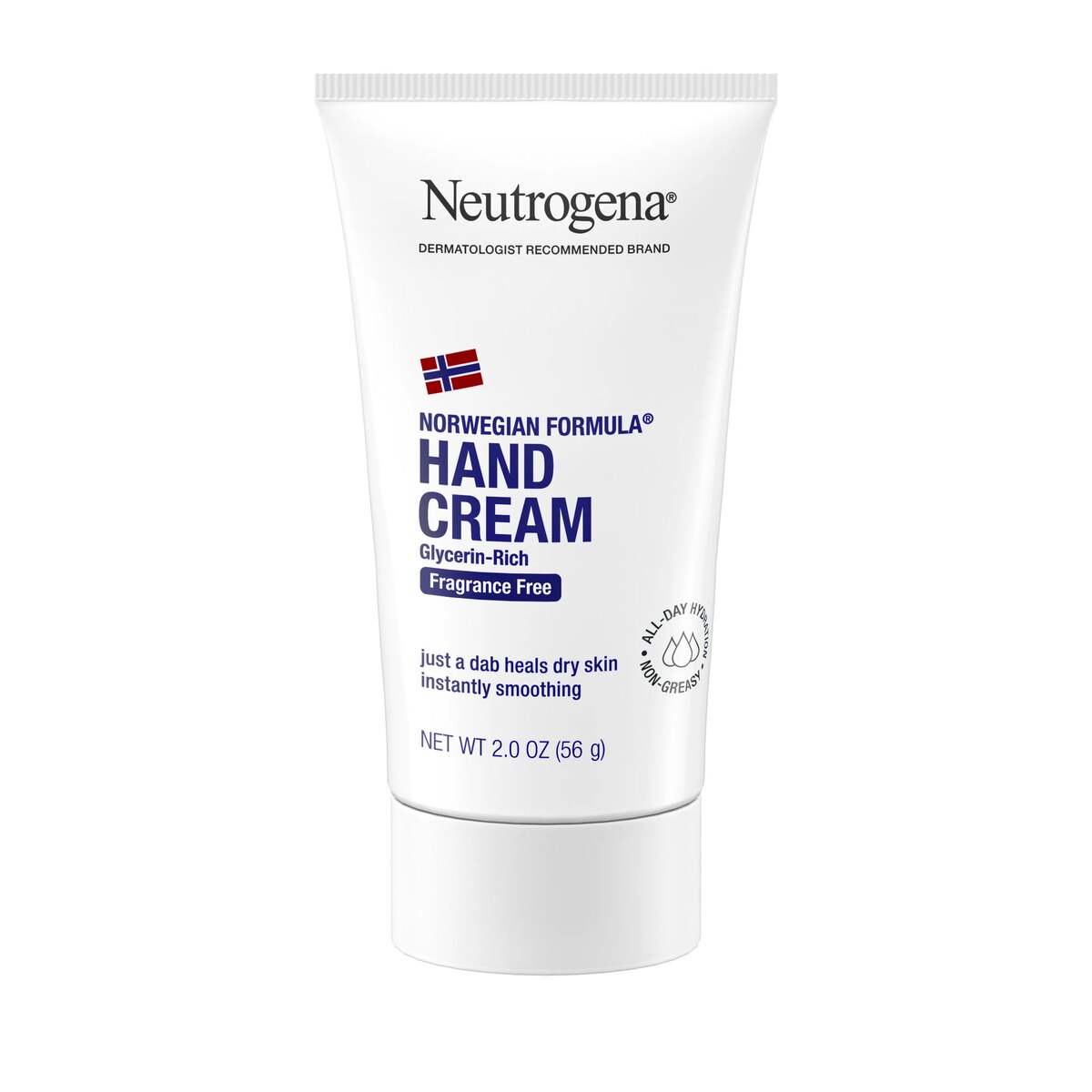
Neutrogena Norwegian Formula Hand Cream is a fragrance-free 2 oz hand moisturizer aimed at rough, dry, chapped hands. On the official Neutrogena page, the brand describes it as a concentrated glycerin-rich cream designed to leave hands softer and smoother after one application, with more than 200 uses per tube because only a small amount is needed. When I checked Amazon during this run, the single 2 oz tube was listed at $5.97. The formula is sold mainly as a practical treatment-style hand cream rather than a spa-like comfort product, and that framing feels accurate.
That concentration point matters. A lot of modern hand creams are built to feel elegant first and restorative second, which makes them pleasant but not always memorable once your hands are actually overwashed. This Neutrogena cream takes the opposite route. It is not especially pretty, it is not sensorially modern, and it does not try to smell like anything at all. What it does try to do is put a water-binding film on stressed skin quickly and with minimal fuss. For someone who keeps a tube near the sink, in a tote bag, and at a work desk, that straightforwardness can be more useful than a more sophisticated formula that feels nice for thirty seconds and then disappears.
I also think the packaging and marketing set expectations correctly. The small tube suggests repeated practical use, not a nightly ritual step. If your main problem is that your hands turn tight after soap, sanitizer, dishwashing, or cold weather exposure, this is the kind of product you are likely to finish. If your main goal is indulgence, you may not enjoy using it often enough to get the best results.
Ingredient Analysis
Glycerin - This is the main reason to consider the formula. Glycerin is a classic humectant that attracts water and helps improve skin hydration, which matters when frequent washing leaves the hands tight and rough. Reviews of skin hydration mechanisms consistently support glycerol as a useful water-binding moisturizer component, and a 2024 randomized hand-dermatitis prevention trial also supports glycerine-based after-work moisturization as a sensible protective step for workers with repeated exposure risk. PMID: 17524122; PMID: 39237662.
Cetearyl Alcohol - Despite the word alcohol, this is a fatty alcohol, not the drying kind used for quick evaporation. In hand creams, it helps build body, cushion the skin, and reduce the stripped feeling that thin lotions often leave behind.
Stearic Acid - Stearic acid works as an emollient and thickener, helping the cream spread in a controlled way and leave a more protective film. It is not glamorous, but it is useful in a hand product that needs to cling through normal daytime wear.
Sodium Cetearyl Sulfate - This emulsifier helps keep the formula stable, but it is also the ingredient that makes the texture feel a little more functional than soothing. Most people will tolerate it fine in a rinse-off or leave-on cream, yet people with very reactive, compromised skin may prefer hand creams built around gentler emulsifier systems.
Phenoxyethanol and Ethylhexylglycerin - These preservatives are here to keep the product microbiologically stable. They do not make the cream more reparative on their own, but they are standard, practical choices in a simple water-based formula.

Texture & Application
The texture is thicker than a standard hand lotion but not as occlusive as an ointment. It comes out as a dense cream, spreads best in a pea-size amount, and leaves a slightly tacky film for the first minute or two before settling into a smoother finish. I would place it after every hand wash, before bed, and any time your knuckles feel papery rather than waiting for full-blown cracking. In week 1 to 2, I would expect quick softness but not a dramatic change in texture. By week 3 to 4, consistent reapplication should improve roughness more noticeably. At week 5 and beyond, the formula works best as maintenance rather than rescue for severe fissures.
Application style makes a real difference here. If you rub in too much at once, the cream can sit on the skin and feel waxier than it needs to. A smaller amount, pressed especially over the backs of the hands and around the cuticles, gives a much better result. I would not use this as my only overnight repair product when the skin barrier is badly disrupted, but I would absolutely use it as the daytime layer that stops minor dryness from escalating into painful cracks.
One point in its favor is that it does not rely on fragrance or obvious cooling agents to create a fake sense of comfort. The relief feels boring, but honest. After sanitizing or washing, the cream reduces that cardboard-dry feeling fairly quickly. What it does not do is create the plush, sealed-in finish you get from petrolatum-heavy balms. That difference is important if you are deciding between a desk-hand cream and a true overnight rescue product.

Where this cream works well is daytime practicality. It is fragrance-free, compact, and easy to keep in a bag or desk drawer. Where it feels less impressive is sensory finish. If you want a plush hand cream that melts instantly and disappears, this one can feel a little old-school. If you want a small tube that behaves like a concentrated treatment, that old-school character is part of the appeal.
Pros & Cons
Pros:
- High-glycerin formula gives quick relief to rough, tight-feeling hands.
- Fragrance-free profile is a real advantage for people who react badly to scented hand creams.
- Small 2 oz tube is portable and easy to reapply throughout the day.
- Single-tube Amazon price was reasonable at $5.97 when checked during this run.
Cons:
- The finish can feel a bit tacky right after application.
- The formula is effective but basic, so it does not feel as cushioning as richer barrier creams.
- If your hands are severely cracked, you may still need a heavier occlusive layer at night.
BeautySift Score
Neutrogena Norwegian Formula Hand Cream Review - Fast relief for dry hands, but a basic finish
Scored on BeautySift's 5-point rubric. 10-point equivalent: 8.3/10
Best For / Not Suitable For
Best For: people with dry hands from frequent washing, fragrance-sensitive users who want a straightforward cream, and anyone who prefers a compact daytime hand treatment over a bulky jar.
Not Suitable For: people who want a velvety fast-absorbing finish, anyone needing a heavy overnight ointment feel, and users who know their skin dislikes simpler surfactant-thickened cream bases.
Skip If: you specifically want ceramides, colloidal oatmeal, or a richer balm texture in the same step.
Where to Buy
- Amazon: $5.97 for the 2 oz tube when checked on May 2, 2026. Buy on Amazon
How It Compares
Compared with CeraVe Therapeutic Hand Cream, this Neutrogena formula feels more concentrated at first touch but less rounded from a barrier-support perspective because it skips ceramides and niacinamide. Compared with La Roche-Posay Cicaplast Hand Cream, it is cheaper and simpler, but not as elegant or protective-feeling on very overwashed skin. The Neutrogena option is the one I would hand to someone who wants a classic, inexpensive workhorse. CeraVe makes more sense if you want a softer finish with added barrier-support ingredients, while Cicaplast makes more sense if your hands are irritated enough to need a more cocooning feel. If your dryness extends beyond the hands, our Aquaphor Healing Ointment review is also worth reading for a more occlusive option.
Sources: Neutrogena Norwegian Formula Hand Cream product page accessed May 2, 2026; Amazon product pages for ASINs B000052YP6, B004RRH90Q, and B08Q1B7DVZ checked May 2, 2026; PMID: 17524122; PMID: 39237662; PMID: 21605175.
[EXCERPT]: Neutrogena Norwegian Formula Hand Cream stays relevant because the glycerin-heavy formula relieves rough hands quickly, but the finish and basic ingredient list keep it from feeling especially refined.
Editor's Picks


