Cetaphil Gentle Skin Cleanser Review — Does It Hold Up for Barrier-Compromised Skin?
Cetaphil Gentle Skin Cleanser review: ingredients, texture, current pricing, and whether this classic drugstore wash still suits sensitive skin.
Medical Disclaimer: This review is for general skincare education only and is not medical advice. If you have eczema, rosacea, severe acne, a recent procedure, or persistent irritation, check with a dermatologist before changing your routine.
By BeautySift Editorial Team
TL;DR: Cetaphil Gentle Skin Cleanser stays popular because it is simple, fragrance-free, and built for skin that dislikes aggressive foaming cleansers. The trade-off is that the texture can feel too light for heavy makeup removal and too soft for people who want a thoroughly fresh, squeaky-clean finish. Overall score: 8.2/10.
Product Overview
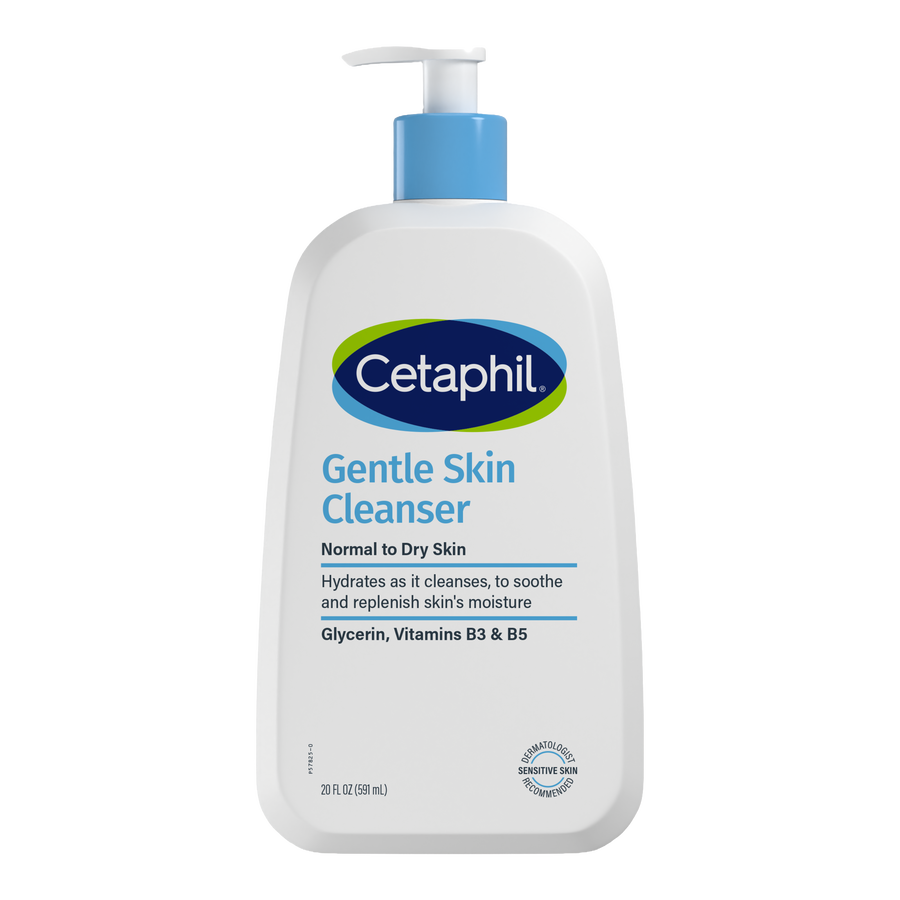
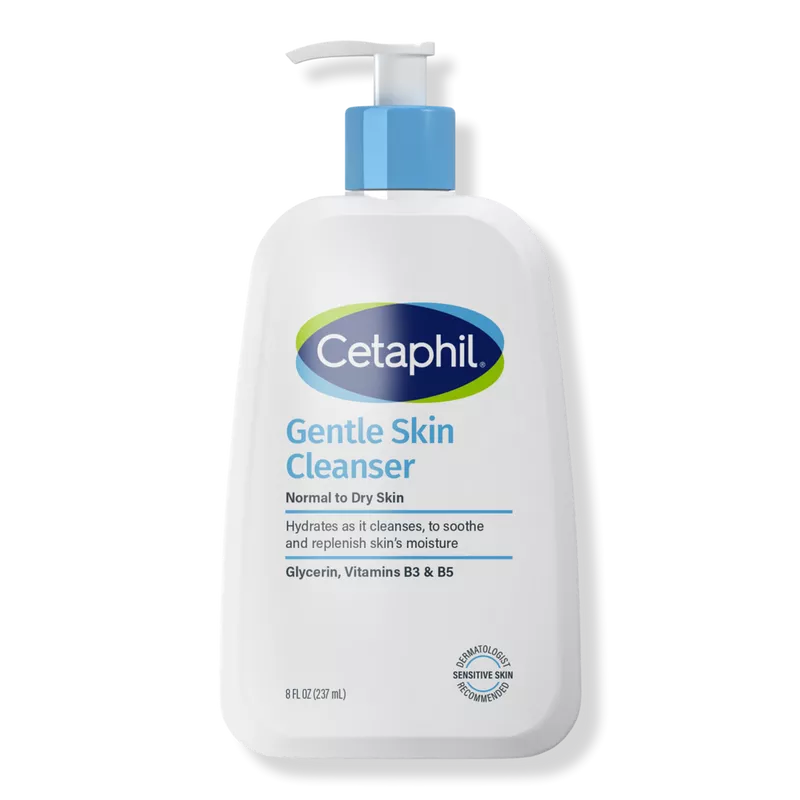
Cetaphil Gentle Skin Cleanser is a long-running drugstore face and body cleanser positioned for normal to dry, sensitive skin. On the current US product page, Cetaphil highlights glycerin, panthenol, niacinamide, and a soap-free cleansing system aimed at reducing post-wash tightness. Ulta listed the 8 oz size at $11.99 when I checked on May 2, 2026, while Amazon showed a live price of $7.53 for a current listing. This is an ingredient-led editorial review based on verified brand, retailer, and source data rather than a hands-on lab wear test, so the verdict leans on formula design, positioning, and real-world usability claims.
That positioning matters in 2026 because the cleanser market is crowded with acids, enzymes, and active-packed washes that promise more than a rinse-off formula can usually deliver. Cetaphil is doing the opposite. It is selling familiarity, tolerance, and low drama. For some people that will feel boring, but for barrier-compromised skin, boring is often exactly what keeps a routine stable.
Ingredient Analysis
Glycerin - Glycerin is the workhorse humectant here. It attracts water into the outer skin layers and helps reduce the dry, tight feel that many cleansers leave behind. That matters more than flashy actives in a cleanser, because contact time is short and comfort after rinsing is what most sensitive-skin users notice first. Reviews of glycerol in skin care support its role in hydration and barrier function maintenance (PMID: 18510666).
Panthenol - Panthenol, or provitamin B5, is included to support hydration and barrier comfort. Human studies have found that topical dexpanthenol can improve stratum corneum hydration and support barrier recovery, which makes it a sensible addition in a cleanser aimed at dryness-prone skin rather than oil control (PMID: 10965426; PMID: 27425824).
Niacinamide - Niacinamide is better known from leave-on serums, but it still makes sense in a low-irritation cleanser because it is associated with barrier support and improved skin smoothness. I would not overstate its benefit in a rinse-off formula, yet its inclusion signals that Cetaphil is trying to position this as a barrier-friendly wash, not just a neutral soap substitute (PMID: 17147561).
Cetearyl Alcohol - This fatty alcohol is not the drying alcohol people worry about. In cleansers, it can help create a creamier slip and reduce the stripped after-feel by adding emollient structure to the formula. For users who hate the overly watery feel of some gentle cleansers, this is one reason Cetaphil can feel softer and more cushiony during massage.
Sodium Cocoyl Isethionate - This is a mild surfactant often used in lower-irritation cleansing systems. The larger point is that cleanser mildness matters: harsh surfactants can disrupt barrier lipids and increase irritation, while gentler systems are better suited to reactive or compromised skin (PMID: 14728695; PMID: 14728696).
The full ingredient list currently surfaced through ingredient databases is short: water, glycerin, cetearyl alcohol, panthenol, niacinamide, pantolactone, xanthan gum, sodium cocoyl isethionate, sodium benzoate, and citric acid. That simplicity is part of the appeal. There are no exfoliating acids, essential oils, added fragrance, or scrub particles competing for attention.
Texture & Application
The texture sits between a lotion cleanser and a very light cream. It is not a rich balm, and it does not foam in a satisfying way if that is the sensory experience you like. Cetaphil also still supports the unusual old-school option of applying it with or without water, though most people will use it on damp skin and rinse. In practice, this reads as a morning cleanser, a second cleanse after micellar water, or a safe pick during barrier irritation. It is less convincing as a one-step makeup remover for long-wear base, sunscreen reapplication, or heavy mascara days.
Because this is a formula-led review rather than a sink-side wear diary, I am being careful with the sensory verdict. Still, the ingredient structure strongly suggests a low-lather, low-stripping cleanse that prioritizes tolerance over drama. If you love that clean-rinsed, deeply degreased feeling, this may read as underpowered. If your skin flares from assertive surfactants, that restraint is exactly the point.
Pros & Cons
Pros:
- Fragrance-free, soap-free positioning makes it an accessible option for sensitive skin routines.
- Humectant and barrier-support ingredients are stronger than what I expect from a basic drugstore cleanser.
- Widely available at major US retailers, with a price point that stays in familiar drugstore territory.
- Simple formula design makes it easier to pair with retinoids, benzoyl peroxide, prescription acne treatments, or post-irritation routines.
Cons:
- May feel too mild for very oily skin or anyone who wants a foamy, fully degreasing cleanse.
- Not the best choice as a single-step remover for heavy makeup or water-resistant sunscreen buildup.
- The brand leans heavily on barrier language, but rinse-off products still have limited contact time compared with leave-on treatments.
The packaging is serviceable rather than polished. The flip-top bottle is practical, but it does not feel especially precise or premium, and that matters if you are comparing it with more elegant pharmacy cleansers. Still, I would rather see money spent on a stable, predictable formula than on a prettier bottle that adds fragrance or extra sensorial clutter.
BeautySift Score
Cetaphil Gentle Skin Cleanser Review — Does It Hold Up for Barrier-Compromised Skin?
Scored on BeautySift's 5-point rubric. 10-point equivalent: 8.2/10
Best For / Not Suitable For
Best For: normal to dry sensitive skin, beginners building a low-irritation routine, and anyone needing a conservative cleanser around retinoids or barrier damage.
Skip If: you wear long-wear foundation daily, prefer a foamy cleanse, or have very oily skin that usually dislikes lotion-texture face wash.
Not Suitable For: people expecting strong makeup removal in one step, users who judge a cleanser by lather, and anyone seeking active exfoliation or oil control from their cleanser.
Where to Buy
- Amazon - $7.53 at time of check on May 2, 2026.
- Sephora - not listed in Sephora search results at time of check on May 2, 2026.
- Ulta - $11.99 for 8 oz at time of check on May 2, 2026.
How It Compares
Compared with Vanicream Gentle Facial Cleanser, Cetaphil feels more lotion-like and a little more moisturizing, but Vanicream is the safer pick if you want a cleaner-rinsing finish without fragrance. Against La Roche-Posay Toleriane Hydrating Cleanser, Cetaphil is usually cheaper and simpler, while Toleriane often feels slightly more elegant and better balanced between slip and rinse-off comfort.
My honest verdict is that Cetaphil still holds up if your main goal is not excitement but tolerance. It is one of the safer mainstream options for people who repeatedly learn that their skin does not like aggressive cleansers. The weakness is equally clear: if you want cleansing power that feels obvious, or if makeup removal is non-negotiable in one step, this formula may feel too polite.
Sources: Cetaphil US product page checked May 2, 2026; Ulta product page checked May 2, 2026; Amazon mobile product listing checked May 2, 2026; Sephora search checked May 2, 2026; PMID: 18510666; PMID: 10965426; PMID: 27425824; PMID: 17147561; PMID: 14728695; PMID: 14728696.
[EXCERPT]: This Cetaphil Gentle Skin Cleanser review explains who should buy this classic sensitive-skin wash, where it still works well, and where its gentle formula starts to feel too soft.