The INKEY List Polyglutamic Acid Serum Review — strong surface hydration, but too light to replace a moisturizer
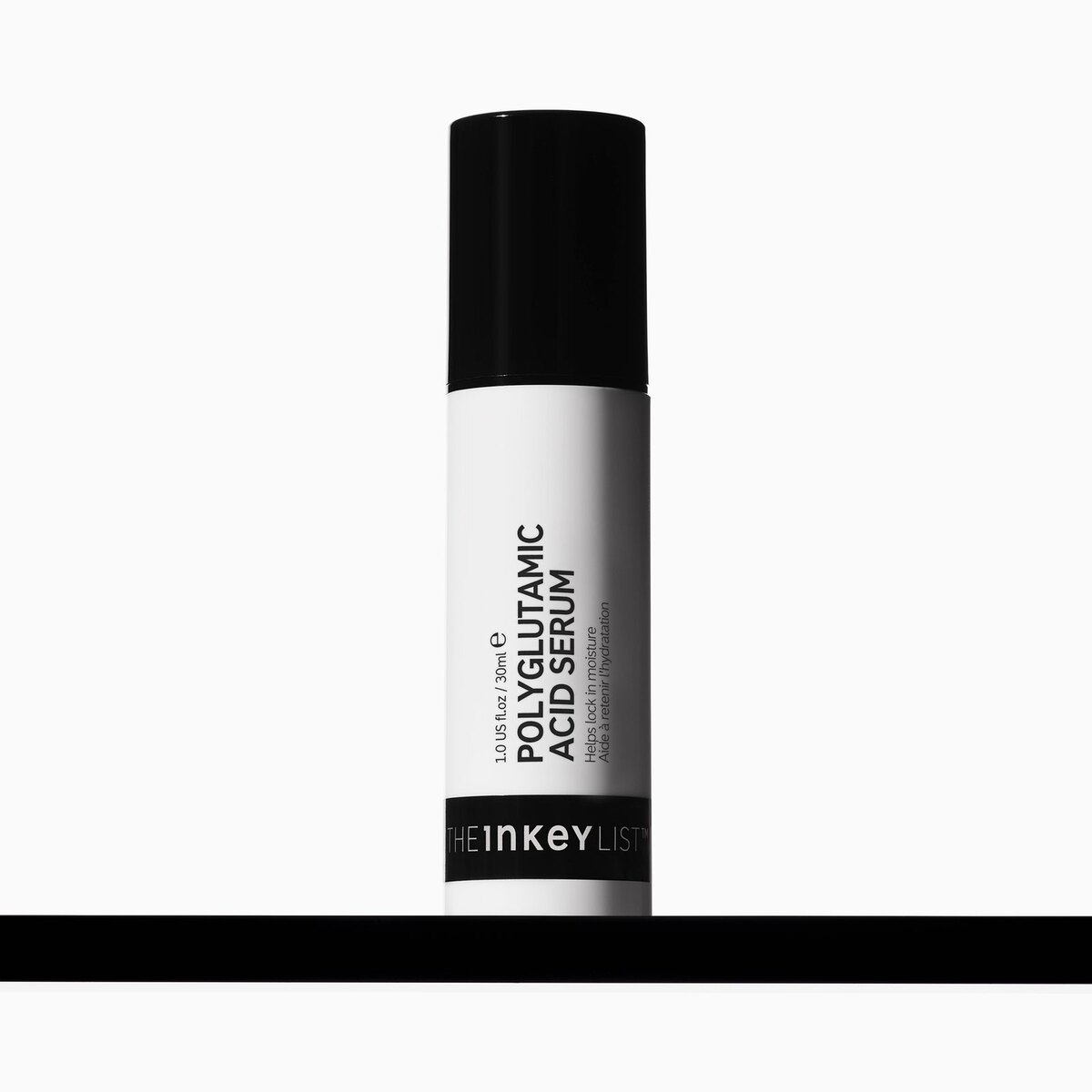
Our The INKEY List Polyglutamic Acid Serum review covers formula logic, texture, current pricing, and whether it really does more than hyaluronic acid.
Medical Disclaimer: This review is for general skincare education only and is not medical advice. If you have eczema flares, a spreading rash, painful irritation, or a suspected allergy, check with a dermatologist before changing your routine.
By BeautySift Editorial Team
TL;DR: The INKEY List Polyglutamic Acid Serum is a smart, lightweight hydration layer that helps skin feel smoother and less tight, especially under moisturizer or makeup. What it does not do is replace a fuller barrier cream, and the brand's “4x more moisture than hyaluronic acid” style messaging reads stronger than the real-world formula. Overall Score: 8.1/10.
This is an AI-assisted editorial review built from the current The INKEY List product page, live Amazon listings checked on May 2, 2026, and PubMed-indexed literature on moisturization and barrier support. I am not presenting this as a private six-week bathroom-shelf diary. I am reviewing the published formula, the verified current retail context, and the practical trade-offs a careful shopper should know before buying.
BeautySift affiliate disclosure is handled automatically by the CMS template, so this article stays focused on the formula, texture, and buying logic. If you want another hydration-focused benchmark, our The Ordinary Hyaluronic Acid 2% + B5 review is a useful internal comparison point.
Product Overview
The INKEY List Polyglutamic Acid Serum is a 30 ml hydrating serum positioned as the last serum step before moisturizer. On the brand's US site during this run, it was listed at $16.00, described as suitable for sensitive skin, and marketed around a 3% polyglutamic acid complex plus a 2% Invisaskin complex. Amazon also listed the 1.0 fl oz bottle at $16.00 when I checked. In plain terms, this sits in the affordable hydration-serum tier: cheaper than many prestige options, but still competing with simpler humectant formulas that can cost even less.
The product claim that matters most is not anti-aging magic. It is surface hydration: helping skin look smoother, feel less tight, and hold onto water a little better through the day. That is a reasonable goal, but it is also a narrower goal than some shoppers may expect from the word “serum.”
Ingredient Analysis
Polyglutamic Acid - This is the headline active, and the brand uses it at 3% in a surface-hydration complex. Poly-γ-glutamic acid has emerging lab and reconstructed-skin data suggesting improved moisture retention and barrier support, which makes the core concept scientifically plausible, even if consumer-facing claims still run ahead of the evidence base in humans (PMID: 39940752).
Glycerin - Glycerin is one of the least glamorous but most dependable humectants in skincare. It helps draw water into the upper layers of the skin and has a much deeper evidence base than many trendy hydration ingredients, which is one reason I trust it more than the marketing headline alone (PMID: 18510666).
Butylene Glycol and Propanediol - These two humectant solvents help with slip, spreadability, and short-term water binding. They are not exciting actives on their own, but they matter because the serum's comfortable, silky feel depends partly on them.
Dimethicone and Bis-PEG-12 Dimethicone - These silicones help reduce drag and create the smooth, makeup-friendly finish that many people will notice immediately. They also explain why the formula feels more polished than a very plain watery serum.
Saccharomyces Ferment and Rice Bran Extract - These supporting ingredients add a little more cosmetic sophistication, but I would not buy the serum for them. They look more like secondary texture-and-conditioning helpers than the central reason the formula works.
The larger takeaway is that this serum makes the most sense as a layered hydration product, not as a one-step rescue formula. Ceramide-focused barrier products still have a stronger case when skin is genuinely impaired, which is why I would place this closer to “hydration support” than “barrier repair treatment” in a real routine (PMID: 37276158).
I also think this is where the marketing needs translation. “Locks in moisture” sounds almost occlusive, but the actual formula reads more like a smoothing humectant serum with elegant slip. For many users that is a good thing. It simply means expectations should stay realistic: softer-looking skin and a more comfortable surface feel are more plausible outcomes than dramatic long-lasting nourishment on their own.
Texture & Application
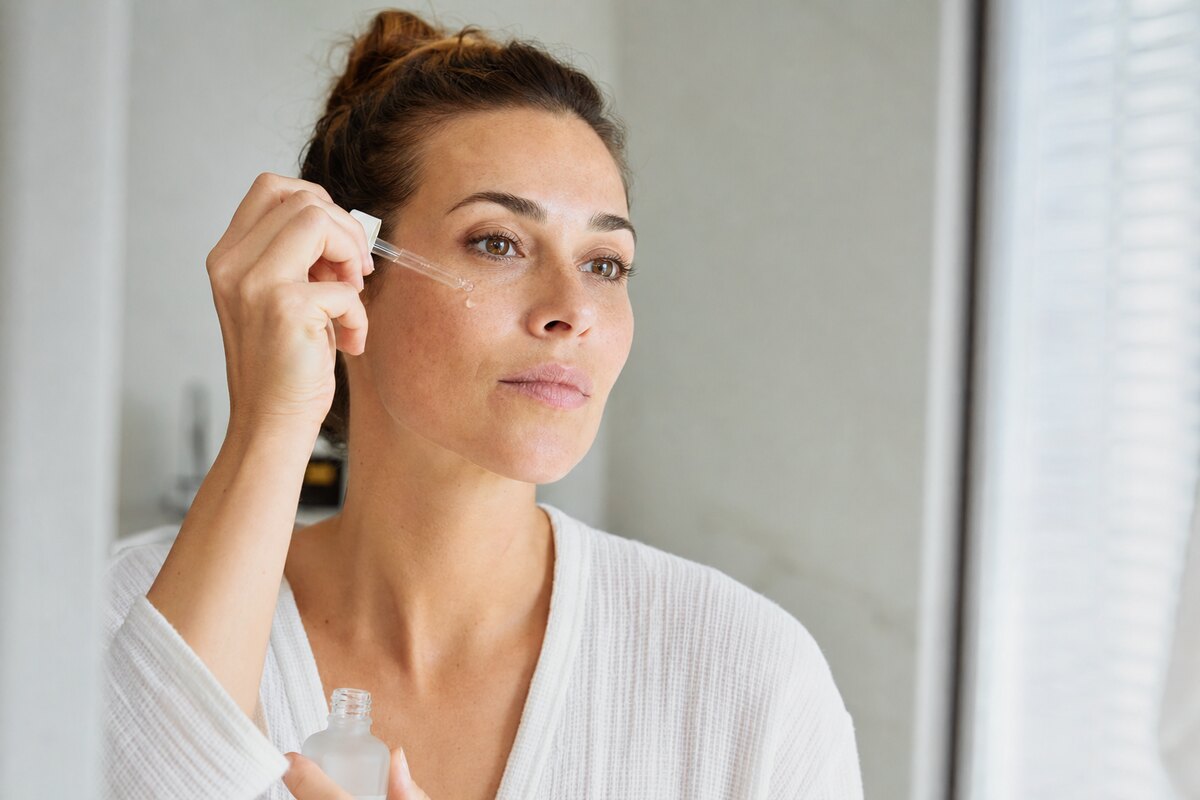
Texture is where this formula earns much of its appeal. The brand describes it as a lightweight silky serum, and that reads as believable given the ingredient list: humectants, film-formers, and silicones that should leave a smoother finish than a sticky gel. I would expect it to spread quickly, dry down with a soft slip, and sit comfortably under moisturizer and sunscreen rather than pill immediately. That also explains why the product is often framed as a good makeup-prep step.
For sensitive skin, that silky finish is a double-edged detail. Many people love the cosmetic elegance of silicone-assisted serums, but others prefer formulas that feel simpler and less film-forming when their skin is actively stinging. If your face is just dehydrated, this could feel pleasantly smoothing. If your barrier is visibly raw, flaky, or post-procedure, a bland cream may still feel safer and more complete.
The flip side is that people with very dry or barrier-damaged skin may find it cosmetically elegant but not satisfying enough on its own. I would use it after a thinner water-based serum if needed, then seal it in with moisturizer. Used alone, it is more likely to feel pleasant than complete.
Pros & Cons
Pros:
- The price is reasonable at $16 for 30 ml compared with many prestige hydration serums.
- The formula is likely to feel smoother and more makeup-friendly than a basic tacky humectant gel.
- Glycerin gives the product a solid evidence-based hydration backbone instead of relying only on trend language.
- The product works well as a layering serum for skin that feels dehydrated but dislikes heavy creams during the day.
Cons:
- The biggest benefit is surface hydration, so shoppers expecting dramatic barrier repair may feel underwhelmed.
- The “more moisture than hyaluronic acid” style positioning is catchy, but it oversimplifies how real routines work.
- If your skin already does well with a glycerin-rich moisturizer, this extra serum step may feel optional rather than essential.
My honest hesitation is not that the formula looks bad. It is that the category is crowded. Affordable hydration is no longer rare, so a serum needs either outstanding value or a clearly superior finish to justify another step. This one makes the strongest argument on texture and layering, not on sheer novelty.
BeautySift Score
The INKEY List Polyglutamic Acid Serum Review — strong surface hydration, but too light to replace a moisturizer
Scored on BeautySift's 5-point rubric. 10-point equivalent: 8.3/10
Best For / Not Suitable For
Best For: dehydrated combination skin, people who want a smoother serum under makeup, and routines that need a light hydration layer without a greasy finish.
Not Suitable For: very dry skin that needs a richer barrier cream, shoppers who want one product to replace moisturizer, and anyone who is happiest with the fewest possible routine steps.
Skip If: you already get enough hydration from a glycerin-rich moisturizer, your skin reacts badly to silicone-heavy finishes, or you want a serum with a stronger active-treatment role than simple hydration support.
Where to Buy
- Amazon: $16.00 for the 1.0 fl oz bottle when checked on May 2, 2026. Buy on Amazon
How It Compares
Compared with The Ordinary Hyaluronic Acid 2% + B5, The INKEY List Polyglutamic Acid Serum looks more polished in finish and more appealing under makeup, but it is also a little more niche in purpose. Compared with Stratia Liquid Gold, it is far lighter and better suited to daytime layering, while Stratia is the stronger choice when your real priority is barrier-lipid support rather than a silky hydration boost.
Sources: The INKEY List USA Polyglutamic Acid Serum product page checked May 2, 2026; Amazon US search and listing data checked May 2, 2026 for ASIN B09N9ZNP9M, ASIN B0CWPYYFWR, and ASIN B0CNTKZN7F; PubMed: PMID: 39940752, PMID: 18510666, PMID: 37276158.
[EXCERPT]: This The INKEY List Polyglutamic Acid Serum review explains who benefits from the silky hydration layer, where the formula feels limited, and why moisturizer still matters.
Editor's Picks


