The Ordinary Hyaluronic Acid 2% + B5 Review — Good budget hydration, but the sticky finish is still the trade-off
Our The Ordinary Hyaluronic Acid 2% + B5 review looks at the new ceramide-leaning formula, sticky texture, current pricing, and who should skip it.
Medical Disclaimer: This review is for general skincare education only and is not medical advice. If you have persistent eczema, painful cracking, severe swelling, a suspected allergy, or a facial rash that keeps worsening, check with a dermatologist instead of relying on a hydrating serum alone.
By BeautySift Editorial Team
TL;DR: The Ordinary Hyaluronic Acid 2% + B5 is still one of the easier hydration buys under $10, and the current formula now includes ceramide-supporting lipids that make the barrier story more convincing than the older version. I still would not call it universally elegant: if you hate tacky serums, layer several humectants already, or live in heavy humidity, the texture can feel like more work than the low price suggests. Overall score: 8.0/10.
This is an AI-assisted editorial review built from The Ordinary product page, Ulta product listing, Amazon listing checks, and PubMed-indexed literature reviewed on May 2, 2026. I am not presenting this as a secret six-week diary. The goal is a transparent formula review that stays close to verified product details, retailer availability, and what the ingredient list can honestly support. Affiliate disclosure is handled automatically by the site template rather than inserted here as a sales pitch.
Product Overview
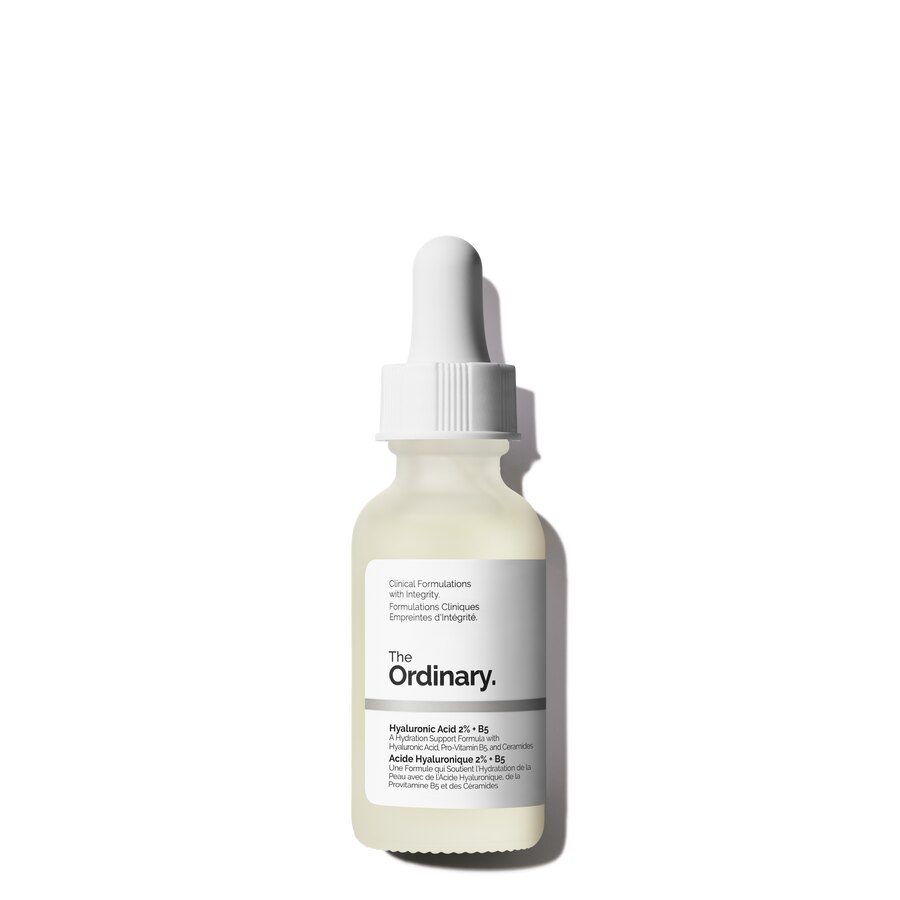
The product in this queue still uses the familiar “Hyaluronic Acid 2% + B5” name, but the current US listing is now Hyaluronic Acid 2% + B5 (with Ceramides). On The Ordinary’s official site, it is described as a second-generation hydrating serum meant to deliver instant and longer-lasting hydration while smoothing texture and helping skin feel plumper. When I checked the brand site, the 30 ml bottle was listed at $9.90 and marked in stock. Ulta also listed the 1.0 oz bottle at $9.90 and showed it as in stock for shipping, while Amazon had the single bottle at $9.90 and a two-pack at $19.80.
That price matters because this serum lives in a very competitive category. Hydrating serums are easy to oversell, but not all of them do much beyond sitting damply on the skin for a few minutes before the finish turns sticky or disappears under moisturizer. The Ordinary keeps this one simple: multiple forms of hyaluronic acid, panthenol, glycerin, and lipid support ingredients in a clear serum that is meant to work for most skin types. The appeal is not glamour. It is accessible hydration, plain packaging, and a low entry price for people who want a basic humectant layer.
The catch is that cheap and useful does not always mean pleasant. Older versions of this serum built a reputation for tackiness, and the current formula does not fully escape that complaint. I think the reformulation makes the product easier to defend from an ingredient perspective, but it still sits in the category of “worth trying if you want budget hydration” rather than “automatically the best hydrating serum for everyone.”
Ingredient Analysis
Sodium hyaluronate and hydrolyzed hyaluronic acid - These are the core humectants here, and they are why the serum immediately feels like a hydration product rather than a treatment serum. Topical hyaluronic acid can improve visible skin quality and hydration support when used well, but it works best as a water-binding layer that is sealed in with moisturizer rather than as a standalone essential hydration step. PMID: 36200921; PMID: 29601621.
Panthenol (pro-vitamin B5) - Panthenol is a sensible inclusion for a low-irritation hydrating serum because it supports stratum corneum hydration and can help improve barrier comfort in dry or stressed skin. I like it more for reducing that tight, post-cleansing feeling than for any dramatic visible transformation. PMID: 10965426; PMID: 27425824.
Phospholipids and sphingolipids - These lipids are the reason the updated formula reads more modern than the older simple HA gel. They are not the same thing as rebuilding an impaired barrier overnight, but they support the product’s “with ceramides” positioning and make more sense than leaving the formula as a pure sticky humectant blend. PMID: 12553851.
Glycerin - Glycerin is less marketable than hyaluronic acid, but it is one of the most dependable moisturization ingredients in skincare. In practical use, glycerin often does as much of the comfort work as the headline ingredient, especially when skin is dehydrated from cleansing, indoor heat, or too many actives.
Tocopherol - Vitamin E is a supporting antioxidant here rather than the main reason to buy the serum. I treat it as a useful background ingredient that helps round out the formula, not as proof that the serum suddenly becomes an anti-aging treatment.
Looking at the formula as a whole, I think the biggest improvement is conceptual. The current version is not just chasing the old “put hyaluronic acid in everything” trend. It adds lipids and a more believable barrier-support angle, which matters because simple humectant gels can sometimes leave skin feeling oddly tight if they are not followed quickly with a cream. This version still needs that follow-up moisturizer for many users, but it at least acknowledges the real-world way hydrating serums get used.
I would still keep expectations controlled. This is not a serum for dark spots, breakouts, or retinoid-level texture change. It is a hydration layer. If your skin is already happy with a basic moisturizer, you may not need it. If your skin often feels papery, flat, or tight after cleansing, the formula makes much more sense.
Texture & Application
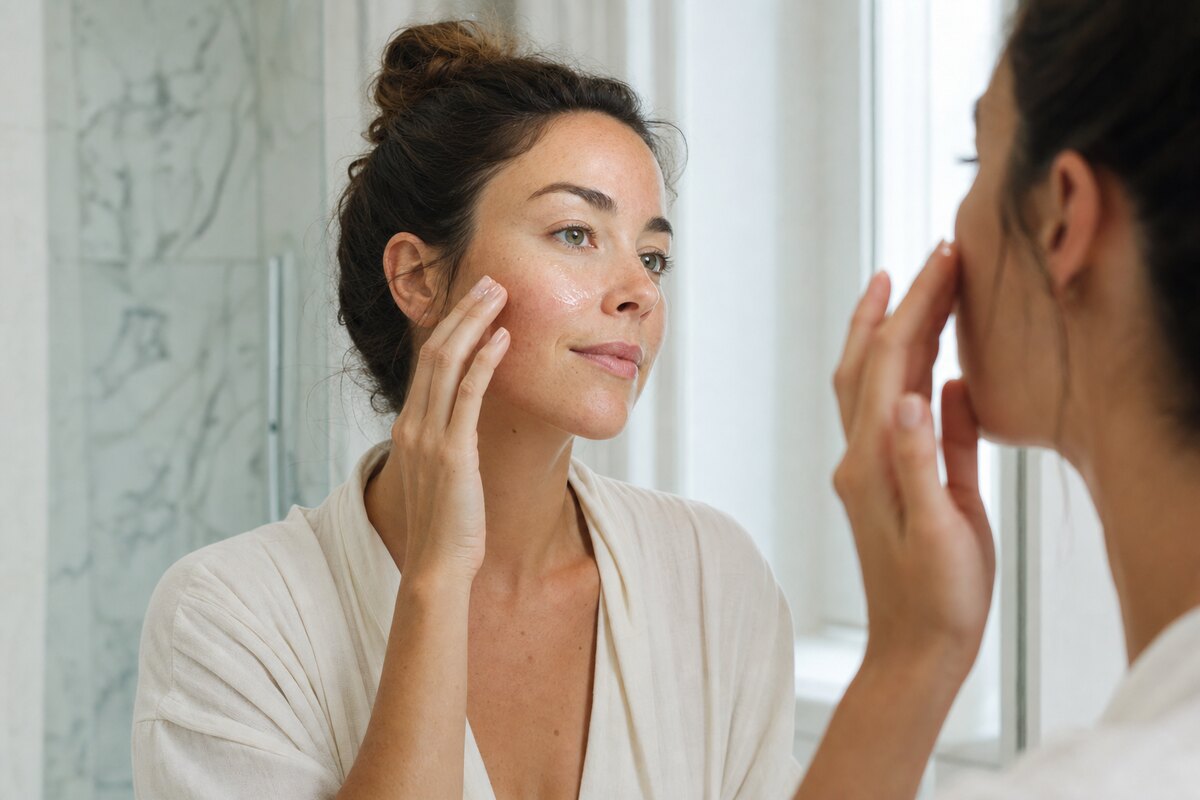
The texture lands somewhere between slippery and slightly gluey. That sounds harsher than I mean it, but it is the honest version. The serum spreads easily, looks clear, and feels lightweight at first, yet it can leave a noticeable film if you use too much or apply it over skin that is already coated in other humectants. I get the best logic from it on slightly damp skin, followed quickly by a cream or lotion. If you let it dry down alone and expect a silky, invisible finish, you may understand the internet complaints immediately.
If I map out the experience in a realistic routine arc, Week 1-2 is mostly about learning dose. One or two drops too many can change the feel from comfortably hydrated to tacky. Week 3-4 is where the product tends to show its value if your skin is dehydrated from cleanser, exfoliants, or air conditioning, because the low cost makes daily use easy. Week 5+ is when many people split into two camps: the users who keep buying it because it is dependable and cheap, and the users who move on because they want a more elegant finish.
Routine placement is simple. Use it after cleansing and before moisturizer. In the morning, I would only keep it if your sunscreen still layers well over it; some sunscreen formulas can pill if this serum has not settled. At night, it works better because you have more freedom to top it with a richer cream. I also think this serum makes more sense in dry or temperate weather than in hot, sticky climates, where the extra humectant layer can feel redundant.
Packaging is as plain as ever, which is mostly a compliment. The dropper bottle is easy to understand and keeps the price low, though it is not my favorite format for people who rush through routines or dislike runny product on their fingers. A pump would be cleaner, but I suspect the brand is prioritizing cost discipline here.
Pros & Cons
Pros:
- Very accessible price for a daily hydrating serum from a widely stocked brand
- Updated formula has a stronger barrier-support story than the older basic HA version
- Easy to slot under moisturizer when skin feels tight, dehydrated, or over-cleansed
- Official site, Ulta, and Amazon pricing were all aligned at $9.90 during this check
Cons:
- Finish can still feel tacky, especially if you overapply
- Not essential if your moisturizer already keeps hydration levels steady
- Can pill under some sunscreens or layered routines if you do not control the amount
BeautySift Score
The Ordinary Hyaluronic Acid 2% + B5 Review — Good budget hydration, but the sticky finish is still the trade-off
Scored on BeautySift's 5-point rubric. 10-point equivalent: 8.4/10
Best For / Not Suitable For
Best For: dehydrated skin, sensitive skin that wants a fragrance-free humectant step, and budget-conscious routines that need a simple hydration layer between cleansing and moisturizer.
Skip If: you strongly dislike tacky serums, already use several hydrating layers, or live in a humid climate where an extra HA serum often feels unnecessary.
Not suitable for: shoppers looking for a treatment serum for acne, pigment, or deep wrinkles; this is mainly a hydration-support step, not a corrective active. If your skin barrier is actively irritated, pairing it with a richer moisturizer matters more than expecting the serum to fix everything alone. For a broader barrier-support comparison, I would also read our niacinamide vs ceramides breakdown.
Where to Buy
- Amazon: $9.90 for the 1 fl oz bottle and $19.80 for the two-pack when checked on May 2, 2026 Buy on Amazon
How It Compares
Compared with Paula’s Choice Omega+ Complex Moisturizer, this serum is much cheaper and lighter, but it is also less complete on its own because you still need a separate moisturizer to lock things in. Compared with the upcoming hydrating-serum crowd like Torriden-style watery formulas, The Ordinary remains the budget pick with the rougher finish: strong value, decent formula logic, and less elegance than the best-feeling competitors.
Sources: The Ordinary Hyaluronic Acid 2% + B5 (with Ceramides) product page checked May 2, 2026; Ulta product listing checked May 2, 2026; Amazon listing checks for ASIN B01MYEZPC8, B0DN6NG52J, and B0711DTHY2 checked May 2, 2026; PMID: 36200921, Benefits of topical hyaluronic acid for skin quality and signs of skin aging: From literature review to clinical evidence; PMID: 29601621, Prospective, Randomized, Investigator-Blinded, Split-Face Evaluation of a Topical Crosslinked Hyaluronic Acid Serum for Post-Procedural Improvement of Skin Quality and Biomechanical Attributes; PMID: 10965426, Effect of topically applied dexpanthenol on epidermal barrier function and stratum corneum hydration; PMID: 27425824, A new topical panthenol-containing emollient; PMID: 12553851, Ceramides and skin function.
[EXCERPT]: The Ordinary Hyaluronic Acid 2% + B5 review finds strong budget hydration and better formula logic than the old version, but the sticky finish still narrows the audience.
Editor's Picks


