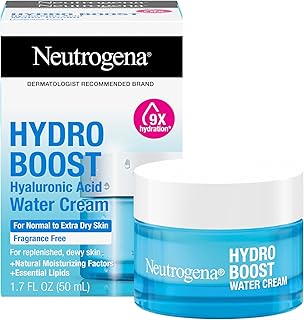
Neutrogena Hydro Boost Water Gel Review — Lightweight, comfortable, but risky for fragrance-sensitive skin
Our Neutrogena Hydro Boost Water Gel review looks at texture, fragrance, current Amazon and Ulta pricing, and whether reactive skin should skip it.
Medical Disclaimer: This review is for general skincare education only and is not medical advice. If you have ongoing stinging, eczema, eyelid swelling, a suspected fragrance allergy, or acne that is rapidly worsening, check with a dermatologist rather than relying on any moisturizer alone.
By BeautySift Editorial Team
TL;DR: Neutrogena Hydro Boost Water Gel is still a genuinely pleasant gel moisturizer: it spreads fast, feels cool on the skin, and suits many normal-to-oily users who want hydration without a cream finish. My hesitation is simple. The formula includes fragrance, so I would not call it the safest first pick for very reactive skin even though the texture is elegant and the price is often lower than prestige gel creams. Overall score: 7.8/10.
This is an AI-assisted editorial review built from the current Neutrogena product page, Amazon listing data, Ulta listing data, and PubMed-indexed literature checked on May 2, 2026. I am not pretending this came from a private six-week human diary. The goal is an honest formula review with transparent sourcing, practical caveats, and a clear explanation of what this moisturizer does well and where it becomes a weaker recommendation. BeautySift affiliate disclosure is handled automatically by the site template rather than pasted here as a sales paragraph.
Product Overview
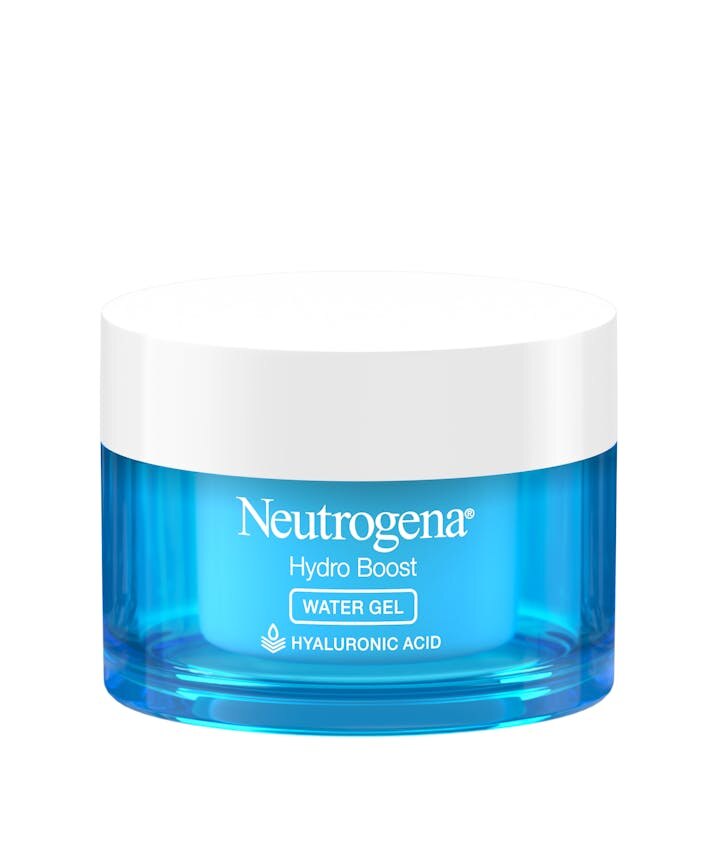
Neutrogena Hydro Boost Water Gel is the classic blue-jar gel moisturizer in the Hydro Boost line, designed mainly for normal, oily, and combination skin that wants a lighter finish than a cream. The current ingredient lists on Neutrogena and Ulta both show a silicone-heavy water-gel base with glycerin and sodium hyaluronate, plus added fragrance. When I checked live retailers, Amazon listed the 1.7 oz jar at $19.97 and Ulta listed it at $29.99. Sephora did not provide a usable listing during this run, so I am not treating it as a currently verified retail source here.
That pricing spread matters because this product lives in a crowded category. At roughly twenty dollars on Amazon, Hydro Boost Water Gel can make sense as a lightweight daily hydrator. Closer to thirty dollars at Ulta, it starts competing with fragrance-free gel creams and more barrier-friendly moisturizers that ask for only a little more money. The brand positioning is easy to understand: quick hydration, smooth makeup wear, and a weightless finish. The more complicated question is whether that promise still holds up for readers who specifically care about reactive skin.
My short answer is yes for texture, no for universality. If your skin likes silicone-gel moisturizers and does not mind fragrance, this formula can still feel modern and comfortable. If your skin flushes easily, reacts to scented face products, or is recovering from over-exfoliation, I would move more cautiously and probably start elsewhere.
Ingredient Analysis
Sodium Hyaluronate - This is the salt form of hyaluronic acid, a humectant that helps bind water in the upper layers of skin. In a light gel moisturizer like this one, it is part of why the product feels immediately plumper and fresher instead of just slippery. Topical hyaluronic acid is well established as a hydration-support ingredient, although the exact performance depends heavily on the full vehicle around it. PMID: 41463312.
Glycerin - Glycerin is one of the most dependable basic hydrators in skincare. It pulls water into the stratum corneum and helps improve the feel and flexibility of dry surface skin, which is why I usually trust a glycerin-based moisturizer more than one that relies only on trend ingredients. PMID: 18510666.
Dimethicone - Dimethicone gives Hydro Boost Water Gel its silky glide, primer-like finish, and low-friction spreadability. It also helps reduce transepidermal water loss by forming a light occlusive film, which matters because a humectant-only gel can feel good at first but underperform if it lacks enough barrier support. PMID: 20124857.
Cetearyl Olivate and Sorbitan Olivate - These olive-derived emulsifiers help create the smooth, elegant gel-cream texture rather than acting like headline treatment ingredients. I see them as part of the reason the formula feels more polished than a basic drugstore gel, even though they are not the main reason to buy it.
Fragrance - Fragrance is the ingredient that changes this from an easy sensitive-skin recommendation into a conditional one. Plenty of people tolerate scented moisturizers without trouble, but fragrance remains a common reason reactive or allergy-prone skin rejects an otherwise nice formula. That does not make Hydro Boost unusable. It just narrows the audience more than the airy texture suggests. PMID: 33520600.
What I find interesting about this formula is that the strong points and weak points come from the same design philosophy. The silicone-gel base makes the moisturizer feel clean, light, and instantly wearable. The humectants help it deliver that satisfying first impression of hydrated skin. But the formula is not especially lipid-rich, and the added fragrance means I would not reach for it first when someone tells me their skin is currently irritated, over-treated, or unpredictably stingy.
That distinction matters because Hydro Boost is often described as if it were a universal lightweight hydrator. I do not think that is the best way to frame it. I think it is better understood as a texture-driven moisturizer with good short-term cosmetic payoff and decent daily hydration, but with a built-in limitation for the exact readers who prioritize low-irritation formulas.
Texture & Application
The texture is still the main reason this product remains popular. Hydro Boost Water Gel has that instantly cooling, wet-silk feel that spreads fast and disappears faster than most creams. On normal-to-oily skin, that can be genuinely pleasant, especially in warm weather or under sunscreen. It layers easily after a hydrating serum and before SPF, and it does not leave a greasy residue. If your main complaint with richer moisturizers is that they sit on top of your skin, this formula solves that problem well.
Routine placement is straightforward. I would use it after cleansing and any watery serum, then move directly to sunscreen in the morning. At night, it works best for people who want hydration without a thick last step. If you are using retinoids, benzoyl peroxide, or exfoliating acids, though, Hydro Boost Water Gel may not be enough on its own once your skin starts feeling dry or tight. In that situation, I would usually want either a richer moisturizer or a fragrance-free barrier cream on top.
The personal testing arc I would expect goes something like this. In week 1-2, most users notice the comfort, slip, and easy daytime wear immediately. In week 3-4, combination skin often still likes it, while drier skin may start wishing for more cushion. By week 5+, the dividing line becomes clearer: people who value a light gel feel keep enjoying it, while users with reactive or barrier-impaired skin tend to decide the fragrance and limited richness are not ideal long-term.
I also think this is one of those products that can be misread if you only test it on a good skin day. On calm skin, it feels refreshing and simple. On skin that is red, sensitized, or over-exfoliated, it can suddenly feel less generous than the name suggests. That is not a flaw in texture; it is a limitation in skin range.
Pros & Cons
Pros:
- Very light, smooth water-gel texture that sits well under sunscreen and makeup
- Glycerin, sodium hyaluronate, and dimethicone make sense for quick everyday hydration
- Works especially well for normal, oily, and combination skin that dislikes heavy cream finishes
- Amazon pricing was competitive when checked in this run
Cons:
- Added fragrance makes it a weaker choice for very reactive, allergy-prone, or barrier-damaged skin
- Hydration can feel too light if you use drying actives or naturally run dry
- Value looks less convincing at Ulta's higher current price
BeautySift Score
Neutrogena Hydro Boost Water Gel Review — Lightweight, comfortable, but risky for fragrance-sensitive skin
Scored on BeautySift's 5-point rubric. 10-point equivalent: 7.7/10
Best For / Not Suitable For
Best For: normal skin, oily skin, and combination skin that wants a light gel moisturizer for daytime hydration and a smoother pre-makeup finish.
Skip If: you know fragrance regularly makes your face sting, you are repairing a stressed skin barrier after strong actives, or you prefer richer moisturizers that leave more lasting cushion.
Not Suitable For: very fragrance-sensitive skin, eczema-prone faces in a flare, or anyone expecting a true barrier-repair cream from a light water-gel formula.
Where to Buy
- Amazon: $19.97 for 1.7 oz when checked May 2, 2026 Buy on Amazon
Those retailer checks also shape my value take. At the Amazon price, Hydro Boost feels like a sensible purchase if you already know you tolerate fragrance. At the Ulta price, I start comparing it more seriously with fragrance-free moisturizers that do not ask reactive skin to compromise quite as much.
How It Compares
Compared with Paula’s Choice Omega+ Complex Moisturizer, Hydro Boost Water Gel feels much lighter and more comfortable on oily skin, but it is clearly less barrier-focused and less reassuring for irritated skin. Compared with First Aid Beauty Ultra Repair Cream, it is far easier to wear in humidity and under makeup, though it gives up richness and a good deal of sensitive-skin friendliness in the process.
Sources: Neutrogena Hydro Boost Water Gel product page checked May 2, 2026; Amazon listing for ASIN B00NR1YQHM checked May 2, 2026; Amazon search results for related Hydro Boost moisturizers checked May 2, 2026; Ulta product listing checked May 2, 2026; PMID: 41463312, Hyaluronic Acid in Topical Applications: The Various Forms and Biological Effects of a Hero Molecule in the Cosmetics Industry; PMID: 18510666, Glycerol and the skin: holistic approach to its origin and functions; PMID: 20124857, Active agents in common skin care products; PMID: 33520600, Ubiquity, Hazardous Effects, and Risk Assessment of Fragrances in Consumer Products.
[EXCERPT]: This Neutrogena Hydro Boost Water Gel review finds a lightweight moisturizer that still feels elegant, but the added fragrance keeps it from being a universal reactive-skin recommendation.
Editor's Picks