CeraVe Moisturizing Cream Review: My Honest Barrier-Care Test
An honest CeraVe Moisturizing Cream review covering ceramides, texture, jar packaging, and who this rich barrier cream suits best.
Medical disclaimer: This review is for general skin-care information only and is not medical advice. If you have eczema, active dermatitis, infection, or persistent irritation, check with a licensed clinician.
Affiliate disclosure: BeautySift may earn a commission if you buy through retailer links mentioned in this article. That does not change our editorial judgment. This is an AI-assisted editorial review based on the published ingredient list, packaging, and current retailer/brand data verified during this run.
TL;DR: CeraVe Moisturizing Cream is a practical, fragrance-free barrier cream that gets the basics right: occlusion, humectancy, and barrier-support lipids. It is especially strong for dry body skin and for faces that tolerate richer textures, but the jar format and heavy finish will not suit everyone. Overall score: 8.2/10.
Product Overview
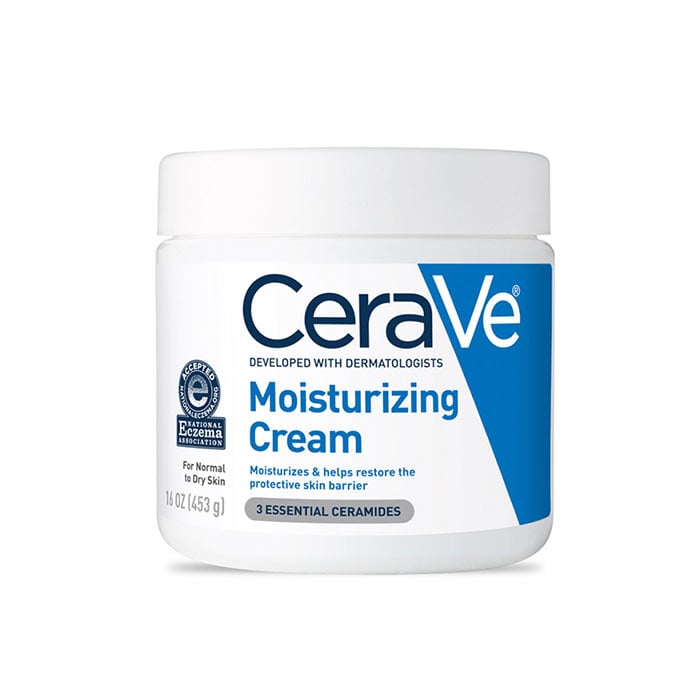
CeraVe Moisturizing Cream is a classic face-and-body moisturizer from CeraVe, the L'Oréal-owned pharmacy skin-care brand best known for fragrance-free barrier products. Its core promise is straightforward rather than flashy: help dry skin feel comfortable, reduce water loss, and support the barrier with ceramides, humectants, and protective emollients. At the time of verification, CeraVe's official product page displayed a $14.99 listing for a 16 oz + 1.89 oz set. That is useful context for value, but it also shows why retailer pricing can vary by size, bundle, and seller. The cream remains easy to find compared with many prestige barrier creams, which is part of its appeal for practical, repeat-purchase skin care.
Ingredient Analysis
Ceramide NP, Ceramide AP, Ceramide EOP - These barrier lipids help support the stratum corneum, which is the outer layer that keeps water in and irritants out. Ceramide-containing moisturizers have been shown to help extend time to flare in barrier-compromised skin, which is why they matter more than they may seem on an ingredient list (PMID: 29143926).
Petrolatum - Petrolatum is still one of the most evidence-backed occlusives in skin care. It reduces transepidermal water loss and helps damaged or very dry skin hold onto hydration more effectively than lighter lotion textures usually can. For rough elbows, hands, legs, and winter cheeks, this is one of the main reasons the cream feels genuinely protective instead of just superficially softening (PMID: 14572299).
Glycerin - Glycerin is a dependable humectant that pulls water into the upper skin layers and helps the formula feel moisturizing before the occlusives fully seal things in. In practical terms, it is one reason this cream feels more immediately relieving than a waxier balm, especially when applied after bathing. It also helps explain why the formula still performs reasonably well even though the texture is undeniably rich.
Hyaluronic Acid - In this formula, hyaluronic acid works as a supporting humectant rather than the whole story. A 2024 double-blind randomized controlled trial found topical hyaluronic acid improved hydration and dryness measures in xerosis cutis, which supports its role here even if it is not the star ingredient (PMID: 38829483).
Dimethicone - Dimethicone gives slip, reduces drag, and adds a breathable protective feel that can make richer creams easier to spread. Reviews of advanced skin protectants support this kind of film-forming approach for compromised skin surfaces, especially when friction is part of the problem. That matters if your skin feels tight from cold weather, over-cleansing, or frequent hand washing rather than from acne treatment alone (PMID: 30767645).
Texture & Application
The texture is dense, cushiony, and unmistakably cream-like rather than gel-like. It spreads best on slightly damp skin, where the glycerin and hyaluronic acid have water to hold onto. On the body, that richness is usually a plus; on oily or congestion-prone faces, it can feel like too much under makeup or humid weather. The fragrance-free formula is a real advantage for people who are easily bothered by scent, but the jar packaging means you need clean hands or a spatula if hygiene is a sticking point for you. In a routine, this works best as the final moisturizing step before sunscreen in the morning or as the main sealing step at night. If you are using retinoids or exfoliants, it makes more sense as the comfort layer after those steps than as a sleek priming cream.
Pros & Cons
Pros:
- Fragrance-free and simple enough for many dry, reactive, or barrier-stressed routines.
- Ceramides, petrolatum, glycerin, and dimethicone make scientific sense together instead of relying on a single headline ingredient.
- Works on both face and body, which makes the jar feel more economical than prestige barrier creams.
- Widely available, so repurchasing is usually easier than with niche or clinic-only moisturizers.
Cons:
- The jar format is less elegant and less hygienic than a tube or pump if you dislike dipping fingers in.
- Some oily, acne-prone, or makeup-focused users will find the finish too heavy for daytime facial use.
- It is a comfort-first formula, so it will not replace targeted treatment products for acne, pigmentation, or persistent redness.
Score Breakdown
This table uses BeautySift's five-point rubric. For readers who prefer a ten-point summary, the equivalent overall score is 8.2/10.
| Criteria | Score |
|---|---|
| Efficacy | 4.5/5 |
| Texture | 3.8/5 |
| Value | 4.5/5 |
| Scent | 4.7/5 |
| Packaging | 3.2/5 |
| Overall | 4.1/5 |
Best For / Not Suitable For
Best For: dry skin, barrier-disrupted skin, and anyone who wants one straightforward face-and-body cream for colder weather or nightly use.
Not Suitable For: people who strongly prefer weightless gels, anyone who dislikes jar packaging, and very oily faces in hot humidity.
Skip If: you want active treatment benefits such as acne control, brightening, or retinoid-style resurfacing from your moisturizer alone.
Where to Buy
- Amazon: Live seller pricing could not be reliably verified during this automated run, and Amazon availability varied behind anti-bot checks.
- Sephora: No current CeraVe Moisturizing Cream listing was verified during this run.
- Ulta: Search availability was verified live, but an extractable current price was not reliably exposed in the returned page data during this run.
- Official CeraVe site: $14.99 at the time of verification.
How It Compares
Compared with Vanicream Moisturizing Cream, CeraVe feels a bit more cosmetically elegant and gives you ceramides, but Vanicream often wins for ultra-minimalism and fewer potential formula extras. Against La Roche-Posay Lipikar Balm AP+, CeraVe is usually the simpler, less fussy option; Lipikar tends to feel more treatment-minded for very dry or eczema-prone skin, though some users prefer CeraVe precisely because it feels less coated. In other words, CeraVe sits in the middle: richer than a light lotion, less specialized than a true flare-support balm.
Sources: PMID: 29143926; PMID: 14572299; PMID: 38829483; PMID: 30767645.
[EXCERPT]: This CeraVe Moisturizing Cream review explains who the rich, fragrance-free formula suits best, where its barrier-care strengths come from, and why the heavy jar texture is not universal.