Cuticle Care Without Cutting: My Low-Irritation Routine
My low-irritation cuticle-care routine for calmer nails, fewer hangnails, and less picking, plus when trimming and gel products can make things worse.
Medical disclaimer: This article is for general nail-care education only and does not replace medical care. If your nail folds are very swollen, hot, draining pus, rapidly changing color, or you have diabetes, poor circulation, or immune-system concerns, please see a clinician rather than trying to manage it at home.
Affiliate disclosure: This article does not include affiliate product links at the time of publication. I am focusing on habits, irritation control, and when to stop doing too much.
I used to think “neat cuticles” meant pushing harder, trimming more, and making the skin around my nails look as invisible as possible. The result was never elegant for long. My fingertips felt tight, little corners started lifting, and I would end up with the exact thing I was trying to avoid: ragged edges that tempted me to pick again. Over time, my routine got much simpler. I stopped trying to remove every bit of cuticle, treated the area around my nails like delicate skin instead of extra material, and focused on softness rather than sharpness.
That shift makes more sense the more I read about nail-fold irritation. Acute paronychia is commonly linked to a breakdown of the seal between the nail plate and the nail fold after trauma such as manicuring or nail biting, according to Paronychia Drainage (PMID: 32644572). A 2024 review on infections of the nail unit also notes that mechanical or chemical trauma can enable infectious organisms to get in, and that artificial nails and nail polish can be relevant contributors in some cases (PMID: 36427761). In plain English, the skin around the nail is not decorative packaging. It is part of the protective border.
Why I stopped cutting healthy cuticles
I still deal with the occasional hangnail or rough edge, but I no longer think routine cuticle cutting is the smartest baseline for sensitive hands. The cuticle and proximal nail fold help create a seal where the nail plate grows out. Once I repeatedly nick, over-push, or over-trim that area, my nails may look cleaner for a day, but the surrounding skin often feels drier and more reactive for the rest of the week.
This is where my beauty-editor brain and my irritation-prone habits finally met in the middle. If a step makes my hands look polished for twelve hours but increases tenderness, picking, or redness later, it is not actually efficient. I would rather have nails that look quietly healthy than nail edges that look overworked up close.
I also think cuticle cutting gets confused with hangnail management. They are not the same job. A true hangnail is a loose shard of lifted skin that catches on clothing and can be snipped cleanly with sanitized nippers. A healthy cuticle lying flat against the nail is not a hangnail just because it is visible.
The low-irritation routine I actually follow
My routine is deliberately plain, because plain is what keeps me from escalating into damage control.
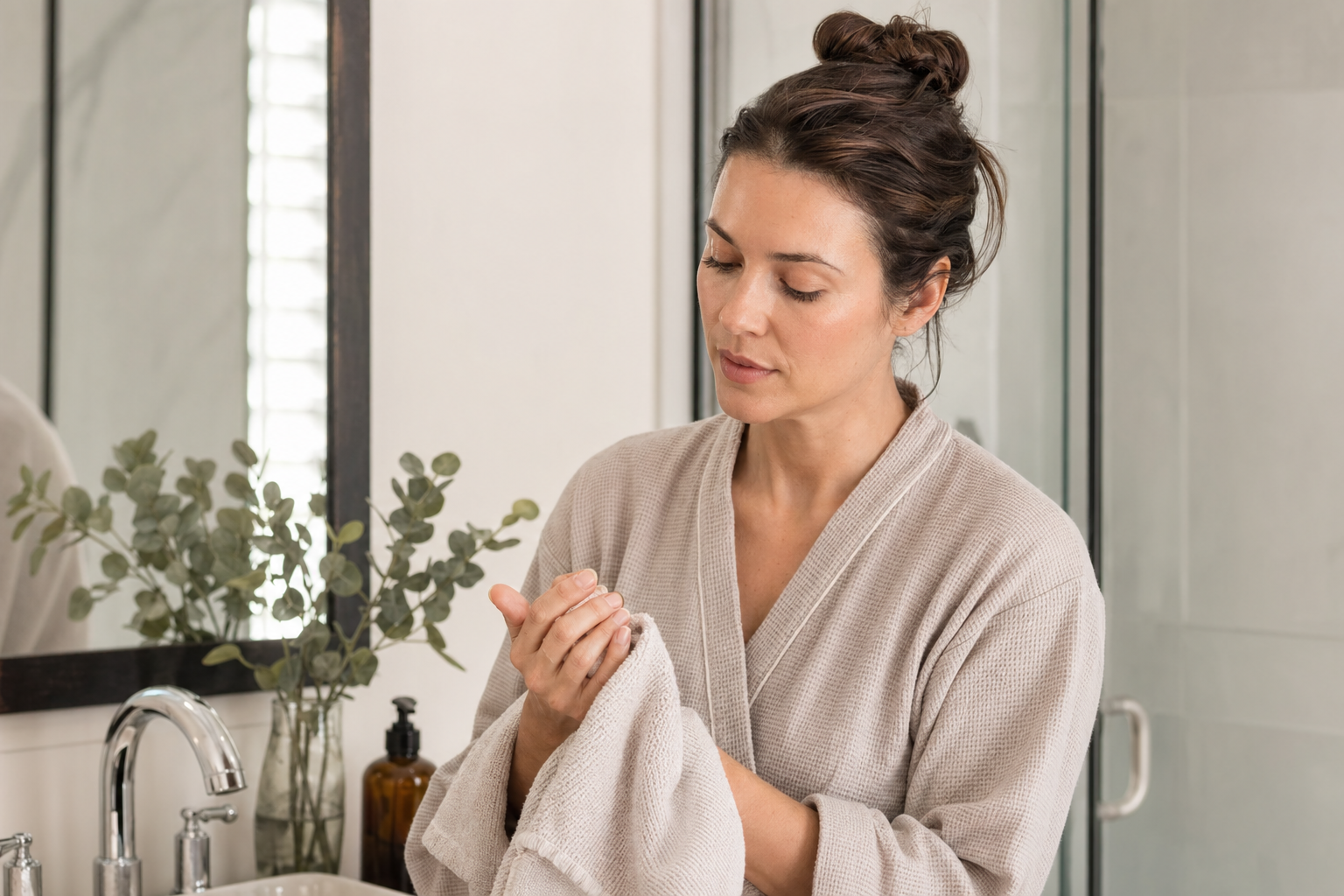
- After washing my hands, I dry around the nails thoroughly. I do not leave the corners damp, especially after showers or dishwashing.
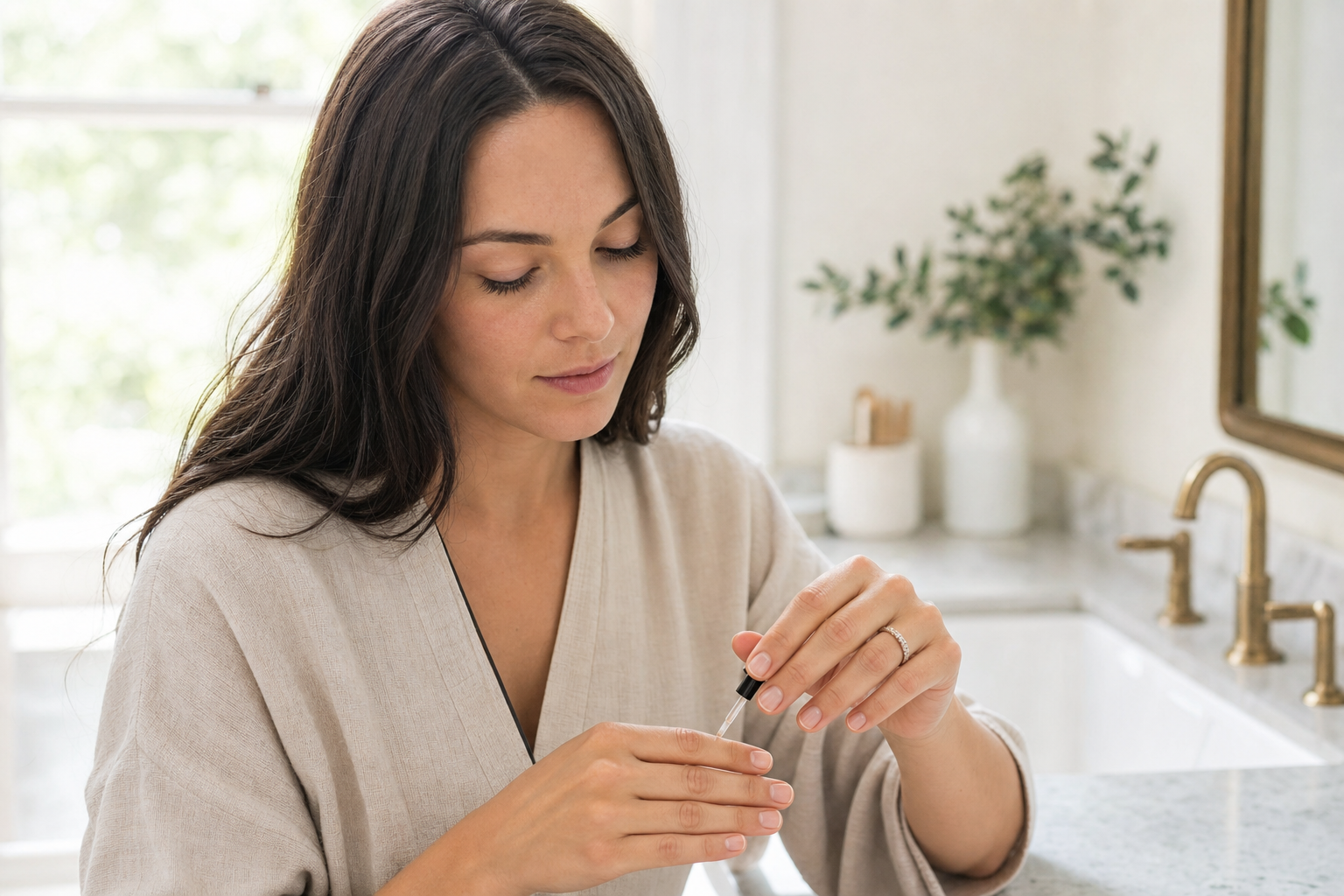
- I apply a bland moisturizer or cuticle oil while the skin is still slightly soft. I am not looking for a glossy finish. I am trying to reduce cracking and friction.
- I push back softened cuticles very lightly and not every day. If there is resistance, I stop. I do not scrape until the nail plate looks extra bare.
- I clip only obvious loose hangnails. I do not chase tiny imperfections around the whole nail fold.
- I use gloves for wet chores. Repeated water exposure and detergent contact make my nail edges rougher than almost anything else.
For me, this routine works because it lowers both kinds of trauma: the dramatic trauma of over-cutting and the quieter daily trauma of dryness, swelling, rubbing, and detergents. It also makes my hands look better over time. When the surrounding skin is less inflamed, the nails themselves look cleaner without much effort.
What I do instead of a full cuticle-trimming session
If the skin around my nails looks overgrown, I do a softening session rather than a cutting session. Usually that means a short shower or a few minutes after hand washing, then a tiny amount of oil or cream massaged into the nail folds. Once the area looks flexible, I may nudge it back with a soft tool or even just a towel edge. The rule is that the skin should still look intact when I am done. If it looks thinned, shiny-raw, or sore, I went too far.
I also avoid treating every manicure step like it needs to be professional-grade at home. The more tools I bring in, the easier it becomes to create micro-injury while telling myself I am being precise. Precision does not help much if the end result is a broken seal and a tender fingertip.
How I handle hangnails without starting a picking cycle
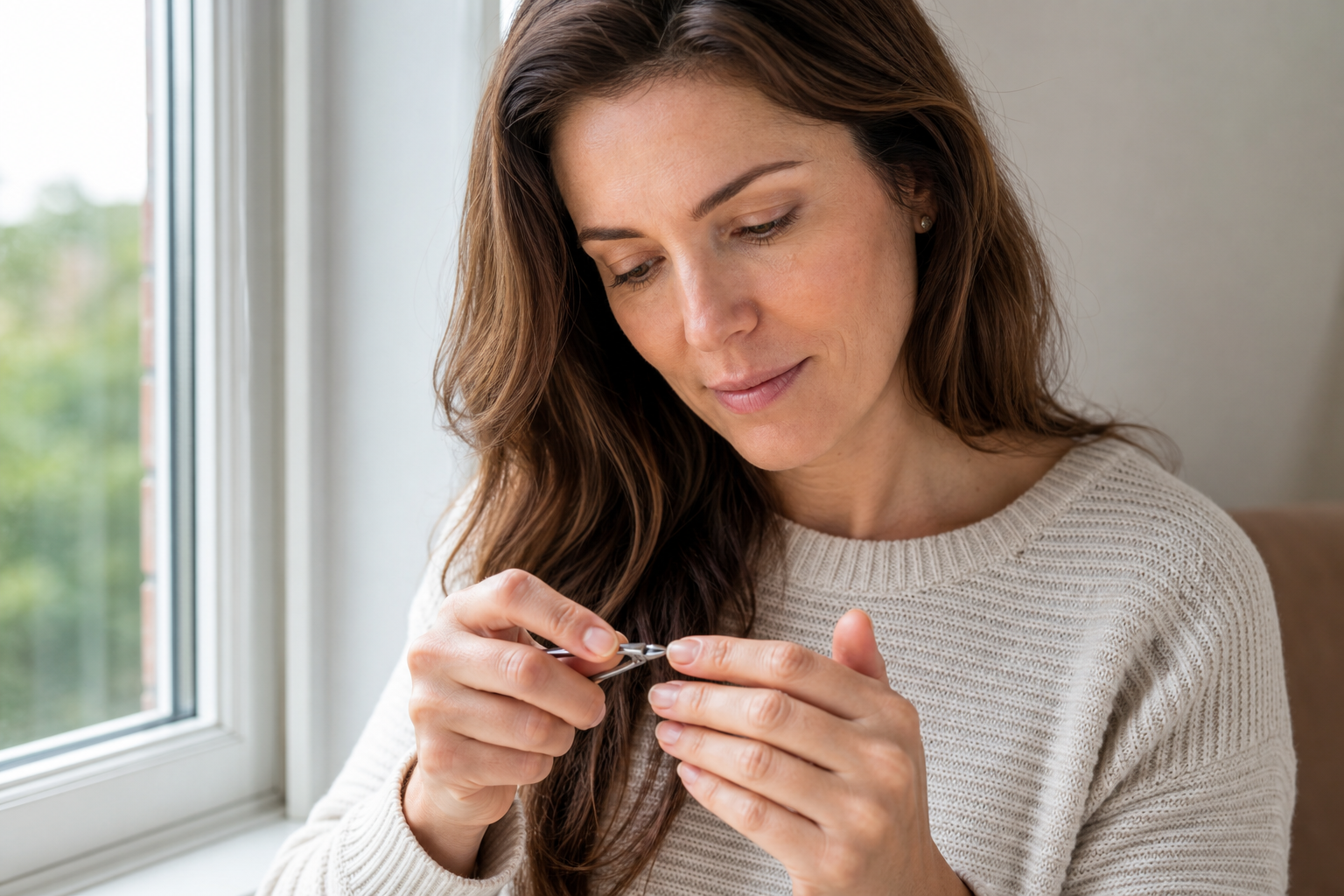
Hangnails are where I used to make my biggest mistakes. I would pull first and inspect later. Now I stop as soon as I notice one, wash my hands, and use clean nippers to trim only the piece that is already detached. Then I add ointment or oil and leave it alone for the day.
This matters because the damage from picking is often bigger than the original problem. Once I tear live skin, the area swells, catches more easily, and becomes more tempting to “fix” again. That loop is how one small rough edge becomes a week of irritated fingertips.
When the skin is already inflamed, I skip cosmetic cleanup entirely. No pushing, no buffing, no cuticle remover, no trying to make both hands match. Calm skin first, symmetry later.
Where gel manicures and strong nail products can complicate things
I am not anti-manicure, but I am cautious when my nail folds are already sensitive. A 2021 paper in Contact Dermatitis described hand dermatitis from daylight-curing hybrid gel nail polish (PMID: 33241865). Another 2021 study confirmed that acrylates are present in nail products and emphasized safe work practices to reduce exposure risk for nail technicians (PMID: 32737502). That does not mean everyone should avoid gel products forever. It does mean the skin around the nail is a real exposure site, and irritation is not always coming from dryness alone.
When my cuticle area is acting up, I avoid layering extra variables on top of it. I skip fragranced hand products, cuticle removers that feel sharply active, and long polish sessions that leave my hands exposed to multiple solvents and resins in one sitting. Once the area is calm again, I can make better decisions about what I actually tolerate.
Signs I am doing too much
- Persistent tenderness when I press around the nail fold
- Shiny, over-thinned skin where I pushed or cut too aggressively
- Small splits or peeling edges that return within a day or two
- Redness that builds after manicures instead of settling
- A cycle of picking because the area feels rougher after “cleanup”
If I see those signs, my correction is always the same: fewer tools, more moisture, less contact with detergents, and no trimming unless there is a true loose fragment to remove.
When I stop calling it a beauty problem
If the nail fold becomes swollen, throbbing, warm, or starts draining, I stop trying to solve it with oil and patience. The reason is straightforward. Once the seal around the nail has broken down, infection can follow, and trauma is a known trigger in acute paronychia (PMID: 32644572). I also take recurring reactions more seriously if they seem linked to polish, gel systems, or nail adhesives, because allergic or irritant dermatitis can mimic “sensitive cuticles” at first.
I am especially cautious if one finger keeps flaring while the others look fine, or if the skin changes continue even when I stop manicures. That is the point where I think professional evaluation is more useful than another round of home fixes.
My realistic takeaway
The biggest improvement in my nails did not come from buying better tools. It came from changing the standard. I no longer aim for invisible cuticles. I aim for intact, comfortable skin around the nails, fewer broken corners, and less temptation to pick. For me, that means moisture, gentle pushing only when the skin is softened, and cutting only true hangnails instead of healthy cuticle tissue.
It is not the most dramatic manicure philosophy, but it is the one that leaves my hands looking calmer by the end of the week. And if your cuticle area gets irritated easily, calmer is usually prettier anyway.
Sources
- Paronychia Drainage. StatPearls Publishing. PMID: 32644572.
- Dupuis C, et al. Bacterial and viral infections of the nail unit: Tips for diagnosis and management. Hand Surg Rehabil. 2024. PMID: 36427761.
- Dyring-Andersen B, et al. Hand dermatitis from daylight curing "hybrid" gel nail polish. Contact Dermatitis. 2021. PMID: 33241865.
- Quach T, et al. Skin Exposure to Acrylates in Nail Salons. Ann Work Expo Health. 2021. PMID: 32737502.