Scalp Barrier Basics: Why Gentle Cleansing Matters
A practical guide to scalp barrier care, gentle shampoo habits, irritation signs, and when flakes or itching need a dermatologist instead.
Medical disclaimer: This article shares general education about scalp care and irritation. It is not a diagnosis or a substitute for medical care. If you have painful scaling, bleeding, sudden hair shedding, or a rash that is spreading, see a board-certified dermatologist.
Affiliate disclosure: This article does not include affiliate links or sponsored product placements. I am focusing on technique, ingredient logic, and when to get professional help.
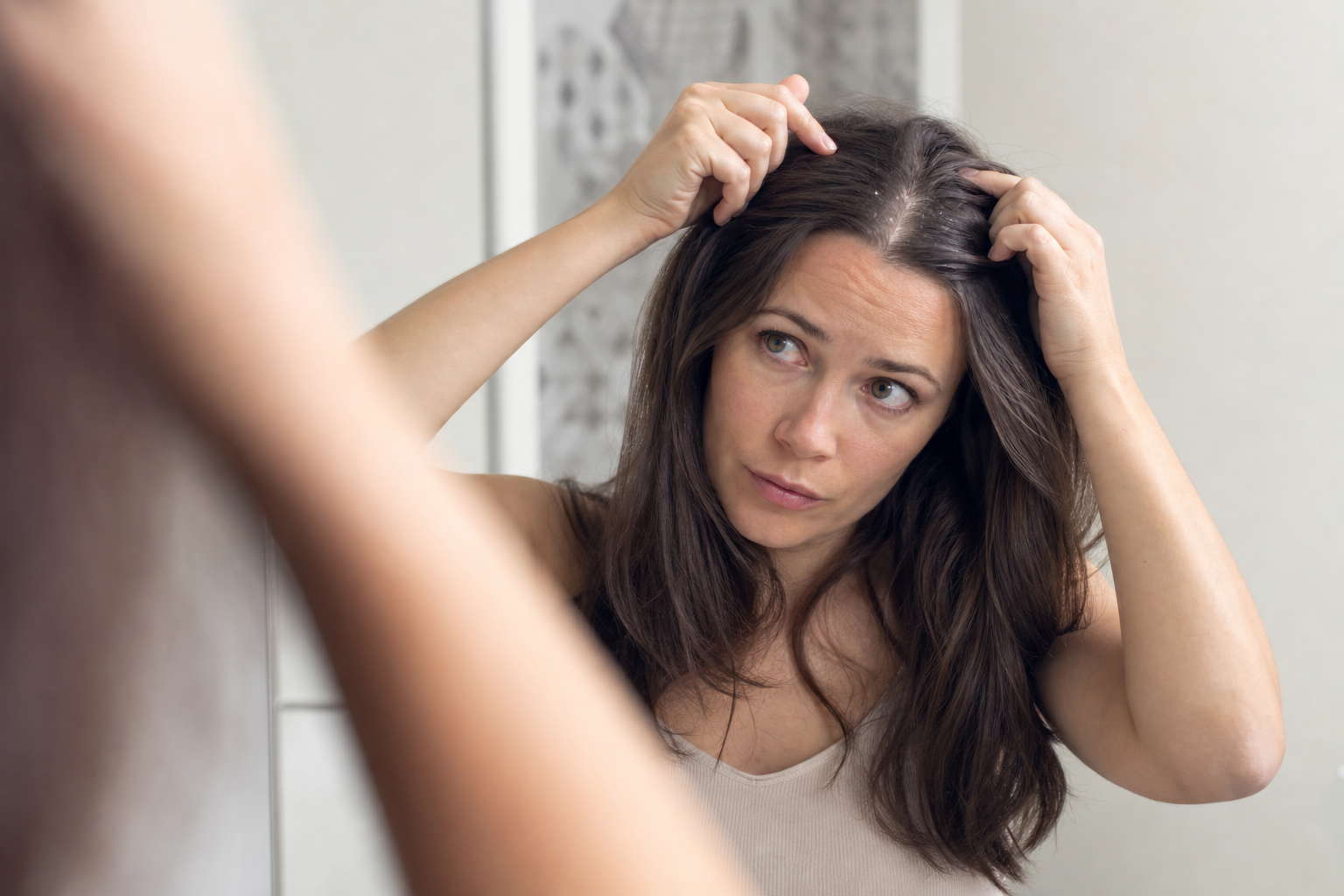
When my scalp starts to feel tight, itchy, or oddly squeaky after shampooing, I do not read that as a sign that my hair is extra clean. I read it as a warning that I probably pushed cleansing too far. The scalp is skin, but it is easy to forget that because most of us think about hair first and the scalp second. That order causes a lot of routine mistakes. If the barrier on the scalp is irritated, hair can look flat at the roots, flakes can become more visible, and even gentle styling can feel uncomfortable.
The basic idea is simple: cleanse enough to remove sweat, oil, and buildup, but not so aggressively that you leave the scalp feeling stripped. That balance matters because dandruff and seborrheic dermatitis are linked with barrier disruption and a higher tendency toward irritation, not just surface flakes alone. Reviews on dandruff and scalp biology have described stratum corneum dysfunction, subclinical inflammation, and higher susceptibility to topical irritants in affected scalps (PMID: 22515370; PMID: 27148560).
What the scalp barrier actually does
I think of the scalp barrier as the protective outer layer that helps keep water in and irritants out. It is made of corneocytes, lipids, sweat, sebum, and a resident microbiome. On a healthy day, that system lets you wash away grime without triggering a long argument between your cleanser and your skin. On a bad day, the scalp can sting from shampoo, react to fragrance, or produce visible flakes because the barrier is already under stress.
The scalp is different from the cheeks or forehead because it has more hair follicles, more sebum activity, and more opportunities for residue to collect. Dry shampoo, heavy stylers, sweat from workouts, and infrequent washing can all create buildup. But the opposite extreme can also backfire. If you wash with a harsh formula, scrub with your nails, or double-cleanse every time whether you need it or not, you can end up with the same tight, reactive feeling I try to avoid.
A useful review on shampoo formulation points out that shampoos are not just cleansers. Surfactant choice, conditioning agents, preservatives, and fragrance all affect efficacy and adverse effects, which is why two shampoos can leave the scalp feeling very different even when both technically remove oil (PMID: 17451380). That is the part I pay attention to most when a scalp feels sensitive.
Signs your cleansing routine may be too harsh
I look for pattern changes, not one dramatic symptom. If my scalp feels fine after one wash, I do not rewrite the whole routine. If it repeatedly feels worse after cleansing, that is when I step back and simplify.
- Tightness right after rinsing: Clean does not need to feel squeaky. Persistent tightness usually means the wash was more aggressive than necessary.
- Itching that gets worse after shampoo: A small amount of itch can happen with dandruff, but worsening itch after washing may point to irritation from the formula, temperature, or friction.
- Flakes that look finer and drier after cleansing: That can happen when the scalp barrier is dehydrated rather than genuinely oily.
- Redness around the hairline or behind the ears: Those areas often show irritation before the entire scalp does.
- Hair that feels rough at the root: Sometimes people assume this means they need a stronger clarifier. I usually consider the opposite first.
If you also have thick yellow scale, persistent greasy patches, or itching that does not settle down, it is worth considering seborrheic dermatitis rather than calling everything dryness. Dandruff is not always caused by over-washing, and some people actually need more consistent cleansing with the right type of shampoo.
How I make cleansing gentler without making the scalp dirtier
The first change I make is frequency based on buildup, not guilt. Someone who exercises daily or uses styling products at the roots may genuinely need frequent washing. Someone with a drier scalp may do better with less frequent shampooing. There is no universal schedule that proves a routine is better. The more useful question is whether oil, sweat, and styling residue are being removed without leaving prolonged discomfort.
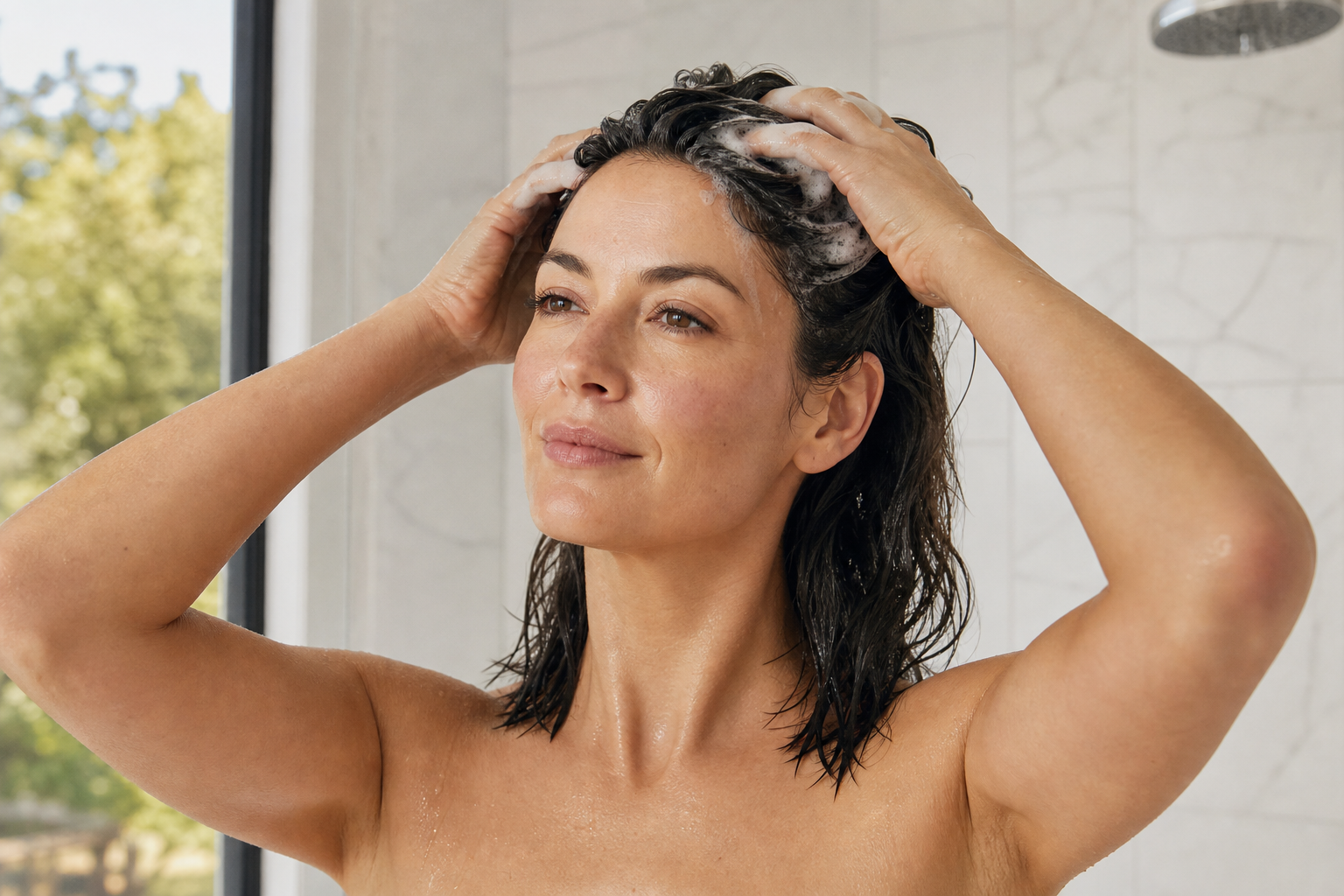
Then I check the washing technique. I apply shampoo mainly to the scalp, not the entire hair length, and I use the pads of my fingers instead of my nails. I massage for about a minute so the cleanser actually reaches the skin, then let the rinse water pull suds through the lengths. That gives me a cleaner scalp without turning the rest of my hair into collateral damage.
Water temperature matters more than people think. Very hot water can feel satisfying, especially when the scalp is itchy, but it often leaves my skin more reactive. Lukewarm water tends to clean well while keeping the routine less irritating. I also skip the urge to repeat a full second shampoo unless I had heavy product buildup or an especially sweaty day.
What to look for in a gentle shampoo
I do not think there is one perfect shampoo ingredient list, but there are patterns I trust more. A gentle shampoo usually balances cleansing agents with conditioners or soothing supporting ingredients so the formula removes oil without leaving the scalp raw. Fragrance-free options can be useful if your scalp is easily irritated, although fragrance itself is not automatically a problem for everyone. The real test is whether the formula leaves your scalp comfortable a few hours later, not whether the label uses the word gentle.
If I am in a flare with obvious flakes and itch, I separate two goals: barrier comfort and targeted treatment. A gentle everyday shampoo may help reduce irritation, but persistent dandruff or seborrheic dermatitis often responds better when a clinician-guided treatment shampoo is used correctly. That is why I do not promise that a mild cleanser alone will solve every flaky scalp. Reviews on seborrheic dermatitis management continue to describe a role for targeted antifungal shampoos in the right setting, especially when Malassezia-driven flaking is part of the picture (PMID: 39310465; PMID: 31310695).
When clarifying helps and when it hurts
I still use clarifying shampoos, just not as a reflex. They can be useful when the scalp feels coated from heavy stylers, silicones, or dry shampoo. In that situation, a one-off deeper cleanse can reset the surface so regular shampoo works again. The mistake is using a clarifier as daily maintenance when the scalp is already touchy. If a clarifying wash leaves you stingy, tight, or flaky for the next two days, it probably belongs in the occasional category, not the everyday one.
One practical trick is to look at the timing of your symptoms. If flakes and itch worsen after strong cleansing, I think about irritation first. If symptoms build gradually when washes are too far apart, I think more about oil, yeast, and residue. That simple pattern check keeps me from treating every scalp problem with the same bottle.
What I do between wash days
Between washes, I try not to create extra barrier stress. That means avoiding aggressive scratching, being selective with dry shampoo, and keeping leave-in products away from the scalp unless they are specifically intended for it. I also watch for non-shampoo triggers: hair dye, fragranced scalp serums, tight hairstyles, and even overenthusiastic exfoliating tools can all make a sensitive scalp angrier.
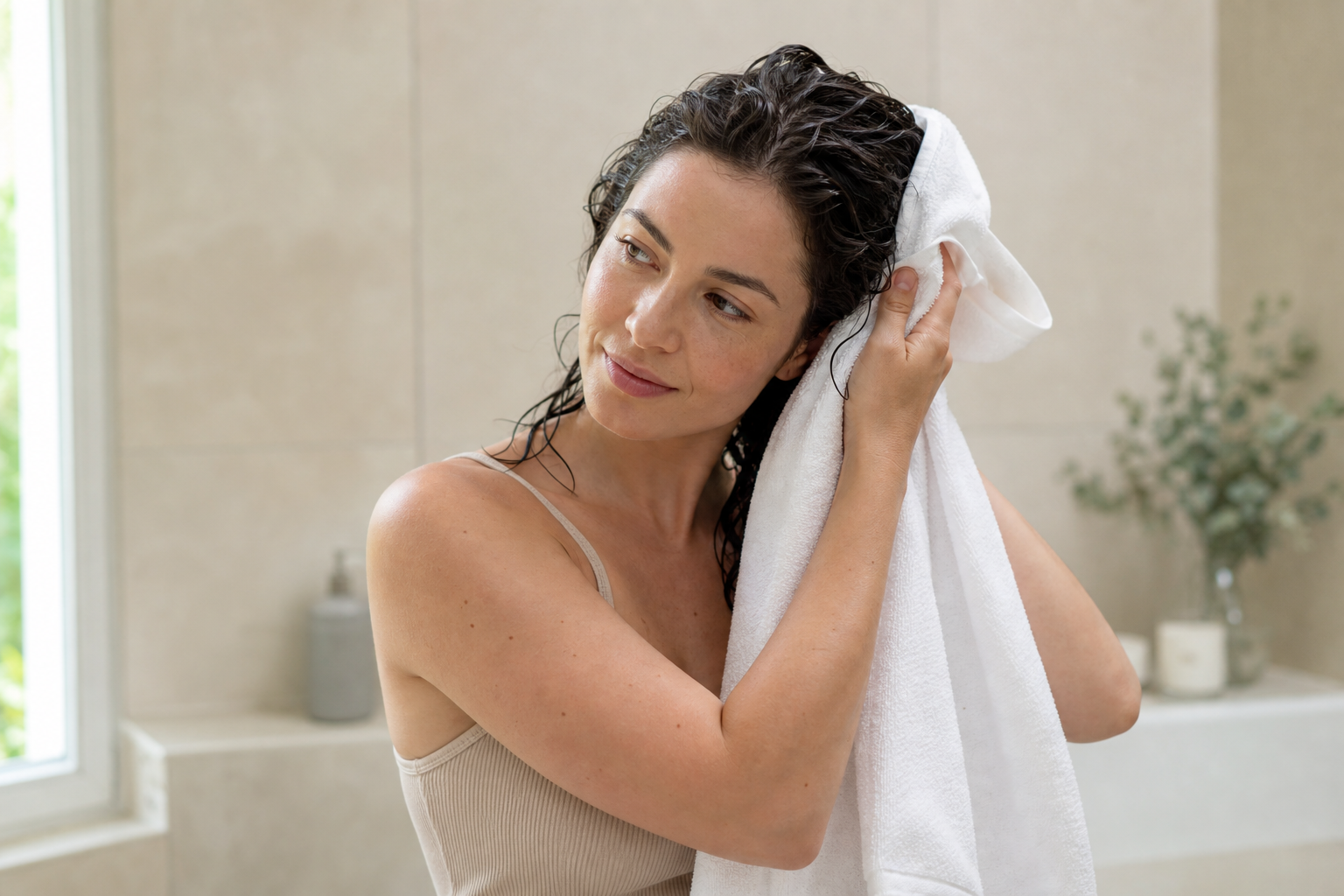
When my scalp feels reactive, I choose the boring routine on purpose. A simple wash, careful rinse, gentle towel blotting, and a pause on heavily fragranced extras usually helps more than layering on five “soothing” products at once. If that stripped feeling keeps coming back despite a simpler routine, I stop guessing and get it checked.
When to see a dermatologist
I do not wait too long if the scalp is painful, visibly inflamed, or shedding more than usual. Medical help matters sooner if there are thick plaques, pus, broken skin, or involvement of the eyebrows, ears, or sides of the nose, because that pattern can point to seborrheic dermatitis, psoriasis, contact dermatitis, or another condition that needs a more specific plan. Gentle cleansing supports the scalp barrier, but it is not a replacement for diagnosis.
The bottom line is that clean and comfortable should happen together. If your scalp is only giving you one of those outcomes, the routine probably needs adjusting. Gentle cleansing matters because the scalp barrier matters, and once I started treating it like skin instead of just the place where hair grows, my routine decisions got much smarter and much simpler.
Sources
- Turner GA, Hoptroff M, Harding CR. Int J Cosmet Sci. 2012. PMID: 22515370.
- Borda LJ, Wikramanayake TC. J Clin Investig Dermatol. 2015. PMID: 27148560.
- Trüeb RM. J Dtsch Dermatol Ges. 2007. PMID: 17451380.
- Wikramanayake TC, Borda LJ, Miteva M, Paus R. Exp Dermatol. 2019. PMID: 31310695.
- Tynes BE, Johnson CD, Vaish MH, et al. Cureus. 2024. PMID: 39310465.