Skin Cycling: What I Keep, What I Skip, and Why
An honest BeautySift take on skin cycling, including what helps, what to skip, and how to use recovery nights without over-exfoliating reactive skin.

Medical disclaimer: This article is for general education only and does not replace personal medical advice. If you have eczema, rosacea, severe acne, are pregnant, or are dealing with persistent irritation, check in with a dermatologist before changing your routine.
Affiliate disclosure: This article does not include paid product placements. If BeautySift adds affiliate links later, they should be treated as editorial recommendations rather than a guarantee that a routine will suit every skin type.
Skin cycling became popular because it promises structure. Instead of using every active every night, you rotate exfoliation, retinoids, and recovery nights on a schedule. I understand the appeal. When my skin starts looking dull, it is tempting to throw acids, retinoids, and brightening serums into the same week and hope for faster results. Usually, that is exactly when my barrier starts pushing back.
TL;DR: I keep the part of skin cycling that creates breathing room between stronger actives. I skip the rigid four-night template, because skin does not read calendars. If your face feels tight, shiny, or hot, your routine should slow down even if the schedule says it is "retinoid night."
My honest take is that skin cycling works best as a decision-making framework, not a rule book. The trend is useful when it helps people stop over-exfoliating and respect recovery nights. It becomes less useful when it turns into a social-media challenge that pushes the same cadence on oily, dry, acne-prone, and highly reactive skin alike.
What skin cycling gets right
The best part of skin cycling is simple: it separates strong steps that are often overused. Many people do better when they stop layering an exfoliating acid, a retinoid, and a strong treatment in the same 24-hour window. A rotational approach can reduce the urge to keep adding products just because they fit on the shelf.
There is also a scientific reason this makes sense. Topical retinoids have evidence behind them for acne and photoaging, but they are also well known for causing dryness, peeling, and stinging when people start too quickly or use more than their skin can tolerate. A recent review of skin aging interventions notes that retinoids remain useful, but irritation and adherence are ongoing limitations that need practical management rather than wishful thinking (PMID: 41846007).
That is why I keep recovery nights. When a routine gives the skin time to settle, it is easier to tell what is actually helping and what is simply too much. Skin cycling can also reduce random product switching, which matters because confused routines often create more redness than results.
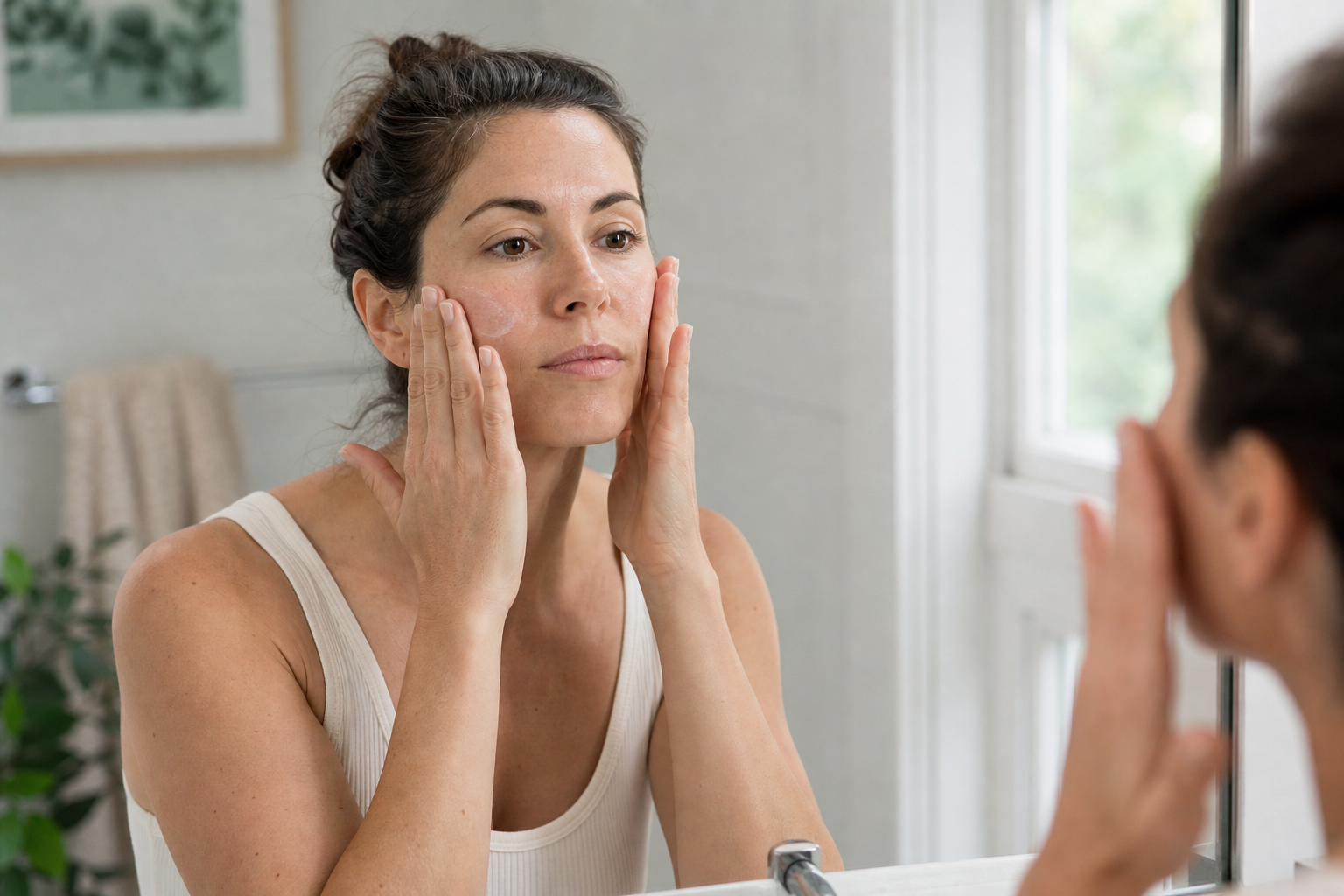
What I keep: recovery nights, sunscreen discipline, and slower escalation
If I borrow anything from skin cycling, it is the reminder that low drama is usually better for consistency. I keep three habits.
- Recovery nights: A plain routine with cleanser, moisturizer, and sometimes petrolatum on dry spots can do more for comfort than another active.
- Daytime sunscreen: Exfoliants and retinoids make sun protection less optional, not more. If a trend encourages stronger nighttime actives without firm sunscreen habits, the trend is incomplete.
- Slow escalation: I would rather use a retinoid twice a week for a month than try four nights in a row and spend the next week repairing irritation.
I also like that a rotational mindset can support the barrier when the products are chosen sensibly. In adults predisposed to atopic dermatitis, topical supplementation with physiological lipids improved ceramide balance and strengthened barrier function in a randomized study (PMID: 40408261). That does not mean every moisturizer is identical, but it does support the broader idea that recovery products are not filler. Sometimes the bland step is the useful step.
Another reason I keep flexibility is that tolerability often determines long-term success. A 2021 clinical paper on a rotational topical regimen for photoaging showed measurable improvement with a structured sequence rather than constant maximal intensity (PMID: 34604259). I do not treat that study as proof that everyone needs a trendy calendar. I read it as a reminder that planned alternation can be smarter than stacking everything at once.
What I skip: rigid templates and "one-size-fits-all" active nights
The popular version of skin cycling usually goes like this: exfoliation night, retinoid night, then two recovery nights, then repeat forever. That is clean, memorable, and easy to post online. It is not automatically wrong. I just do not think it is universal.
If your skin is very reactive, the exfoliation night may already be too much. If you are oily and experienced with adapalene, two recovery nights may be more than you need. If you are using prescription acne treatment, the internet's four-night loop may conflict with your dermatologist's plan. Trends often sell certainty, but healthy skin usually asks for adjustment.
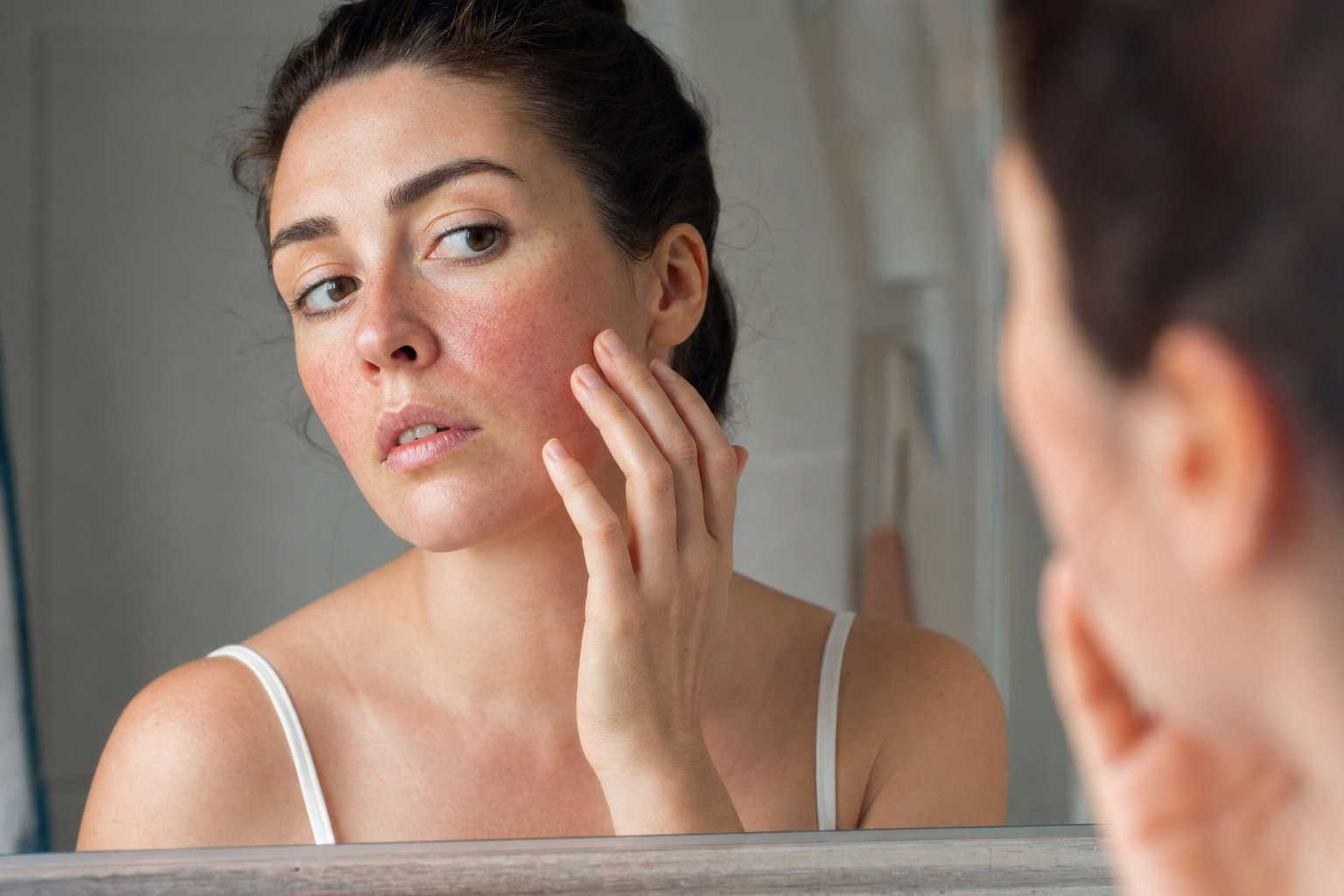
I also skip the idea that every cycle needs both an exfoliant and a retinoid. Sometimes one active category is enough. If my skin is dry from weather, travel, or over-cleansing, I may pause acids entirely and focus on moisturizer plus a retinoid only when my face feels normal again. If my cheeks are stinging, I skip the active night altogether. No trend deserves more loyalty than your barrier.
How I use the idea in real life
My practical version of skin cycling is less photogenic and more boring. That is probably why it works better for me.
Night 1: If my skin feels calm, I may use one exfoliating product. I prefer not to combine multiple acids, scrubs, and cleansing brushes on the same night. The point is controlled exfoliation, not proof of dedication.
Night 2: If there was no irritation, I may use a retinoid or a gentler retinoid-alternative step. I keep the rest of the routine plain.
Night 3 and beyond: I stay on recovery nights until my skin feels fully settled. For me, that means no burning around the nose, no glossy tightness across the cheeks, and no urge to keep reapplying moisturizer every hour.
This is where I think the trend becomes genuinely helpful: it teaches people to watch skin response rather than chase maximum frequency. In other words, the concept is good when it improves restraint. It is less good when it encourages people to collect stronger actives just to fill each night with something impressive.
Who may benefit most from skin cycling
I think beginners often benefit the most, especially if they are new to acids or retinoids and have been tempted by aggressive routines online. A basic cycle can stop common mistakes like doubling up on exfoliants or using a retinoid every single night from day one.
It can also help people with combination or mildly sensitive skin who want a framework but not a 10-step routine. The structure makes it easier to troubleshoot. If redness appears after one specific active night, the trigger is easier to spot.
On the other hand, I would be careful with this trend if you have an active eczema flare, a damaged barrier, frequent allergic reactions, or a prescription treatment plan. In those cases, the right schedule may be much slower than social media suggests, and sometimes the correct move is to simplify first and add actives back later.
What the trend gets wrong
The biggest problem with skin cycling is not the concept. It is the marketing orbit around the concept. Once a routine style becomes popular, every brand wants to position a product as the perfect exfoliation night serum, recovery night cream, or cycling booster. That can turn a restraint-based idea into another shopping script.
I also think the trend sometimes underplays the boring basics that make active routines safer. Gentle cleansing matters. Moisturizer matters. Sunscreen matters. Patch testing matters. If those pieces are weak, swapping your actives into a four-night loop will not suddenly make the routine sensible.
And finally, skin cycling can be too neat for real skin. Hormones, weather, shaving, travel, lack of sleep, and over-cleansing can all change what your face tolerates this week. I would rather have a flexible routine that respects those shifts than a pretty chart taped to the mirror.
My bottom line
I keep the recovery logic, the slower pacing, and the permission to do less. I skip the rigid calendar, the pressure to use both an exfoliant and a retinoid every cycle, and the idea that trending routines are automatically smarter than personal observation.
If you want to try skin cycling, start with fewer actives than you think you need. Use one exfoliating product, one retinoid if appropriate, a reliable moisturizer, and daily sunscreen. Then let your skin decide the frequency. When a trend teaches people to back off instead of pile on, I am interested. When it turns into another reason to ignore irritation, I am out.
Sources: PubMed PMID: 41846007; PubMed PMID: 40408261; PubMed PMID: 34604259.