CeraVe Moisturizing Cream Review: My Honest Barrier-Care Test
An honest BeautySift review of CeraVe Moisturizing Cream, with ingredient analysis, texture notes, current retailer checks, and barrier-care pros and cons.
By BeautySift Editorial Team
Medical disclaimer: This article is for general skincare education only and does not replace personal medical advice, diagnosis, or treatment. If you have eczema, persistent irritation, infection, or a rapidly changing rash, check with a licensed clinician.
Affiliate disclosure: We may earn a commission if you buy through retailer links in this article. That does not change our editorial judgment. This is an AI-powered BeautySift review based on current ingredient lists, retailer pages, official brand information, and published research checked on 2026-05-01. It is not a hands-on six-week wear test, so this review focuses on formula quality, practical use, and current retail context rather than a fabricated wear diary.
TL;DR: CeraVe Moisturizing Cream is a sensible barrier-support moisturizer for dry, tight, or easily irritated skin because it combines occlusives, humectants, and barrier lipids in a fragrance-free base. The trade-off is a dense jar texture that can feel heavy on oily skin, and the formula is more practical than elegant. If you want a rich cream that covers face and body without perfume, it is still one of the safer mainstream bets.
Product Overview
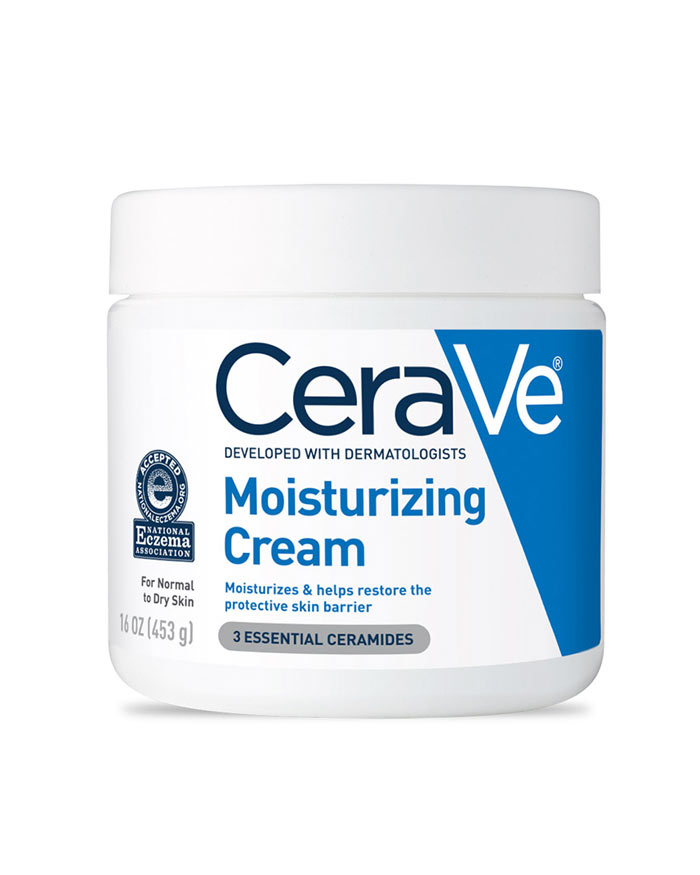
CeraVe Moisturizing Cream is a long-running face-and-body moisturizer from CeraVe, a brand that built much of its reputation on fragrance-free barrier-care basics sold at drugstore prices. The product is marketed for normal to dry skin and centers its pitch on three essential ceramides, hyaluronic acid, and long-lasting hydration. In plain language, it is trying to do two things at once: reduce immediate dryness and support the outer barrier so skin feels less raw after cleansing, weather exposure, or irritation from overuse of actives.
That positioning still makes sense in 2026. The 16 oz jar was listed at $19.99 on Ulta during our check, while the Amazon listing we reviewed showed $13.34 with a struck-through $14.99 price for the 19 oz size. CeraVe also emphasizes that the cream is fragrance-free and suitable for face and body. That matters because many rich body creams still add fragrance, which can be an unnecessary risk for reactive skin.
Ingredient Analysis
CeraVe does not try to impress with exotic actives here. The formula leans on a familiar barrier-repair structure: water, glycerin, fatty alcohols, caprylic/capric triglyceride, petrolatum, dimethicone, hyaluronic acid, cholesterol, phytosphingosine, and ceramides. That is a practical choice for a moisturizer meant to be widely tolerated.
Glycerin - A dependable humectant that pulls water into the outer layers of skin and helps reduce that stretched, papery feeling that often follows cleansing. It is one of the least glamorous ingredients in beauty marketing and one of the most useful in real moisturizers.
Petrolatum - An occlusive that helps reduce transepidermal water loss by forming a protective film over the skin surface. This is a big reason the cream feels protective on flaky cheeks, post-shower body skin, or areas that start to sting when the barrier is worn down.
Dimethicone - A silicone that improves glide and softens the otherwise waxy feel richer creams can have. In practical terms, it makes the formula easier to spread and less draggy than a simple petrolatum-heavy ointment.
Ceramides (Ceramide 1, Ceramide 3, Ceramide 6-II) - These barrier lipids matter because the stratum corneum naturally depends on ceramides for structure and water retention. Clinical literature supports the overall logic behind topical ceramide replacement: physiological lipid supplementation improved barrier function and rebalanced ceramide profiles in adults predisposed to atopic dermatitis (PMID: 40408261), and a ceramide-based moisturizer outperformed a paraffin-based comparator in mild-to-moderate atopic dermatitis outcomes in one prospective randomized study (PMID: 39897204). That does not make every ceramide cream equally effective, but it does support the category.
Hyaluronic Acid - Included as a humectant to support surface hydration. I would not buy this jar for hyaluronic acid alone, but in a richer base it helps the cream feel less flat and more water-binding over the first several hours after application.
The supporting cast matters too. Cholesterol and phytosphingosine reinforce the barrier-repair story, while fatty alcohols and caprylic/capric triglyceride add slip and emollience. What you do not get is fragrance, exfoliating acids, essential oils, or trend-driven extras that look exciting on a marketing card but add little to a basic barrier cream. For dry, reactive skin, that restraint is a strength.
Texture & Application
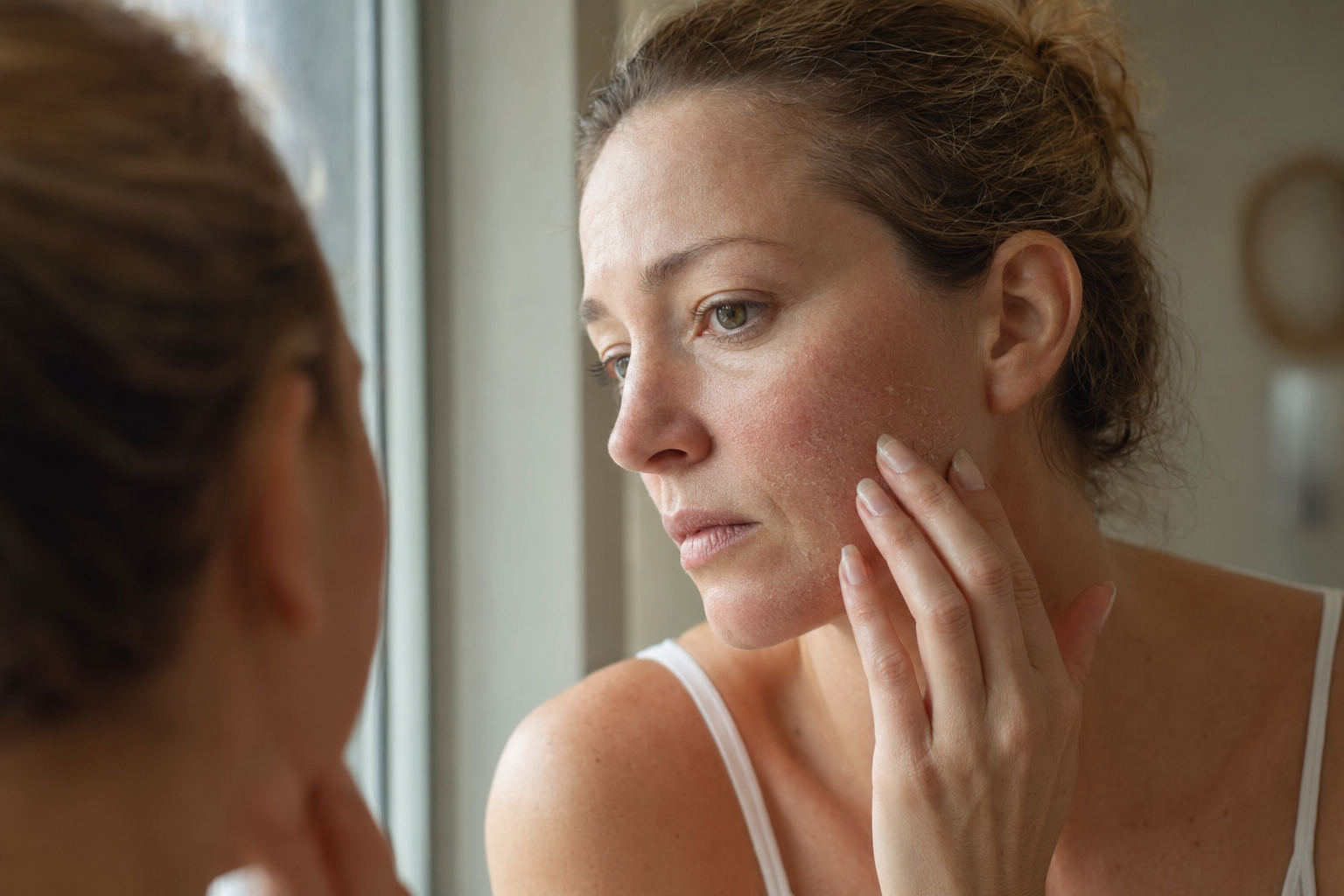
The texture is thick, cushiony, and clearly cream rather than lotion. It spreads without much drag, but it does not disappear quickly and it does leave a coated finish for a while. On dry skin, that density can feel reassuring, especially after a shower or on nights when skin feels stripped. On combination or oily skin, the same texture may feel like too much, particularly in humid climates or under sunscreen and foundation.
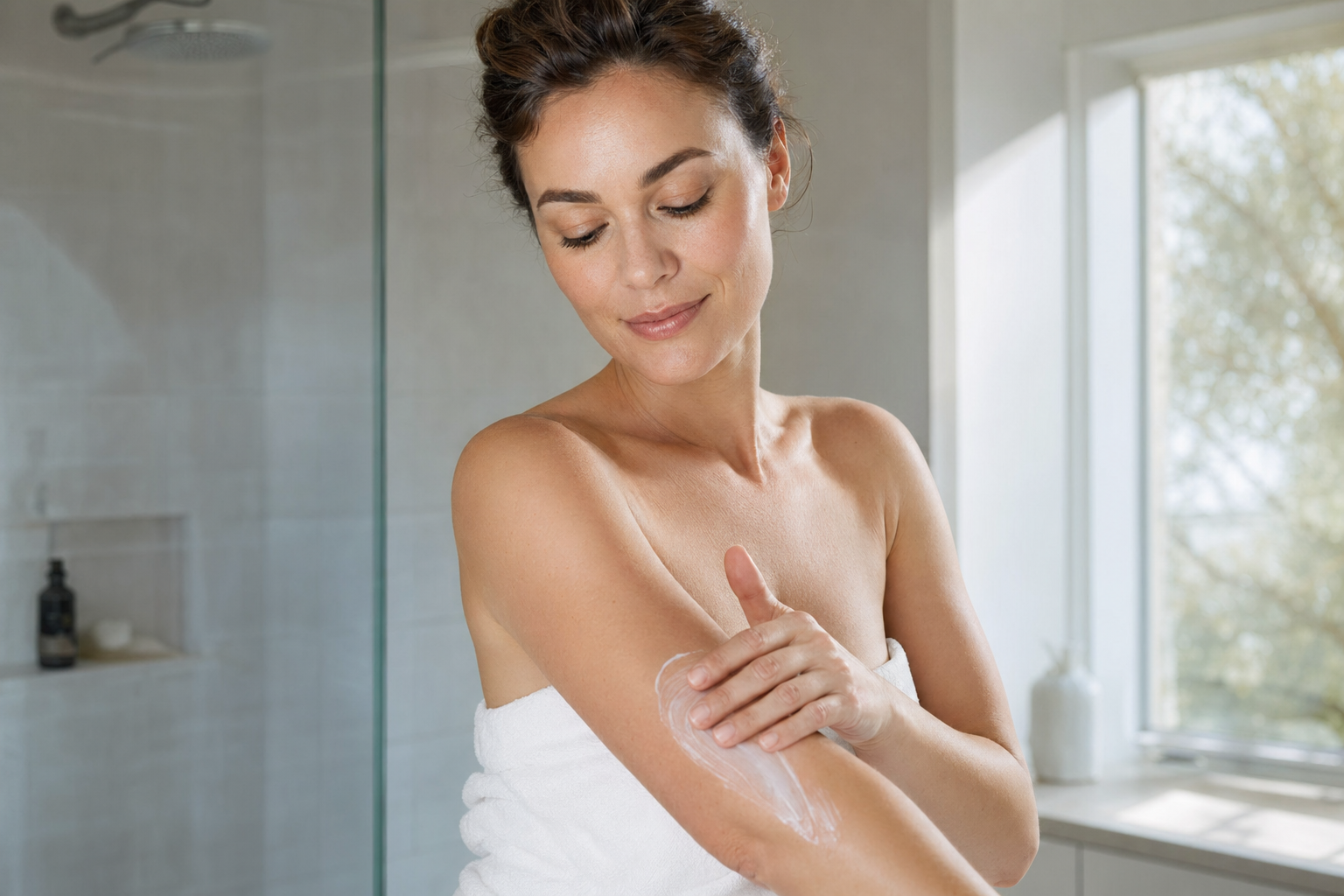
There is no added fragrance, so the scent profile is mostly the mild waxy smell of raw formula. That is a good trade for many sensitive-skin users, though anyone who expects a sensorial luxury moment will probably find it plain. I would place it as the last skincare step at night, or as a targeted morning moisturizer on cheeks, around the mouth, or on visibly dry areas. For body use, it makes the most sense right after bathing, when there is still a little water on the skin to seal in.
Pros & Cons
Pros:
- Fragrance-free, straightforward formula that avoids many common unnecessary irritants.
- Good balance of humectants, occlusives, and barrier lipids for genuinely dry skin.
- Works on both face and body, which improves value and simplifies routines.
- Widely available in U.S. retail and usually priced accessibly for the jar size.
Cons:
- Can feel heavy, shiny, or slightly suffocating on oily or heat-prone skin.
- Jar packaging is less tidy than a tube or pump and is not my favorite for repeated facial use.
- The finish is practical rather than elegant, so some users will not love it under makeup.
Score Breakdown
Equivalent overall review score: 8.2/10
- Efficacy: 4.3/5
- Texture: 3.8/5
- Value: 4.5/5
- Scent: 4.2/5
- Packaging: 3.6/5
- Overall: 4.1/5
The scoring reflects a moisturizer that is consistently useful, not especially refined. The formula earns most of its points from barrier support, retailer access, and ingredient discipline. It loses points for the jar, the heavier finish, and the fact that some acne-prone or texture-sensitive users will simply prefer a lighter vehicle.
Best For / Not Suitable For
Best For: dry skin, compromised skin barrier, face-and-body users who want one no-fragrance cream, and people who need a richer moisturizer around retinoids or cold weather.
Not Suitable For: very oily skin, users who dislike rich occlusive textures, anyone wanting a weightless daytime finish under foundation, and people who prefer pump packaging for hygiene or convenience.
Skip If: you strongly prefer gel creams, you are extremely clog-prone and dislike heavier formulas, or you want a moisturizer that vanishes completely before makeup.
Where to Buy
- Amazon: $13.34 at the time of our check for the 19 oz listing we reviewed, with a struck-through $14.99 reference price.
- Sephora: We could not confirm a current CeraVe Moisturizing Cream listing during our check, so availability here is unconfirmed rather than assumed.
- Ulta: $19.99 for the 16 oz jar during our check, with Replenish & Save showing $18.99.
Price comparisons are not perfectly apples to apples because Amazon and Ulta were displaying different sizes during our check. Even so, the broad pattern is clear: this remains an affordable rich moisturizer relative to many prestige barrier creams.
How It Compares
Against La Roche-Posay Lipikar Balm AP+, CeraVe Moisturizing Cream feels simpler and usually cheaper, but also a little less plush on severely dry or eczema-prone body skin. Lipikar often feels more cushiony and more emollient; CeraVe feels more neutral and easier to use on both face and body if you dislike a very balm-like finish.
Compared with Vanicream Moisturizing Cream, CeraVe offers a stronger barrier-lipid story thanks to ceramides, cholesterol, and phytosphingosine, while Vanicream may appeal more to people who want an even more stripped-back formula or who react unpredictably to long INCI lists. In other words, CeraVe sits in the middle: accessible, evidence-aligned, and not especially glamorous. That is also why it keeps showing up in dermatologist-adjacent routines.
Sources: CeraVe official product page and ingredient FAQ; Ulta product listing checked 2026-05-01; Amazon product listing checked 2026-05-01; PMID: 40408261; PMID: 39897204.
[EXCERPT]: This CeraVe Moisturizing Cream review explains who should buy the rich barrier cream, where it feels too heavy, and why the formula still earns a practical high score.